Home Blog Page 58

Fix A Leaking Shower Head, Stop Dripping & Spraying

If your shower head is leaking, dripping or water is spraying out of the side while it is in use, the washer in the joint between the stem and the head is probably perished and needs to be replaced.

What You Will Need To Fix A Leaking Shower Head

  • Two Plumbing Pliers (One For The Head And One For The Stem)
  • Replacement Washer

How To Fix A Leaking Shower Head

Use a towel or cloth around the shower head and stem while using the pliers so that the teeth of the pliers do not mark or scratch the chrome finish. Grip the shower steam with one pliers and the ring on the head with the second, turn the shower head ring counter clockwise to loosen it and then remove it from the stem.

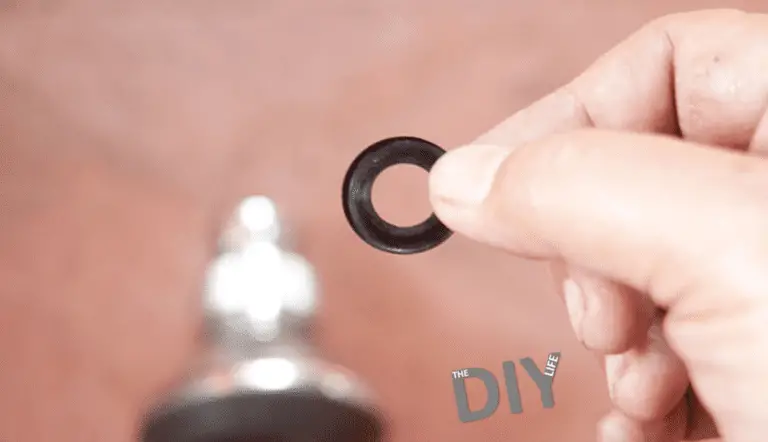
Remove the rubber washer and replace it with an identical one. This may require a special visit to your local hardware or plumbing store. Take the old sample with you to ensure that you get the exact replacement.

Lastly re-screw the shower head onto the stem. Wrapping some PTFE tape around the threads on the stem assists in lubricating the joint to allow the ring to be screwed on easier. With the washer replaced, there should be no water coming out anywhere around the joint. If it is still leaking, the thread is probably not seated correctly, unscrew the stem, replace the PTFE tape and try to screw it in again. When the thread is correctly seated, it should be easy to screw in and the ends will be flush and square.

If you shower head is loose or the nozzles are clogged by mineral deposits, follow this guide for securing a loose shower head and this guide for cleaning a clogged up shower head. Your shower will soon be as good as new.

Easy Roast Chicken

A roast chicken is an easy family dinner or weekend lunch. This recipe allows you to cook a delicious roast chicken, potatoes and a gravy all in one pan.

Serves 4-6. Preparation Time 30mins, Cooking Time About 1 Hour 20 Minutes.

You Will Need:

  • 1.5kg Whole Chicken (Cleaned & Trimmed)
  • 4-5 Large Potatoes
  • Olive oil
  • Chicken Spice
    • Alternately make you own with Salt, Pepper, Onion Power & Paprika
  • 1 Sachet White Onion Soup Powder
  • ½ Sachet Brown Onion Soup Powder

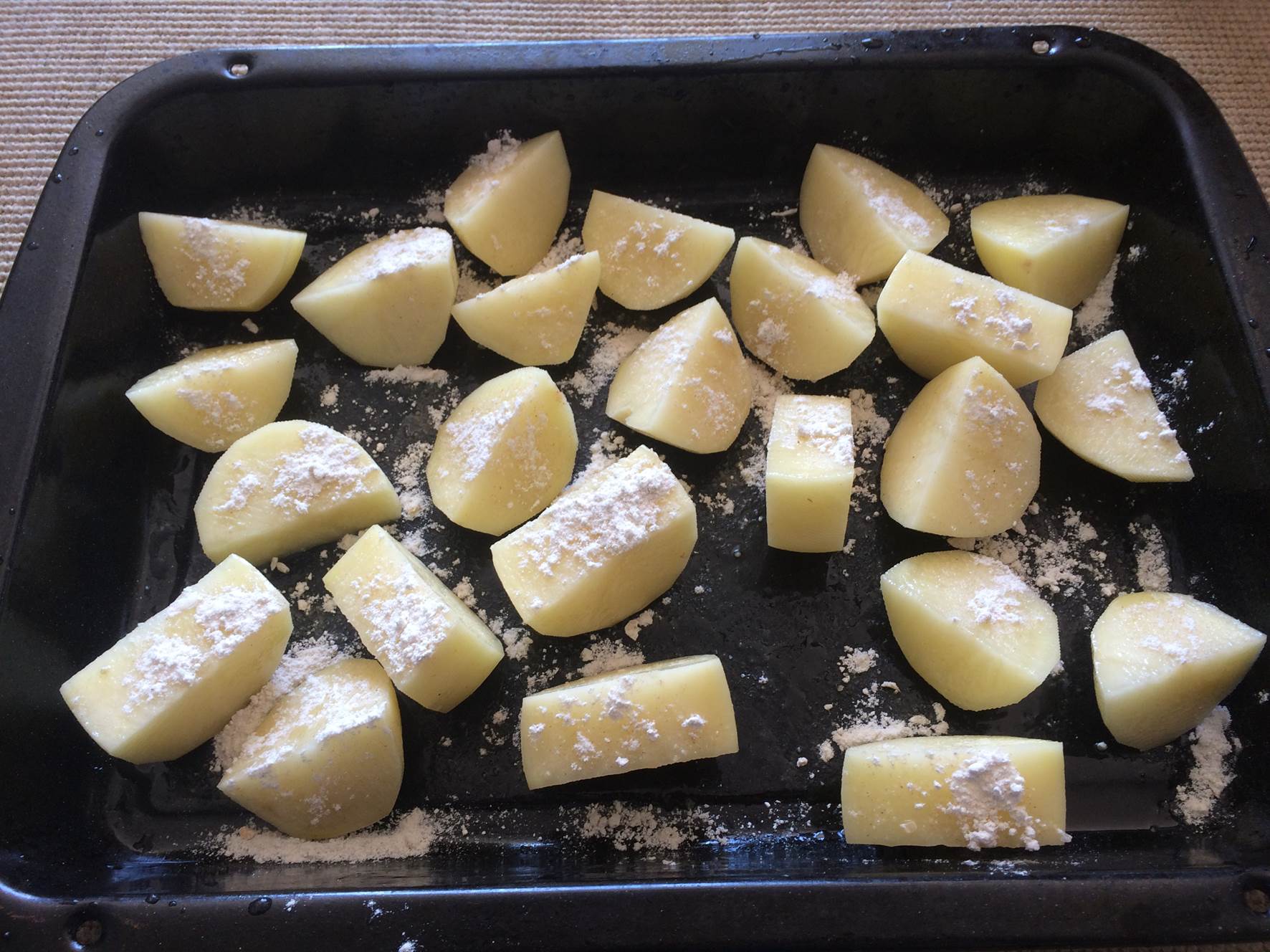
prepared potatoes

Firstly peel the potatoes and chop them into large chunks, quarters or sixths work best. Place them in the bottom of the roasting dish and drizzle with olive oil. Use a spoon or spatula to turn the potatoes so that they are evenly covered in the olive oil. Sprinkle the white onion soup powder over the potatoes.

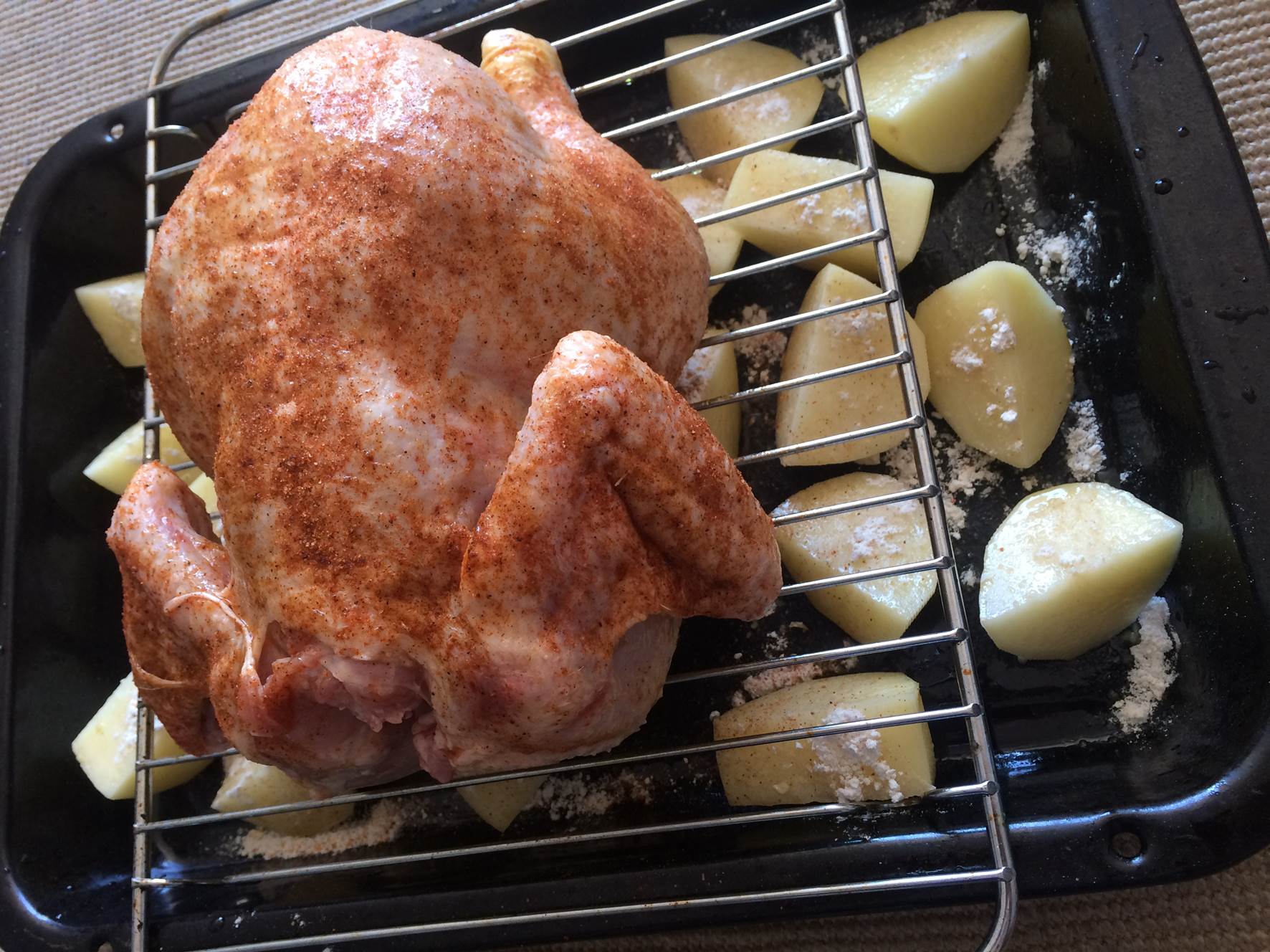
prepared roast chicken

Now prepare the chicken. Rinse it out with cold water and allow the excess water to drain. Place it on the grid from the bottom of the roasting dish placed widthways over the dish as shown. If you are using a regular roasting pan, use a baking cooling rack to place the chicken on. Drizzle olive oil over the chicken and rub it out to ensure the whole chicken is covered on both sides. Now sprinkle the chicken spice all over the skin. You can make your own chicken spice by mixing equal parts of fine salt, fine ground pepper, brown onion powder and paprika.

Place the chicken and potatoes into a pre-heated oven at 180°C (350°F) and allow to roast for an hour and a half. Midway through cooking, remove the chicken from the oven and turn the potatoes over so that they cook evenly on both sides. Mix the juices which have dripped from the chicken into the oil and baste the potatoes while turning them. When the chicken is done, remove it from the oven and allow it to stand for 5 minutes before carving  it.

Remove the potatoes from the roasting dish and place them into a warmed serving dish, do not cover the dish as they will go soggy.

In the roasting dish, mix half of the sachet of brown onion soup powder with 1 Cup of cold water. Place the roasting dish over a high heat on the stove or gas hob and pour over the soup mixture. Cook the mixture until thickened, stirring continuously to pick up the flavour in the pan from the roasting juices and potatoes. Once thick, pour into a gravy server and allow to stand for 5 minutes before serving.

What spices do you usually put onto your roast chicken? Please share them with us in the comments section below.

Chicken Potjie

A potjie is the perfect meal for a family gathering or camping trip. It can be cooked over a gas job or fire and requires very little attention. Prepare and add all of the ingredients and then leave it to cook without opening or stirring until it is ready. The heavy cast iron pot ensures that heat is evenly distributed so that the food cooks evenly and doesn’t burn. The chicken in this recipe is marinaded in wine and yoghurt for tender and flavourful dish. This potjie is best served with white rice or mashed potato and a beer bread makes a delicious side.

Makes 8 servings. Preparation Time 30mins, Cooking Time About 3 Hours.

You Will Need:

  • 2kg Chicken Pieces (Thighs produce the best flavour)
  • 5 Large Potatoes
  • 5 Large Carrots
  • 1 Green Pepper
  • 1 Cup Green Beans
  • 1 Punnet Mushrooms
  • 10 Dried Apricot Halves

Marinade

  • 2 Cups of Plain Yoghurt
  • 2 Cups of White Wine
  • 1 Large Onion
  • 10 Black Peppercorns
  • 2 Bay Leaves
  • 2 Tsp Dried Thyme
  • 1 Tsp Lemon Zest

Peel and finely chop the onion. Mix in the remainder of the marinade ingredients and pour over the chicken. Marinade in the fridge for 8 hours or overnight.

Peel and chop the potatoes into quarters. Peel and slice the carrots and the green pepper. Slice the mushrooms,  top and tail the beans and slice them in half. Over a high heat, in the potjie pot, fry the chicken pieces (removed from the marinade) individually until brown on both sides. Once brown, place all of the chicken back into the pot. Add the vegetables in layers above the chicken in order, potatoes, carrots, green beans, green pepper, apricots and finally the mushrooms. Pour the marinade over the layered vegetables, cover with the lid and allow the pot to simmer for 2.5 hours without opening the lid or stirring the vegetables.

Just before serving, stir all of the vegetables together. If the marinade is too watery, mix a packet of mushroom or white onion soup with a half cup of warm water, pour this into the pot and stir together before allowing to simmer for a further 10 minutes to thicken.

Serve the potjie directly from the pot with a pot of white rice. The left overs keep well for up to three days in the refrigerator. It does not freeze well as the carrots and potatoes become soggy.

Improve Your Workshop With These 5 Projects

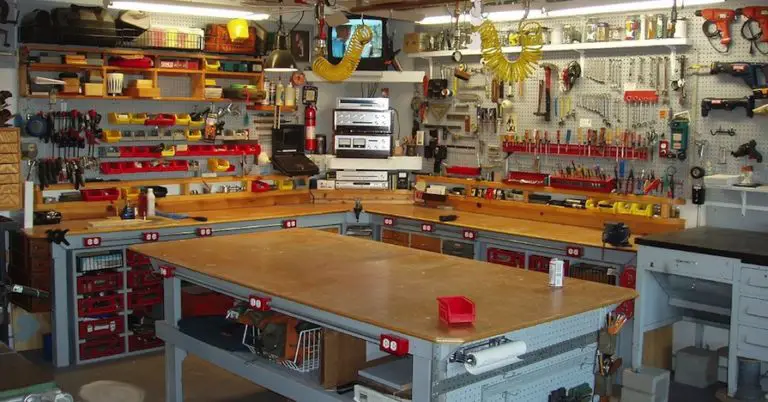
A tidy and well kitted out workshop is the key to successful DIY projects. Here are 5 clever projects you can start making to improve your workshop, ensure your equipment is easily accessible and make the most of the space available to you to work with.

lumber cutoff bin

Almost every DIY project you tackle will result in a few odd left over pieces of wood, dowels, piping, conduit etc. A mobile cutoff rack or bin is perfect to keep them all in an organised and easy to access place for when those smaller projects come along.

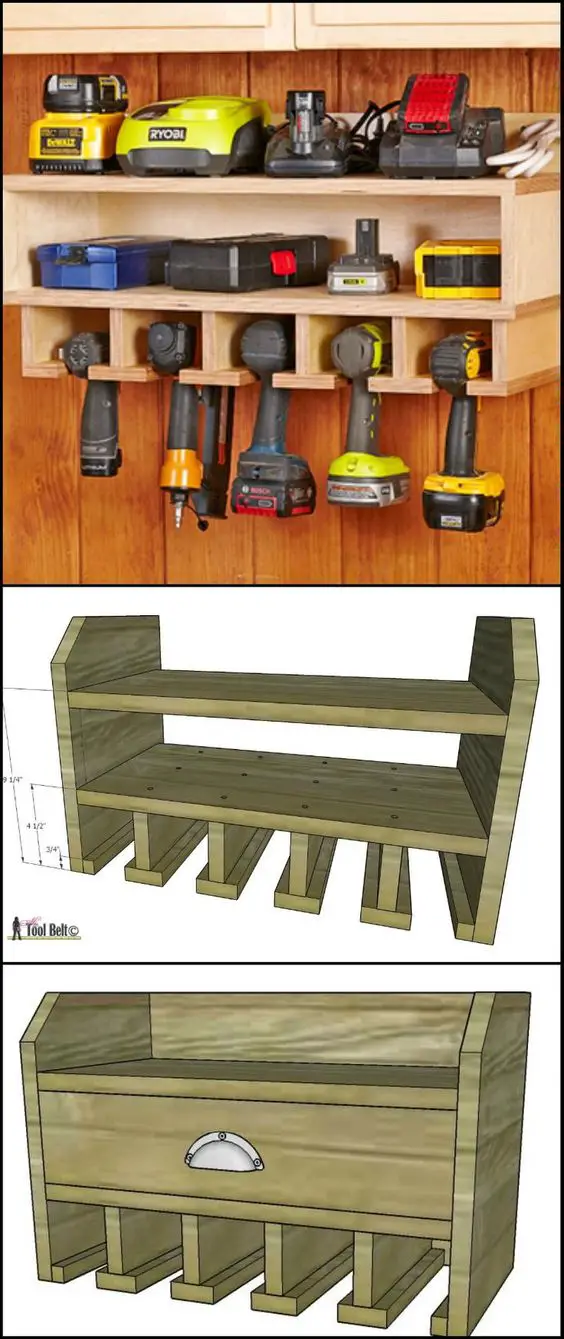
cordless drill storage shelf

A cordless drill shelf gives you a place to hang your drills and charge the batteries while they are not in use, keeping your counters and cupboard space free for other tools and materials. If you don’t have any wall space available then consider installing the rack into the door of a large cupboard.

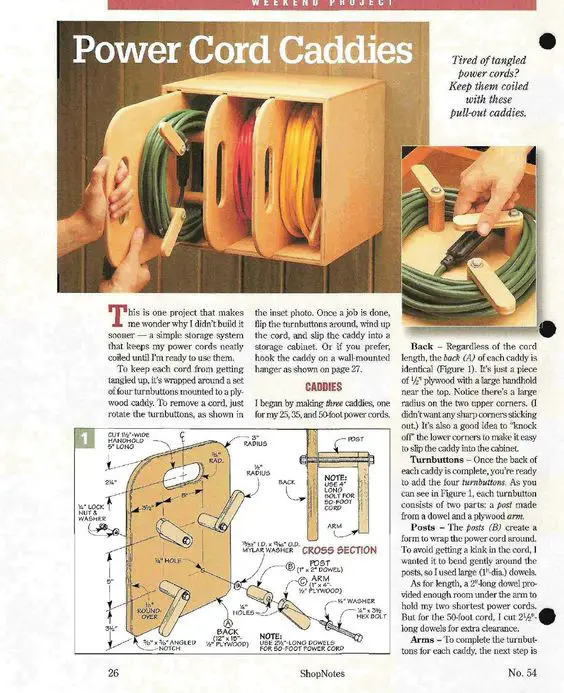
power cord caddie

Power and extension cords always land up in a tangled mess on a shelf and it becomes a mission to use any of them. Make sure your cords are always ready and available for use with this power cord caddie.

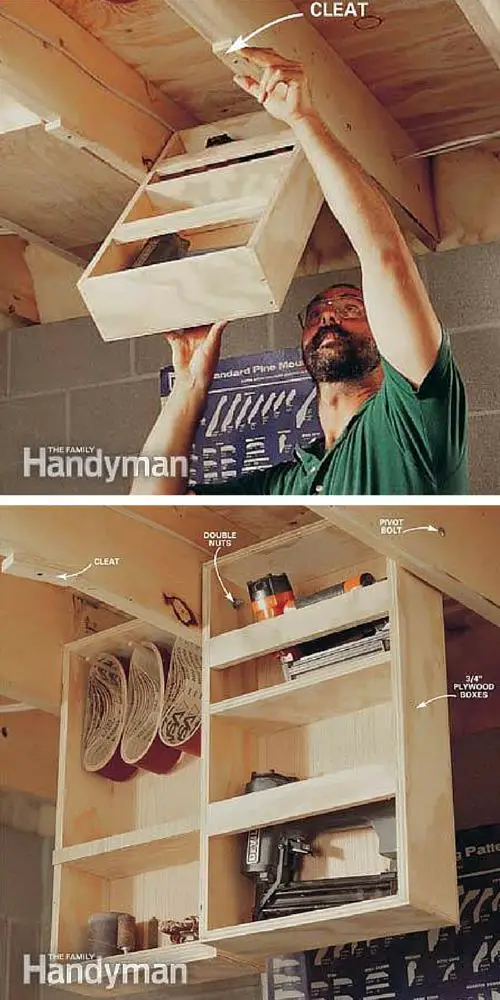
workshop storage

If you are constrained to a small workshop, then maximising the available space is important to allow you to take on big projects. Work areas and cupboards quickly get cluttered with items that are hardly ever used. Make these convenient swing down storage boxes to make the most of your ceiling space and free up work surfaces and cupboards.

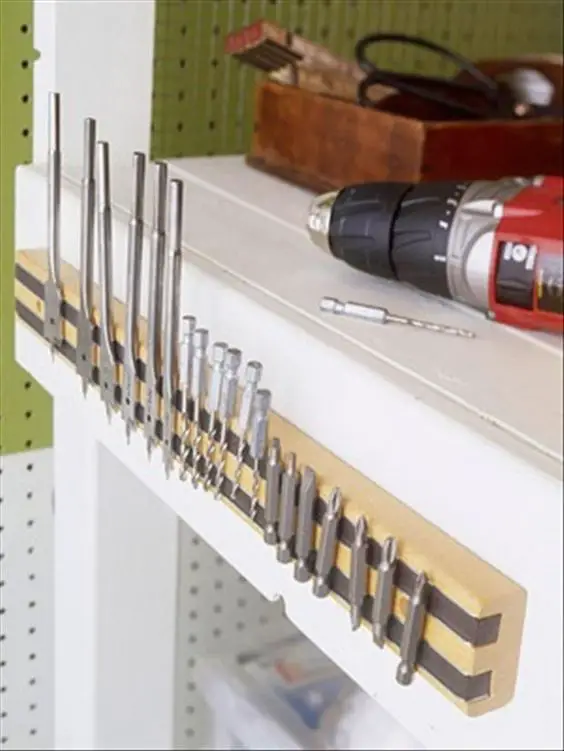
magnet strips

Magnet strips provide an easy storage location for drill and screw driver bits. Attach magnet strips underneath your cupboards or a shelf to hanging mason jars by their lid. These can then be used to store nails, screws, wall plugs and any other loose bits and pieces you have lying around which may come in handy.

Keep Your Vehicle Running Smoothly

Performing regular maintenance on your vehicle keeps it in good condition, saves you loads of money in the long run and also prevents breakdowns. There is quite a lot that the average DIY fan can do to keep their vehicle in the best running condition. Remember that eventually things will start to break on your vehicle but it is almost always cheaper to replace parts than to replace the entire vehicle. Be sure to look for any parts you may need at PMJ International.

When your vehicle is new, you should always follow the supplied service schedule. Most modern new vehicles are supplied with a 3 to 5 year maintenance plan which requires the vehicle to be brought in for a full service after a certain distance has been driven or every year. Be sure to follow these plans meticulously or the dealer will impose penalties on your plan or void it all together.

When your vehicle is outside of its warranty period and you are tasked with maintaining it yourself, it is still a good idea to have the car looked at by a professional service centre periodically as they will be able to open the engine up and inspect the hard to reach components, gaskets and seals. One of the best investments you can make when you are maintaining your own car outside of a factory warranty is a service manual. These books offer you valuable advice and step by step instructions on maintaining and replacing components specific to your vehicle model.

Here is a list of the things you should take care of periodically to keep your vehicle running smoothly.

Check the Fluid Levels
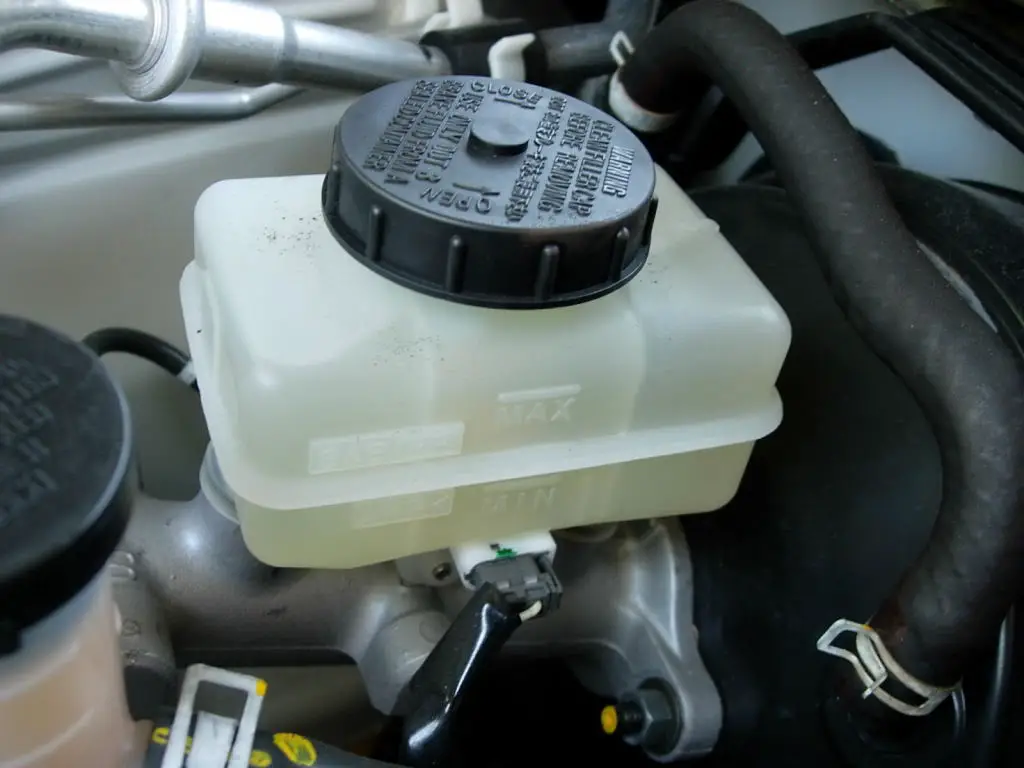
check fluid levels

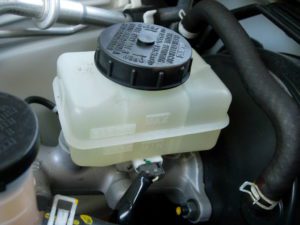
All of the fluid levels should be checked on a monthly basis. These include the power steering, brake fluid, coolant/antifreeze, windscreen washer fluid and transmission fluid reservoirs. All of these fluids, with the exception of the windscreen washer fluid, play a vital role in the operation of the car and may compromise the safety of the passengers or cause costly damage to the engine if they run dry.

Replace the Air Filter
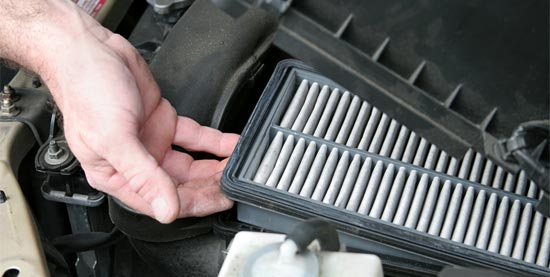
replace air filter

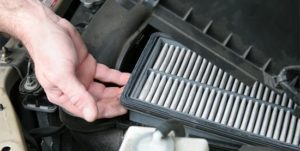
The air filter prevents dirt and dust from entering your car’s engine. If you live in a rural location or drive on dirt roads frequently then it is important to replace your air filter every six months to a year. A fresh air filter improves engine performance by not restricting the airflow and ensures that your engine is getting a clean supply of air. A broken air filter could allow dirt particles to enter the engine and clog the injectors which will be costly to repair.

Check Your Tyre Pressure

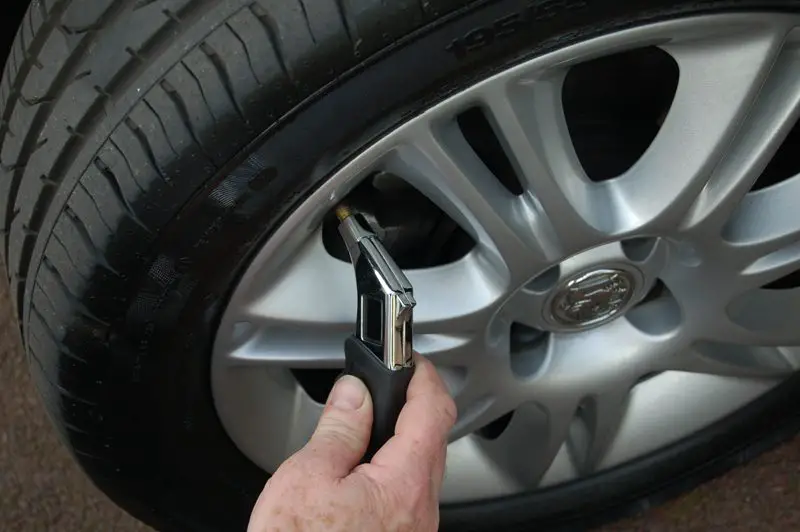
check tyre pressure

Your vehicles traction, fuel consumption and stability are affected by the air pressure in the tyres. Over inflation is often as bad an under inflation. As a general rule of thumb you should check your vehicles tyre pressure at least once a month and ensure that the pressure is in line with the manufacturer’s recommendation. This is usually found in the handbook or inside the door of the vehicle and can be done when you refuel or with a handheld tyre pressure gauge.

Rotate Your Tyres

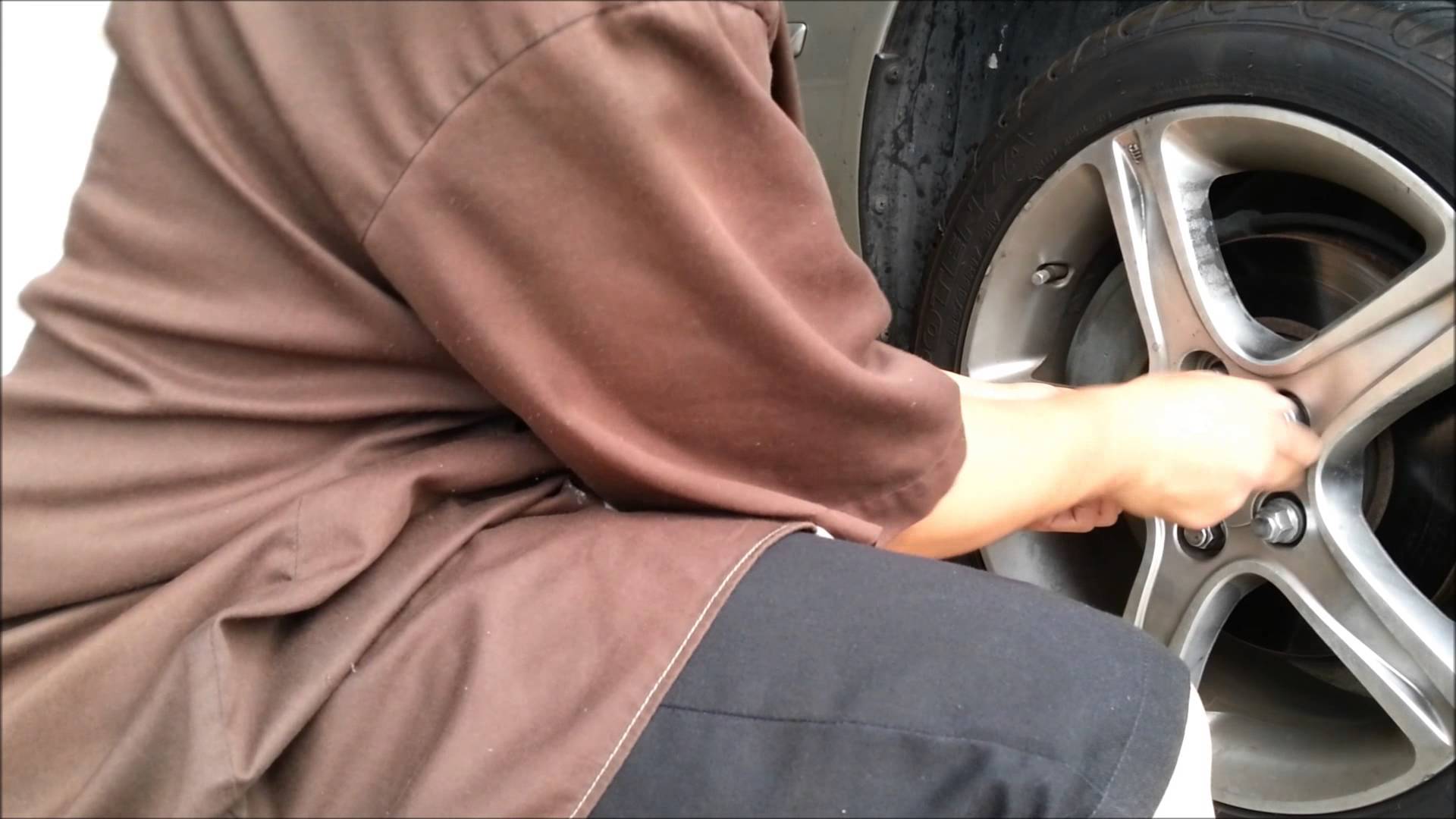
tyre rotation

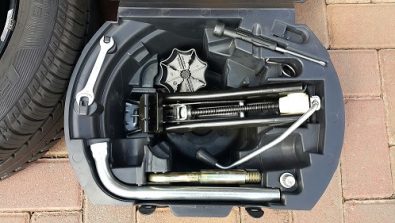
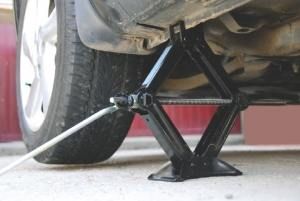
Your vehicle’s tyres never wear evenly, whether your vehicle is front or rear wheel drive, how the vehicle is loaded, the tyre pressure and wheel alignment all affect how the tyres wear on the road. Rotate you tyres regularly for your safety and to ensure that you get the maximum life out of each set. This can be done easily at home with the tool kit supplied with your vehicle or with your own workshop jack and wheel spanner. Jack stands are essential to keep the vehicle elevated while you swap two tyres around. Alternately most tyre dealerships offer a tyre rotation service relatively cheaply and will offer advice on worn out or damaged tyres.  Tyre should be rotated once every six months to get the maximum life out of them.

Serpentine Belt
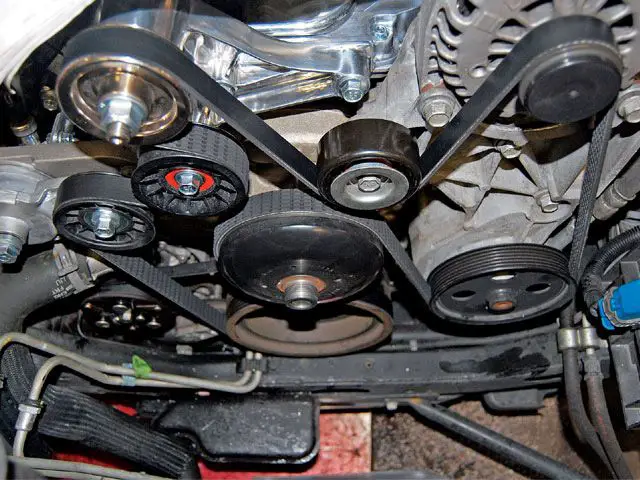
serpentine belt

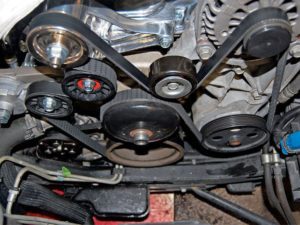
The serpentine belt keeps all of your vehicles auxiliaries running such as the alternator, air conditioner, power steering etc. The rubber in the belt perishes with time and should be periodically replaced. Small cracks in the surface of the belt around pulleys should be visible when the belt is perishing. Replace your belts every two to three years to keep them strong and flexible.

Replace Spark Plug Leads
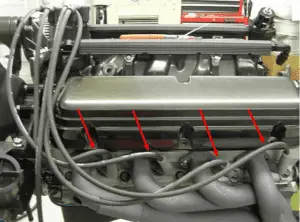
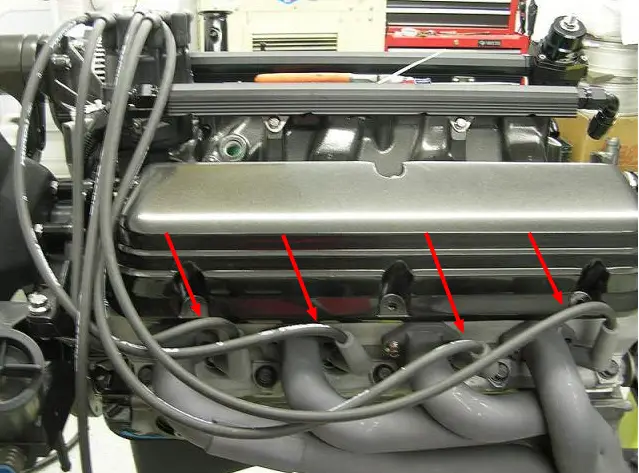
spark plug leads

The continuous vibration and movement of the engine eventually causes the spark plug leads to fatigue and break down causing misfiring. It is a good idea to replace them every five years and usually only involves unplugging the two ends of each of the old ones and replacing them with new ones.

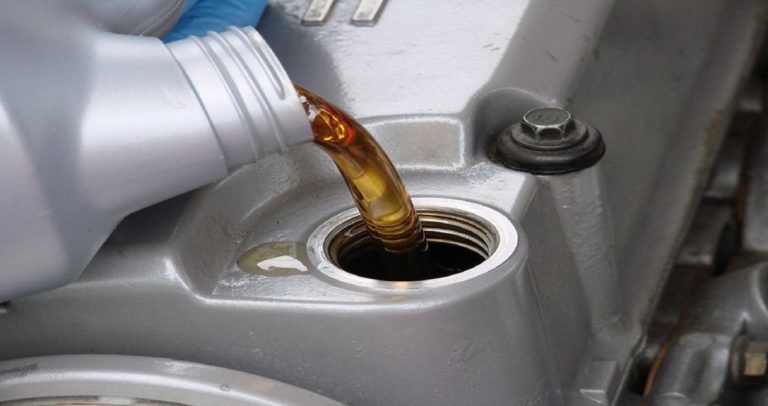
Change Your Oil

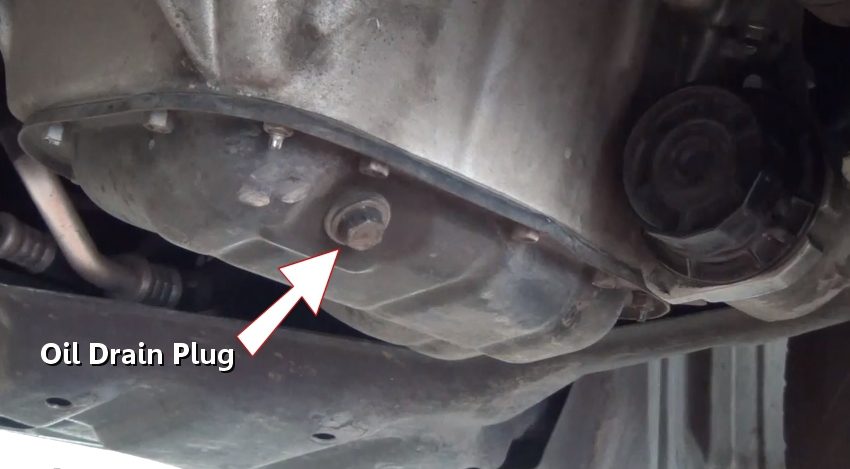
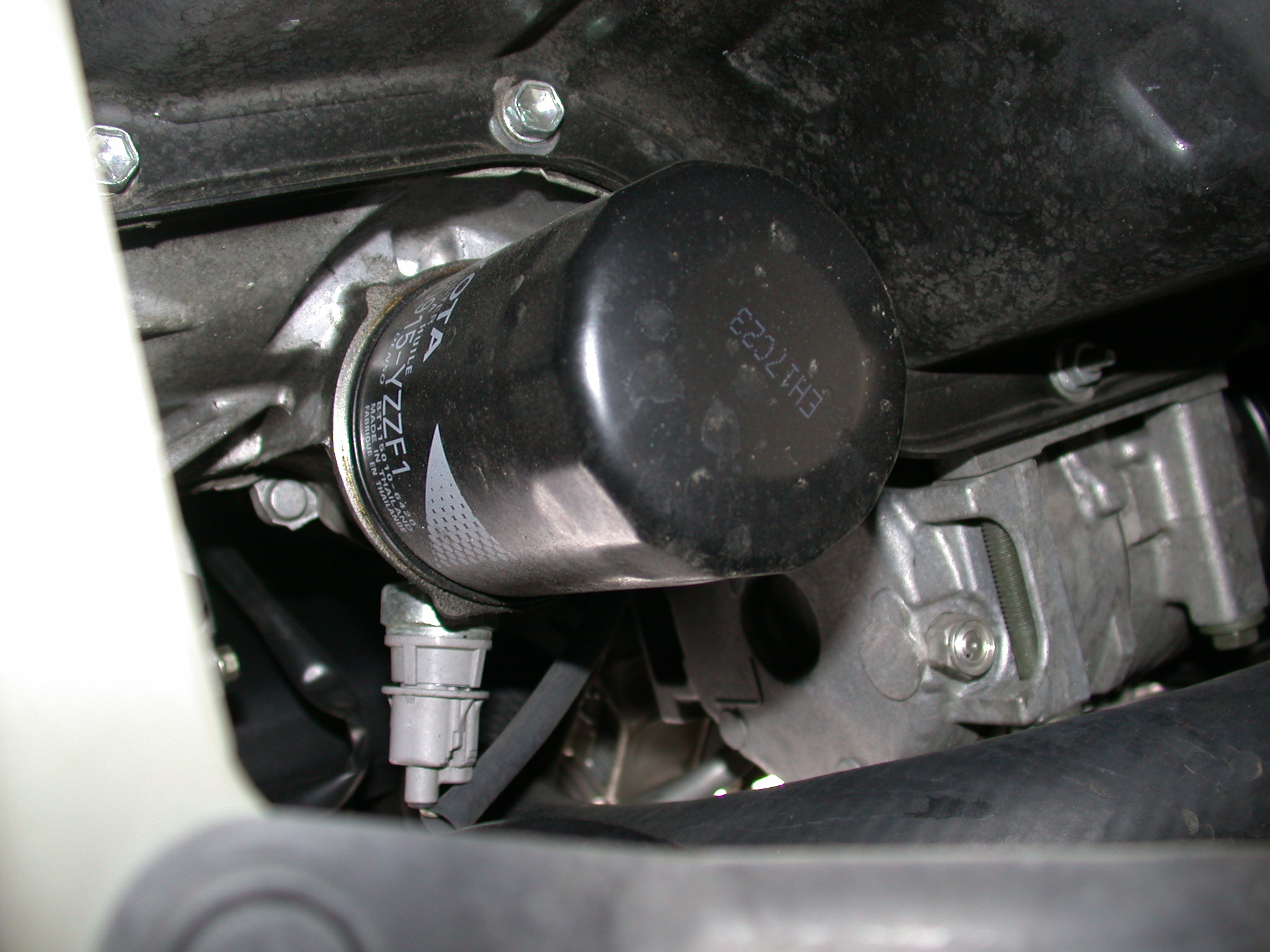
oil change

Changing your vehicles oil can be slightly messy but is one of the most effective maintenance tips. A good quality lubricant protects your engine components from wear. While you are changing the oil, be sure to change the oil filter as well, a good quality filter removes suspended particles form the oil and prevents them from damaging the engine components. The oil should be replaced annually or roughly every 15000 kilometres (5500 miles).

Flush Your Coolant

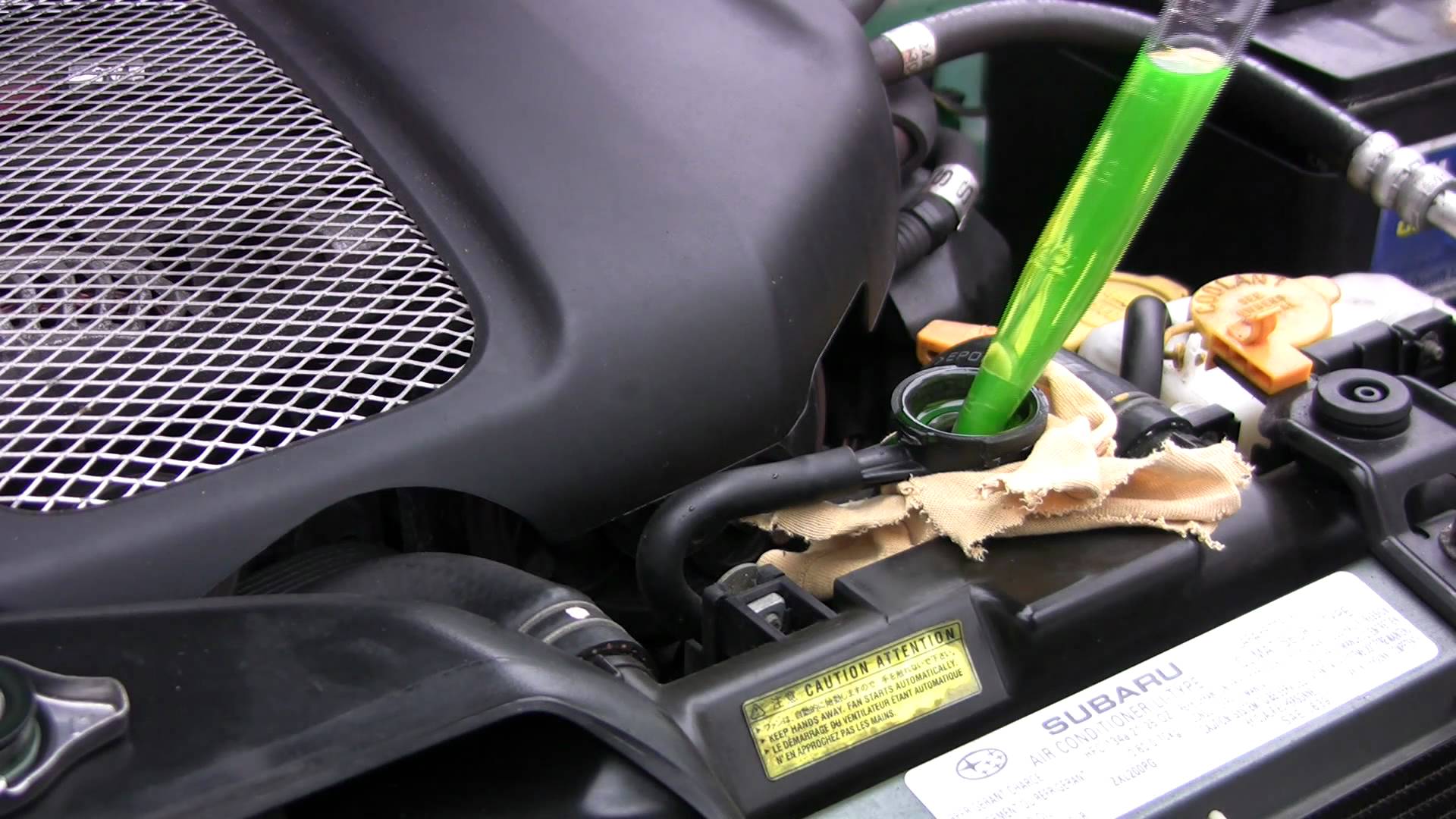
coolant flush

Over time, your vehicles coolant system becomes contaminated with particles and corrosion. If not cleaned out, these particles can get trapped in the radiator, pump or thermostat which reduces the efficiency of the cooling system and may result in overheating. The coolant system should be flushed out and replaced with clean coolant every year.

Listen For Strange Noises

brake noises

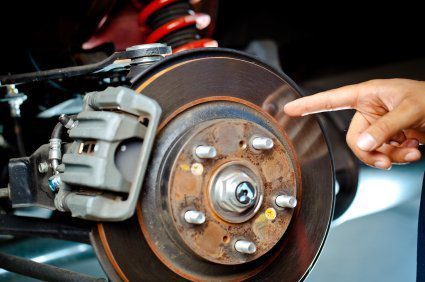
Once a month, turn the radio and air conditioner off for a few minutes and listen out for any unusual noises both while the engine is idling and while driving. Some common sounds include metallic noises when braking which indicates worn out brake pads, a ticking noise while moving which could be a nail stuck in a tyre, a scrapping noise may indicate that something is hanging off the vehicle and making contact with the road. It is always best to detect and fix problems early before they become a costly repair.


Which Lubricant To Use

In the past there was a choice between grease and oil, however, nowadays there is a whole aisle at the hardware store dedicated to lubricants, there are greases, oils, spray oils, lubrication sprays and finally, application specific lubricants. While a general purpose lubricant may get the job done temporarily, it is almost always better to use an application specific lubricant to provide better wear resistance and longer lasting performance. Use this guide to assist you in selecting your next lubricant. Download and print our free workshop lubrication pinup shown at the bottom of this post as a handy guide to the applications, advantages and disadvantages of each lubricant.

It is important to remember that fresh lubricant only works well if it is free from dirt and contaminants. Use a brush or rag and a liquid or spray on solvent to clean the part before applying the new lubricant.

All Purpose Spray

all purpose oil spray

All-purpose spray is designed to perform a range of functions all to some degree of success. It primarily lubricates light duty joints and sliders and dissolves light rust. It is designed for use on wood, metal and some plastics and because it is a light oil it acts quickly and flows into tight joints. Its main disadvantage is that it doesn’t last very long, because it is designed to be a thin penetrating oil, it is expelled from the joint quickly and it collects dirt and dust.


Silicone Spray

silicone spraySilicone spray is increasing in popularity as it works well as a sliding lubricant for metal, wood, rubber and plastic. Silicone spray also repels water and is therefore often used to push water out of electrical components.  Like with most oil based lubricants, dust and dirt particles stick to it and therefore the spray does not do well in dirty environments although a “dry” spray silicone lubricant is also available for these applications. The downside of silicone lubricant is that it is extremely difficult to get off of anything after it has been sprayed on. It easily contaminates walls and floors and makes the surfaces unpaintable in future.


Penetrating Oil Spray

penetrating oil sprayRust penetrating oil is perfect for loosening rust locked nuts and bolts. The oil is a low viscosity thin lubricating oil which easily runs into cracks and tiny gaps, it also usually contains a solvent which works to break down the rust. Penetrating oil spray should only be used to loosen stuck joints, once they are loose, if they need to be kept lubricated then silicone lubrication spray should be used as penetrating oil does a poor job of keeping things lubricated because it is so thin.


Chain Lube

chain lubeAs the name suggests, chain lube is specifically designed for lubricating roller chains such as those on motorcycles, scooters, quad bikes and bicycles although it also works well on automatic garage door openers and garage door wheels. The lubrication works its way into the rollers and is thick enough to not come off when the chain is in motion. The lubricant should only be applied to a clean and dirt free chain so be sure to clean the chain first with a paint brush and a cup of solvent.


Garage Door Spray

garage door sprayLike chain lube, garage door lubricant is designed to penetrate deep into the rollers, wheels and hinges to provide long lasting lubrication. The additional benefit is that the lubricant is designed to dry up to a non-sticky finish which reduces dust and dirt build up and resists rust.


PTFE Dry Spray

ptfe dry sprayPTFE dry spray is a spray on lubricant which dries out to leave a thin PTFE based film which lubricates well but doesn’t collect dust. Because it forms a thin film, it is not particularly hard wearing  and is therefore only suitable for light applications. It is ideal for parts subjected to light loads in dusty environments.


Synthetic Grease

synthetic greaseSynthetic grease is the best lubricant for more industrial applications and joints, gears, bearings or axles which are subjected to heavy loads. Synthetic grease has better lubrication properties than petroleum based grease and has a longer life as it resists thermal breakdown and shear. Unfortunately, grease is sticky and collects dust and dirt so the lubricated joint or part should be kept clean as far as possible.


Lithium Grease

lithium greaseLithium grease, like synthetic grease is better suited for high load axles, gears and bearings and provides good lubrication to medium load power tools and garden equipment. It provides some benfit over synthetic grease for this purpose in that it often comes in an aerosol spray form where a solvent assists in penetrating the joint and then dries off leaving the grease behind.


Marine Grease

marine greaseMarine grease is similar to synthetic grease however it is water resistant and contains a rust inhibiter to prevent metal parts from fusing together due to rust build up. Marine grease is the best choice for items which are continuously submerged in water or exposed to the elements.


Download and print our free lubrication pinup below to put up in your workshop as a handy guide to the applications, advantages and disadvantages of each lubricant.

lubricant printable thumbnail


Which Lubricant To Use Printable


What is your experience when working with lubricants? Please share your thoughts, tips and favorite products with us in the comments section, we would love to hear from you.

Traditional Tomato Bredie

A South African classic made with ripe tomatoes, a rich and hearty bredie is perfect for a winter dinner. Serve with rice and a crispy fresh baked bread.

Makes 8 servings. Preparation Time 30 mins, Cooking Time About 12 Hours (In A Crock Pot)

You Will Need:

  • 1kg (35oz) Lamb Neck (Cut For Stewing)
  • 5 Large Potatoes
  • 2 Large Onions
  • 3kg (100oz) Tomatos (The riper the better)
  • 2 Beef Stock Cubes (Or 1 litre Liquid Stock)
  • 15 Cloves
  • 2 Bay Leaves
  • 8 Peppercorns
  • 1 Tbsp Salt
  • 1Tbsp Olive Oil (Or Vegetable Oil)

Peel and finely chop the onions. Fry the onions in the olive oil over a high heat until golden brown then place in a single layer at the bottom of the crock pot (slow cooker). Now brown the lamb in the same pot, fry over a high heat until the edges are sealed, place the lamb in the crock pot in a second layer above the onion. Finally pour one litre (34 fl oz) of water and the two stock cubes into the pot used to fry the lamb and bring to the boil. You do this in the same pot so that some of the flavour from the lamb is lifted into the stock. If you are using liquid stock then do not add additional water. Pour the stock over the lamb and onion layer, drop the pepper corns in around the lamb and sprinkle over the salt. Set the crock pot on auto (medium) and leave for 6 hours or overnight to cook.

Peel and chop the potatoes into large chunks (quarters or eighths). Peel the tomatoes, remove the stems and slice them in half. After the lamb has cooked for 6 hours, stir the mixture and then add the remaining ingredients. Add a layer of the potatoes first, sprinkle the cloves and bay leaves and finally the tomatoes on the top. Cook on auto (medium) for an additional 6 hours until the tomatoes fall apart.

If the bredie is too runny and needs to be thickened, mix a few tablespoons of cornflour in cold water and mix it into the bredie well. Cook on high for a further five minutes until thick.

Serve with fluffy white rice and a freshly baked bread.

Make Your Own Soy Candles

Soy candles have a few benefits over paraffin wax candles, one being that they burn longer than other types of wax. Store bought candles can be quite expensive so why not make your own? They are easy to make, they can be fragranced or colored to your preference and they make the perfect gift. Soy wax turns into an oil when it is warmed which can be used as an aromatic massage oil.

Things You Will Need:

  • Glass Jars For Completed Candles
  • Soy Wax (500g Will Make About 3 Candles)
  • Essential Oil (To Fragrance)
  • Candle Wicks (Braided String Soaked In Wax)
  • Kebab Sticks
  • Sticky Tape
  • Old Pot or Tin For Melting Wax

wick jars

First start by preparing the wicks in the jars. Use the tape to stick a small tab of the wick to the bottom of the jar, this will keep it in place while you pour in the wax. Ensure that the wick is vertical and centered before tying it off on a kebab stick placed over the top of the jar. The kebab stick will keep the wick vertical and centered when the warm wax is added.

melting wax

Once you have the jars prepared you can being melting the wax. Break the wax into smaller chucks or shavings and heat it in a double boiler over the stove, this should take about 15 minutes. A double boiler is simply a smaller metal boil or jug placed into a pot of boiling water, this ensures that the wax is never in direct contact with the heat of the stove and can’t burn.

Once the wax is completely melted, you may add the essential oil, add 5 to 10ml depending on the strength of the oil. Here are some commonly used oils, all of which are on our free Soy Candle Printable: Cinnamon, Orange, Lemon, Peppermint, Palmarosa, Lavender, Rosewood, Ylang Ylang & Citronella.

To colour the wax simply add a wax crayon (with the paper label removed) to the melting pot and stir it in with the soy wax.

wax poured

Now pour the melted wax into the jars. Fill the jars to about 3cm from the top and then allow them to harden. The wax should be fully hardened in about 8 hours. Once the wax has hardened, trim the wicks with a sharp scissors to 1cm from the surface of the wax. Decorate the jar with a ribbon or your own custom label.

What are your experiences with this project? Please share your comments, tips and advice with us in the comments section below, we would love to hear from you.

Drill Holes In Tiles

When installing new fittings, mirrors, lights or pipes in the kitchen or bathroom, there often is a need to drill holes through tiles. Special care and the correct equipment needs to be used to drill through tiles so that you do not crack them.

What you will need:

  • Electric Drill or Combination Driver (Hammer Action Turned Off)
  • Glass Drill Bit or Diamond Tip Hole Saw
  • Masking Tape (For Glass Drill Bit)

bosch pipe finder

When drilling into the walls in bathrooms and kitchens, it is always a good idea to know what you may be drilling into. There is a multitude of electrical lines, water supply pipes and water drain pipes running vertically and horizontally in the walls. It is best to use an electronic detector to look for electrical conduit and metal pipework running in the walls to avoid an expensive repair.
Secondly you need to check whether the tile has been laid correctly. Often wall tiles are laid incorrectly on an inadequate bed of adhesive or they are only laid with dollops of adhesive in the corners. Tap around on the tile you are going to be drilling into. If there is a hollow sound anywhere, this indicates that there is no adhesive behind the tile in this area and it is not advisable to drill through the tile as it will most likely crack. If you have no option but to drill through the tile then do so with very little pressure on the drill bit, any excessive stress on a badly laid tile will cause it to crack.

Lastly you need to choose the correct type and size drill bit. Glass and tile drill bits usually come in sizes from 2mm up to 10mm (1/8″ to 1/2″) but rarely larger than this. For larger holes such as a hole for a copper pipe, you will need to use a diamond tip hole saw which usually come in sizes from 4mm to 50mm (1/4″ to 2 1/2″). For additional drill bit types, see this guide.

Drilling Using Tile Drill Bits

When using a tile drill bit, place a piece of masking tape in the area you are going to be drilling and then mark the point on the masking tape. The marking tape helps to keep the drill bit from wandering when you start drilling. Begin drilling on a low speed until the bit has broken through the glaze. Once the drill bit is through the glaze you can drill through the ceramic base at a higher speed. Once through the ceramic base, you may need to switch drill bits to a masonry bit of a size smaller than the hole through the tile to drill through brick and cement walls for a masonry wall plug installation. Here is a guide to installing screws in a masonry wall to complete your installation of a bathroom fitting, mirror or shelf.

Drilling Using A Hole Saw

When using a diamond tipped hole saw, mark the tile where you are going to be drilling. With the drill on a high speed, angle the diamond tip bit so that the bottom section of the drill bit surface touches the tile first. Hold the drill firmly and apply pressure until the hole saw begins to cut away the glazing. Now straighten the drill and continue drilling into the tile at a high speed. If you have thick ceramic tiles, it may be necessary to lubricate the drill bit in contact with the tile with water as you drill. This is easiest to do with water in a spray bottle. Spray directly into the contact area while you drill to keep the bit cool and from binding. Once you have drilled through the ceramic of the tile, pull the hole saw out of the hole and the cut out tile disk should come free. You may now need to switch to a masonry drill bit of a slightly smaller size than the hole through the tile to drill through the remainder of the brick or cement in the wall for the pipe.

Use a homemade dust collection bag under your drill bit, as shown here in order to limit the amount of cleaning up you have to do afterwards. Clean up the ceramic dust with a damp cloth, be careful as there may be sharp broken shards of tile glaze in the dust. It is advisable to wear suitable eye protection when drilling into any glass or glazed surface.

Installing Crown Molding

Installing crown molding or cornicing  is an easy an inexpensive way to drastically improve the appearance of a room and add value to your home. This is the perfect weekend project to upgrade a plain room into an elegant living space. Modern polystyrene molding is cheap, light and can simply be glued in place with molding adhesive or contractor’s acrylic. Alternatively, wood or plaster crown molding is also easy to install although it is a little heavier and usually requires nailing to install.

What You Will Need

  • Crown Molding or Cornicing (10% More Than The Perimeter You Need To Cover)
  • Molding Adhesive (1 Canister Usually Does About 10m)
  • Caulking Gun
  • Mitre Box
  • Craft Knife
  • White Acrylic Paint
  • Paint Brush

polystyrene cornicing

Start in a corner of the longest length of the room so that you get some practice installing the easier straight sections first. Cut the molding to fit the corner as per the instructions below. Now apply a continuous bead of adhesive to the top and bottom flat faces of the inside of the molding. Align the molding to the ceiling and wall joint and gently press it into place starting at the corner end and working your way across. Continue adhering straight sections one against the other until the next corner is reached.

corner cuts

The corners are the only tricky part and it is mainly due to the cutting angle. Fortunately, there is an easy way to beat frustration and get perfect corners every time. To cut molding for an inside or outside corner, the technique is similar. Place the molding in a mitre box with the wall side flat edge on the side of the box as it would be installed on the wall. Cut along the 45° angle line straight down. Polystyrene molding can be cut with a hand hacksaw, hot wire cutter or with a sharp craft knife. For wood molding, use an electric mitre saw or handheld mitre saw.

outside corner

For an inside corner, the top part of the molding will be the shorter side and for an outside corner, the bottom part of the molding will be the shorter side.

covering cables

Crown molding is also an ideal way to conceal cables. Run cables along the ceiling edge before installing the molding to hide them.

Once the trim is in place and the corners are complete, you will need to fill in any gaps with acrylic or crack filler. If you are using crack filler then slightly overfill the gaps so that when the filler is dry they can be sanded down to size. Allow the acrylic or crack filler to dry and then sand it down to a neat finish.

before and after

Once you have filled and sanded all of the gaps, the molding needs to be painted. Molding is usually painted white to match the ceiling but can also be painted to match the baseboards or as an accent. Paint the molding with a water based, solvent free paint which is polystyrene friendly. Spray paints and solvent based paints will eat into the polystyrene and damage the surface finished. Allow the first coat to dry and apply a second coat to get an even finish.

What are your experiences with this project? Please share your comments, tips and advice with us in the comments section below, we would love to hear from you.