
Home Blog Page 62

Recondition a Lead Acid Battery, Don’t Buy A New One

Lead acid batteries often die due to an accumulation of lead sulphate crystals on the plates inside the battery, fortunately, you can recondition your battery at home using inexpensive ingredients.

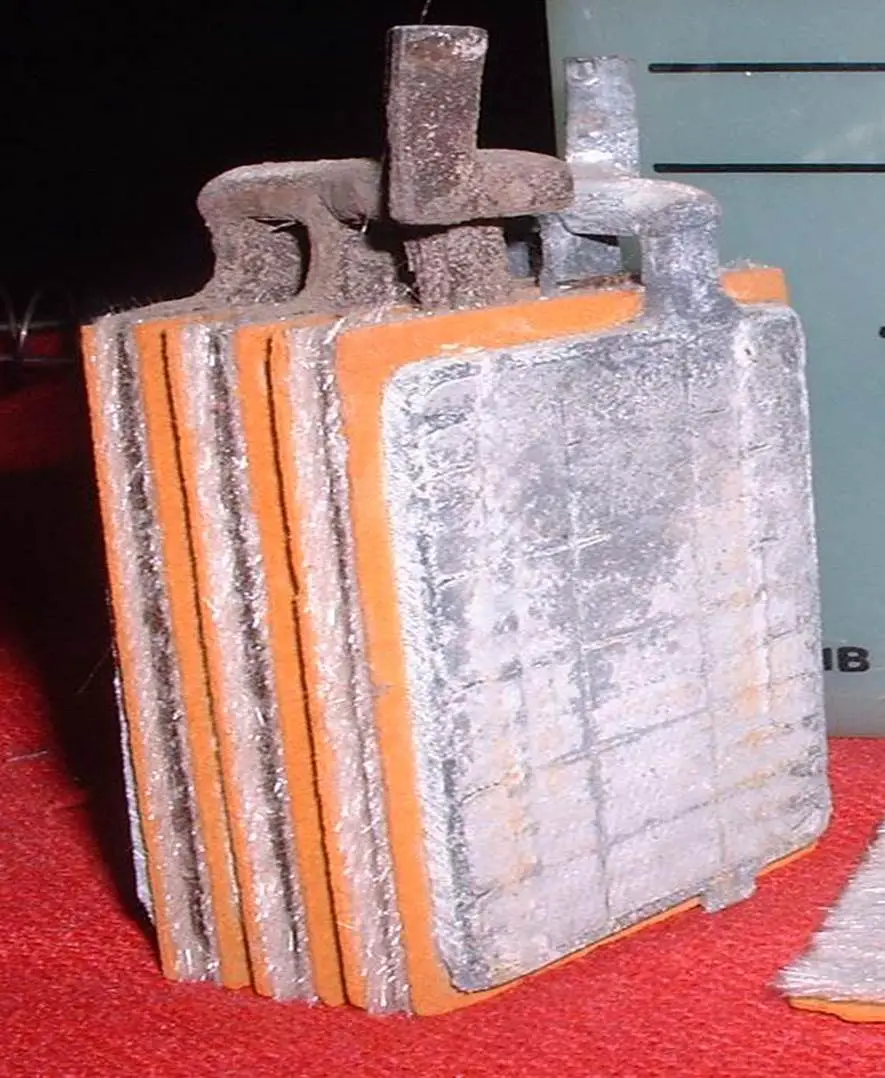
A battery is effectively a small chemical plant which stores energy in its plates. They are chemically charged with an electrolyte which is a mixture of distilled water and sulphuric acid. When the battery is discharged, the lead active material on the positive plates reacts with the sulphuric acid and produces lead sulphate. When the battery is charged, this process is reversed and the lead sulphate crystals react to form sulphuric acid again. The battery fails when there is an excess build up of lead sulphate crystals which then do not allow sulphuric acid to make contact with sections of the plate. These crystals harden and eventually cause a chemical imbalance in the electrolyte.

crystals on battery plate

In most cases, hardened crystals can be removed using a solution of magnesium sulphate. This method doesn’t restore a battery back to original condition but it will restore it to around 70-80% of its original capacity and can be repeated, allowing you to get a few more years of use out of your battery without having to replace it.

What You Will Need To Recondition Your Battery

  • The Damaged Battery
  • 400ml (12oz) Distilled Water – Buy Here
  • 200g (7oz) Epsom Salts (magnesium sulphate) – Buy Here
  • A Syringe or Dropper – Buy Here
  • A Battery Charger – Buy Here

How To Recondition Your Battery

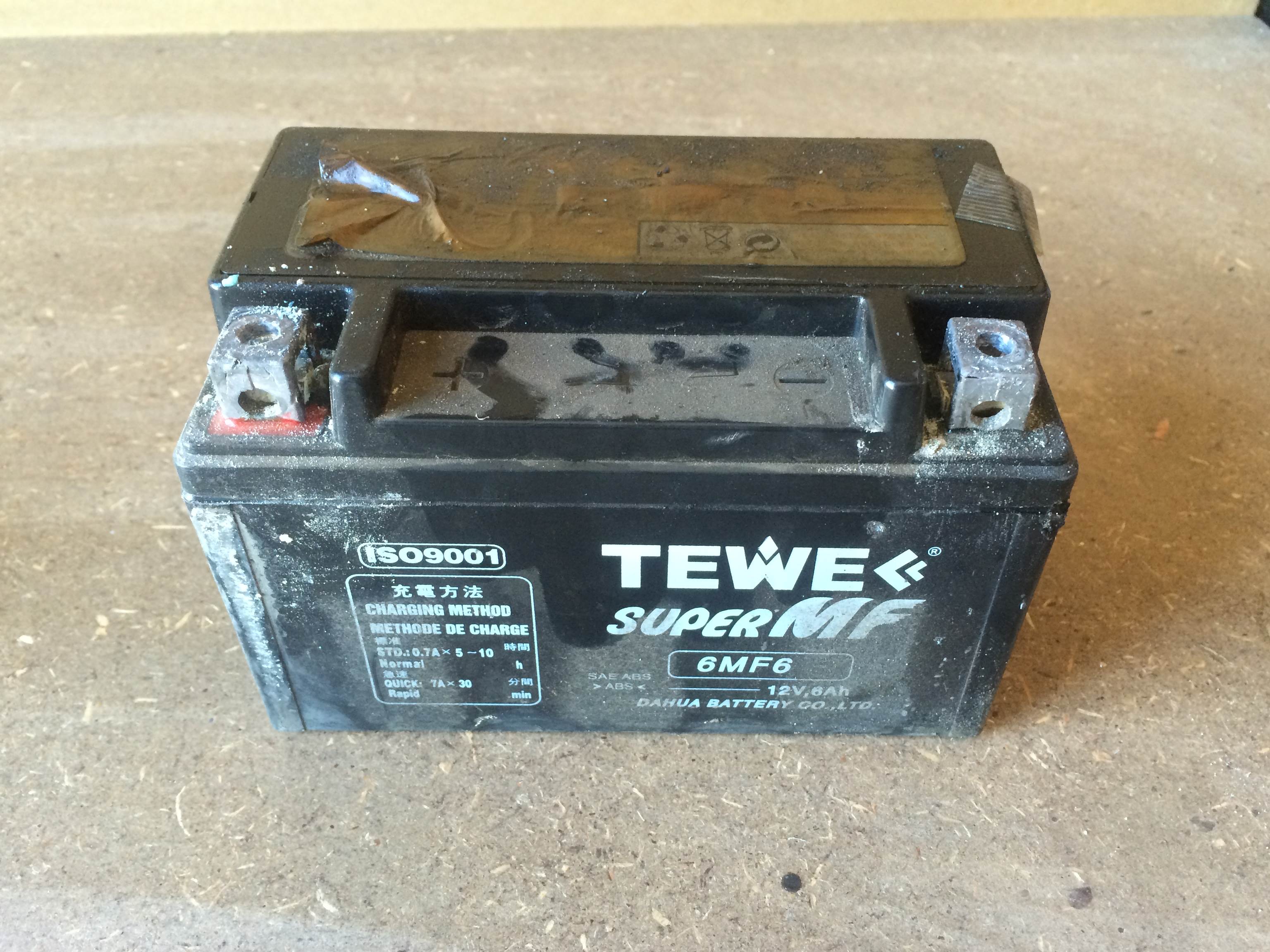
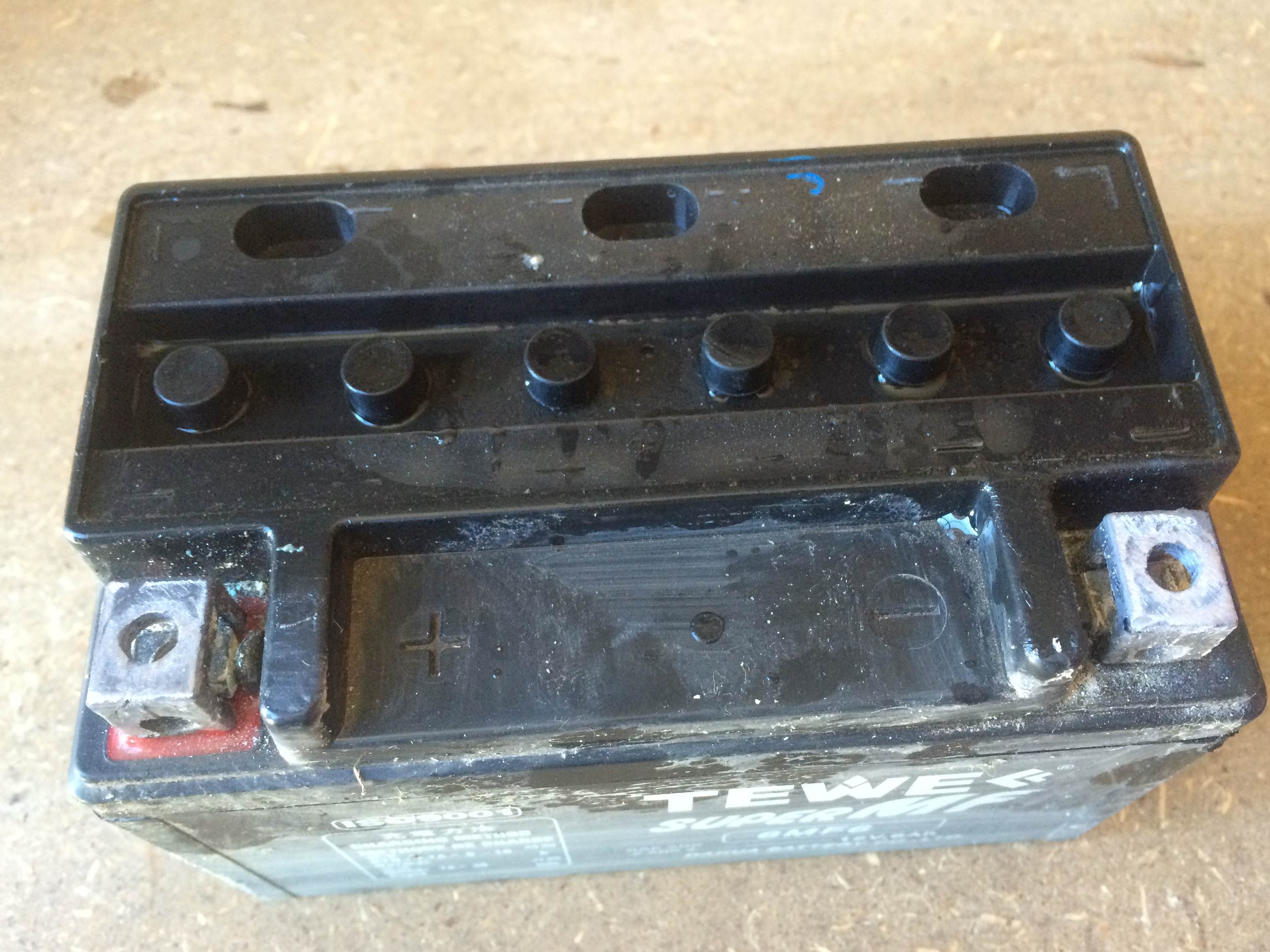
battery before

Take the battery out of the vehicle, motorbike or scooter and put it onto a solid work bench.

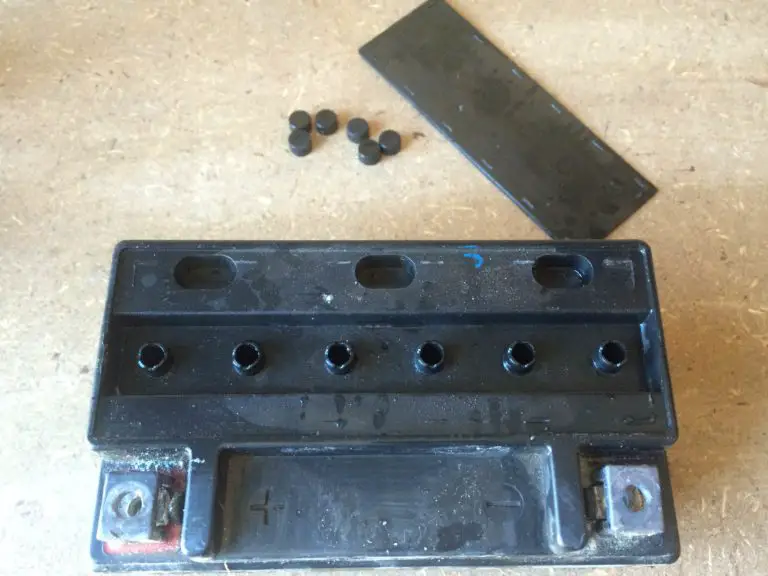
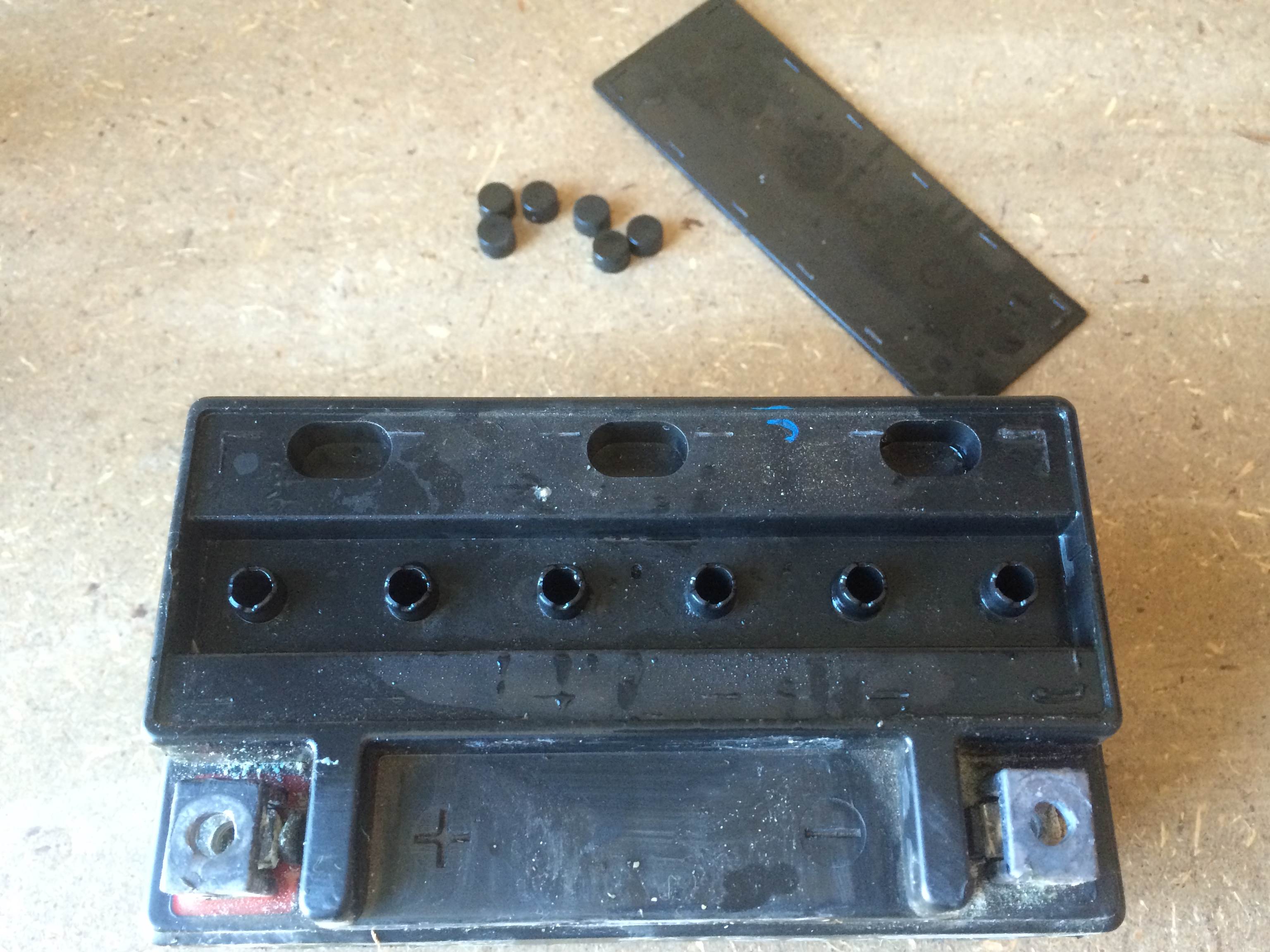
battery opened

Some battery’s cells are clearly visible on top of the battery and are sealed with screw in caps. Others, like mine, are protected by a “sealing” strip. You may need to cut the edges of this strip to get it loose but it is almost always removable. Look for the edge of this strip and try to pry it up using a flat screw driver, if it is glued into place, try to cut around the edges of the strip using a sharp craft knife.

Once this has been removed, you will also need to take the caps off each of the individual cells in order to get to the battery acid. Some batteries have small rubber caps like these, others (typically on larger batteries) have screw in plugs which can be removed with a large screwdriver, they’re not usually very tight.

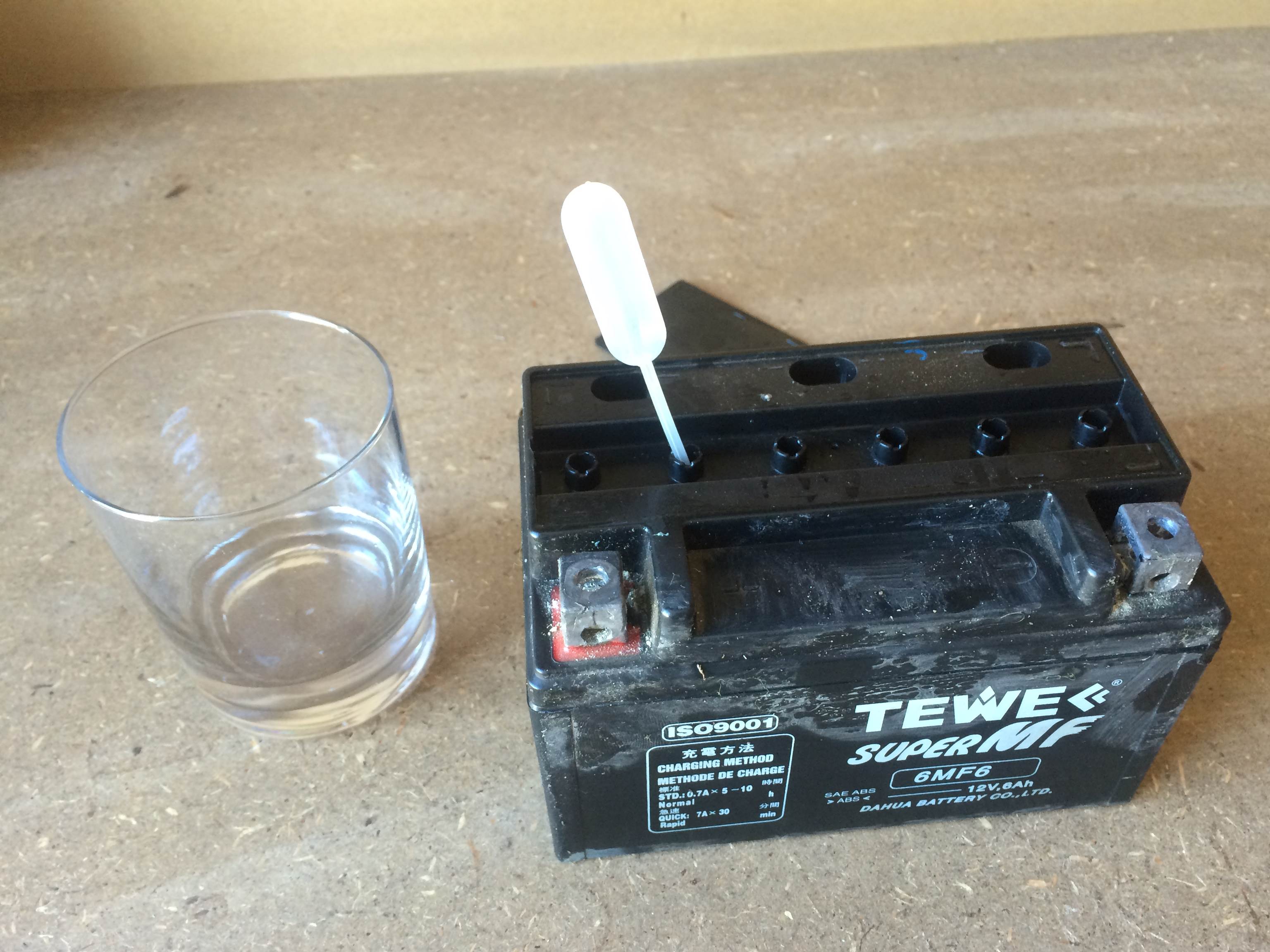
battery removing water

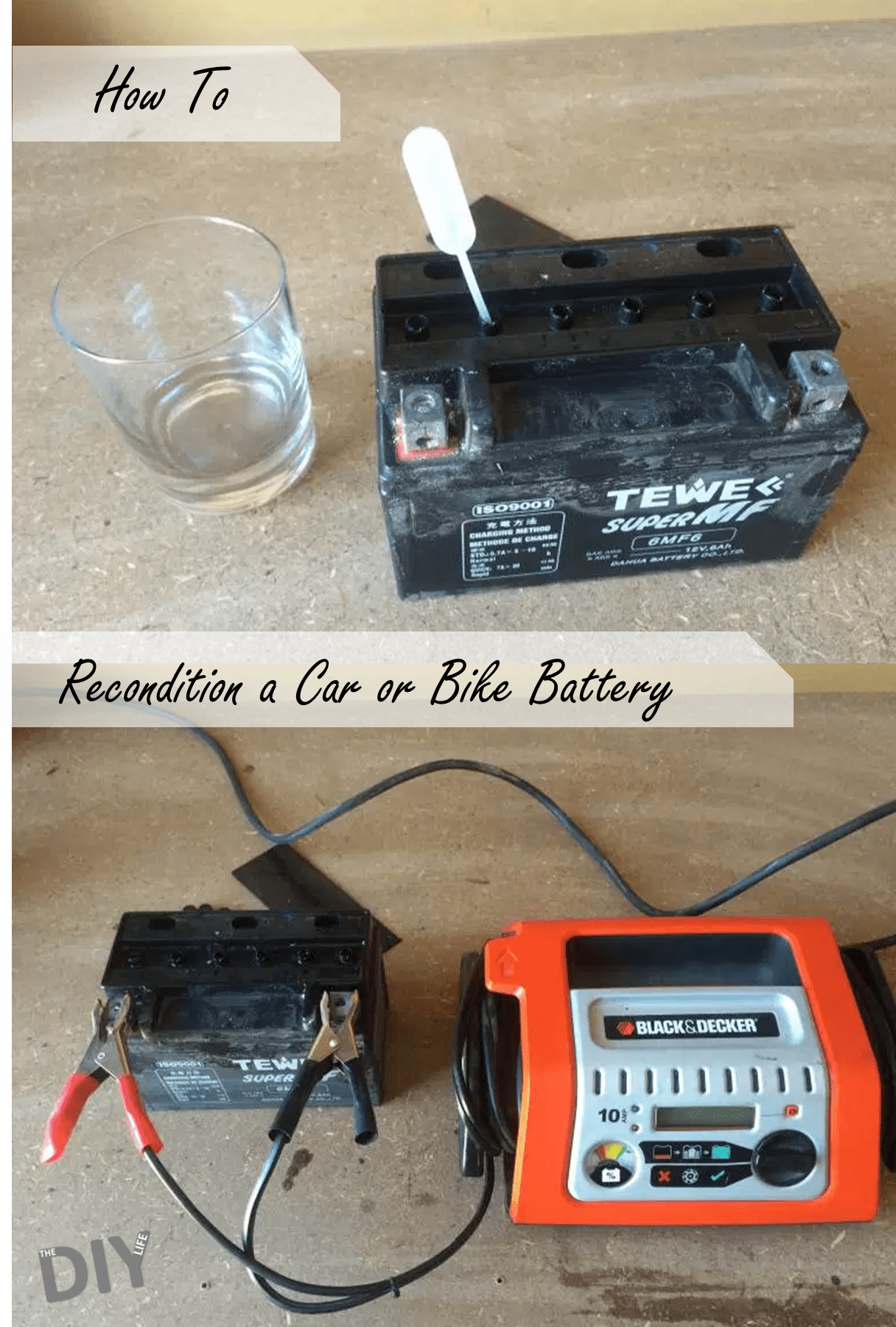
Using a syringe or dropper, carefully drain each cell one by one until they are all around 50-60% full, if some cells are already lower than this then exchange some acid from the fuller cells. You don’t want to take too much out as you will then struggle to charge the battery again. The liquid you are removing is a strong acid so put it into a glass container and be careful not to mess any of it on your hands or clothing.

Make sure that you dispose of the removed battery acid in a safe and responsible manner. The removed battery acid is extremely corrosive and contains heavy metals, mainly lead.

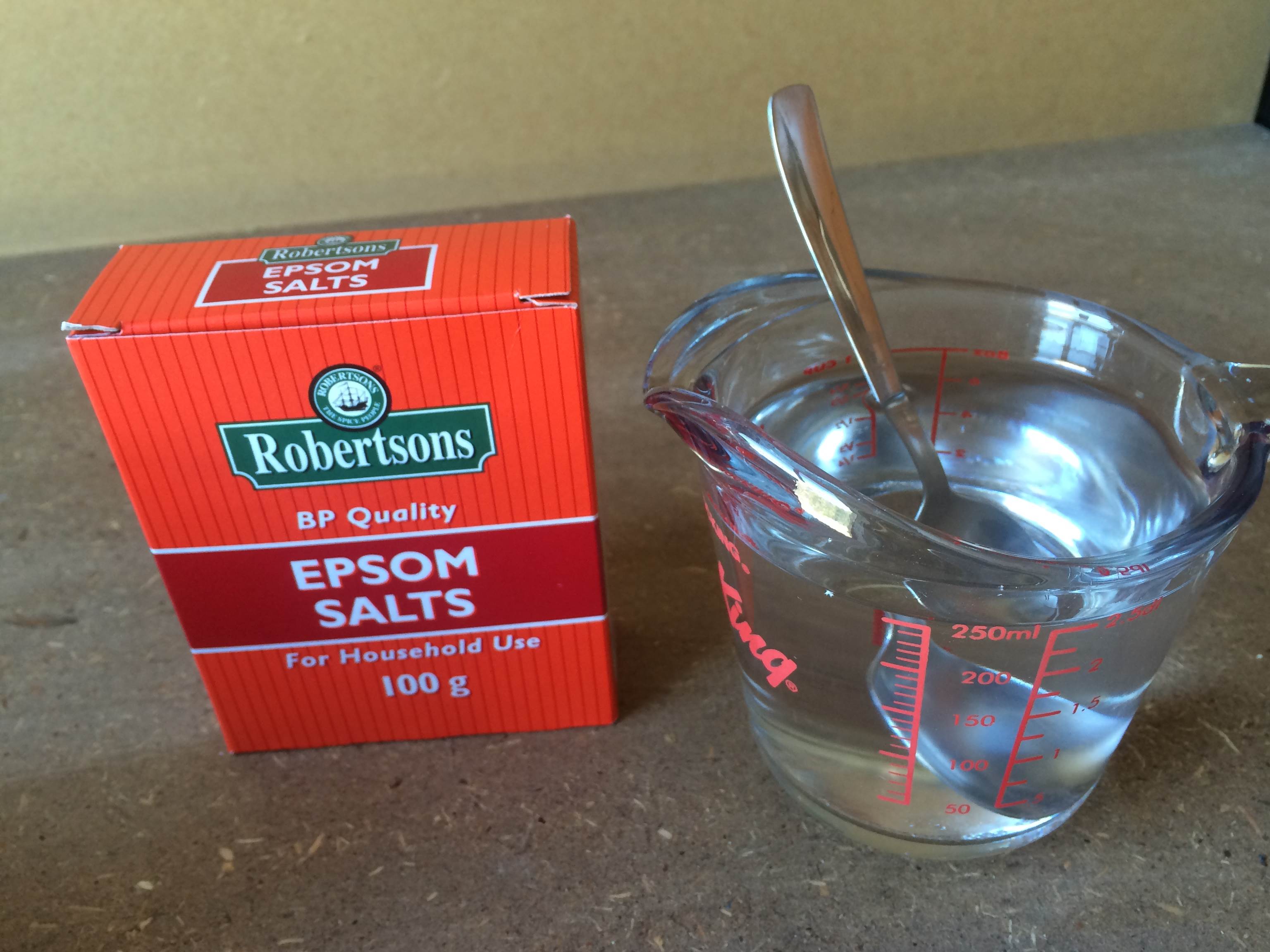
epsom salt solution

Now you need to make a saturated solution of Epsom salts (magnesium sulphate) and distilled water. Do this by boiling water and continuously stirring in more salts until no more will dissolve in the water. Then fill each cell with the Epsom salt solution to the full level line using the syringe or dropper.

charging battery

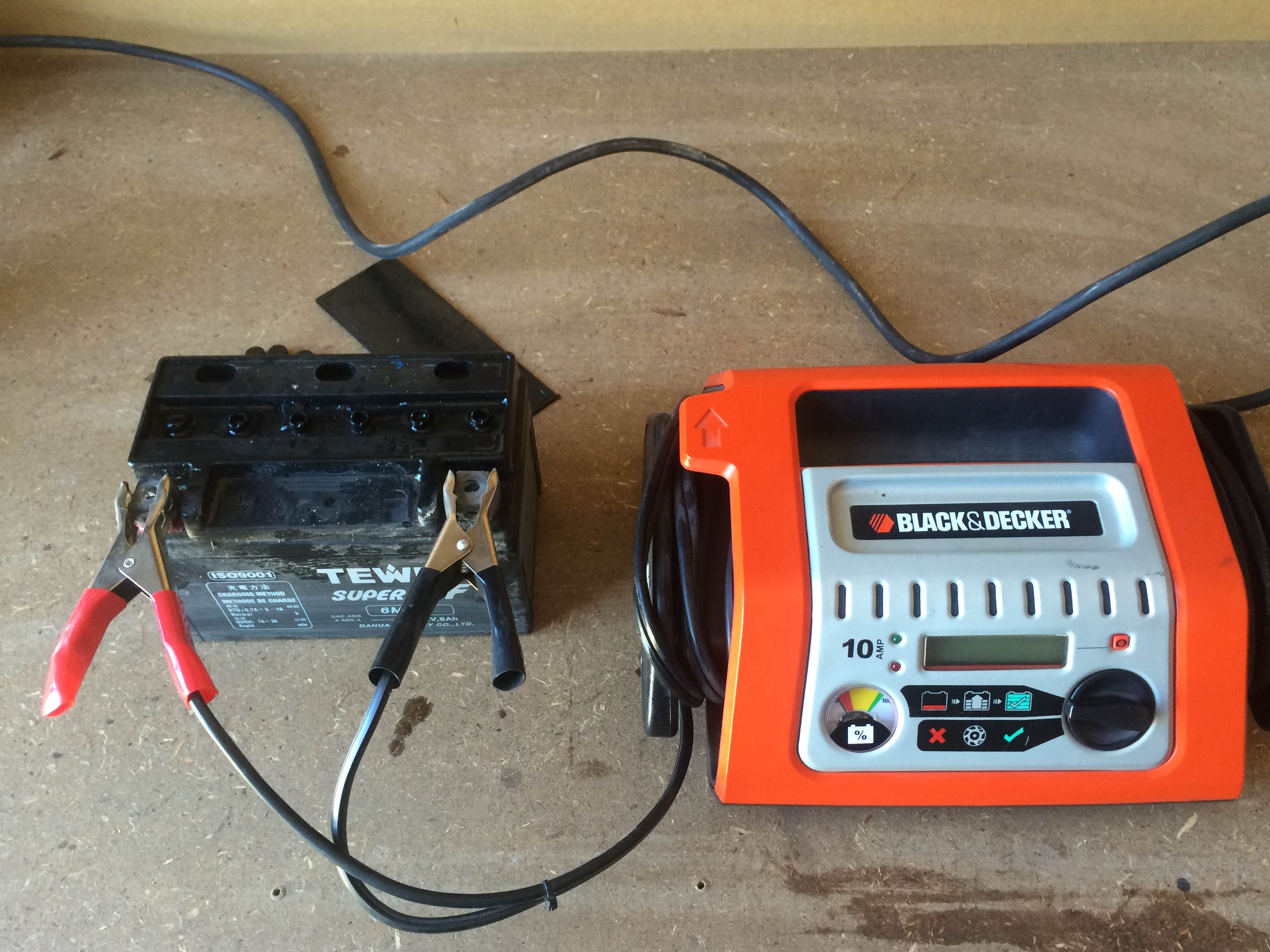
When charging the battery while it is being reconditioned, some gas will be released, so it is advisable to leave the caps open. Connect a battery charger to the terminals and let it complete the charging cycle. If the battery is heavily drained or damaged, it may have to be charged overnight with a trickle charger at a very low amperage. If you do not have a battery charger then replace the battery cell caps and covers and reinstall the battery in the vehicle. Jump start it and then take it for a full hour or two drive to allow the battery to charge using the alternator.

clean up battery

The reconditioned battery should now last another 6 months to a year and can usually be restored using this method about three to five times until it is no longer effective.

Edit: As some users in the comments section have suggested, the best solution would be to let the reconditioning process run for a few days to properly “clean” the plates and then drain the Epsom salt solution from the battery and replace it with the recommended 35/65 acid solution. Make sure that your battery is discharged before removing the Epsom salt solution and replacing it with the acid solution.

Have you tried to recondition a battery using this method or a similar method? Let us know in the comments section below.

Share this guide with your friends:

recondition-a-car-battery

8 Creative DIY Pallet Projects, Start Recycling Wood

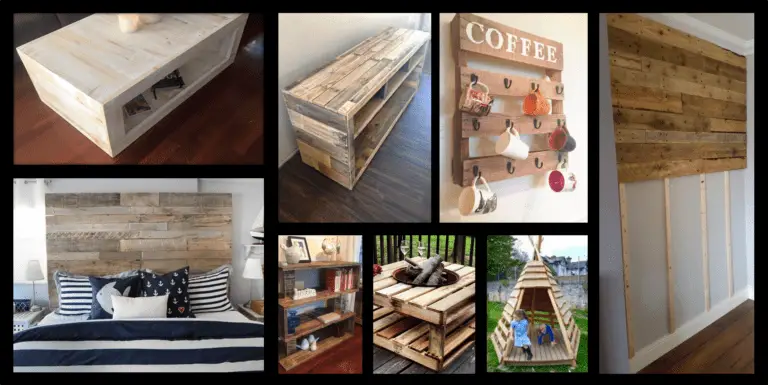
Pallets are a really affordable way to redecorate and personalise your home on a budget. Have a look at these awesome pallet projects to add some character to your home. If you are wondering where to get used pallets from, first try tile, stoneware, wood, carpet and masonry show rooms. You are most likely to find clean and unstained pallets from these places as they do not deal with chemicals and staining liquids.

Homemade Pallet Headboard

Give your bedroom a rustic look with a natural wooden headboard. This is the perfect beginners DIY project, its simple and doesn’t require any specialised tools or skills.

pallet headboard

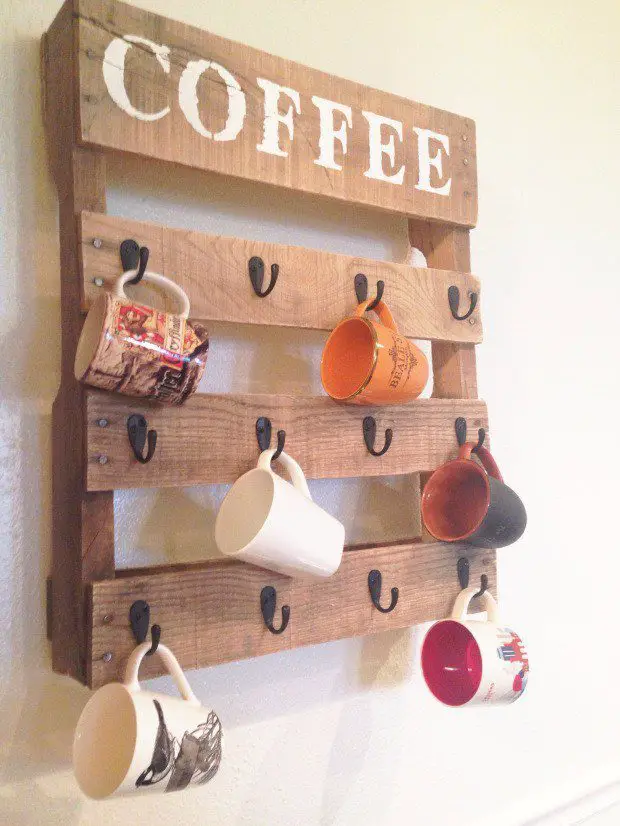
Pallet Cup Holder

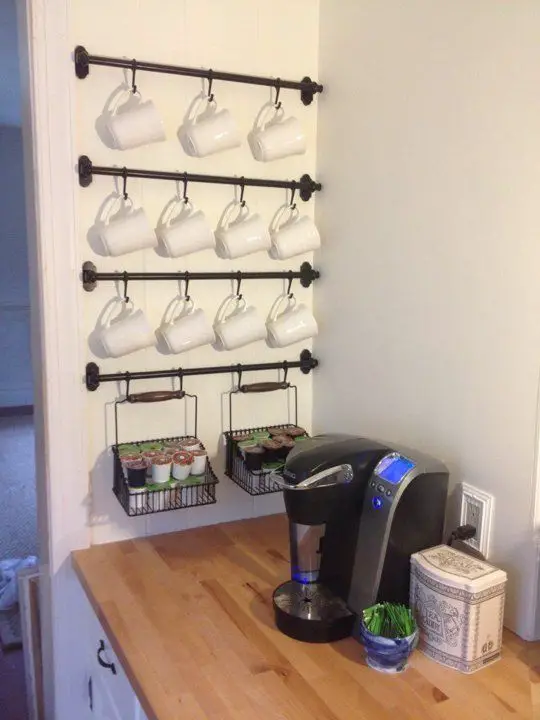
Hanging your cups makes them easily accessible and makes a perfect piece of wall décor for behind your coffee machine or coffee station.

pallet coffee cup holder

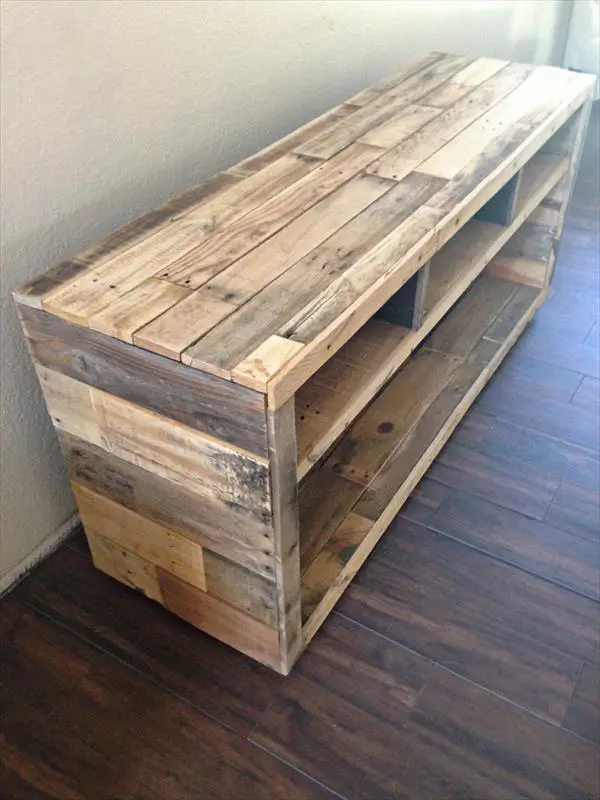
Media Console Table

A media console on which to stand your TV and keep your movies, games, media players and remotes organised, plus you can make the divisions custom sizes to fit your devices.

pallet media table

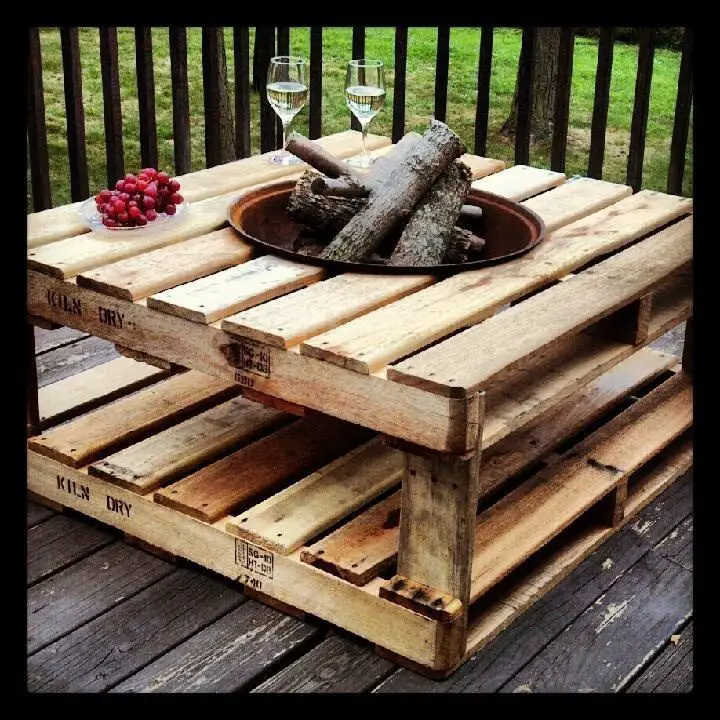
Pallet Fire Pit Table

Stay cosy outside with a fire pit surrounded by a functional table for your drinks and snacks.

pallet fire pit table

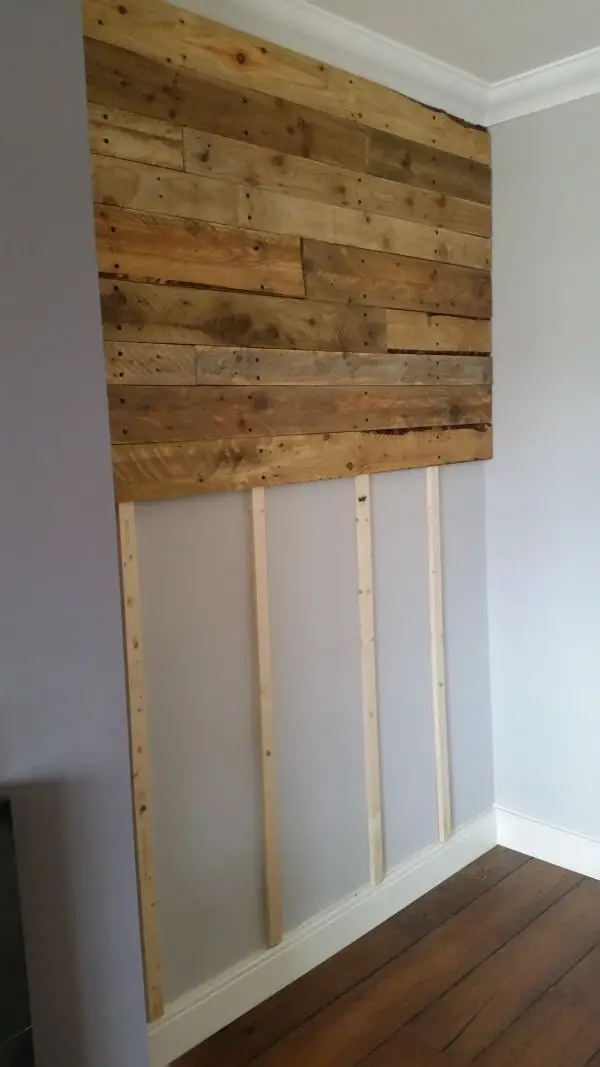
Natural Wooden Wall

A feature wall for your lounge or dining room brings colour and character to the room, another easy project for the DIY newbie.

pallet wall

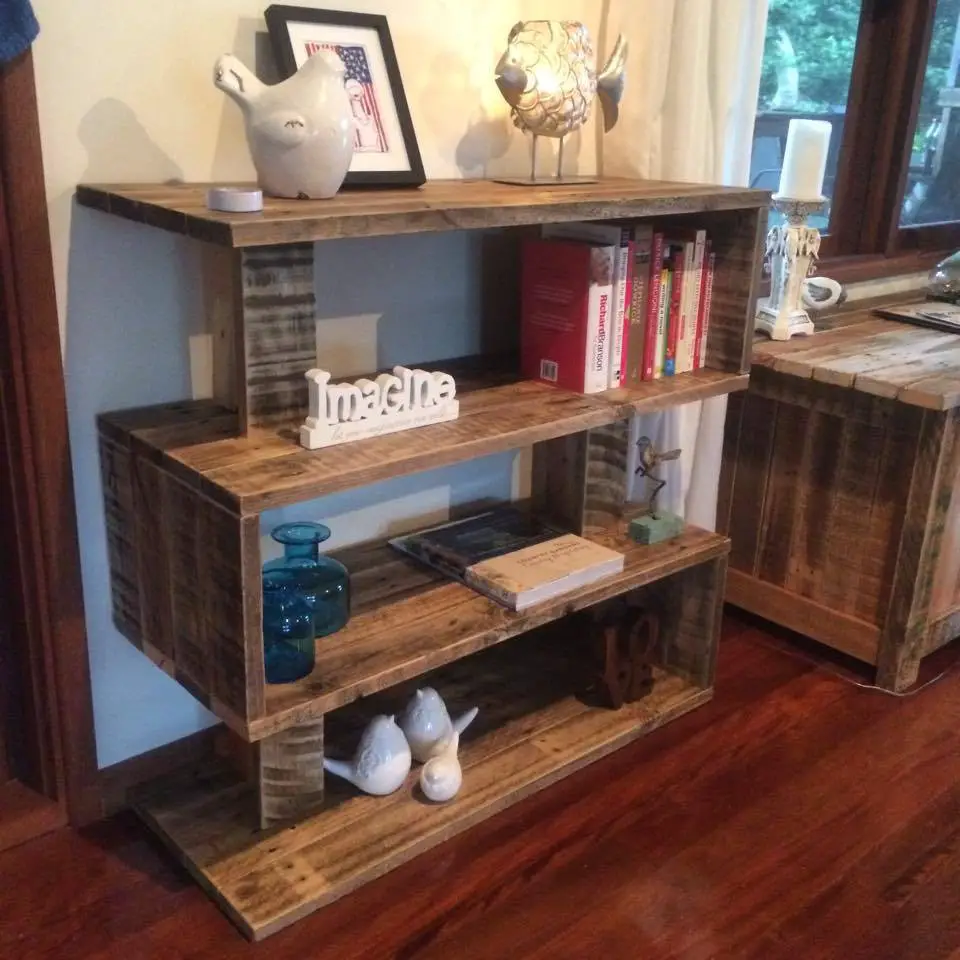
Pallet Bookshelf

Give your books and ornaments a place to be seen with a new homemade bookshelf.

pallet bookshelf

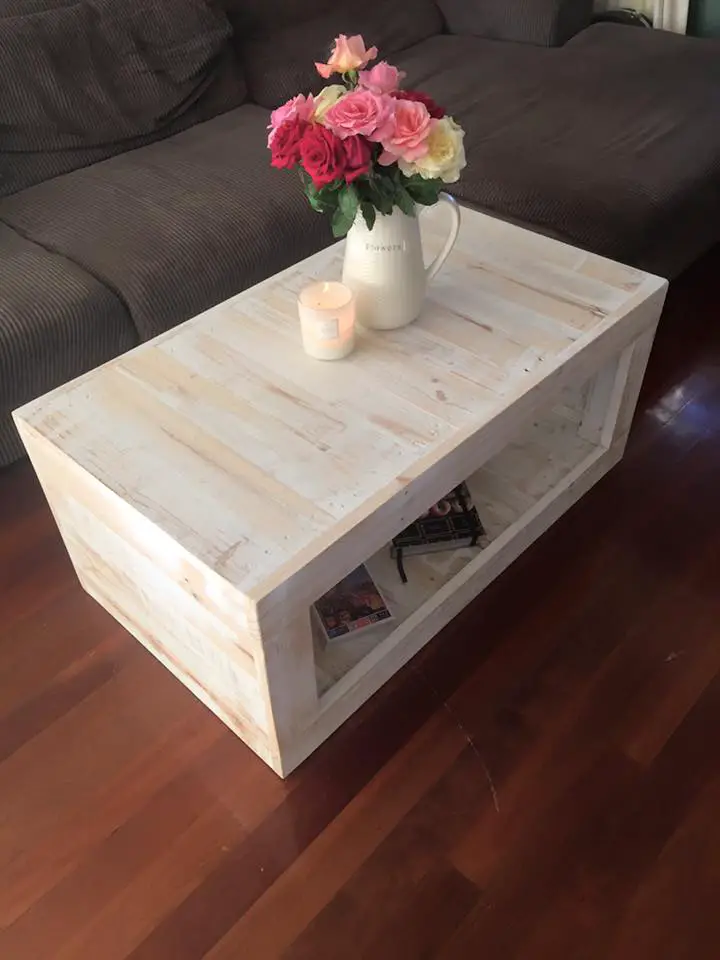
Coffee Table

A coffee table would go well with homemade media stand to complete your lounge or living room, this one is even white washed to fit in with the lounges colour scheme.

Pallet coffee table

Kids Tepee Playhouse

Give the kids something to play with outside and they will be excited to help you build it!

pallet playhouse

Have you tried any of these projects? Do you have any new ideas for project which we have missed? Let us know in the comments section below and we will add them.


Traditional Biltong

Making biltong the traditional South African way can be extremely rewarding. The process is surprisingly easy and with a few tricks you will save money and win friends over with your unique taste.

To start out, you need to find yourself 2kg (4.5lbs) of the right cut of meat. Biltong requires a good cut so we recommend using sirloin or silverside which has been trimmed of excess fat. Fat tends to spoil if the drying conditions are not ideal so it is best to go for a lower fat piece for your first few batches. Leave some fat on the meat to give it flavour.

Next you need to cut your meat into slices roughly 20-30cm (10 inches) long and 10-15mm (0.5 inches) thick. Remember that the meat shrinks significantly during the drying process however if you cut the meat too thick, it will take too long to dry.

Now you need to spice and marinade your meat. You’ll need a bowl which can hold slightly more than your 2kg of meat. For the marinade and spice mix, you will need:

  • 200ml Brown Spirit Vinegar
  • 80ml Worcestershire Sauce
  • 1/2 Cup of Crushed or Coursely Ground Coriander
  • 2 Tbs Ground Black Pepper
  • 2 Tbs Crushed Sea Salt

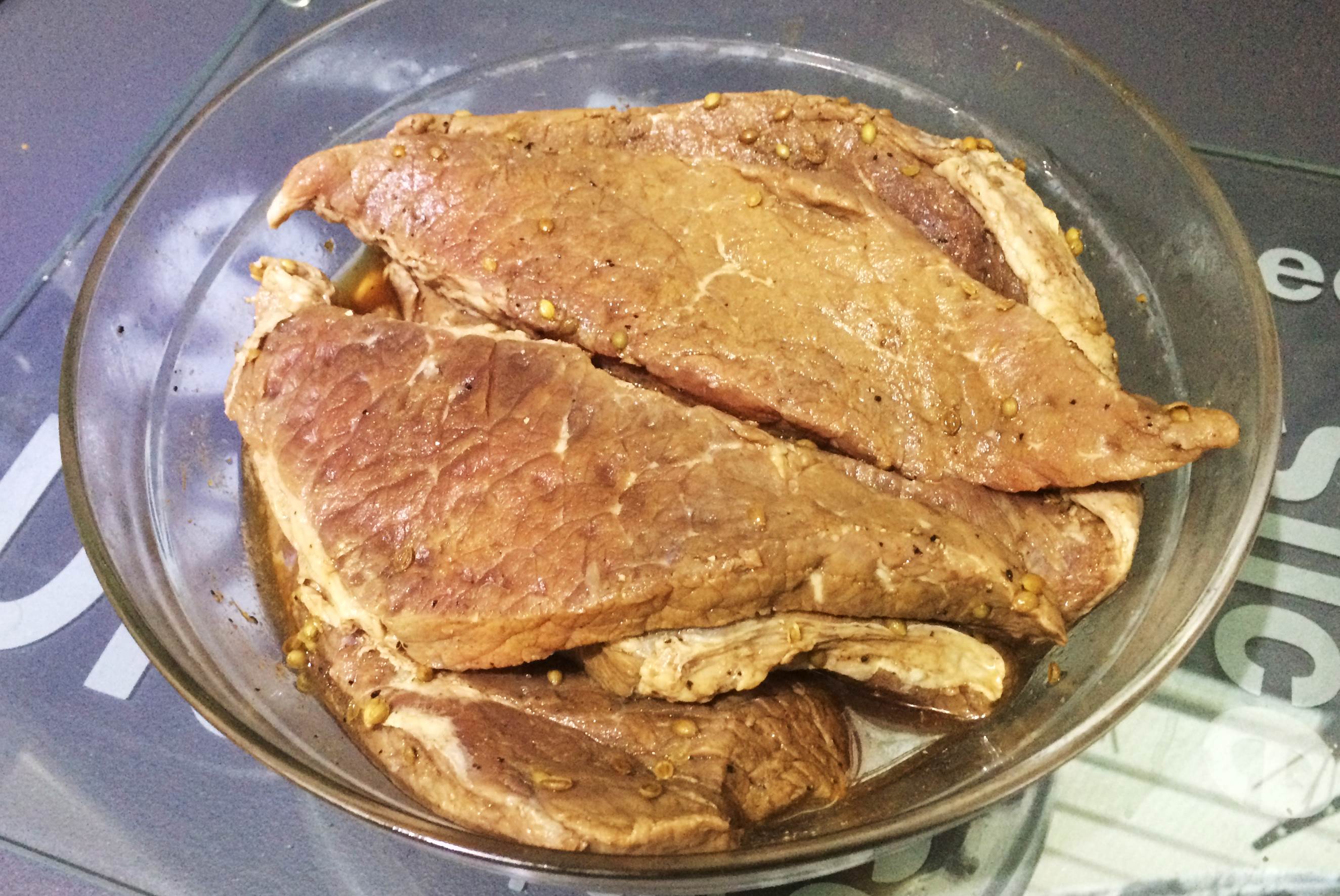
Start by pouring a small amount of vinegar and worcestershire sauce in the bottom of the bowl. Next sprinkle a fine layer of the three spices onto the marinade. Now begin layering your meat adding the spices, vinegar and worcestershire sauce between layers. Additional spices can be added during this step to give your biltong its own unique flavour. Spices which work well are:

biltong in bowl

Cover your bowl in cling film and refrigerate overnight to allow the meat to draw in the flavour of the marinade. For the impatient among us, the meat needs to spend at least four hours in the marinade before it can be hung to dry.

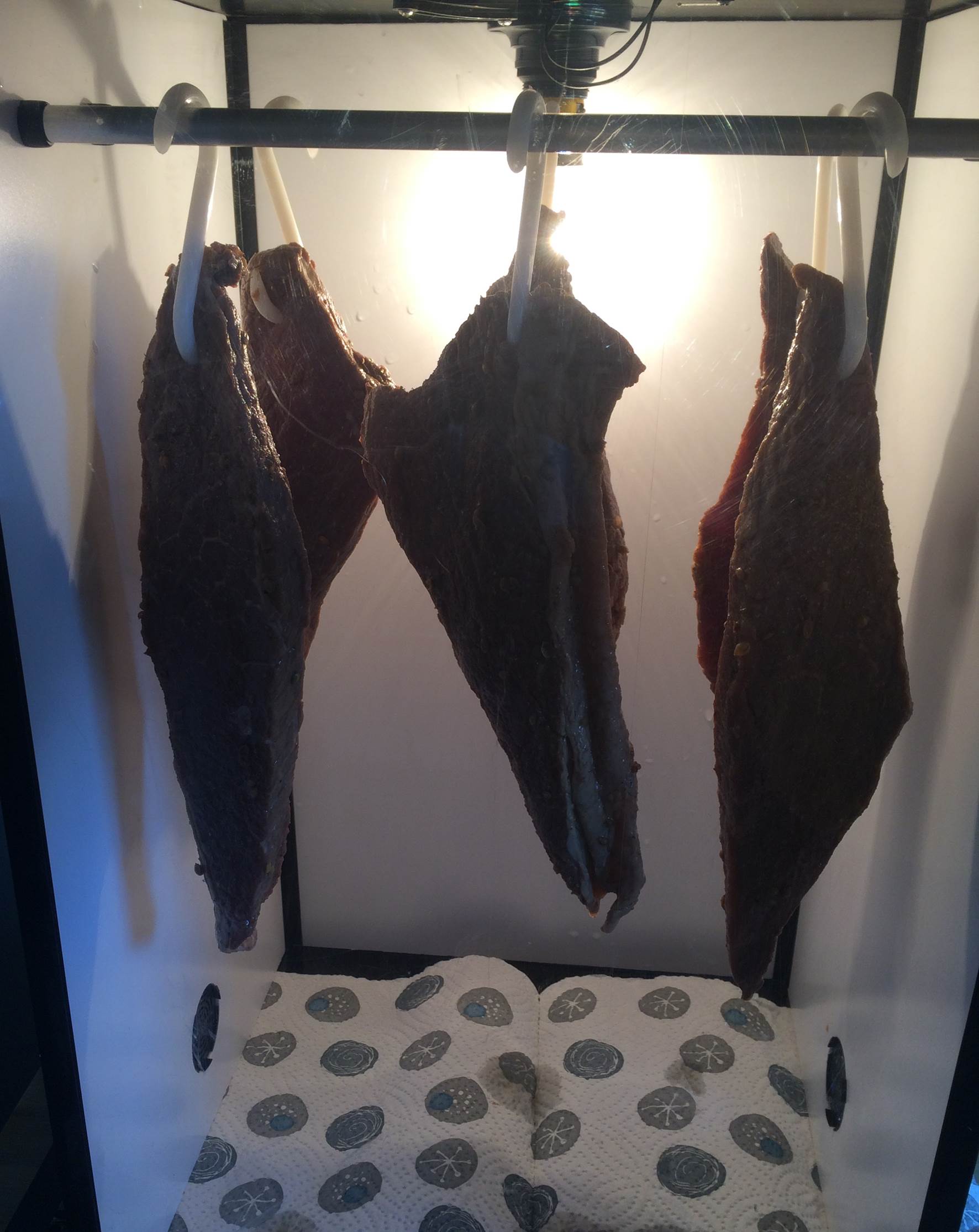
Now the biltong is ready to be hung. In dry areas like the Karoo or inland areas in the Northern Cape, where the humidity is low, the meat can be hung out in a dry room or in the garage. In areas where the humidity is high, a biltong dryer is recommended to control the environment and prevent flies from visiting your meat. The correct environment for drying biltong is an essential part of the process, especially in coastal regions. Biltong usually takes 4-6 days to dry depending on your personal preferences.

biltong hanging

Once your have made your first successful batch, try experimenting with different spices and techniques to give your biltong a unique flavour.

Have you tried making your own traditional biltong at home? Let us know how it went in the comments section below.

biltong footer

Easy Caprese Skewers, A Twist On A Summer Salad

If you’re looking for a quick and easy summer starter that doesn’t require any cooking, this is it. A caprese salad is a real Italian style, summer dish and serving it on a stick is an easy way for guests to enjoy it. You can use toothpicks or skewers to assembly them, I used 100mm (4″) skewers cut in half.

caprese salad

What You Will Need For about 16 Skewers

  • 300g (10oz) Cherry Tomatoes
  • 32 Small Basil Leaves (About 30g (1oz))
  • 120g (4oz) Block or Balls of Mozzarella Cheese

How To Make The Caprese Skewers

Wash and dry the tomatoes. If you are using a block of cheese, cut it up into 32 cubes. Pick the basil leaves from the stem, rinse and dry them.

First skewer a block or ball of cheese then a folded over basil leaf followed by the tomato, another folded basil leaf and finally a last block of cheese. Push the ingredients to the blunt end of the stick, leave a small gap to cut the stick in half and then begin with the second skewer. Only cut the skewer sticks in half after assembling them as there is only one sharp end and it is difficult to push the blunt end through a tomato neatly.

Serve the skewers with a drizzle of oil oil and balsamic vinegar. They can be made up beforehand and keep well in a sealed container in the refrigerator for a day or two although the basil leaves begin to wilt a little by the second day. Do not add the oil and vinegar until just before they are served.

If you love the tomato and basil combination, try our 10 minutes tomato and basil homemade pasta sauce for a quick and delicious dinner.

Have you tried making these tomato and basil caprese skewers? What other ingredients do you usually add? Let us know in the comments section below.

Tiling Over Existing Tiles, All You Need To Know

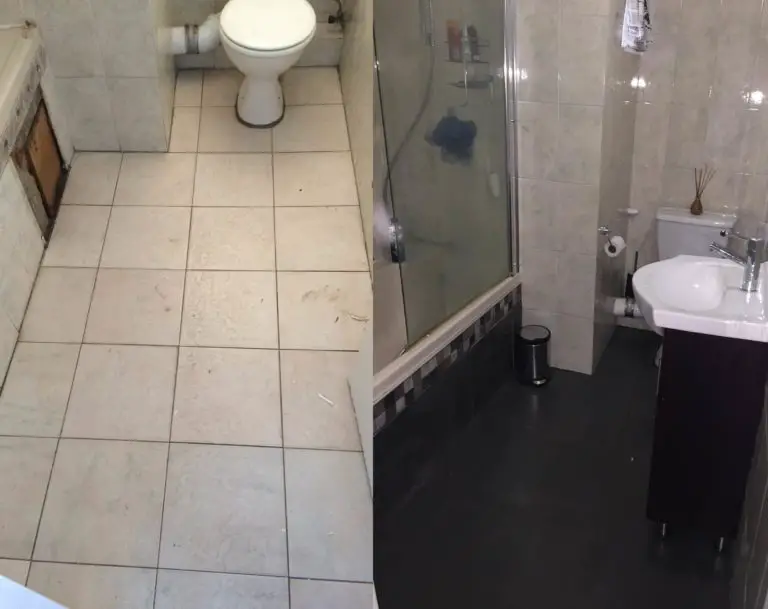
One of the first questions you may ask yourself when starting a new tiling job is: “Can I tile over my existing tiles”. The question largely depends on the condition of the current tiles. In practice, tiling over existing tiles is usually avoided however there is a huge benefit in not having to pull up the existing tiles and dispose of the rubble. Read these additional tips and tricks for tiling to make the job easier and get a more professional finish.

What You Need To Tile Over Existing Tiles

Tools you need:

Materials you need:

  • 80 Grit Sandpaper or Sandpaper Belts
  • Ceramic Tiles
  • Tile Adhesive (Latex Modified Thin Set / Flexible)
  • Latex Bonding Liquid
  • Tile Grout

Begin Tiling Over Your Existing Tiles

Before you start, inspect the state of the current tiles as this will be the foundation for your new tiling job. Your tiling needs to be in good condition and well bonded with the base. Taping the surface of the tiles with a broom stick will reveal any “hollow” sounding tiles which is usually an indication that the tile adhesive has separated from the base layer. If there are any loose tiles, tiling over them should be avoided. If only one or two tiles are loose then these may be pulled up and relayed with thin set adhesive or the gap may be made up with mortar.

Keep in mind that the new floor will be 1cm to 3cm (1/3” to 1”) higher than the existing floor so you will have to trim the bottom of the doors and there may be problems with the height of some under counter appliances.

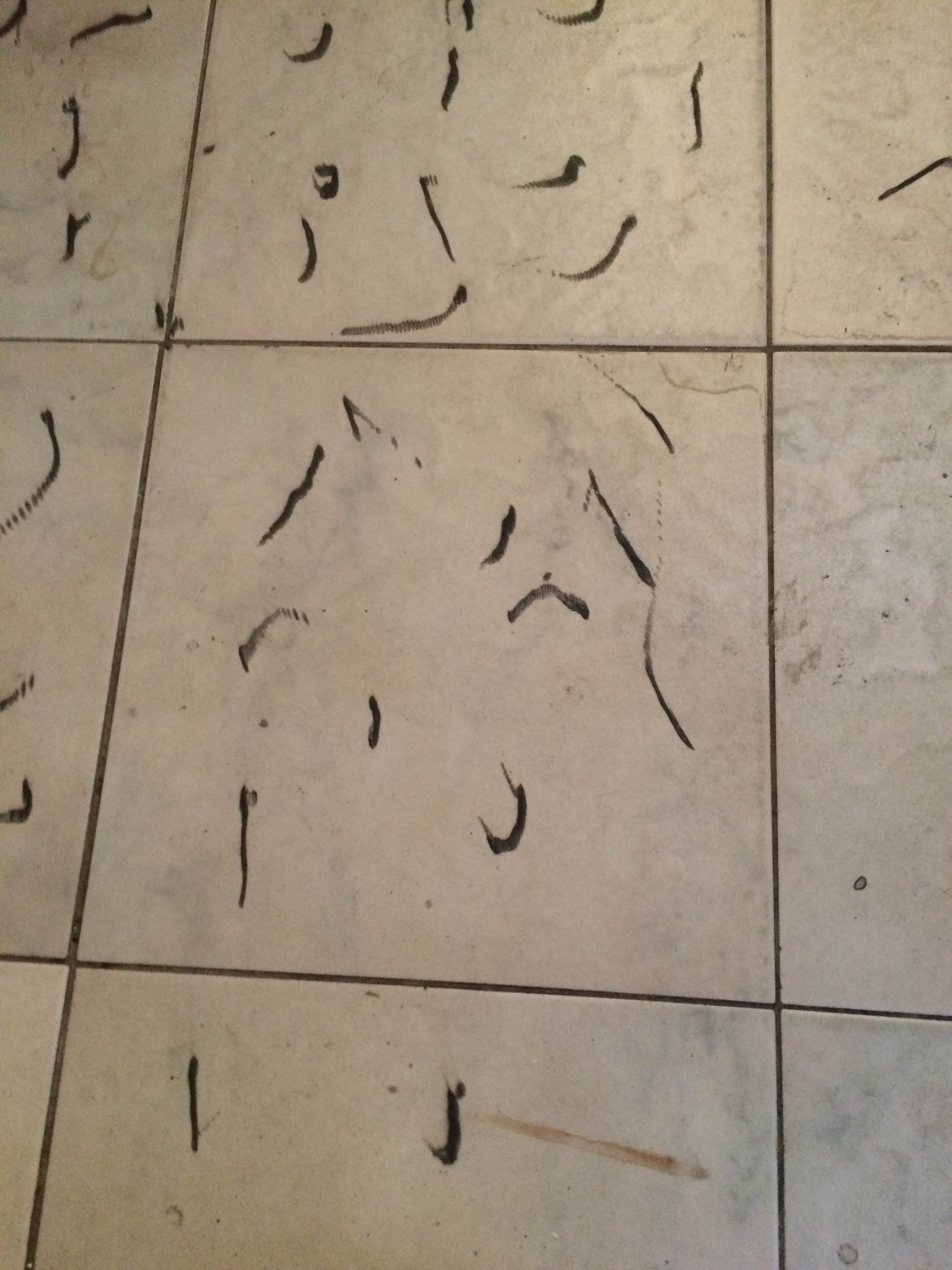
tiling over tiles preparation

As preparation work, ensure that your existing tiles are well cleaned and de-greased before you start. Roughen up the surface of your existing tiles with 80 grit sandpaper or a grinder. If you are tiling over glazed tiles then be sure to remove as much of the glazing as possible.

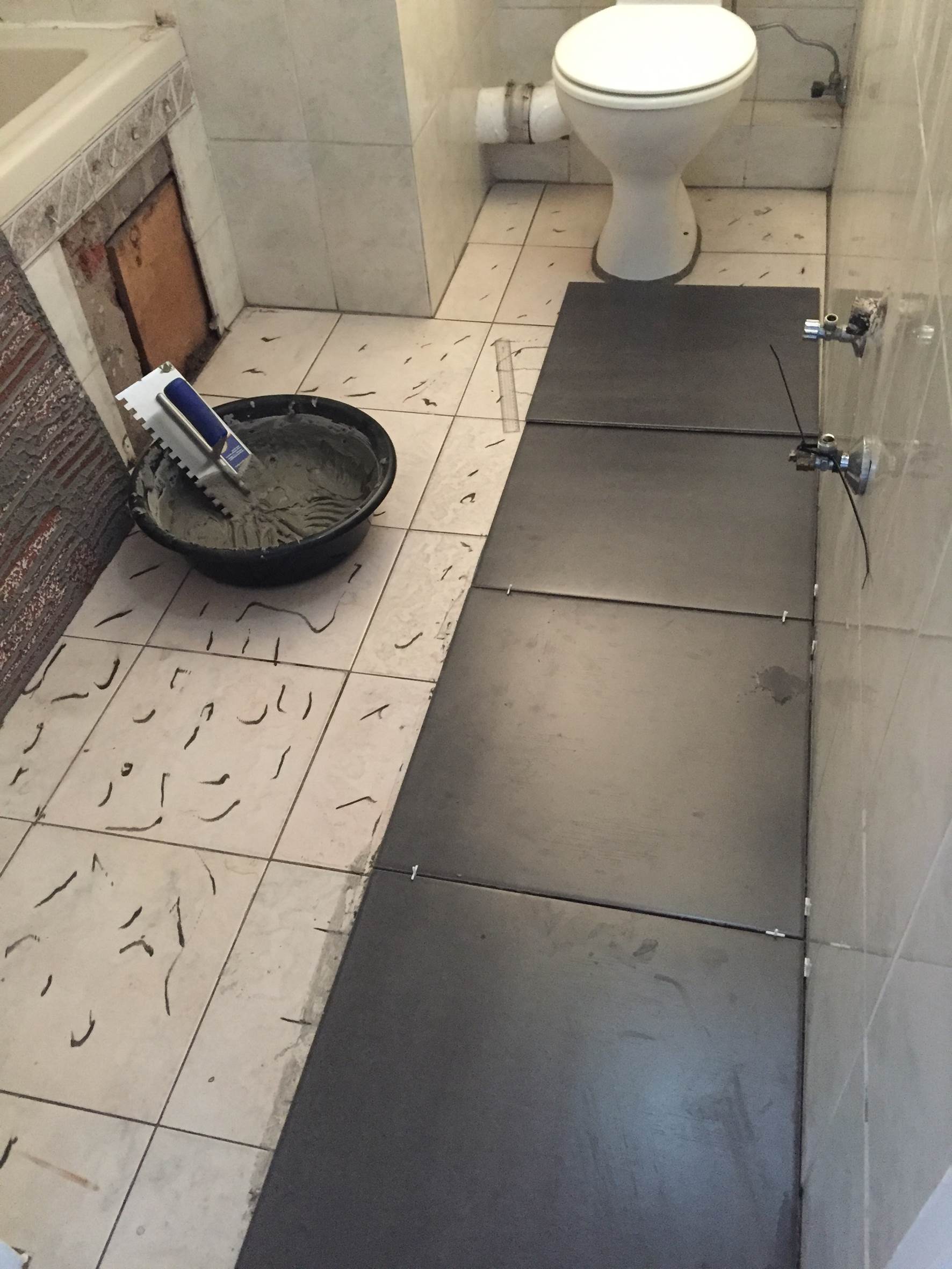
tiling over tiles progress

Use a latex-modified thin-set adhesive or alternatively mix a latex bonding liquid into a good quality adhesive in place of water and mix it in small batches to avoid it drying out or skinning over. Complete adhesive coverage is important when tiling over existing tiles, use a notched trowel to lay the adhesive in a single direction and then slide the tile in perpendicular to the comb direction before lightly knocking the tile down with a rubber tiling mallet.

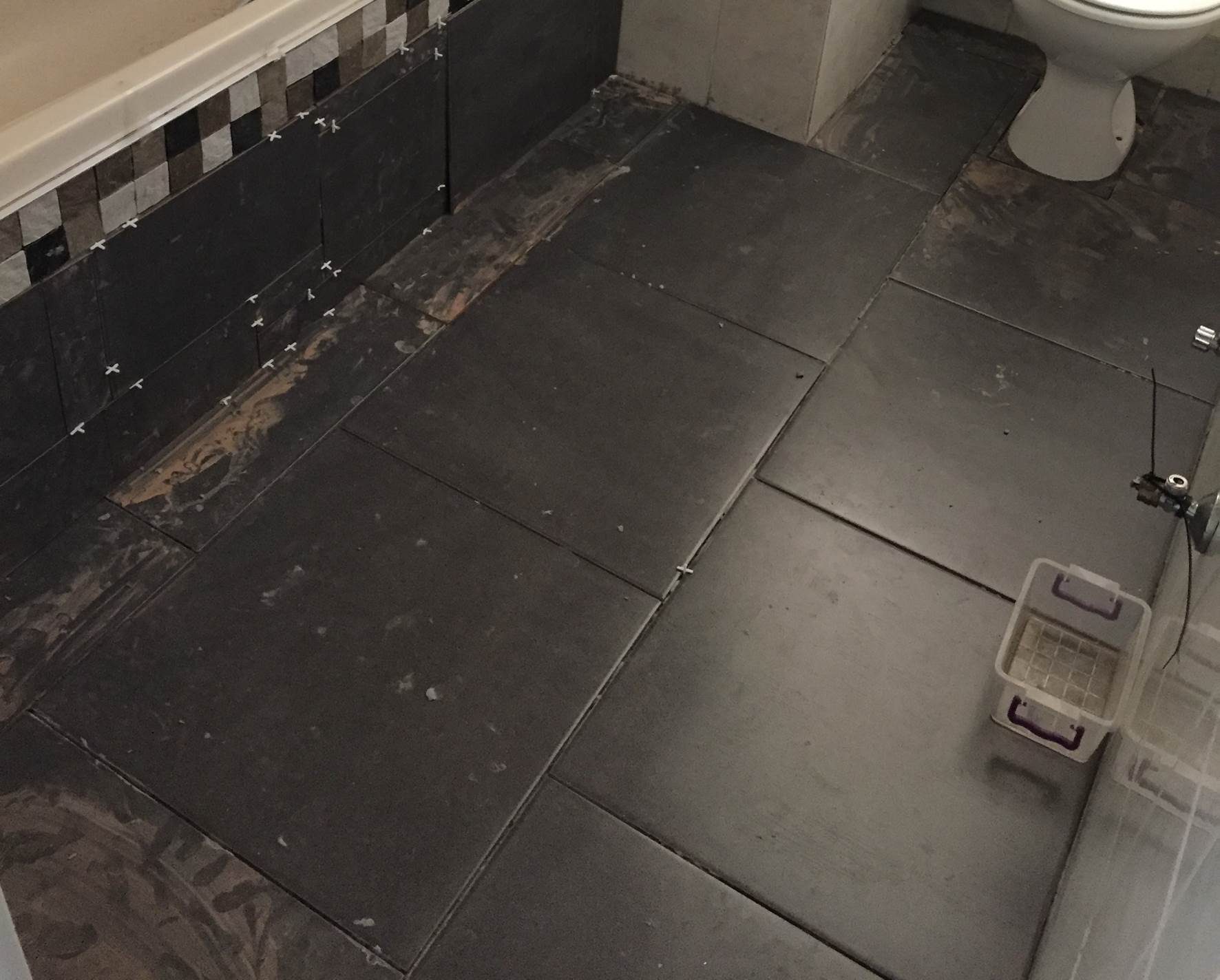
tiling over tiles progress

Once all of your tiles are laid, allow the adhesive to fully cure as per the adhesive data sheet. Because the adhesive lies between the old and new tiles, there is very little room for air to get in so the curing process may take a bit longer than on a wood or cement substrate depending on the composition of the adhesive.

Finish the tiling off by grouting between the tiles. If the tiles are laid in an area which is exposed to water or rain then it is a good idea to mix latex bonding liquid into the grout mixture as well to improve the grout bond strength.

tiling over tiles complete

Have you tried tiling over existing tiles in your home? Let us know in the comments section below, we would love to hear your tips and tricks.