

Home Blog Page 28

Summer Savvy: How to Cool Your Home on a Budget

People of all ages love spending time outside during the summer. Free from the shackles of the classroom, the children ride bikes, explore the woods, and play sports outside. The college kids and young adults prefer to spend their summers checking out different rooftop bars and beer gardens, while the older crowd relaxes outside on the patio or by the pool with a cocktail and nice book. After a long day in the sun, you’ll want to escape the sweltering summer heat in the comfort of your own home. Luckily, there are a variety of different ways to keep your home cool over the summer without breaking the bank. Read below to learn more about cooling your home on a budget!

Ductless Air Conditioners

Ductless air conditioners are a great way to cool your home this summer. As their name implies, they do not require ducts. This differentiates them from central HVAC systems and saves homeowners from the costs related to ductwork installation. However, they are also compatible in homes with central air systems and ducts already installed. You can install a ductless unit anywhere in your home, and they are perfect in rooms that are out of reach from your ductwork.

Ductless air conditioners are one of the most efficient ways to cool your home. They drastically reduce your home’s energy bills while minimizing your carbon footprint. Most models come with high SEER and Energy Star rankings. They are also constructed with recycled materials and R-410A, an ozone-friendly refrigerant. Many ductless air conditioners also utilize smart technology to make operation easier.  For example, sensors detect when you enter and exit the room and alter the temperature accordingly. There are also smartphone apps and remote controls that allow you to control the temperature from the couch or the other room. With these innovations, the higher initial cost is offset by your drastic energy savings and reduced electric bill.

Homeowners also love ductless air conditioners because of their versatility. They act as heating devices during the winter and as an air filter. To keep your air quality up, remember to clean the air filter every four to six weeks by removing it and wiping it with a dry cloth. The efficiency, cost, versatility, and performance of ductless air conditioners make them perfect for homeowners looking to cool their house on a budget this summer!

Portable and Ventless Air Conditioners

Portable air conditioners are an excellent choice to cool your home on a budget. There are a variety of different models and types available at reasonable costs for homeowners. They are stand-alone units with each important component self-contained in a plastic or metal housing cabinet. Many models come on wheels to simplify their transportation, and they also operate as humidifiers. Overall, be wary that they are not as efficient as some other air conditioner types and models. Portable air conditioners are loved by homeowners because of their simplified installation. Simply follow the instructions in the manual, and you’ll have cold air in no time!

Window air conditioners are a reasonably priced ventless air conditioner. They are ideal in any small to medium sized room with a window, such as a studio or one bedroom apartment. They are very easy to install, affordable to maintain, and can serve as an excellent complement to an already existing central HVAC system. However, they are not without flaw. Window AC units are not very efficient or aesthetically pleasing, and they are very loud during operation.

Ceiling Fans

Ceiling Fans

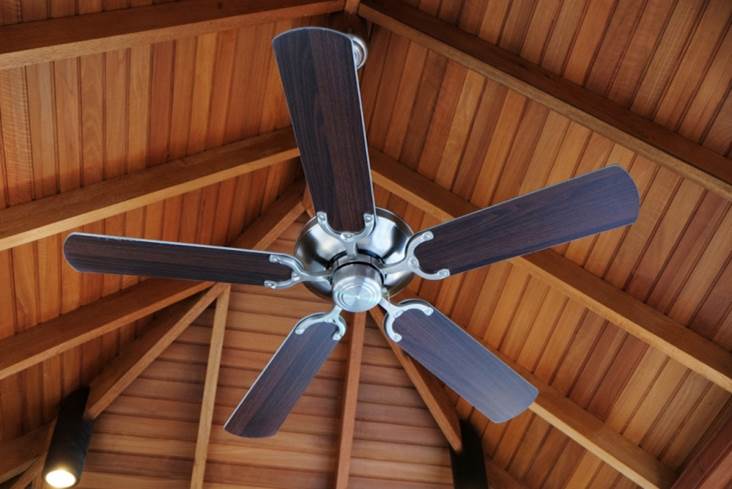
Using ceiling fans is an excellent way to reduce your home’s temperature and cooling cost. Their installation is simple and cheap, and they can be put in almost any room. Additionally, they require little maintenance. However, you should clean the blades regularly. Over time, dust accumulates on the blades and spreads throughout the room during operation. When using your ceiling fan, make sure the blades run counterclockwise. This allows them to disperse cool air throughout the room. You should also oil the blades regularly and fix any wobbling by tightening loose screws.

Awnings and Blinds

Awnings and Blinds

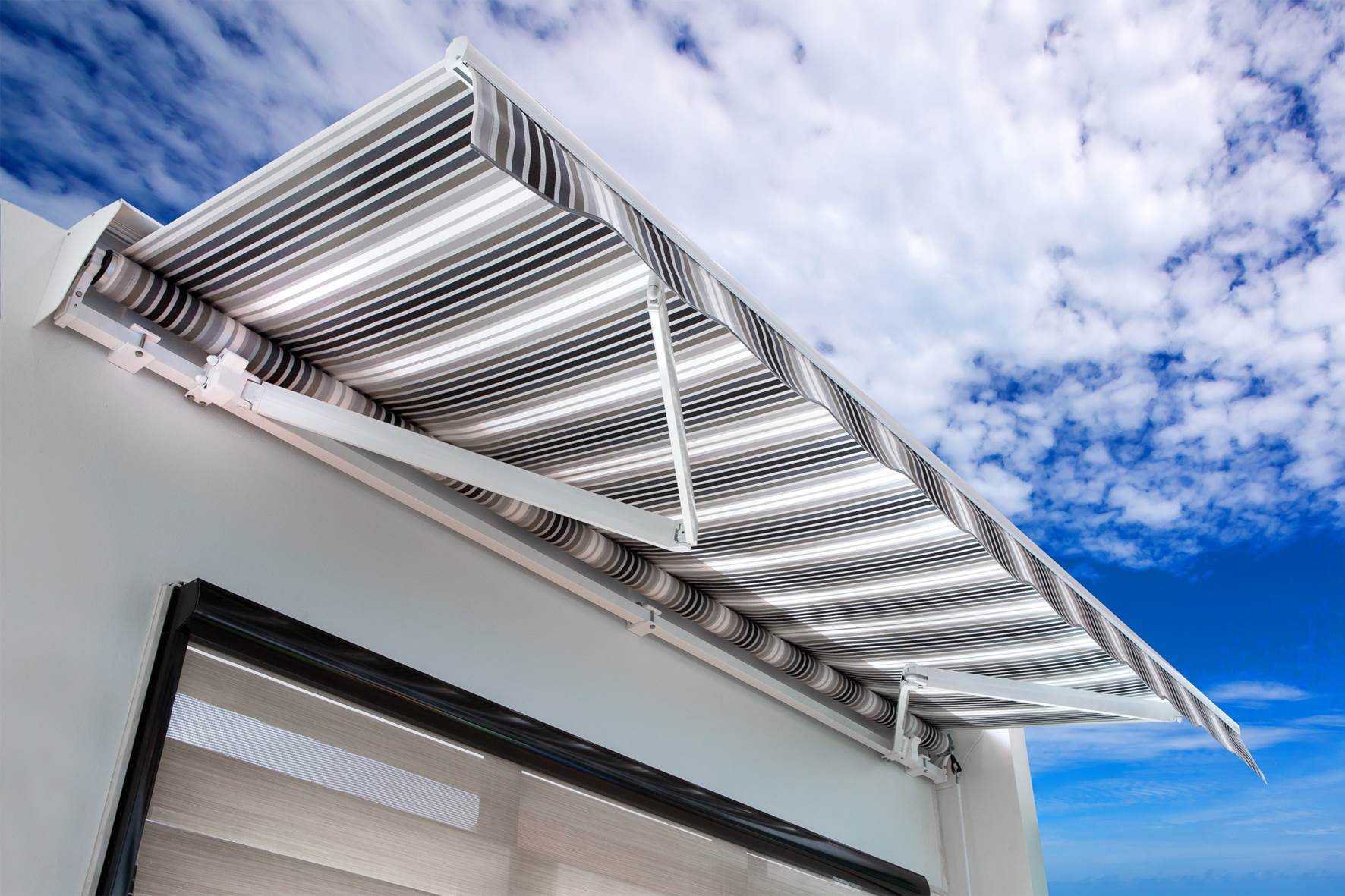
Install awnings and blinds in your home to keep sunlight out and drastically reduce the temperature inside. Awnings cover windows from the outside and can also provide shade to an outdoor living area such as a deck or patio. Conversely, blinds are installed on the interior of your home. They can be opened and shut at any moment, and there are new technological updates that allow homeowners to control them from a remote control or smartphone. Both awnings and blinds are inexpensive and easy to install.

Blackout curtains are the most efficient type of blinds, as they block out all the sunlight and make the room pitch black when shut. By blocking sunlight, awnings and blinds reduce the temperature in the room. They also decrease the strain on your air conditioner which, in turn, lowers your electric bill. They also serve other benefits, such as reducing the glare on your television.

Insulation

Upgrading your home’s insulation is another way to cool your home on a budget this summer. When your home is properly insulated, it does not allow air inside to leave and keeps outside air from entering. Therefore, it keeps the cold air inside and hot air out over the summer. Your attic is one area that must be properly insulated, and you should check this before the summer. If it is not, the temperature increases drastically and eventually impacts your entire house.

Don’t forget to call a professional for any insulation, awning, or HVAC installation. These are not tasks that homeowners can handle themselves for a variety of reasons. For example, self-installation voids some HVAC warranties.

Spending time outside is one of the many benefits of summer, but you need a place to relax afterwards. With this guide, keep your electricity bill down as the temperatures rise this summer and cool yours on a budget!

How To Deep Clean Your Microwave In 5 Minutes

If you’re embarrassed by the state of your microwave then this post is for you. We’re going t show you how to clean off food splatter, grease and grime in just 5 minutes, without any hard work or harsh cleaning products.

Once you’re done cleaning your microwave, you may also want to have a look at these Things You Should Be Cleaning But Probably Don’t.

What You Need To Clean Your Microwave In 5 Minutes

  • 1 Cup of Vinegar
  • Microwavable Glass Bowl
  • Soft Sponge
  • Paper Towel

How To Give It A Deep Clean

Add your cup of vinegar into your glass bowl and place it into your microwave on high for 4 – 5 minutes. This heats the vinegar up and steams the inside in order to loosen the grease, grime and food splatter.

You may also have seen these small steamers specially made for steaming your microwave as they direct the steam up and outwards towards the top and sides where its usually the most dirty. A glass bowl works just fine as well.

Steam'n Mamma

Once the microwave has stopped, leave the door closed for another 2-3 minutes to keep the steam trapped and allow it to work the dirt loose.

If it is especially dirty, you may want to do these steps twice.

Next, remove the turntable and rub down the inside of your microwave using the soft side of your sponge. You may need to wring out your sponge a couple of times if there is a lot of moisture built up. The dirt should all easily wipe off at this stage, if it is still stuck on then repeat the steaming process once more.

Once you’ve clean out all of the dirt, use a few pieces of paper towel to completely dry the inside of the microwave.

Your microwave should now be spotless and you won’t be embarrassed to open it up in-front of guests.

Share This Guide:

Deep Clean Your Microwave In 5 Minutes

What To Tick Off Your List Before Starting To Landscape Your Garden

If you’re getting started on a landscaping project for your garden, a landscape checklist will definitely come in handy. You’ve probably had a lot of ideas in mind from magazines, garden photos, or inspiration you picked up from gardening videos. These ideas you’ve gathered over time are great; however, it will all boil down into practicality and making the right choices.

Selecting What’s Best For Your Garden And Your Pocket

In choosing a design theme, you might want to design a contemporary garden or go for a more traditional theme. In considering the budget, you will allocate for your garden’s landscape.

The trick to starting your landscape project is to organize all your tangled ideas and take time to formulate a grand plan before getting started. A checklist is guaranteed to help you organize all these considerations, avoiding any slip-ups along the way.

Things To Consider Before You Landscape

Things To Consider Before Landscaping

Design theme and ideas

It is essential to know what you’d like your garden to look and feel like. If you have chosen a design theme, the next steps of the landscaping process will be much easier. 

Common Garden Landscape Designs:

  • Contemporary
  • Tropical
  • Japanese Zen
  • Formal
  • European
  • Country

Let’s say you are going for a contemporary garden – you would be likely to choose dramatic foliage, a natural loose planting style and use solid colours. 

Your design might also incorporate outbuildings like a shed or greenhouse, or something more permanent like a garage or even an office. Just as you should try and source all your landscaping materials from sustainable sources, make sure outbuildings are constructed in an eco friendly way

Where possible, sustainability should always be a consideration so you are doing your bit to save the environment.

The garden’s users

It is very important to know who will be using the garden. In other words, what do you mainly want to use the garden for? For relaxation or outdoor dining? Larger families need to have space where children can run around, and the potential for everyone to eat outside during the warmer months.

Your garden’s purpose will have a huge impact on utilizing its space and selecting the applicable shape to serve the garden’s purpose and those that will be enjoying it.

Choosing the right kind of plants and flowers

Probably one of the most difficult yet fun phases in landscaping. Plants can be used in several ways. Plants can grow edibles, add fragrance and add soft sounds to your garden. The colour combination, blooming cycle, and purpose of the plants and flowers should all be taken into account during this phase. 

Your budget will also help influence the kind of plants you choose. There are lots of inexpensive plants available, and you can even find free options if you know where to look! However, some species tend to be more expensive depending on their size, age, and how readily available they are in your area or country. 

If you’re set on a certain type of plant, try contacting local gardening centers or looking up local prices online before heading out to buy it.

Landscape structures

Landscape structures are the parts of the garden that make it a whole. These are the features you would want to add in your garden to make it functional. This could include a gazebo, patio, play area, jacuzzi, outdoor kitchen, and even a swimming pool. When adding landscape structures, think carefully about the quality of the materials, both aesthetically and functionally.

As mentioned before, keep sustainability in mind when constructing any landscape structures.

Climate and environment

Remember the regional climate in your area and the soil type in your garden before starting to landscape. In fact, the topsoil in your garden is incredibly important when it comes to any aspect of gardening. You can learn about topsoil here

The conditions of your landscape will differ. Climate temperature should also be factored in during the planning stage. Plants structured in the right place can make a massive difference to the noises, temperature, and light levels in the environment of your garden.

Maintenance and care

Let’s be honest here, you must put work into maintaining your garden, but you also need to enjoy it as much as you can. Think about the amount of time and money you will need to spend to maintain your garden. Would you do the gardening yourself or hire someone else to do it? It’s good to think long term during the design stage so you can carefully make the right choices and think of alternatives for your garden’s landscape.

Landscape Budget

The budget amount needs to consider the plants, flowers, materials, labour, and maintenance. Be mindful of being within the budget and reflecting on affordability and functionality. Try to look at what you have in your home that can be reused or recycled to reduce costs. 

You can get creative by repainting old pots, putting in cool salvaged objects you have not used in the past and play around with fabrics. You can also make use of online secondhand selling groups on Facebook, or use sites like eBay. 

A beautiful garden landscape doesn’t require a lot of cash, but they do require some creativity and resourcefulness.

A Sample Landscape Checklist To Help You Get Started

What To Tick Off Your List Before Starting To Landscape Your Garden Checklist

Download the PDF Printable List – What To Tick Off Your List Before Starting To Landscape Your Garden Checklist

Why a Checklist is Important

A successful garden landscape begins with careful planning. Making a checklist is the best way to start you off on the right foot. It helps you keep track of the daily, weekly and monthly schedule of your tasks. You can start making the checklist from the designing phase up until the maintenance of your garden. 

Not only are you tackling the designing process with ease, but It will also have a great effect on enhancing your organizing and time management skills. Nobody wants a chaotic, confused mindset when making decisions. Thus, A checklist is the way to go! Stay organized and always find ways to be efficient, and you will surely see a dream garden come to life in no time.

Happy planning and happy gardening!


Make An Arduino Based Automatic Fish Feeder

There are a number of different designs for a DIY automatic fish feeder online but we particularly liked this design by Trevor DIY which allows you to measure out exact quantities of food for your fish and allows you to vary the amount and type of food per serving. It’s really easy to make, inexpensive and versatile.

This project assumes you know the basics of Arduino programming, otherwise read our article on getting started with Arduino.

Let’s have a look at how to make one…

What You Need For Your Automatic Fish Feeder

  • Arduino (Uno Used Here) – Buy Here
  • Arduino Mains Adapter – Buy Here
  • Stepper Motor & Driver – Buy Here
  • Hot Glue & Glue Gun – Buy Here
  • 3D Printer or Facility to Print Components

How To Build Your Own Arduino Based Automatic Fish Feeder

There are essentially three sections involved in building your Arduino based automatic fish feeder; connecting the stepper motor and driver to your Arduino, printing and assembling the feeding mechanism and finally programming your Arduino to operate the feeding mechanism.

Connecting The Stepper Motor & Driver

To start with, you need to get your stepper motor connected to your Arduino and turning correctly. You’ll need a stepper motor driver to convert the signal from the Arduino into an output which sequentially energises the stepper motor’s coils in order to turn it. The stepper motor and driver available through the link is able to be driven directly from the Arduino’s outputs. Some larger stepper motors and drivers may require their own dedicated power supply.

If you are building a larger feeder or have a larger stepper motor, you can drive it using a Pololu stepper motor driver. These are commonly used with Arduino boards, have a look at our guide on Arduino Stepper Motor Control Using A Pololu Driver.

Stepper Motor Connection To Arduino

In order to connect this stepper motor driver to your Arduino, plug the stepper motor into the driver using the white plug. Then connect the stepper motor driver to your Arduino using jumper leads, connecting the motor driver’s 1N1, 1N2, 1N3 and 1N4 pins to the Arduino pins 8, 9, 10 and 11 respectively. Finally, connect the motor driver’s power pins – and + to your Arduino’s GND and 5V pins.

Printing & Assembling The Feeding Mechanism

There are two parts required for the feeding mechanism, the turn table which rotates and the plate which is fixed and allows one partition of food from the turn table to fall through at a time.

The parts for the feeding mechanism have been design in Autodesk Inventor and can be downloaded here:

The turn table as it is currently designed has partitions for 14 servings which means you can feed your fish a single serving per day for 14 days or two servings per day for 7 days. You can obviously make adjustments to the models to suite your own requirements if you need more servings. Just remember that fish food generally has a short shelf life when not in a sealed container, especially in higher humidity environments so don’t design it to last for too long!

3D Print The Fish Feeder Components

Print out the above two parts using your own 3D printer or send them to a 3D print facility nearby. They do not need to be very strong so you can probably get away with a 3 layer shell thickness and 30% infill. You should also be able to print the model in either ABS, PLA or HIPS as you have available.

If your printer prints quite roughly then you may want to sand down both flat surfaces so that the two pieces slide easily over each other.

Glue the flat plate down onto the face of the stepper motor with the motor shaft in the centre of the hole.

Glue The Flat Plate Onto The Motor

Now press the turn table onto the shaft of the motor. It should be a tight fit so that it turns smoothly with the shaft and rotates easily over the flat plate beneath it. This may require some adjustment to get the fit between the two plates right so that they can move over each other easily.

Final Assembled Fish Feeder

You can also secure the turn table to the shaft with a drop of super glue to make sure that it doesn’t move or come loose during use.

Finally, attach your Arduino and stepper motor assembly onto the side or top of your fish tank, hot glue also works well for this, with the opening in the flat plate positioned over the water. As the turn table turns over the flat plate, each serving will be dropped through the hole and into the water.

Programming Your Arduino

The programming of your Arduino is fairly straight forward, it makes use of the stepper.h library to reduce coding requirements. Essentially the code waits an amount of time and then moves the motor enough to dump one serving of food through the bottom plate and then begins waiting again.

//Code Adapted From Trevor_DIY
//25 June 2019

#include <Stepper.h>    //include the stepper motor library

const int stepsPerRevolution = 2048;   //From your motor data sheet, number of steps per revolution
int delayCount = 1;    //A counter to keep track of which delay is in use, 1 or 2

Stepper myStepper(stepsPerRevolution, 8, 9, 10, 11);   //Initialize the stepper library on pins 8 through to 11

void setup()
{
  myStepper.setSpeed(10);      // set the speed at 10 rpm:
}

void loop()
{
  myStepper.step(146);           //146 steps is 1/14th of a full rotation. Since we have 14 wells, this will index the feeder one space.
  digitalWrite(8, LOW);          //Turn the motor off when not in use to preserve energy and prevent it from heating up
  digitalWrite(9, LOW);
  digitalWrite(10, LOW);
  digitalWrite(11, LOW);
  if (delayCount == 1)
  {
    delay(28800000);               //Pause for 8 hours between morning and evening feeding. 8 x 60 x 60 x 1000 to get to milliseconds
    delayCount = 2;
  }
  else if (delayCount == 2)
  {
    delay(57600000);               //Pause for 16 hours between evening and morning feeding. 16 x 60 x 60 x 1000 to get to milliseconds
    delayCount = 1;
  }
}

For testing it is worthwhile to set both delays to 1000 milliseconds (1 second) so that you can test that the motor does rotate through 360 degrees to all of the feeding bays.

You can now power your Arduino using a USB cable and adapter or through an Arduino power supply, just make sure that the power is not interrupted or the timers will be reset. When you first switch it on, it will begin with the morning feed and then start timing to the evening feeding cycle so make sure to take this into account when first turning it on.

This won’t be a major issue if the power does go down and come back on while you’re away, the feeder will continue to feed your fish when it turns back on, it will just be at the incorrect times.

Have you tried building something similar for your fish or other pets? Let us know in the comments section below. We’d love to hear your thoughts or tips and tricks.

This article has been modified and used under the Creative Commons license CC BY-NC-SA 4.0.

Eco Friendly Gardening Tips To Try Out This Summer

When talking about all things eco-friendly, your garden is probably one of the less likely places to come to mind. There are however a variety of gardening techniques to turn your garden into a more self-sustaining, eco-friendly environment which can be used to reduce waste from your home and become more reliant on renewable energy sources, especially if your garden has become somewhat uninteresting or dull. The local birds and wildlife will certainly thank you for making these changes!

Attract More Of The Good Bugs

Not all insects and bugs are harmful to your garden, there are actually quite a few benefits to attracting the right kind of bugs to your garden. Bugs like ladybirds and lacewings actually eat aphids, so if you’re having trouble with aphids, planting sunflowers and marigolds can help to attract some of the good bugs.

If you’re not keen on having bugs and insects around your garden, try building your own bat house which encourages small bats to move in. Bats feed off of the bugs and insects in your garden and their waste makes an excellent fertilizer.

Try Out Companion Planting

Healthy gardens usually flourish as a result of a diverse range of plants, as certain plant combinations are said to complement each other in order to boost vitality and growth. For example, taller plants create shaded areas which enable smaller and more sensitive plants and flowers to flourish. Planning out your garden and finding plants which work well together beforehand will ensure that you have a healthy and flourishing garden for years to come.

The same goes for growing your own veggies at home. Here are some veggie combinations which work well together:

  • Roses and Garlic
  • Cucumbers and Dill
  • Chives and Tomatoes
  • Carrots and Spring Onions

Try Out Companion Planting

Make Use Of Bare Spaces

Make use of the ledges and bare areas around your pool, patio and living spaces to plant small potted trees, flower pots and even grasses and shrubs. Gardening in these areas can instantly uplift the area and make it feel natural.

Instead of bare concrete, why not try using eco-friendly decking or an artificial grass roof terrace like these from Lawrence Lawns.

Use Electric Powered Tools And Equipment For Gardening

Instead of using the old petrol powered mowers, edge trimmers and hedges, consider switching to more eco-friendly and modern electric alternatives which can either be powered from your mains or batteries. Battery powered ones can even be charged using solar panels! Using electric equipment reduces air pollution and can save you money as electricity is usually cheaper than gas.

Start A Compost Bin

Compost is an important part of returning nutrients to your eco-friendly garden in order to boost plant growth. While you can buy compost from your local nursery, why not reduce your home’s waste by making it yourself?

You can compost most natural waste from your home, including table scraps, fruit and vegetable peels and offcuts, shells, tea leaves and coffee grounds. You can also throw some of your garden and lawn trimmings into the compost bin.

Here are some other awesome ways you can use coffee grounds in your garden.

Start A Compost Bin

Collect And Re-use Water

There are a number of ways to conserve water in your home and use it in your garden. Save water from your bath and shower using buckets or more permanently by installing storage tanks onto the drain lines from these areas. You can also divert the rain water from your roof into storage tanks if you live in an area in which it often rains.

Try watering your garden in the early morning or evenings to limit water loss to evaporation and make sure that the majority of it is being absorbed into the soil for your lawn, trees and plants.

So now that we’ve given you some tips and ideas for making your garden more eco-friendly, we’d love to hear your gardening tips and ideas you’ve used to make your home garden more eco-friendly in the comments section below.

Enjoy watching your new eco-friendly garden flourish!

Home Restoration: 8 Ways to Add Character to Your House

In the world of home improvement, there are two camps of people—the renovators and the restorationists. Neither group is definitively better than the other, but the two are very different. Restorationists are generally concerned with revitalizing a space back to its former glory, home restoration is about taking cues from what already exists. Renovators, on the other hand, usually care more about upgrading, modernizing and making a space feel shiny and new. Both are excellent methodologies to take when jazzing up a space and bringing in some serious style.

Today, we’re covering how to add character to your home the restorationist way. With this approach, the pre-existing architecture, the finishes and the history of the place should guide the decision-making. That doesn’t mean never replacing anything—quite the contrary, in fact! It just means making decisions that honor the original quality and aesthetic of the space first and foremost. Here are some of the most impactful ways to add character to your house through home restoration.

  1. Refinishing or Replacing the Floors—The floors are everything when it comes to interior character! Many homeowners are unnecessarily preoccupied with restoration when it comes to flooring and—although plenty of hardwood endures for a century or more and can be beautifully refinished—it’s perfectly fine to replace the flooring when you’re restoring. Just make sure to choose a wood type and finish that honors the original integrity of the home (in other words, don’t choose a trendy slate gray floor for your turn-of-the-century Victorian revival if you want to keep it true to the period).
  2. Adding Some Charming, New Hardware—Want to bring some big style to the kitchen or dining room? One of the easiest and most affordable ways to do that is to install fresh, new hardware. There are plenty of ways you can use your hardware to match the period and style of your home. Of course, if it’s a mid-century oasis, turn your studies to the sleek hardware of the era. If it’s a Tudor, Victorian or Italianate space, go for something more ornamental.
  3. Addressing the Little Things—A sprinkle of character here, a bit of charm there. In many ways, adding character is about sprucing up the details hidden in every nook and cranny of your home. One of the best ways to get ideas on how to revitalize the little things isto head to your local antique or architectural salvage shop. Bins of crystal doorknobs, piles of salvaged banisters, even fully detached mantelpieces. All of these things can be integrated into your home relatively easily to give it a cozy, old-school charm.
  4. Adding Some Decorative Molding—The floor and crown molding really adds a special layer of detail to your environment, acting as the icing on the metaphorical cake. Molding is also a fairly simple way to give a room a period charm, as there are unique shapes, finishes and designs that harken back to certain eras. Refreshing these aspects is also relatively simple and affordable if you buy them pre-made rather than having them made by a carpenter.Adding Some Decorative Molding
  5. Adding Some Wainscoting—In the same vein, you can really dress up a room by adding some permanent wall features. Wainscoting in particular is a lovely way to give the dining room or living room a more formal and decadent feel and to create some floor-to-ceiling character. If you’re not huge on the room-defining nature of wainscoting, consider adding a simple chair rail around the walls for just a bit more definition. Painting it a crisp white will help it pop.
  6. Upgrading Your Light Fixtures—You’d be surprised to see how much swapping out your chandeliers, sconces and flush-mount fixtures can really transform a room. Thankfully, there are many pickers, restorationists and salvagers who collect and refurbish period light fixtures, making it fairly easy to stay within the character and time period of your home. These small, little finishes help you capture a luxurious feel in your space while also boosting its functionality by adding more lighting.
  7. Adding Some Exterior Trim—When it comes to home restoration, the exterior of your home probably matters more than the interior, since it’s quite a bit more difficult to change. With that being said, you can certainly jazz up some personality-devoid exteriors by giving the exterior windows, shutters and trim a fresh new coat of paint. Consider adding a contrast color—such as a pop of gray or black onyour white home—for an interesting look.
  8. Reconsidering Your Landscaping—It’s truly amazing what some well-pruned shrubs and flowering trees can do to bring a space to life. You don’t have to sink a ton into a complex landscape design so long as you focus on the right things. Just remember that, if adding character is your ultimate goal, you should consider what garden upgrades would best suit your home’s architectural theme.Reconsidering Your Landscaping

Infusing Your Personality

So there you have it: From gorgeous hardwood floors to fresh, new light fixtures, it’s easy to give your home a character overhaul, quite literally, from floor to ceiling. At the end of the day, it’s important to remember that character is about creating and highlighting the personality of your home, so anything you can do to set it apart from the rest can be chalked up to a win. Get creative with your home restoration and your house will surely win the character contest!

Why Slate Is A Great Roofing Material

We don’t associate our houses with the phrase ʽhaving a roof over our headsʼ for nothing – it is an integralpart of every home which is responsible for ourfeeling of safety and security. Houses are always in need of continued investment and improvement and, while there are many handy apps for these projects, repairing or improving your roof is far from an easy or cheap task. This is why it is important to pick a high quality and durable material for your roof, right from the start, and the slate is about as durable as it gets. It is actually one of the longest lasting and highest quality materials available on the market, with a long and equally storied history. As a natural stone product it has famous longevity and a beautiful, unique appearance. Nevertheless, this unique roof material is often overlooked because many customers are unfamiliar with its capabilities and value.

What Is Slate Exactly?

First of all, roof slates are not tiles, although they’re often referred to that way. Typical roof tiles are not made from slate but from engineered materials such as concrete or clay. Slate is a metamorphic rock, foliated and fine-graded. During the low-grade regional metamorphism, it is created by the alteration of mudstone or shale. Depending upon the degree of metamorphism, it can be composed mainly of micas or clay minerals. The increasing level of pressure and heat alters the original clay minerals to micas. It can also contain an abundance of quartzas well assmall amounts of hematite, pyrite, calcite, feldspar, and other minerals.

This makes it one of the longest-lasting roof materials, able to last more than a century. And it has been used for centuries as a roof covering, but typically only in slate mining areas. It became common outside these areas after the industrial revolution and the construction of the extensiverailway networks. There is a list of what it can be used for besides roofing – decorative aggregate, dimension stone, exterior paving,  and interior flooring. Small pieces of it are also good to make turkey calls. Throughout history, it has been used for table tops, whetstones, cemetery markers, billiard tables, student writing slates, and chalkboards. It was even used for early switch boxes and electric panels due to it being a good electrical insulator. Our chemistry and history lesson over, let’s take a look at its modern advantages as a roofing material.

The Variety Of Classy Appearances

The Variety Of Slate Roof Colours And Textures

Probably the number one reason why so many homeowners are drawn to slate lies in its beauty. In the entiremarket, there can’t be found any material with a more celebrated and classier appearance. On top of that, there is a great variety inthat beauty. There are many slate roofing styles to choose from, ranging from mixed colors and patterns to textural and graduated installations. And variation is not only in style but also in texture,which can be everywhere from rough and rustic to very smooth and uniform. Although most slates are greyincolor and continuum of shades from dark to light grey, it also naturally occurs in shades of brown, purple, black, red, and green. Tiles can even be mottled with several colors mixed together. The color is determined by the amount of organic material and iron present in the rock.

This makes it obvious that slate roofing tiles offer far more choices than many homeowners realize. Besides the above mentioned wide range of colors, they are also available in varying thickness and size. All this makes slate not only an elegant roofing material but also the one that will definitely enhance the architectural style of your house, maintaining itsappearance over the years. This also means that its ability to increase the sale value of your home is unquestionable.

A Century Of Slate Without Maintenance

In an industry where roofing systems are usually lucky to last 20 or top 30 years before they need to be replaced, slate roofs will last at least a century. If they’re properly installed, it is completely reasonable to expect 150 years of roof longevity with little to no heritage tile maintenance. So it’s safe to say that you’ll gain at least 75 years to a whole century more out of your slate roof. This is pretty obvious when you look at the facts – we’ve already explained that slate is a homogeneous metamorphic rock which is derived from an original sedimentary rock composed of volcanic ash or clay via low-grade regional metamorphism. We’ve repeated this rather complicated chemistry process just to make our point – if your roofing material is millions of years old, it’s pretty obvious that it’s very durable.

Withstanding Fire And Ice

Slate Roof Tiles Can Withstand Ice and Fire

Due to the fact it’s incredibly strong, slate has very good weather resistance. It has very low water absorption, meaning that it can easily withstand freezing temperatures. We all know that harsh winters can take us by surprise, and other regular roof tiles are likely to freeze and breakin those situations. On the other extreme, slate roofs are the most fire-resistant out there. After fires caused by adjacent house fires, wildfires, or airborne sparks from fireworks (which all happen too often today) you can say goodbye to many other roof materials, but slate tiles themselves are one hundred percent fireproof.  Furthermore, slate tiles are also great insulators dueo to their relatively high thermal mass.They perform a pretty good job absorbing heat from the sun during daytime and releasing it at nighttime.

Away From Landfields

Atlast, but certainly not the least, slate tiles are environmentally friendly. When you look at the fact that more than 5 percent of total waste ending up on landfillsacross the nationevery year isin the form of roofing waste, you get the picture. This is happening because asphalt shingle roofing is in need of replacement every 20 to 30 years. When you embrace the fact that you’regoing toinstall a roof that’s going to last over a century, the positive environmental impact becomes obvious.

And that is precisely what you get – beauty, class, and variety of it. A roof over your heads for almost two generations without maintenance. Complete resistance to all weather extremes and a good night sleep knowing that your contribution to landfills has just decreased.

Share This Post:

Top Reasons Why Slate Is The Best roofing Material

5 Top Tips For Remodelling Your Bathroom On A Budget

The bathroom is one of the most used rooms in the home and designing one to meet your families needs can be challenging both practically and financially. The average family bathroom is small compared to most of the rooms in a typical house, yet a redesign can still cost between £3000 to £10,000 depending on the bathroom furniture and fixtures you choose.  In this post, I will go through 5 of my top tips for remodelling your bathroom while sticking to a budget.

Go Green. Save Your Wallet And The Planet.

My first money saving tip is to go green with your bathroom and become eco-friendly.  Even if you are not the most environmentally friendly person on the planet you can still do your bit to help with a few small changes, and these changes can save you a lot of money long term. By installing low-flow bathroom fixtures such low flow toilets, dual flushing toilets, low flow shower heads and LED lights you can save on your utility bills considerably. Low flow toilets and bathroom fixtures can save the average family over 40,000 gallons of water per year, not bad for a simple fix.  

Install Fittings Yourself And Save

Skilled manual work can be difficult, but with that said, if you are looking to save money on your bathroom remodel, fitting fixtures like the toilet is a great way of saving money. I picked the toilet because it’s quite simple to fit, even with no experience.  All you need to do is have a look on youtube and look for a tutorial. The toilet only has one waterline to hook up so don’t be put off, it’s actually quite easy to install. If you do fit your own toilet, get someone to help you move it as they can be heavy and remember to turn off the water in your home before taking your old toilet off the wall.  

Install fittings yourself and save

Update Fixtures And Fittings If You Can’t Afford A Complete Remodelling

If you can’t afford to start from the ground up and have a full bathroom remodel you should have a look into replacing some of the fittings like bath panels, light fixtures, sinks or bathroom cabinets. Every time I have sold a house I have used the above method to make the bathroom (and kitchen) more looked after and more expensive than it actually is.  Replacing the small details will make a huge difference in the aesthetics of your bathroom design.

You can even go a step further if your budget is limited.  Start by replacing the towels, bath mats, toothbrush holders, toilet brush, and toilet seat.  You can replace all of the above for very little and it still makes your bathroom look much better than before. If you can’t afford a complete remodelling, have a look at these top 10 DIY bathroom upgrades you could do this weekend.

Shop Around For Suppliers And Contractors

The majority of your bathroom remodelling budget will go on materials and labour, because of this it makes sense to shop around for the best deals.  Often online stores will have cheaper prices than the shops locally, however, this isn’t always true. 

If you are looking to remodel on a budget you can look in store for ex-display items, they may not be brand new and will have a few scratches but they will look better than that 15-year-old bathroom suite you currently have.

To save money on your bathroom design it is very important to set a budget and stick to it. Only when you have a budget should you start to look for a bathroom suite otherwise emotion will play a role in the buying process and you will end up spending way more than you should. Some companies charge £5000+ for a bathtub, while others charge £2000 for an entire bathroom suite.  Know your budget and stick to it.

Shop around for remodelling suppliers and contractors

Unless You Have A Large Budget, Keep The Pipework Where It Is.

Plumbers are expensive so when remodelling on a budget you will want to keep the time a plumber is working on your bathroom to a minimum.  Bathrooms can benefit tremendously by moving certain parts of the plumbing around, maybe moving the toilet into the corner and putting the sink more centrally looks better, but when you’re working on a budget it doesn’t make sense to move them around. Moving the pipework around can increase costs fast, my money saving tip is to leave the plumbing where it is unless it’s a major problem in terms of practicality.  This may limit your overall design, but it will save you money.

Conclusion

If you create a realistic budget and make smart choices you can easily create an amazing looking bathroom without breaking the bank.  I have moved home several times and I always remodel the same way. Doing all of the above I have on average saved over £1500 with every bathroom remodel.

Do you have any bathroom remodelling tips and tricks that can help save money? Please leave them in the comments below, we’d love to hear them.

Natural Upgrades To Give Your Modern Home A Touch Of Rustic Serenity

Modern design homes may showcase smooth and polished surfaces, monochromatic spaces and all the latest fashion when it comes to furniture and minimalist decorative items. However, when you overdo it, modern décor can seem cold and artificial, which many homeowners want to avoid. This is why, in order to add their own unique and personal touch to their living space, many of them introduce certain natural elements and hints of rustic design here and there. This allows them to create somewhat of an eclectic and a bit warmer décor style in their home. Here are some ideas for you to turn your own home into a modern rustic one as well.

Rustic kitchen upgrades

Rustic kitchen upgrades

When it comes to kitchens, they’re the perfect place to start with upgrades. First of all, there’s a difference between the role of the kitchen in a home in the past and nowadays, which is reflected in its design. While once the kitchen was simply a place where food was prepared and only the cooks would spend time in, today it’s a common area, a focal point of most homes, and a place where families spend their time together. So, a modern kitchen will feature plenty of technology, sensors and smart designs, with white and other lighter colors now making way for darker cabinet colors, and with quartz countertops being the first choice of most homeowners. A nice way to make it a bit more rustic and natural is to choose a warm and welcoming hazelnut for your cabinets, or replace your quartz countertops with butcher block ones. Add a few vintage-looking canisters or hang some decorative plates on the kitchen walls and you’ll create that farmhouse charm you were aiming for.

Dine like a farmer

Dine like a farmer

No matter how slick and modern your dining room set is, if your ceiling has exposed wooden beams or if you’ve put some vintage decorative dishes on a rustic wooden shelf on one of the walls, the room will get a wonderful country-style feel to it. On the other hand, if your walls are painted in one of the contemporary hues, such as misty blue, coral or various shades of gray, with huge windows for a modern look, you’ll make a great impact by choosing a large country-style wooden table with matching old-fashioned chairs, or functional barn doors, which are an ideal combination of rustic and modern that can fit into any space. Another way to mix and match these two décor styles is through lighting fixtures. Current fashion dictates matte finishes and minimalist lighting fixtures, as well as pendant lights in different shapes and colors, which you can hang above that rustic table, or you can go the other way about it and hang a rustic ring light with unfinished metal details. Finally, if you opt for natural wood for your flooring, it will be just a big enough splash of rustic for any amount of modern-style décor.

Bring the outdoors into your living room

Bring the outdoors into your living room

A white color palette with contemporary graphic art and see-through furnishing is what you can expect from a modern living room. This minimalism with its clean and organized, and sometimes even sterile space can benefit a lot from some more natural elements. For instance, if you have large windows with a view of the city, you might lack the golden yellows and greens of trees and fields, which is something you can introduce through art on the walls. Similarly, a straight-line sofa will look much cozier and alluring if you place several embroidered cushions and throws on top of it, or if you choose furniture covers in prints and patterns which mimic the exact type of outdoor spaces you like, whether it’s a red, orange and yellow sunset, or the greens, blues and grays of a rainy day over a green meadow. Another great way to achieve a similar effect is by investing in a nice traditional rug for your living room floor. Whether you choose it in wool or another natural material, a rustic area rug will make your living room instantly more inviting and will soften any sharpness of contemporary-design furniture. Just make sure that the color you get your rug in complements the rest of the room and that you like it enough to make it a part of your living room design.

Your home is your safe haven, your go-to place when you need to hide from all the stress and madness of everyday life. This is why you should add a dash of nature and just a tinge of rustic style to make it a serene and relaxing place you need it to be. With these tips, it should be a piece of cake.

What Are The Best Solar Batteries In 2019?

Solar storage batteries are the core of any home solar power or off-grid system. These batteries are used to store the energy generated by your solar panels during the day so that you can continue to use the power in the evening, through the night and on days where there is limited or no sunshine. Solar storage batteries can also be used as a backup system if you have intermittent or unreliable power supplied to your home. The battery industry is ever changing, but is it worth splashing out on the latest technology when you could be saving money by using slightly older ones? Let’s have a look at what the options are in 2019 and whether your should consider upgrading your batteries.

If you’re new to solar power or are just getting started with a new installation, you may want to have a look at this guide on switching to solar power. We also have a great guide on building your own solar panel from scratch if you’re feeling particularly hands-on.

Common Types of Batteries Available In 2019

Solar storage batteries may look similar to vehicle or truck batteries but they’re actually quite different, they’re designed for a deeper cycle (can be discharged further without damaging them), specifically to store energy for power backup and renewable energy systems. Here are some of the more common types of solar storage batteries available in 2019:

Lead Acid Batteries

Although one of the oldest technologies on this list, they’re still by far the most common and arguably the most affordable. Lead acid batteries are very similar in principle to general car batteries in that they have a number of “wet” cells linked together which are filled with acid. There are however some key differences in construction which enable them to be discharged more deeply (deep cycled) than regular car batteries.

These batteries are popular due to their low upfront cost and reliability. The main disadvantages of this type of battery are that they are generally quite heavy and bulky and they don’t last very long due to internal corrosion on the plates. They are also required to be stored in a ventilated area and you’ll need to check on their acid levels periodically and top them up when required.

AGM Batteries

AGM or absorbent glass mat batteries are simply a variation of the lead acid batteries discussed above  in which the acid or electrolyte is absorbed by a glass mat, making them lighter and a bit more reliable, requiring less maintenance.

AGM batteries are particularly useful if you live in a cold region as they’re more resistant to cold temperatures than lead acid batteries and they do not require as much ventilation so they can be stored in a more confined space.

Gel Batteries

Gel batteries are again similar to lead acid batteries but the electrolyte is thickened to a gel-like state by an additive which makes the batteries less hazardous and less likely to leak. They require no ventilation and can be discharged at a higher rate than lead acid and AGM batteries.

They are a popular option for solar installations but they are very sensitive to being overcharged. Since most charging systems are designed by default for lead acid batteries, the lower charging voltage required by gel batteries results in them being easily destroyed.

One of the main benefits of gel batteries is the higher life-cycle (number of times the battery can be charged and discharged until it is no longer effective) than lead acid and AGM alternatives although they can sometimes be significantly more expensive.

Lithium-Ion Batteries

One of the newer additions to the list, lithium-ion batteries are becoming an increasing popular option as their cost is steadily reducing. Lithium-ion batteries form the heart of most portable power tools, cellphones and portable electronics. They’re small and light weight for their power storage capacity, they can be discharged almost entirely without damaging them and they have a significantly higher life-cycle than the other batteries on this list. The Tesla Powerwall home energy storage solutions are powered with lithium-ion technology.

There are a number of different types of lithium-ion batteries available but the most common and most suitable type for solar installations is Lithium Iron Phosphate (LiFePO4).

The biggest disadvantage of lithium-ion batteries is the cost, they often cost four to six times what lead acid batteries of a similar capacity cost.

Some Things To Consider When Choosing Solar Batteries

There are a couple of things to consider when choosing which solar storage batteries to buy in order to get your best value for money and the type of battery which is most suitable for your application and needs:

  • Battery Storage Capacity – your battery’s energy storage capacity generally means how much energy can be stored in the battery to be used at a later stage, obviously the more the better. Have a look at this article to figure out how much battery storage capacity you’ll need for your home.
  • Cost – cost is probably going to be the main factor in deciding on the type and size of your storage batteries. Everyone’s needs and budgets are different so you’ll need to have a look at whether a high initial cost for potential future savings is your main goal or if you’d rather experiment on the cheaper side first and look at upgrading elements of your system in future.
  • Battery Life & Warranty – battery life or the number of cycles the battery can go through before being considered to be ineffective is somewhat related to the cost. You’ll find that batteries which are initially cheaper tend to reach their cycle limit much faster than more expensive ones. Lead acid batteries can usually only do 500-1000 cycles depending on how deep the cycle is, while some modern lithium-ion batteries can do up to 5000 cycles. If you take into account that the lithium-ion batteries may last up to ten times longer than lead acid batteries then it may actually work out cheaper in the long run to go with lithium ion batteries. Also make sure that you know what the manufacturer’s warranty is so you know you’ll be covered if anything goes wrong with the battery prematurely.
  • Charging Time – the speed at which your batteries charge can become important if you live in area with limited sunlight or you have a large storage capacity. Lithium-ion and gel batteries generally charge much faster (3-4 hours) than lead acid batteries which may take the whole day.

Our Top Battery Choices For 2019

  • Lead AcidMighty Max 12V 100Ah Deep Cycle Lead Acid Battery.  These lead acid batteries offer a great, sturdy design and at a really good price. They’re definitely not the best batteries on the market but you’ll struggle to find a more cost effective and reliable solution.
  • AGMExpertPower 12V 33Ah Deep Cycle AGM Battery. This is one of the most trusted and reviewed batteries available on the market now and at $75, is still really affordable.
  • GelNPP NPG12 150Ah Gel Deep Cycle Battery. We’ve chosen this gel battery for its reputation, capacity and price point. It is quite expensive at $310 but given its capacity of 150Ah, you’re actually paying less per Ah than the AGM battery listed above.
  • Lithium-IonRenogy 12V 50Ah Lithium-Iron Phosphate Battery. This is by far the most expensive option on the list but for the size and lifespan you can expect from this battery, in our opinion it is worth it in the long run. You’ll be getting many years of reliable and consistent, maintenance free use from this battery.

We know that choosing the right battery for your solar power system might seem like a daunting task when you’re starting out but if you keep to your budget and consider your primary application, you can’t really go wrong. If you found this post helpful, please share it with your friends and let us know which battery option you’ve gone with in the comments section below. We’d love to hear from you!

Remember to consult a professional for advice or installation assistance if you are unsure of what you are doing, there batteries store a large amount of energy which can be dangerous if incorrectly installed.

Share This Post:

What Are The Best Solar Storage Batteries In 2019?