
Home Blog Page 54

Start Collecting Rainwater

Rainwater collection is a simple and relatively inexpensive way to make the most of your properties natural resources. Rainwater collection may sound complicated and expensive but in actual fact, if you have a house with a roof and gutter system then you have already accomplished a major step in harvesting your own rainwater.

Houses with a gutter system generally divert the water to one location on each side of the roof. These are the points at which you will be placing a barrel to collect the diverted rainwater. If you are on a tight budget then start with the larger side of the roof first.

rainwater collection in use

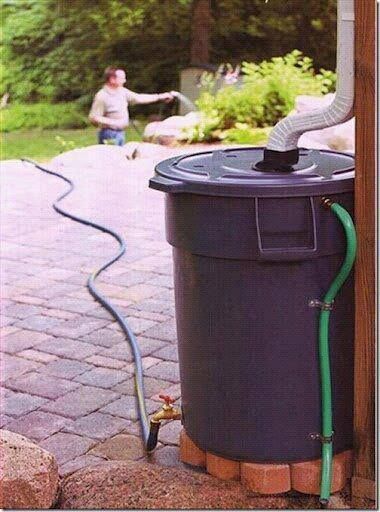
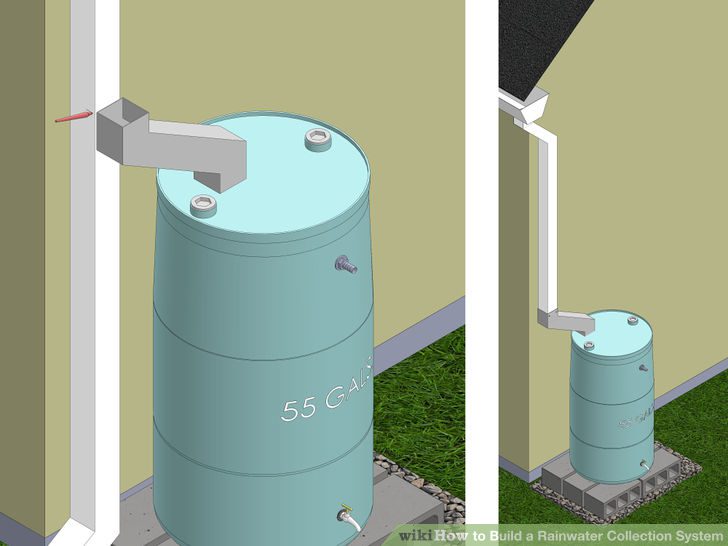
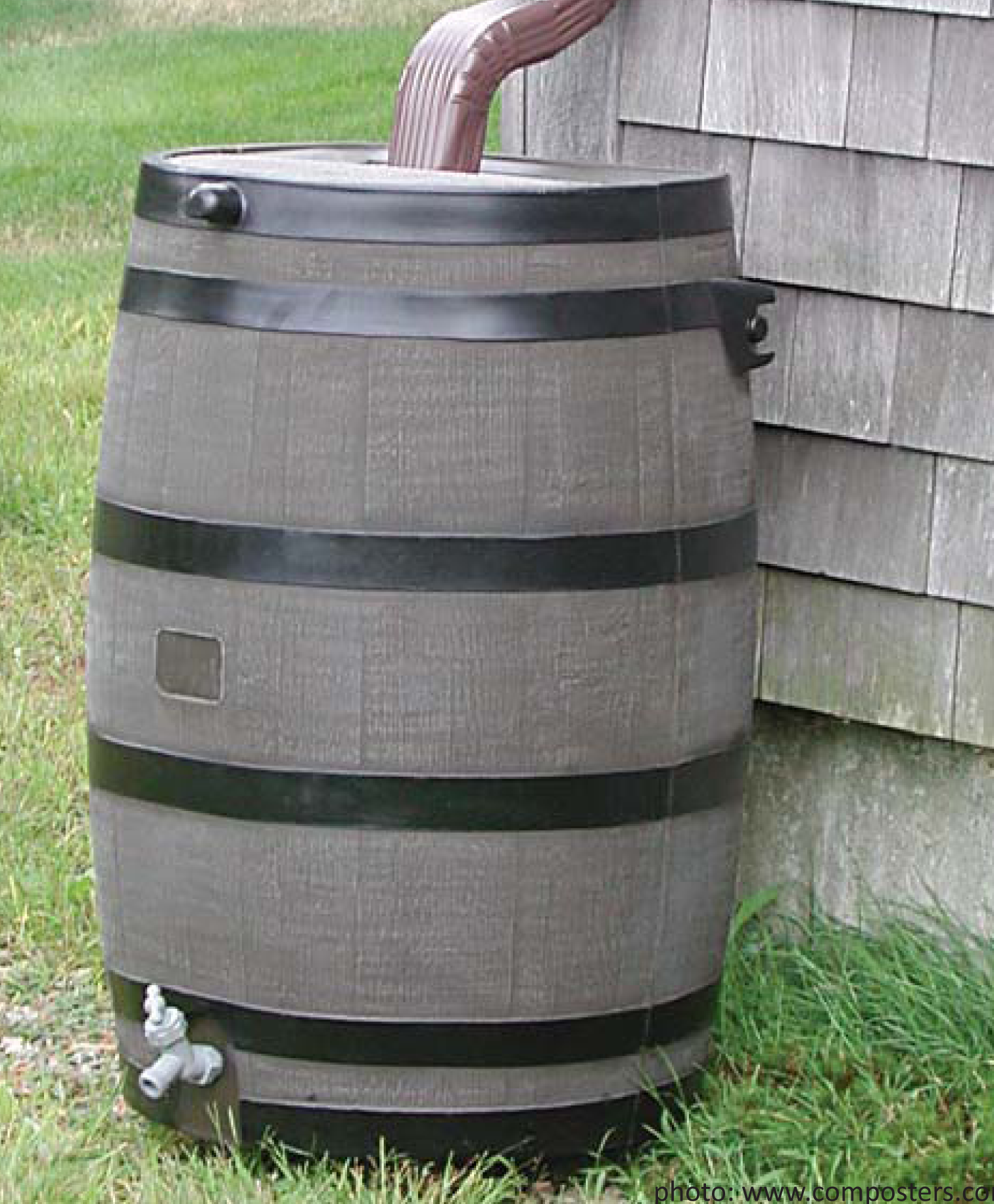
Choosing a barrel is quite simple, to start you need about a 200-500 litre (55-130 gallon) barrel or drum. The barrel needs to have an external pipe and valve so that you can connect a hose in order to water your garden or decant water into a bucket for use around the house. It also needs to have a hole in the top or the lid into which the gutter down-pipe can be channeled in order to fill the barrel.

When considering the location for your collection barrel, firstly look at which portion of your roof will provide the most collected water (if you cannot collect from the whole roof), look for the largest area of the roof which is channeled to a single down-pipe. Secondly look at the height of the barrel, you want the barrel to be as high as possible relative to your garden where the water will be used. The higher the barrel the higher the water pressure will be at the hose outlet. You could build a frame or stand on which to mount the barrel so that it is higher up off the ground and closer to the roof.

rainwater collection modification

Now you need to install the barrel. Remember that a full barrel of water is quite heavy and therefore the surface on which it is sitting needs to be sturdy. Use pavers or gravel to create a level surface. Place the barrel next to the down-pipe and mark off on the down-pipe where the diverter will need to be installed. Install the diverter on the down-pipe and place the outlet into the top of the barrel.

Your rainwater collection barrel is now complete and ready for your first rainfall. Remember that while rain water is generally quite pure, the roof and gutter system contaminates the water as it is collected, the stagnant water in the barrel is also a breeding ground for algae and small bacteria so you should never drink your harvested rainwater without suitable processing first. A water purification system can be bought online which processes and filters collected rainwater in order to make it safe to drink.

rainwater barrel

Do you have a rainwater collection setup? Let us know how it works for you in the comments section below.

Laundry Sign for Lost Socks

Anyone who has done laundry in their life knows that with every load, one or two single socks seem to escape to some sort of sock island for a get together. The monthly loads of laundry always result in a collection of sock singles. How about making a board to pin up the sock singles in the laundry in case their friends come looking for them again? This is a really easy project and can be customised to suite what you have available, there are a few different ideas at the end.

What You Will Need To Build A Socks Laundry Sign

  • A Sheet of Wood (Plywood works well around the size of an A3 page)
  • Paint (For the background)
  • Lettering (Either stickers, cutouts or stenciling)
  • Some Clothes Pegs (5-10 depending on the board size)
  • Small Wood Screws (The name number as clothes pegs)

How To Build Your Socks Laundry Sign

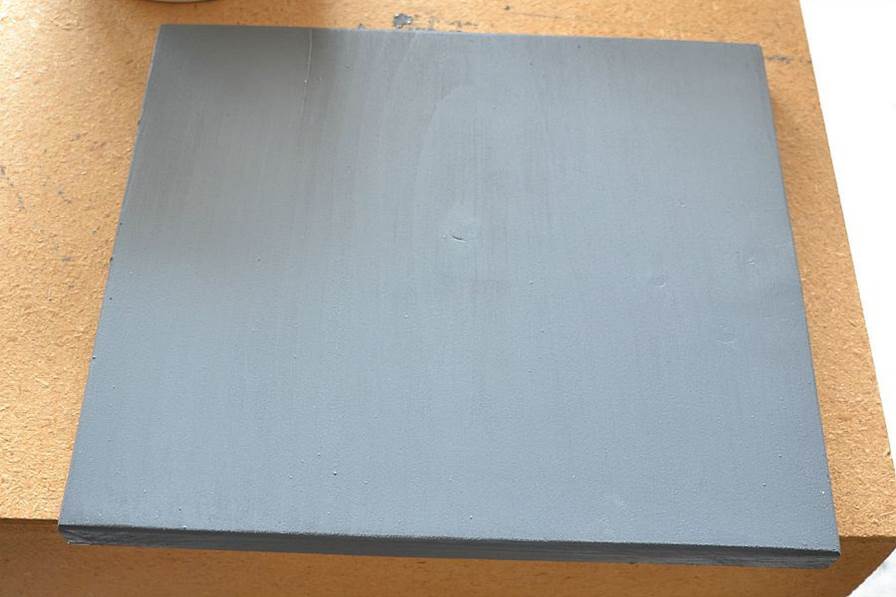
Start out by painting your board with the background colour, this colour should work well with your lettering so that it stands out. Try a dark background with light lettering or light lettering with a dark background.

paint board

When the paint has dried, you can stick on the lettering. Stick the lettering to the top two thirds of the board so that there is space for a line of pegs to be screwed onto the board below them. You can also modge podge lettering onto the board or use a stencil and paint the lettering on.
screws in pegs

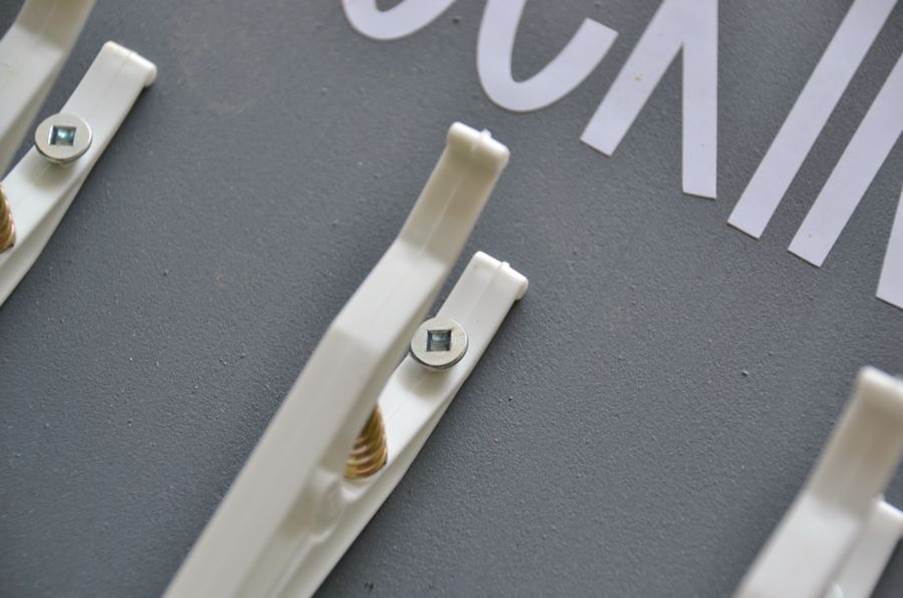
Finally, you can screw the pegs onto the board. Drill a small hole through each peg and then screw through them and into the board to secure them. If you are not comfortable with using a drill or screw driver, you could also use double sided tape or a glue gun although screws will be the most robust.

sock board option 2

Your pin up sign is now ready to be hung up in your laundry. Hang it up using a screw in picture hanger, a string tied across the back, screw it into the wall or again use double sided tape and tape it to the wall. All of your single socks can now be pinned up to wait for their better halves to be found. Here’s a guide to hanging pictures.

Here are some more ideas:

This article was adapted from: 100 Things to Do

Get Rid of Unwanted Wall Anchors, An Easy Trick To Hide Them

A common problem encountered when remodeling is removing the wall anchors used for mounting shelves, racks and accessories. If they can’t be covered with new accessories then you either need to pull them out (which has its own complications) or hide them. Fortunately there is an easy way to hide them so that they are virtually invisible.

What You Will Need To Hide Your Unused Wall Anchors

  • Hammer
  • Philips Screwdriver
  • Crack Filler or Drywall Compound
  • Sandpaper – 180 Grit

Hiding Your Unused Wall Anchors

Once you have removed the screw from the wall anchor, you’re left with the plastic or metal anchor stuck beneath the surface of the wall. Before you try to cover it up, its worth trying to grab it with a long nosed pliers first to try to pull it out. If it is stuck or there’s no easy way to grab it then you’ll need to cover it up.

First you will need to sink the head of the wall anchor below the surface of the wall. To do this, seat the tip of the screwdriver over the centre of the wall anchor. Now hammer the screwdriver lightly so that the anchor is pushed deeper into the wall. Eventually you want the top of the anchor to be about 2mm (1/8″) below the surface of the wall. Be careful not to hammer too hard as the drywall may dent or crack which will require a repair. Follow this link if you do need to repair your drywall.

Once the anchor is sunk, you can patch the hole over the anchor with crack filler or drywall compound, wait for it to dry and then sand it flush. Paint over it with your new paint (or a bit of the old paint if you are not changing colours) and your unsightly wall anchor have been hidden, its that easy.

Do you have any tips and tricks for removing or hiding wall anchors? Let us know in the comments section below.

Create a Home Coffee Station, Enjoy Takeout Coffee At Home

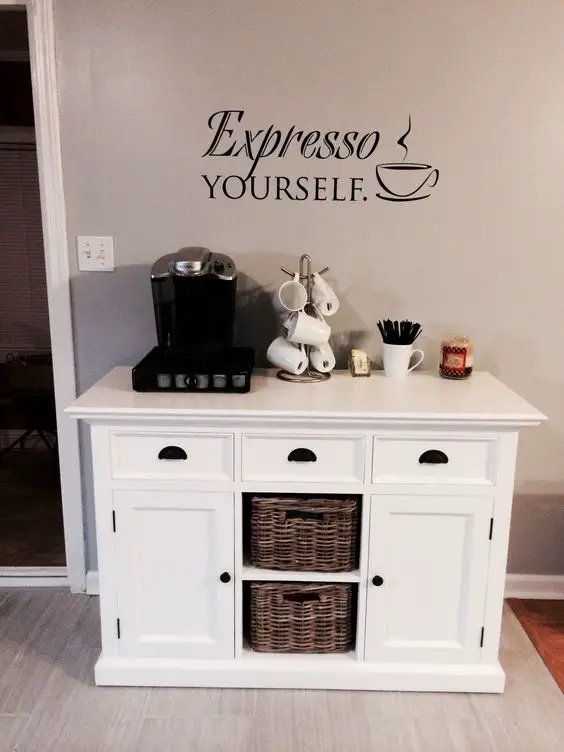
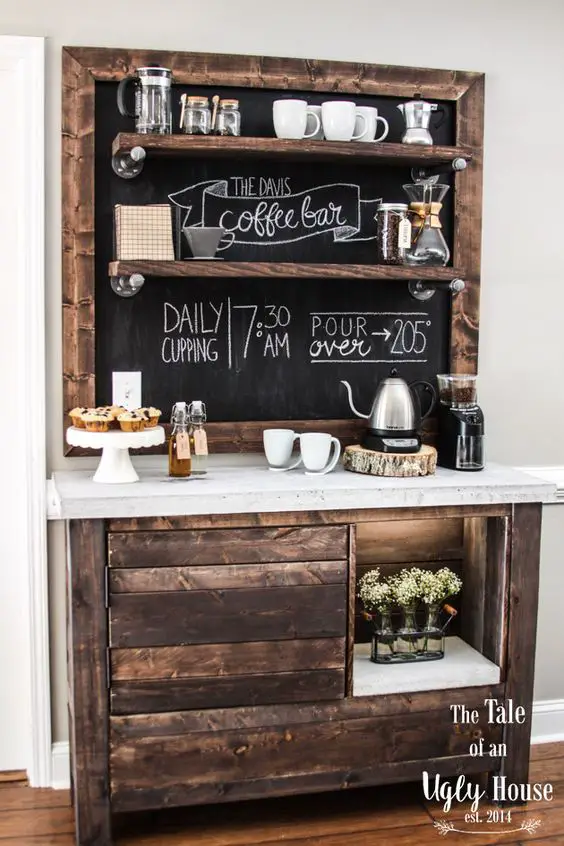
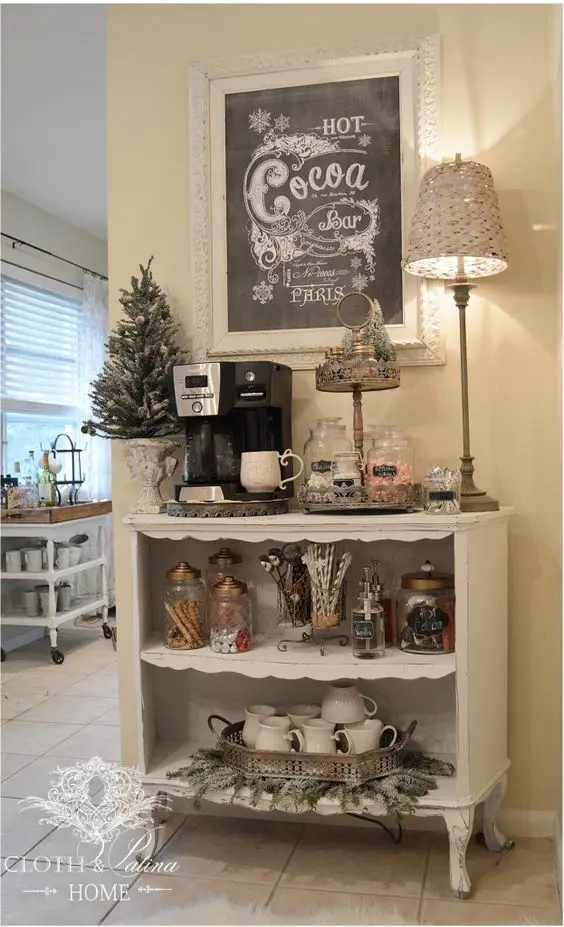
For most people, the day doesn’t really start until they have had their first cup of coffee. Imagine being able to walk down the passage and grab a nice hot cup of coffee from Kimbo Coffee without even having to leave the house. Creating a coffee station in your home is actually quite easy, all you really need is a coffee machine, some accessories and a place to put them all together, so lets get started.

home coffee station

Step 1 – Find a Location For Your Coffee Station

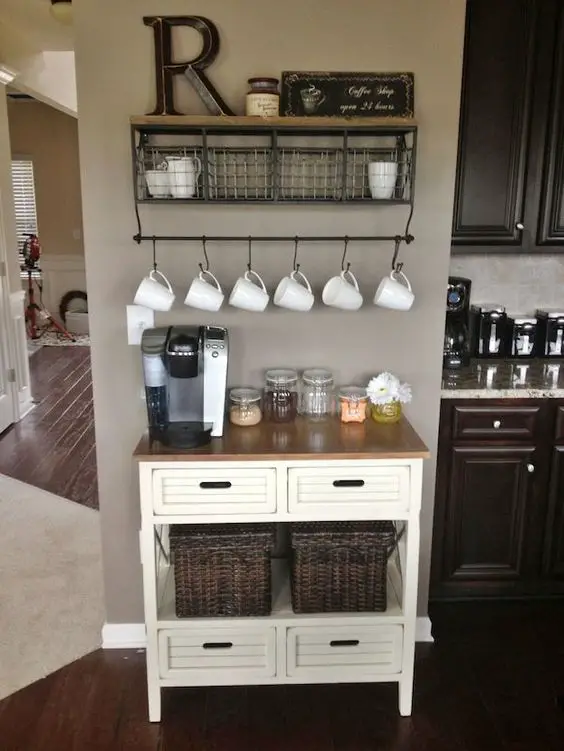
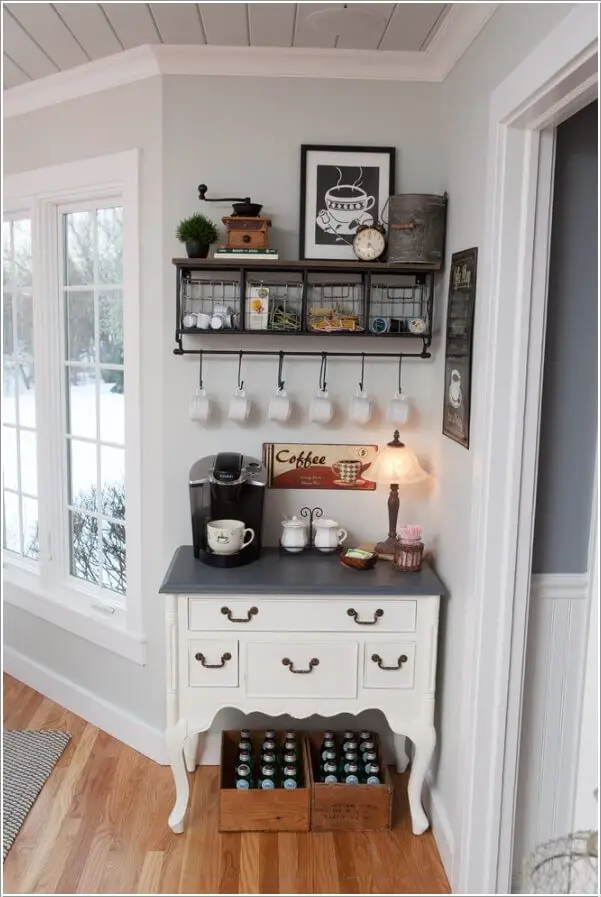
The first step to your home built coffee station is to find a location. Its quite typical to set up a mini coffee station in the kitchen; a small tray in front of a coffee machine, the milk is right in the fridge and your have ample drawer and cupboard space for your accessories. However, it is no longer conventional to have your coffee station in the kitchen. A well placed coffee station is both functional and creates a decorative feature for a passage, unused corner or wall. All you really need is somewhere you can place a shelf or sideboard. Most houses have a corner or area in a passage which is too small to be used as a study or reading nook, a coffee station is the perfect addition to use that wasted space.

home coffee station 6

Step 2 – Choose a Coffee Machine

Coffee machines are like cars, they come in thousands of ranges and sizes and each one is designed for a specific purpose. You first need to decide on how much you are willing to invest in a coffee machine and then what type of coffee you will be primarily drinking. You can choose to brew espresso, cappuccino, filter coffee or coffee from convenient pods, each has it’s own pros and cons. What’s also important is that the coffee machine will be the centre of attention at your coffee station so choose one that suites your styling and color scheme in the room it is going to be placed. You don’t want a vibrant red coffee machine shining in the corner of your pastel colored room.

home coffee station 4

Step 3 – Accessorize

This is where you bring everything together! No coffee station is complete without a large sign, which you can get from tradesignshop.co.uk, quote or lettering spelling out something along the lines of coffee being the most important part of your life. Stylish canisters can be used to store your coffee, sugar, spoons etc and this is the perfect place to display your artsy mug collection. Consider mounting a line of cup hooks below your shelf or sign board on which to hang a row of mugs. You could even add a book or two on how to brew the perfect cup.

home coffee station 3

Home coffee stations help to make your mornings a bit more enjoyable for you and all of your household residents. Have you created your own home coffee station? Let us know and share your ideas in the comments section below.

Before throwing out your used coffee grounds, consider using them in your garden. Read this guide on using your coffee grounds in the garden for more information.

home coffee station 2

Have you built a coffee station at home? Let us know in the comments section below.

Turn an Old Tyre into an Amazing Pond

Do you have old tyres lying around your garage or garden? Put one to good use by using it to create a beautiful pond or water feature. Not only will you attract birds and wildlife but you’ll also create a space for you to kick back and relax in a tranquil environment.

What You Will Need To Make A Tyre Pond

  • An Old Tyre
  • Tarpaulin or Plastic Sheeting (A Bit Bigger than the Tyre)
  • Rocks, Pebbles
  • Shovel or Spade for Digging

How To Make A Pond Out Of A Tyre

tyre pond

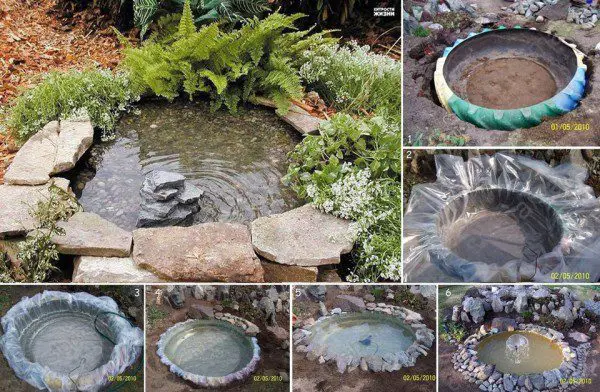
First you’ll need to find an old tyre. We all know that tyres come in a range of sizes so pick one that suits your needs, smaller ones suit water features and fountains while larger ones make good ponds for pebbles and fish. If you have a tyre lying around your yard or garage then your decision on tyre size is already made for you!

Next comes some manual labour so grab a water bottle and shovel. You need to dig out a hole for the tyre to lie in. Make sure that the hole is large enough for the outside diameter of the tyre, deep enough for the width of the tyre and finally make sure that the bottom of the hole is level so that you don’t have a sagging pocket in your pond.

Place the tyre flat into the hole as the pond frame. Now lay the plastic sheeting over the tyre and press it into the hollow. Make sure that the edges of the plastic sheeting are all on the top surface of the tyre so that you don’t have any problems with leaks.

tyre pond example 2

Lastly add your decorative rocks and pebbles. It is best to use smooth pebbles inside the tyre to hold the sheeting down so that the sharp edges do not puncture the plastic. If you are going to be adding fish then you will need some sort of pump or filter to keep the water moving around and aerated. Also remember to pre-treat the water to remove any chlorine or toxins before adding fish.

If you are turning the tyre into a water feature with a fountain, anchor the submersible pump with some smooth pebbles to create a solid foundation for the water spout.

tyre pond example

This article is adapted from: Homesthetics

Naturally Get Rid of Rats & Mice

Rats and mice in your home are both a nuisance and a health risk. They burrow and build nests which damage furniture and walls, create a mess and produce unpleasant smells. Ridding your home of these rodents can be dangerous if you have children around and you are using toxic poisons and chemicals. Rather use this simple guide to get rid of them naturally without any toxic products.

Keep Your Home Clean

Rats and mice are looking for two things when they enter your home: food and a place to build a nest. If there is an abundance of food lying around, rodents will be encouraged to stay. Keep all of your food stored in proper airtight containers in cupboards or areas which are not easily accessible for rodents. Additionally, keep old cloth, papers, towels and clothing packed away or stored in proper lock tight containers so that they cannot be shredded and used as nest material.

Peppermint Oil

Peppermint oil is a natural deterrent to rodents. The smell is intense and they will avoid it as far as possible. Peppermint oil is available at most pharmacies and grocery stores and is relatively cheap. Place drops on a ball of cotton wool and leave them around your garbage, food storage areas and any other area which could be used by mice as a source of food or a place to shelter. Replace or re-drop the balls every week or so.

Get a Cat

A household cat can solve a mice problem quite effectively. Cats are natural predators to mice and usually their scent and presence alone is enough to deter mice.

Move your Trash Cans

Mice can smell garbage and the smell of your trash can may attract them to your home. Move your trash cans away from your home as far as possible and mice will be less inclined to take up residence.

Get an Owl Box

Owls are also natural predators, encourage owls to move into your garden with an owl box. Owls provide a long term solution and will not be able to get rid an infestation as they only eat two or three times a week.

Do you have any tips and tricks for getting rid of rodents in the house naturally? Please share them with us in the comments section below.

How to Make Your Own Kitchen Island

All small kitchens could do with some more cupboard space and another work surface. A kitchen island gives you both of these and makes a stylish accent piece to fill the unused space. Whats best is that you can make your own kitchen island from up-cycled elements without spending much money. Here is a general guide on what to look for, how to bring them together and some ideas and inspiration to get your creative juices running.

Once you’ve built your island, become a master of your kitchen with these kitchen tips and tricks and while you’re at it, free up some space by organising under your kitchen sink.

Making Your Kitchen Island

A kitchen island is basically three things, a base, a work surface and some accessories.

kitchen island 1

Start With The Base

First you need to find a base. If you are looking for an open island which has hanging space for utensils and some shelving, then an old desk is ideal. If you are all about storage space then look for an old kitchen cabinet set or a set of drawers. The only limit is that the height should be an inch or two lower than your kitchen counters, this is usually around 75-85cm (30-34″). If you desk or set of drawers is much lower than this, you could put castor wheels underneath it to raise it a bit and allow it to be mobile.

kitchen island 4

Now Your Need A Counter Top

After you have found your base, you need a counter top. Ideally this should match your kitchen counter, however, you could make a wood surface for chopping or use a concrete or stone top for a more industrial or rustic feel. Importantly, the top shouldn’t be too heavy for your base.

The top is usually attached to the base with silicon caulk as it is easy to apply and stops movement, squeaking and vibration between the base and the surface.

kitchen sland 2

Personalise Your Island With Some Options

Lastly, you can add your options. Options include wheels to make your island mobile for convenience and for cleaning, shelves give your island more storage space, hooks and racks allow space for towels and utensils to be hung up or create a pot rack and save some drawer space.

Now that you know the basics, here are some inspirational ideas for your next DIY project:

kitchen island 3

kitchen island 8

kitchen island 7

kitchen island 5

kitchen island 6

Have you made your own kitchen island from scratch or recycled components? Send us some pictures or leave a comment so that we can include them.

Charging your iPhone Battery the Right Way

0

The superpowers of a modern smartphone quickly come to an end when it runs out of power. Most modern smartphones have a low power or saving mode when you are without a charger and really need your battery to last an hour or two extra. Aside from that, there are a few tricks for use and charging which allow you  to get the maximum life out of your iPhone battery:

Top Up Battery Charging

You may recall a range of articles and guides which discussed battery “memory” and how you should always charge from empty to full to keep teaching them their full capacity or they will forget part of it. While battery memory is a real thing, it only applies to older nickle based batteries. Almost all new smartphone batteries are lithium based and therefore do not suffer from “memory loss”. In fact, to get the most out of a lithium one, you should keep it charged above 50% as much as possible and going to fully empty regularly will dramatically reduce its life.

Additionally it puts stress on the battery being charged all the way to 100% or being left on charge once it is full. Your battery will perform the best when it is taken off charge before it reaches 100%, 80% to 90% is the best.

Apple recommends a full charging cycle be performed (discharging to 0% and then recharging to 100%) once a month to keep calibrated.

Heat Generation

Lithium batteries generate heat when they are being charged so it is actually best to charge them in short bursts of around 10-20% at a time. They also do not like being stores in hot places. At normal household temperatures, a lithium battery will lose about 5% of its capacity in a year but this goes up to around 25% when it is repeatedly left in the sun or a hot car, so its worth taking car of your phone and keeping it cool as far as possible.

Smartphone Storage

If you are going to be storing your phone for anything over a week or two, leave it with at least 40% of its battery capacity before turning it off. Lithium batteries become very unstable when they reach zero voltage and your phone is built to safeguard against this. When your phone says that the battery has 0% capacity, there is actually a built in safety margin. If you leave the phone stored on 0%, it will eat into this safety margin until it is depleted. To avoid a potential explosion or fire when recharging a battery which has been over-discharged, the control circuity is designed to “self destruct”, thereby rendering the battery useless and needing to be replaced.

Avoid Fast Charging

Fast charging sounds great, these charges allow you to fill your battery up by around 50% in 30 minutes when you just don’t have time to waste. While this is great for your schedule, it is not so great for it. Lithium batteries have the best life when they are charged slowly and consistently. It is not usually a problem fast charging your phone occasionally, repeatedly fast charging will certainly reduce its life.

iphone on charge

While its easy to do a couple of things to protect your battery, it’s also not worth it to become over protective. Simply avoiding regularly leaving your phone on charge overnight, leaving it in a hot car and keeping it charged above 40% will already go a long way to ensuring you get at least three to five years out of your phone battery. Most of us replace our phones every two to three years anyway.

Share This Post

Are You Charging Your Smartphone Correctly

Gorgonzola Pasta Sauce, The Perfect Partner For Gnocchi

A creamy Gorgonzola pasta is the ultimate comfort food. Try this sauce with fresh penne or homemade gnocchi.

What You Need To Make Gorgonzola Pasta Sauce

Makes About 4 Servings, Preparation Time 5 Minutes, Cooking Time 10 Minutes

  • 70g Gorgonzola Cheese Crumbled
  • 50g Mozzarella Cheese Grated
  • 1 Cup Heavy Cream
  • 1 Tsp Crushed Garlic
  • Salt & Pepper to Taste

How To Make The Pasta Sauce

Heat up the cream over a medium heat until it begins to boil. Turn down to a low heat and slowly add the crumbled Gorgonzola cheese while stirring continuously until it has all melted.

Add the mozzarella cheese in the same way, stirring continuously until it is completely melted.

Add the crushed garlic, salt and pepper and allow to simmer until thickened.

Pour over freshly cooked hot pasta.

If you don’t use all of the sauce at once, it also freezes well for a month or two. Make sure that you reheat it slowly over low heat in a saucepan when you are ready to use it again.

What are your favorite sauces and pastas? Do you have a favorite pasta to have with Gorgonzola sauce? Let us know in the comments section below.

Growing Your Own Veggie Seedlings

Growing your own seedlings from seeds offers you a lot of control over your veggies and can be very rewarding. The key to a successful veggie garden is planning, you need to decide on the time of year and the positioning of your veggies in the final garden bed so that you know how many to grow and when to start them. Once you have a plan, here’s how to start growing your seeds.

Well Lit Area

growth lights

In order to grow healthy seedlings, you need a well lit area. Seedlings need at least 8 hours of light a day and most plants will do even better with 12-16 hours of light per day. A sunny window sill or porch is ideal for natural light or for better results an artificial light source on a timer will work the best. Place the lights about 10cm (4″) above the seedlings (this may need adjustment as they grow) and put the lights on a 16 hours on, 8 hours off timer.

Growing Containers

You need some containers or trays to fill with soil as your grow beds. These can be small pots, trays, toilet rolls, newspaper pots or any container with a few drainage holes in the bottom of them. Place the containers on a tray or in a container to catch any water which drains through the pots.

Seedling Soil

Use potting soil or a specially formulated seed starting mix made for growing seedlings. As far as possible, try not to use contaminated garden soil to start seedlings to ensure that no diseases are introduced and the seedlings are kept healthy. Make sure the seedling soil is moist before filling your containers with it. Press the soil down gently to remove any pockets of air which may have formed.

Sow the Seeds

The packet your seeds come in usually specifies the sowing depth. Poke a hole with a stick or your finger to the required depth and drop two seeds into it. Cover the hole with soil and press it down gently. Drop a few drops of water onto the top of the bed to moisten the seeds.

Cover the seeds trays with a clear plastic lid or dome to keep the moisture locked in. Check the trays daily for germination and keep the soil moist but not wet. As soon as the sprouts are visible, you can remove the moisture dome and place the seed trays in the sun or under your lights.

Water Regularly

Keep the soil moist but not soggy, use a dropper, turkey baster or mister to water the seedlings to avoid damaging their roots. Once the seedlings start growing proper leaves, you can allow the soil to dry out slightly between watering.

Fertilize Your Seedlings

If your seed starting mix does not contain any nutrients or fertilizers, you will need to start fertilizing your plants once they begin growing leaves. Begin fertilization with half strength fertilizer until the seedlings and transplanted.

healthy seedlings

Continue growing your seedlings in this manner until they are large enough to be transplanted into the garden. Some larger variety plants may require transplanting into a larger pot and some spacing out as they grew before they are large enough to be moved into the garden.

Before moving your seedlings into the garden, thoroughly wet the garden bed the day before you plant them. Plant your seedlings in the later afternoon to give them time to adjust to the environment before the next day’s midday sun. Water the seedlings well just after your have planted them.

What you grown your own seedlings from seeds? Let us know your tricks and tips in the comments section below.