

Home Blog Page 29

5 Top Tips For Remodelling Your Bathroom On A Budget

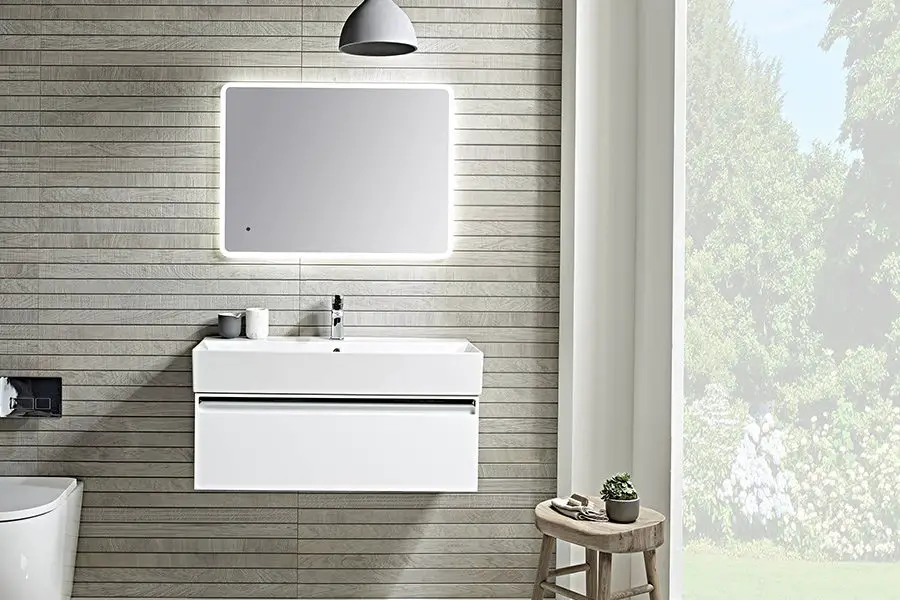
The bathroom is one of the most used rooms in the home and designing one to meet your families needs can be challenging both practically and financially. The average family bathroom is small compared to most of the rooms in a typical house, yet a redesign can still cost between £3000 to £10,000 depending on the bathroom furniture and fixtures you choose.  In this post, I will go through 5 of my top tips for remodelling your bathroom while sticking to a budget.

Go Green. Save Your Wallet And The Planet.

My first money saving tip is to go green with your bathroom and become eco-friendly.  Even if you are not the most environmentally friendly person on the planet you can still do your bit to help with a few small changes, and these changes can save you a lot of money long term. By installing low-flow bathroom fixtures such low flow toilets, dual flushing toilets, low flow shower heads and LED lights you can save on your utility bills considerably. Low flow toilets and bathroom fixtures can save the average family over 40,000 gallons of water per year, not bad for a simple fix.  

Install Fittings Yourself And Save

Skilled manual work can be difficult, but with that said, if you are looking to save money on your bathroom remodel, fitting fixtures like the toilet is a great way of saving money. I picked the toilet because it’s quite simple to fit, even with no experience.  All you need to do is have a look on youtube and look for a tutorial. The toilet only has one waterline to hook up so don’t be put off, it’s actually quite easy to install. If you do fit your own toilet, get someone to help you move it as they can be heavy and remember to turn off the water in your home before taking your old toilet off the wall.  

Install fittings yourself and save

Update Fixtures And Fittings If You Can’t Afford A Complete Remodelling

If you can’t afford to start from the ground up and have a full bathroom remodel you should have a look into replacing some of the fittings like bath panels, light fixtures, sinks or bathroom cabinets. Every time I have sold a house I have used the above method to make the bathroom (and kitchen) more looked after and more expensive than it actually is.  Replacing the small details will make a huge difference in the aesthetics of your bathroom design.

You can even go a step further if your budget is limited.  Start by replacing the towels, bath mats, toothbrush holders, toilet brush, and toilet seat.  You can replace all of the above for very little and it still makes your bathroom look much better than before. If you can’t afford a complete remodelling, have a look at these top 10 DIY bathroom upgrades you could do this weekend.

Shop Around For Suppliers And Contractors

The majority of your bathroom remodelling budget will go on materials and labour, because of this it makes sense to shop around for the best deals.  Often online stores will have cheaper prices than the shops locally, however, this isn’t always true. 

If you are looking to remodel on a budget you can look in store for ex-display items, they may not be brand new and will have a few scratches but they will look better than that 15-year-old bathroom suite you currently have.

To save money on your bathroom design it is very important to set a budget and stick to it. Only when you have a budget should you start to look for a bathroom suite otherwise emotion will play a role in the buying process and you will end up spending way more than you should. Some companies charge £5000+ for a bathtub, while others charge £2000 for an entire bathroom suite.  Know your budget and stick to it.

Shop around for remodelling suppliers and contractors

Unless You Have A Large Budget, Keep The Pipework Where It Is.

Plumbers are expensive so when remodelling on a budget you will want to keep the time a plumber is working on your bathroom to a minimum.  Bathrooms can benefit tremendously by moving certain parts of the plumbing around, maybe moving the toilet into the corner and putting the sink more centrally looks better, but when you’re working on a budget it doesn’t make sense to move them around. Moving the pipework around can increase costs fast, my money saving tip is to leave the plumbing where it is unless it’s a major problem in terms of practicality.  This may limit your overall design, but it will save you money.

Conclusion

If you create a realistic budget and make smart choices you can easily create an amazing looking bathroom without breaking the bank.  I have moved home several times and I always remodel the same way. Doing all of the above I have on average saved over £1500 with every bathroom remodel.

Do you have any bathroom remodelling tips and tricks that can help save money? Please leave them in the comments below, we’d love to hear them.

Natural Upgrades To Give Your Modern Home A Touch Of Rustic Serenity

Modern design homes may showcase smooth and polished surfaces, monochromatic spaces and all the latest fashion when it comes to furniture and minimalist decorative items. However, when you overdo it, modern décor can seem cold and artificial, which many homeowners want to avoid. This is why, in order to add their own unique and personal touch to their living space, many of them introduce certain natural elements and hints of rustic design here and there. This allows them to create somewhat of an eclectic and a bit warmer décor style in their home. Here are some ideas for you to turn your own home into a modern rustic one as well.

Rustic kitchen upgrades

Rustic kitchen upgrades

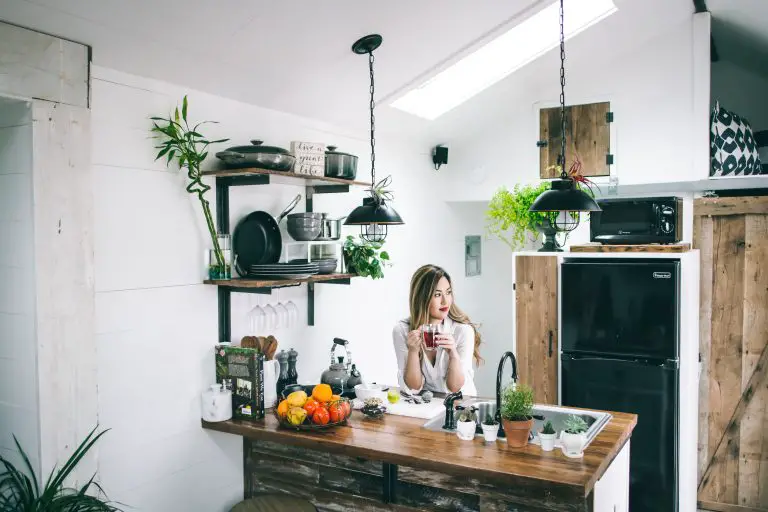
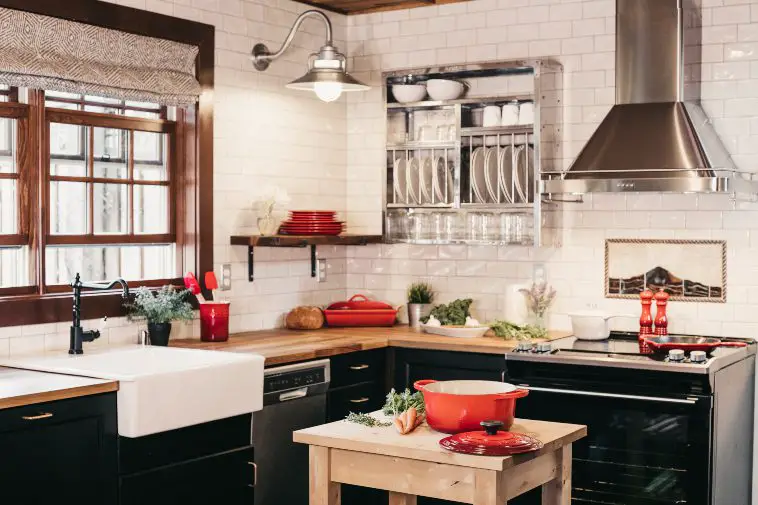
When it comes to kitchens, they’re the perfect place to start with upgrades. First of all, there’s a difference between the role of the kitchen in a home in the past and nowadays, which is reflected in its design. While once the kitchen was simply a place where food was prepared and only the cooks would spend time in, today it’s a common area, a focal point of most homes, and a place where families spend their time together. So, a modern kitchen will feature plenty of technology, sensors and smart designs, with white and other lighter colors now making way for darker cabinet colors, and with quartz countertops being the first choice of most homeowners. A nice way to make it a bit more rustic and natural is to choose a warm and welcoming hazelnut for your cabinets, or replace your quartz countertops with butcher block ones. Add a few vintage-looking canisters or hang some decorative plates on the kitchen walls and you’ll create that farmhouse charm you were aiming for.

Dine like a farmer

Dine like a farmer

No matter how slick and modern your dining room set is, if your ceiling has exposed wooden beams or if you’ve put some vintage decorative dishes on a rustic wooden shelf on one of the walls, the room will get a wonderful country-style feel to it. On the other hand, if your walls are painted in one of the contemporary hues, such as misty blue, coral or various shades of gray, with huge windows for a modern look, you’ll make a great impact by choosing a large country-style wooden table with matching old-fashioned chairs, or functional barn doors, which are an ideal combination of rustic and modern that can fit into any space. Another way to mix and match these two décor styles is through lighting fixtures. Current fashion dictates matte finishes and minimalist lighting fixtures, as well as pendant lights in different shapes and colors, which you can hang above that rustic table, or you can go the other way about it and hang a rustic ring light with unfinished metal details. Finally, if you opt for natural wood for your flooring, it will be just a big enough splash of rustic for any amount of modern-style décor.

Bring the outdoors into your living room

Bring the outdoors into your living room

A white color palette with contemporary graphic art and see-through furnishing is what you can expect from a modern living room. This minimalism with its clean and organized, and sometimes even sterile space can benefit a lot from some more natural elements. For instance, if you have large windows with a view of the city, you might lack the golden yellows and greens of trees and fields, which is something you can introduce through art on the walls. Similarly, a straight-line sofa will look much cozier and alluring if you place several embroidered cushions and throws on top of it, or if you choose furniture covers in prints and patterns which mimic the exact type of outdoor spaces you like, whether it’s a red, orange and yellow sunset, or the greens, blues and grays of a rainy day over a green meadow. Another great way to achieve a similar effect is by investing in a nice traditional rug for your living room floor. Whether you choose it in wool or another natural material, a rustic area rug will make your living room instantly more inviting and will soften any sharpness of contemporary-design furniture. Just make sure that the color you get your rug in complements the rest of the room and that you like it enough to make it a part of your living room design.

Your home is your safe haven, your go-to place when you need to hide from all the stress and madness of everyday life. This is why you should add a dash of nature and just a tinge of rustic style to make it a serene and relaxing place you need it to be. With these tips, it should be a piece of cake.

What Are The Best Solar Batteries In 2019?

Solar storage batteries are the core of any home solar power or off-grid system. These batteries are used to store the energy generated by your solar panels during the day so that you can continue to use the power in the evening, through the night and on days where there is limited or no sunshine. Solar storage batteries can also be used as a backup system if you have intermittent or unreliable power supplied to your home. The battery industry is ever changing, but is it worth splashing out on the latest technology when you could be saving money by using slightly older ones? Let’s have a look at what the options are in 2019 and whether your should consider upgrading your batteries.

If you’re new to solar power or are just getting started with a new installation, you may want to have a look at this guide on switching to solar power. We also have a great guide on building your own solar panel from scratch if you’re feeling particularly hands-on.

Common Types of Batteries Available In 2019

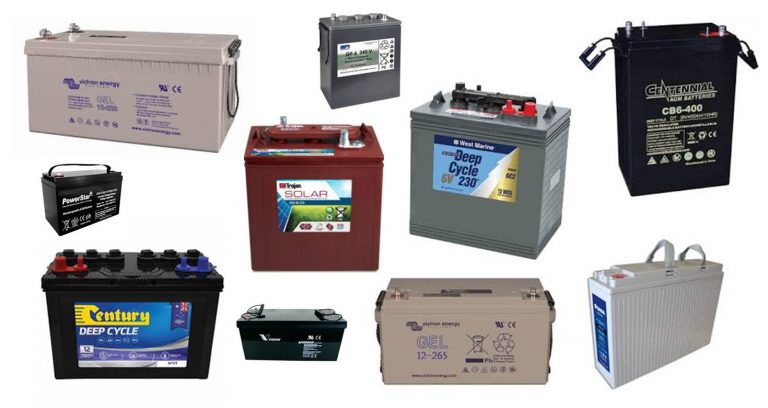
Solar storage batteries may look similar to vehicle or truck batteries but they’re actually quite different, they’re designed for a deeper cycle (can be discharged further without damaging them), specifically to store energy for power backup and renewable energy systems. Here are some of the more common types of solar storage batteries available in 2019:

Lead Acid Batteries

Although one of the oldest technologies on this list, they’re still by far the most common and arguably the most affordable. Lead acid batteries are very similar in principle to general car batteries in that they have a number of “wet” cells linked together which are filled with acid. There are however some key differences in construction which enable them to be discharged more deeply (deep cycled) than regular car batteries.

These batteries are popular due to their low upfront cost and reliability. The main disadvantages of this type of battery are that they are generally quite heavy and bulky and they don’t last very long due to internal corrosion on the plates. They are also required to be stored in a ventilated area and you’ll need to check on their acid levels periodically and top them up when required.

AGM Batteries

AGM or absorbent glass mat batteries are simply a variation of the lead acid batteries discussed above  in which the acid or electrolyte is absorbed by a glass mat, making them lighter and a bit more reliable, requiring less maintenance.

AGM batteries are particularly useful if you live in a cold region as they’re more resistant to cold temperatures than lead acid batteries and they do not require as much ventilation so they can be stored in a more confined space.

Gel Batteries

Gel batteries are again similar to lead acid batteries but the electrolyte is thickened to a gel-like state by an additive which makes the batteries less hazardous and less likely to leak. They require no ventilation and can be discharged at a higher rate than lead acid and AGM batteries.

They are a popular option for solar installations but they are very sensitive to being overcharged. Since most charging systems are designed by default for lead acid batteries, the lower charging voltage required by gel batteries results in them being easily destroyed.

One of the main benefits of gel batteries is the higher life-cycle (number of times the battery can be charged and discharged until it is no longer effective) than lead acid and AGM alternatives although they can sometimes be significantly more expensive.

Lithium-Ion Batteries

One of the newer additions to the list, lithium-ion batteries are becoming an increasing popular option as their cost is steadily reducing. Lithium-ion batteries form the heart of most portable power tools, cellphones and portable electronics. They’re small and light weight for their power storage capacity, they can be discharged almost entirely without damaging them and they have a significantly higher life-cycle than the other batteries on this list. The Tesla Powerwall home energy storage solutions are powered with lithium-ion technology.

There are a number of different types of lithium-ion batteries available but the most common and most suitable type for solar installations is Lithium Iron Phosphate (LiFePO4).

The biggest disadvantage of lithium-ion batteries is the cost, they often cost four to six times what lead acid batteries of a similar capacity cost.

Some Things To Consider When Choosing Solar Batteries

There are a couple of things to consider when choosing which solar storage batteries to buy in order to get your best value for money and the type of battery which is most suitable for your application and needs:

  • Battery Storage Capacity – your battery’s energy storage capacity generally means how much energy can be stored in the battery to be used at a later stage, obviously the more the better. Have a look at this article to figure out how much battery storage capacity you’ll need for your home.
  • Cost – cost is probably going to be the main factor in deciding on the type and size of your storage batteries. Everyone’s needs and budgets are different so you’ll need to have a look at whether a high initial cost for potential future savings is your main goal or if you’d rather experiment on the cheaper side first and look at upgrading elements of your system in future.
  • Battery Life & Warranty – battery life or the number of cycles the battery can go through before being considered to be ineffective is somewhat related to the cost. You’ll find that batteries which are initially cheaper tend to reach their cycle limit much faster than more expensive ones. Lead acid batteries can usually only do 500-1000 cycles depending on how deep the cycle is, while some modern lithium-ion batteries can do up to 5000 cycles. If you take into account that the lithium-ion batteries may last up to ten times longer than lead acid batteries then it may actually work out cheaper in the long run to go with lithium ion batteries. Also make sure that you know what the manufacturer’s warranty is so you know you’ll be covered if anything goes wrong with the battery prematurely.
  • Charging Time – the speed at which your batteries charge can become important if you live in area with limited sunlight or you have a large storage capacity. Lithium-ion and gel batteries generally charge much faster (3-4 hours) than lead acid batteries which may take the whole day.

Our Top Battery Choices For 2019

  • Lead AcidMighty Max 12V 100Ah Deep Cycle Lead Acid Battery.  These lead acid batteries offer a great, sturdy design and at a really good price. They’re definitely not the best batteries on the market but you’ll struggle to find a more cost effective and reliable solution.
  • AGMExpertPower 12V 33Ah Deep Cycle AGM Battery. This is one of the most trusted and reviewed batteries available on the market now and at $75, is still really affordable.
  • GelNPP NPG12 150Ah Gel Deep Cycle Battery. We’ve chosen this gel battery for its reputation, capacity and price point. It is quite expensive at $310 but given its capacity of 150Ah, you’re actually paying less per Ah than the AGM battery listed above.
  • Lithium-IonRenogy 12V 50Ah Lithium-Iron Phosphate Battery. This is by far the most expensive option on the list but for the size and lifespan you can expect from this battery, in our opinion it is worth it in the long run. You’ll be getting many years of reliable and consistent, maintenance free use from this battery.

We know that choosing the right battery for your solar power system might seem like a daunting task when you’re starting out but if you keep to your budget and consider your primary application, you can’t really go wrong. If you found this post helpful, please share it with your friends and let us know which battery option you’ve gone with in the comments section below. We’d love to hear from you!

Remember to consult a professional for advice or installation assistance if you are unsure of what you are doing, there batteries store a large amount of energy which can be dangerous if incorrectly installed.

Share This Post:

What Are The Best Solar Storage Batteries In 2019?

How To Reduce Heat Loss From Your Home

Reducing heat loss from your home is an important part of reduce your homes energy and electricity consumption, thereby reducing your monthly bills. We’ve put together a list of our best tips to ensure that your home is making the best use of the energy you’re putting in and not losing heat unnecessarily to the outside.

Reduce Drafts And Air Leakage

  • Have your window and door frame’s caulking checked at least once a year. Draughts through cracks in the caulking around your windows and doors can lead to significant heat loss.
    • A great time to check your caulking is when you repaint the exterior of your home as redoing the caulking will often lead to white smudges around the frames.
  • Make sure that all of your windows close and seal properly. Damaged hinges, sliders or latches can cause gaps which allow the warm air to escape.
  • If you have a chimney, close it off when you are not using it. An open chimney creates an upward draft which literally sucks the warm air out of your home. If your chimney does not have a shut-off mechanism, you can buy specially designed stuffers and inflatable “balloons” which block off your chimney. Just remember to remove them before using your fireplace again!
  • Install good quality air vents which are not simply open to the outside of your home. Proper air vents, like these passyfier vents from Sovereign Chemicals, don’t allow drafts to pass through them but rather gently bleed air and moisture through them to the outside of your home.
  • Make sure that the bathroom or kitchen ventilation fan exhausts have baffles or draft blockers installed onto them so that you don’t get cold air blowing back into your home.

Improve Your Home’s Insulation

  • Double and triple glazed windows are a must for extremely cold regions. Glass is a good conductor of heat and a large amount of heat can be lost very quickly through large windows. By leaving a pocket of air, which is a bad conductor of heat, between the panes of glass, the heat loss through your windows is dramatically reduced.
    • If you can’t afford to install double glazing or your home can’t accommodate it, consider installing insulating window shades or blinds such as honeycomb type double cell insulating blinds. These blinds stop the heat from escaping through the windows during the evening or on less sunny days. You can also get thermal curtain liners installed.
  • Reduce heat loss through your roof by laying down loft insulation material over your ceiling boards. Insulation material is relatively inexpensive and is available from most hardware stores.
    • There’s an easy way to see if you’re losing excessive heat through your roof. Have a look at your roof on a cold and frosty morning. If there are any areas on your roof without frost then you know that you’re losing heat through that area and you should look at improving the insulation.
  • Make sure that all of your radiator pipes and hot water pipes are insulated on the outside or in the service ducts and roof of your home. You’ve just used energy to heat the water up and you don’t want to be losing that heat to the outside of your home unnecessarily.
  • Get your floor properly insulated. According to some studies, up to 10% of your home’s heat can be lost through the floor alone. Wood and carpet floors offer the best insulation, just make sure that your floorboards do not have large gaps between them.

Keep Curtains Open During The Day

Use Effective Heating Methods To Reduce Your Energy Consumption

  • Keep your curtains open during the day in winter to allow the sun into your home. The warmth from the sun can make a big difference to a room’s temperature during the day.
    • This is why property or estate agents advertise north facing houses in the southern hemisphere and south facing houses in the northern hemisphere as being a great benefit.
  • Close the doors to the unused rooms in your home so that your heating system is not working harder to keep a larger volume of air warm.
  • Replace your bathroom exhaust vent fan switches with timers so they are not left running by accident. These exhaust fans typically discharge to the outside of your home or into the ceiling which just wastes the air you’ve warmed up.

If you’re passionate about saving energy around your home, have a look at these 30 energy saving tips for your home.

Have you tried any of the above tips to reduce heat loss from your home? What are some of the other tips and tricks you use? Share them with us in the comments section below.

Fire Damage Emergency Tips: What To Do Until Help Arrives

A home fire can cause a lot of destruction and can be potentially dangerous. Although quite rare, home fires do still occur, and it’s important to know what you should do immediately after the fire has been extinguished to ensure that your home remains safe and that the damaged areas have a chance at being restored. You’ll not only be dealing with the damage from the fire, but also water damage which has been caused by the firefighting team.

When working in an area which has been damaged by fire, your primary focus should be on safety. Here are some fire damage restoration tips which you can follow before the professional help arrives to begin with the restoration. Following these tips will ensure that the area has the best chance of being fully restored.

Note: These tips are for small home fires which have not damaged the structural integrity of your home. If the fire has damaged the structure of your home’s walls, roof or floors then you should get professional assistance as there may be an impending risk of collapse which can result in serious injury or death.

Fire Damage Restoration Tips: Until Help Arrives

1. Remove Smoke Damage

When a fire occurs in a home, there is almost always some amount of smoke damage caused to the walls, wallpaper and paintwork. First try dusting the affected area off with a duster to remove any loose soot and then clean it by scrubbing with a mixture of water and a mild detergent such as dish soap or thin bleach. The soot cause by fire smoke is usually quite greasy and therefore requires a detergent to break down the grease in order to come clean.

2. Get Rid of Mold and Mildew

One of the next biggest risks is the onset of mold and mildew caused by the water which was used in the firefighting process seeping into the joints in your walls, floors and ceiling. It is usually best to get a professional team in to assist with drying out your home, they’ll use a series of pumps, fans and dryers to get rid of the damp. Proper drying is crucial as mold and mildew build-up in your home can cause serious health issues.

You can assist in making this process a bit quicker by immediately opening up all of the windows, vents and doors to air out all of the rooms before the professionals arrive. You can also give your filters a proper clean once they have been removed.

3. Limit Movement Throughout the Location

Until help arrives, limit movement around your house. This helps in preventing the movement of fine soot particles; you don’t want these to stick to the carpets and upholstery. This doesn’t mean that you can’t clean or remove items, just try to limit the number of people involved. Also be sure to keep your hands clean to prevent yourself from spreading soot around your home. You can protect you undamaged furniture and décor by covering them with clean towels.

4. Clean Smoke Damage from Clothing

Depending on the location of the fire, your clothing may be covered in soot, have smoke damage or may just smell like fire. Do not simply throw all of your clothing into the washing machine, dry cleaning is a much more effective cleaning method for this type of dirt or damage. Ask your local dry cleaners if they have any experience in post fire laundry.

5. Clean and Dry Flooring or Replace Carpets

The carpets in your house are prone to absorbing water and soot after a fire and will most likely need to be replaced. It is very difficult to thoroughly clean and properly dry out your carpets after a fire so most professionals will recommend replacement.

If you have floor boards or hard wood flooring, water will probably have soaked underneath the flooring. A professional drying company will be able to assist you with drying out this area, as mentioned previously.

6. Soak and Clean your Dishes

Utensils, crockery, pots, pans and other dishes are essential to clean after a fire as they are going to be in contact with food and can therefore cause serious health issues. Wash all of your dishes well; even those which were in a cupboard and don’t look dirty. Let them soak in a solution of water and bleach. If any dishes or utensils won’t come clean then throw them out, it is not worth the risk.

Basic Do’s and Don’ts in Case of Fire Damage

  • Clean all appliances with a light coating of oil or Vaseline.
  • If the power supply has been damaged or turned off, empty your freezer and refrigerator and the keep doors open with rolled towels or newspaper to absorb the moisture.
  • Clean your indoor plants, wipe down both sides of the leaves with a damp cloth.
  • Open all of your windows for ventilation (depending on the weather conditions outside).
  • Use a double layer of cheesecloth on air registers.
  • Use wet clothes on windows and doors as it helps in dealing with the smoke.

What Not to Do After a Fire?

After a fire has damaged a portion of your home, there are certain things which are strictly a no-no. Don’t attempt these after fire damage:

  • Don’t clean any electrical appliances which were close to the fire.
  • If the ceiling is wet and your home still has power, do not turn on ceiling fixtures. This may cause damage to the wiring.
  • Don’t use any unsealed food or beverages which were stored near the fire.
  • Don’t use electrical appliances like your television, radio or laptops until they are checked by the experts, especially if they were close to the fire or got wet in any way.
  • Do not try to wash absorbent surfaces, the dirt and soot will further soak into them.
  • Be cautious moving around and limit your movement to the affected area. Do not go into any areas which have visible structural damage to the walls, floors or ceilings.

Your safety is the most important in situations like this, no material possessions are worth risking your safety for. So wear safety equipment like shoes, long sleeves clothes, gloves, safety glasses, and a respiratory mask where possible.

If you enjoyed this article, you may also be interested in how to reduce the risk of and deal with chimney fires.

Have you had to deal with a fire in your home? Let us know what you did to assist in restoring your home in the comments section below.

How To Resize A Watch Strap, Make It Smaller Or Larger

If your watch has a metal strap then it’s likely not easily adjustable, it has set size links which need to be added or removed in order to resize it. The good news is that you don’t need to take it to the manufacturer or a jeweler to resize, you can do it yourself with just a couple of tools you’ve likely already got. Its actually quite an easy process once you know what to do.

Tools You Need

How To Resize Your Watch Strap

To start with, you’ll need to find the original spare links which should have come in your watch’s box when you bought it. Although you’ll only need the actual links if you’re making your watch strap larger, the spare pin(s) are going to help you to remove the pins which are currently installed in your strap if you don’t have a watch tool kit.

You Should Have Received Replacement Links With Your Watch

If you can’t find the original links or you don’t have a loose pin with them because the pins are also installed in the replacement links and are not easily removable then you’ll need to find a thin and strong piece of wire (a thin paperclip would work), small screw driver or blunt needle to push the pins out with.

You need an edge to place the strap over and tap the pin out of the bottom. Try use the edge of a strong box, a piece of soft wood or the spin of a book. It needs to be strong enough to support the watch strap while tapping but not too hard or rough that it scratches or scuffs your watch.

Position The Pin To Be Removed Over An Edge

Place the pin which you’re trying to remove over the edge and then line up one of the loose pins or your thin wire with the tip of the pin in the small hole on the side of the strap.

Align Pin With The Pin In The Strap

Most watches use solid round pins but there are a few which use split pins which have a bulging rounded end and the other end has two folded over half circles. With these type of pins, you cannot push the rounded end through the strap, you’ll need to tap on the split (two piece) side to push the pin back out the way it was pushed in. Likewise, when re-installing it, you’ll need to push the end with two piece in first.

Once you’ve got it lined up, gently tap the back of the loose pin with a hammer or solid object to push the pin out of the other side of the strap.

Tap The Pin So That It Protrudes Enough To Grap With Pliers

You don’t need to push it the entire way out or you’ll then struggle to get the loose pin out. Just tap it enough so that the end of the pin protrudes enough to grab it with your pliers and pull it out the rest of the way.

Now that you’ve got the pin part of the way out, grab it with your pliers and pull it the rest of the way out.

Use A Pliers To Pull The Pin From The Watch Strap

Your watch strap should now come apart at the links where where you’ve just removed the pin.

Strap Opened Up

You now need to decide how many links you need to add or remove. Remember that if you are going to be removing multiple links, always try to remove an even number from each side of the clasp so that the clasp stays on the opposite side of your wrist to the face of the watch. If you add or remove too many links from one side then you’ll land up with the clasp on the side of your wrist instead of on the bottom of your wrist. Obviously if you’re only adding or removing a single link then it doesn’t matter which side you remove it from.

To remove links, repeat the above process, tapping the pin of the adjacent link out such that the link comes completely free from the strap.

To add links, get your replacement links ready and follow the below process to re-seat the pins, adding the new links into the gap you’ve created in the previous steps.

To replace the pins. Align the two links on your strap.

Align The Two Links

Now gently feed the pin into the hole until it goes tight, this should only happen for the last third or so of the pin’s length. You may need to wiggle the links around a little to get the holes aligned properly for the pins to go through. You shouldn’t need to force the pin until the last portion, applying excessive force to the pin may result in damage to the pin or the strap.

Push The Pin Back Into The Link

Once the pin is most of the way through and has become tight, place the strap onto your edge again and gently tap the pin with your hammer until it is seated all the way into the hole. You can even tap it slightly further with one of the loose pin so that the end it not protruding from the strap.

Push The Pin Into The Strap As Far As Your Can

Pin Seated Back Into Strap

Repeat the above above for both sides of any links you’re adding and then you’re done. You’ve now managed to resize your own watch strap without having to take it in.

Let us know in the comments section below if you’ve tried resizing your own watch strap.

Share This Guide

How To Resize A Watch Strap, Make It Smaller Or Larger

5 DIY Ways To Remove Kitchen Smells

You’ve just prepared some delicious food for the party tonight and now it’s time to clean up and set the table. You’ve done all you can but you just can’t seem to get rid of the kitchen smells in your house. Lingering smells can ruin your first impression, especially during holidays when there’s so much food to prep and so little time to clean up. Cooking smells can be the worst to deal with. Who likes to welcome people into a stinky house!

Kitchen smells can get really tricky. While some odors may be delightful such as baked cookies and cakes, others may force you to open the windows and turn on the fans.

The easiest way to reduce smells would be to follow an organized kitchen layout, because this will give you a head-start for cleaning up. A good start is by getting yourself high quality, affordable kitchen supplies in Dubai. Cleaning up spills instantly from the floor and counter tops makes sure the smells don’t diffuse in the air. Turn the fan on while you’re cooking and take the garbage out regularly. Also, periodically clean the garbage can on the inside as well. Keep your sink clean and dispose of any sponges or rags which smell. Here are a few inexpensive DIY tricks to ward off those horrible cooking smells.

Lemon

For a refreshing scent in your sink, let citrus be your friend. Lemon can do wonders for removing bad smells. Store leftover lemon rinds and citrus peels in the fridge and use twice a month or whenever the sink starts to stink.

Take some lemon rinds and toss them in the sink. Now turn on the faucet and the garbage disposal switch and let the rinds save the day. The citric acid in the rinds breaks down the gunk that was causing the smell and produces a pleasant lemon fragrance.

If there’s a food odor in the kitchen that doesn’t seem to go away, put lemon rinds and cinnamon in water and let it boil for 5 to 10 minutes. Turn the heat off and let the pot stay there all day. The lemon and cinnamon fumes will neutralize all other bad smells and refresh the atmosphere.

Lemon can also help you ward off that cringing fish odor from your hands. Just take a lemon half and squeeze out the juice over your hands. Now rub them together and rinse them off.

Vinegar

No matter how much you love to cook fish for a party, the stinky, pungent odor makes you to have second thoughts. Although the best way to avoid fish smells is to not cook it in the first place, vinegar can help you out here. As soon as you bring fish in your home, set out some bowls of vinegar in the kitchen. This will absorb the fish smell and neutralize the atmosphere. Once you’re done with cooking, wipe off the countertops and stove with some distilled white vinegar to get rid of any clingy scents.

Another good DIY cleanup is creating a vinegar mist. Take a saucepan and fill it with 3 tbsp of vinegar and 1 cup of water. Turn on the heat and let it boil for 5 to 10 minutes. The steam coming from the saucepan will diffuse in the air and counteract those nasty smells.

Baking Soda and Coffee Grounds

Baking soda is already well-known for deodorizing the atmosphere. Put some baking soda in mason jars and poke holes in the lid. Set them around the kitchen while preparing your meal. For a fragrant scent, you can also add some essential oils to it. For stronger smells put a bowl of coffee grounds on your kitchen counter and leave it overnight. This will alleviate any smells from the day before.

Baking soda can also be used to remove smells from the fridge. The first step would be to clean any spills that you see and check all the leftovers and expiry dates on products. Clingy odors may still persist, so keep a little bowl of baking soda at the back of your fridge. If the smell still seems strong, put some fresh dry coffee grounds in the fridge for a couple days. There’s no way this won’t work!

Baking soda is incredibly efficient for stinky drains. Take a cup of baking soda and dump it in the drain. Now pour boiling hot water into the sink. The baking soda will flush out all the foul smells with it. Baking soda and vinegar also make a good team. The chemical reaction might even help in unclogging the drain. Dump about a half cup of baking soda directly into the drain and chase it with a half cup of vinegar. Allow it to sit for at least 15 to 20 minutes and then flush out.

DIY Aromatherapy

Conquer bad smells with other great cooking smells. Spices like cinnamon and cloves, when simmered with water on a stove, can produce fresh natural fragrances that overpower all other lingering odors. Create your own DIY recipes and make your kitchen the best smelling part of your home. Here are a few DIY simple recipes you can try:

  • If your kitchen smells like garlic or onions, put some cinnamon powder, butter, and brown sugar into a pan and bake it for a couple hours. Your kitchen will smell like a baked dessert or cookies.
  • Boil some cloves in water and leave it on the stove for a few hours.
  • The smell of roasting coffee beans is a treat for all. Grinding fresh coffee can also do the trick.
  • Prepare a homemade mist with simple ingredients. Take an 8oz spray bottle and pour in a ¾ cup of water. Add 2 tbsp of rubbing alcohol or vodka and 20 drops of any essential oil like lavender, peppermint or any other oils you like. Shake well and store it under the kitchen sink cabinet. Spray whenever you need to freshen up the place.
  • Soak cotton swabs in vanilla essence and place them in the corners of your counter tops.
  • Make a mixture of all of your favorite essential oils with equal amounts of each and pour it into a spray bottle. Use this to spray around your stove top and vents. Turn the fan on for a few minutes and let it diffuse in the air.

DIY Aromatherapy To Remove Kitchen Smells

Good Ventilation

Proper ventilation has to be the most important factor in controlling bad odors. While you’re cooking make sure there’s a good flow of air around your kitchen. If you have an exhaust fan or a vent over your stove, don’t forget to open it. If you don’t have one, keep your windows open or set up a fan that pushes air out of the window.

A good exhaust fan can make a huge difference if positioned correctly. Fans pull odors from the air and stop them from hanging in the atmosphere. If you don’t have a fan, consider installing one as this could be your first line of defense against lingering smells.

If you’re cooking something that makes too much smoke, have a plan to pull it out from the house beforehand. Keep all the kitchen doors and windows open so that the smoke has a place to escape. Turn on a portable fan and set it by the windows and door. Make sure the fan faces the door or windows. Doing this will clear out all the smoke in a matter of minutes.

If you can afford, invest in an electric chimney. Electric chimneys come with special filters which gather  grease and fumes very efficiently. It might be an expensive option but it will save you a lot of hassle in the long run.

DIY Lighting Projects You Can Do At Home With The Kids

The kids’ room, for you as a parent, is probably one of the most important rooms in your home since you want to provide the little ones with an enjoyable space where they can do their activities. The kids’ room should immediately give out an inviting and playful vibe. You have probably put a lot of thought into it and maybe you have done a lot already, like painting and choosing the furniture yourself.

Lighting is also an important aspect of the children’s room – the room needs to be bright so they are able to safely do activities such as reading or drawing in the evenings. You can turn the hunt for the perfect lighting fixtures into a family DIY lighting project. Here are some cool ideas that you can do with your tiny humans, make them feel the satisfaction of accomplishing something but also spend some quality time together.

Unique Hanging Lights

The average superstore lampshade or chandelier is definitely not something unique. Why not turn a hanging light into something fun? Sit down with the kids and ask them for ideas about what they want to see in their bedroom. Let their creativity go wild and think of what can be executed. One idea could be a cloud hanging light which looks absolutely awesome.

To make a cloud light, you would need simple white paper lanterns and batting. Clouds clearly come in all shapes and sizes so you don’t have to worry a lot about doing something wrong, which is why this is a great project to do with the kids. Use a glue gun to stick the batting onto the paper lanterns and make them as fluffy as possible. You can mount the paper lantern onto an existing light or you can even create your light entirely by using fairy lights.

Additionally, you can create a matching DIY lighting bedside lamp in a similar way – get a circular shaped lamp and replace its shape with the cloudy paper lantern or simply place some fairy lights on the end table and place your cloud on top.

Use Old Toys

If you have old action figures lying around that the kids no longer play with, you can turn them into a part of a unique lighting fixture. Make sure you consult the kids before making a decision to use the action figures because you don’t want them to be mad at you for doing so!

This is an incredibly easy way to create a masterpiece – grab a few smaller action figures and spray paint them in a metallic color. Spray the existing lamp with the same spray paint and simply attach them  using a hot glue gun.

Alternatively, if you have some semi-transparent toys, you can create a light fixture by simply opening the toys at the bottom and placing battery powered lights into them.

Customize the Shades

If your kids have a creative flair, you can get simple white lamp shades and let them go wild with them! They can draw on them, add stickers or cut-outs – literally whatever they wish and turn the lampshades into their own masterpieces.

Experiment With Neon

Neon is a hot trend in interior design at the moment. Neon lights are the perfect addition to the children’s bedroom since they bring a funky vibe and surely the little ones will love them! Making a neon light is possible – technically it is a faux neon light using an EL wire and tubes. The EL wire comes in different colors so you can choose the one that suits your idea. What you would need to do is insert it into a soft plastic tube that you can then bend to form the shape you want. It does look great, yet it will lack the luminosity of a real neon light. If your kids would like to have their own unique light, you can choose to go for a custom neon light that will light up their world.

Creating something unique for the kids’ bedroom can be an enjoyable activity for the entire family. For the kids, the DIY lighting will be like a trophy for their imagination which they will get to keep in their room and admire each day.

If you’ve enjoyed bringing an element of DIY into your kids’ bedroom, you may enjoy these Backyard Lighting Trends to Try on a Budget or these 5 Outdoor Lighting Trends That Will Light Up Your World.

Everything You Need To Prepare Before Painting The Exterior Of Your Home

With springtime in full swing and summer just around the corner, it is the perfect time to start thinking about giving your home a fresh exterior paint job. A well done paint job is able to completely transform the appearance of your home, it’s like getting a brand new home quickly and without breaking the bank. Painting  your home, especially painting the exterior of your home, protects the walls and building materials, adds personality and character, making it way more pleasant to look at. Paint is also one of the most important mechanisms for defense against harsh weather conditions, pesky insects, and so on.

Above all, it is a crucial aspect of home maintenance that every homeowner should consider sooner rather than later. Of course, one may consult with professionals and get the job done, but this article is for the people who would rather do things by themselves. If you do choose to do things yourself, make sure to bring yourself up to speed on the correct painting procedures and any local regulations which may be applicable in your area! Let’s read on and get to business.

1. Get Into Preparation

Before you start painting your home, make sure you do proper preparation work. The preparation work may take a bit longer but it will ensure that your paint job looks professional and lasts long.

Start off by carefully washing the exterior of your home, remembering to clean all of the areas which you’re going to be painting. One of the best ways to do this is by getting your hands on an affordable pressure-washer. This option is quite affordable and will save you a lot of time and effort instead of doing everything by hand. Don’t use any detergent, just use straight up water without any additives. If there are any visible patches of mould, then use a strong mould cleaning product which will be able to remove it without any problems. After you have finished, let your home dry for a day or two before proceeding with the next steps. Water may soak into the wood or between trim so it is important to give it time to evaporate completely before carrying on.

Once your home is properly dry, grab a good scraper and scrape away any old paint. This step will ensure that the new paint adheres to a solid surface and doesn’t flake off in a few month’s time. Finally, get your hands on a quality oil-based primer and apply it to any bare or exposed areas.

2. Gather The Tools And Materials

Next, pull out everything you will need for the actual painting job. A large bucket and paint stirrer are essential for big jobs like these, you should always stir the paint thoroughly before applying it to the walls. You’ll also need a large brush, preferably an angled sash paintbrush if you are dealing with painting trim. A smaller brush is also necessary as it will give you more control, and keep the edges and finer areas looking clean and perfect. Next, you’ll need to get out of your regular clothes and wear something that you do not mind ruining.

One last thing to keep in mind is the fact that there are a lot of places that are hard to reach with a regular ladder. So before you start painting be sure to have a safe way to reach even most difficult places.   A lot of people get hurt trying to paint the difficult to reach places. To ensure that risks are minimized, it is recommended to consult with companies like Universal Mobile Tower Hire. This way, you will not have to worry about any accidents occurring, and the overall job will be completed quicker.

Gather the painting tools and materials

3. Get A Caulking Gun

Another must have is a caulking gun, which will help seal up any cracks around the windows and the doors, helping you to properly insulate your home. Skipping this important step before painting the exterior of your home puts your home at risk of water leaking into the interior and mould developing. Do not assume that if you have caulked your home a while ago, it will be okay to skip this step before painting. Experts recommend going over your caulking with another coat every time you repaint to make sure that everything is sealed and primed.

4. Start Painting

After you have gathered everything and chosen your color palettes, it is time to move on to the actual job itself. The most frustrating part of the whole process is definitely painting the exterior trim, it is a slow process and can be quite time-consuming without showing results, especially for new homeowners.

It is important to push through the frustration and to have patience with the tiny details. Believe it or not; it will pay off in the end! A helpful tip to speed up the process is to start working from the top and head to the bottom. Think of gables, eaves, gutters and porches. After you have finished with these, make sure to scrape off any paint drips! Also, remember that doors are much easier to paint if the knobs and fittings are removed. Even better is to remove the door from its frame and have it painted one side at a time. Finally, get to the walls and make sure not to leave any primed surface unpainted!

Start painting the exterior of your home

Painting your home can seem like a huge job, but it is certainly not a difficult one. Make sure to take some time to do it well, and you will end up with a beautiful paint job which will last for years.

Have you tried painting your home yourself? Let us know your experiences, tips and tricks in the comments section below. We’d love to hear your thoughts.

A Guide to Cleaning Windows Quickly and Efficiently

As a window cleaner one of the most common things we hear from our clients is, “how do you make that look so easy?” The truth is that many homeowners find washing windows a real chore, requiring time and energy that they simply don’t have. It’s a task that’s easily put off until it seems almost impossible to see out of the windows. Windows look great after being professionally cleaned, but it might be hard to incorporate into your budget on a regular basis. This article is designed to break down your home window cleaning into an easier, more efficient and, I believe, more enjoyable task. To start with we will take a look at what tools to use to make cleaning windows easier, then we will outline the easiest methods to carry out the job.

You’ve probably heard the old saying, use the right tool for the job. It’s no different with window cleaning, the tools that you use will make or break the job.

For example, hosing your windows off might seem like the easiest way to clean your windows.  However, leaving tap water on the windows leaves a mineral residue that can etch into the glass. This can leave what is called “hard-water stains”, similar to what a damaged glass shower screen looks like.

You may also be tempted to use a spray-on window cleaning product, which are often touted as the best way to take off marks and smears. However, these products take far longer to use than a traditional squeegee and also leave a film of residue that attracts dust and moisture, meaning you have to clean your windows more often.

While you’re thinking about cleaning your windows, have a look at these things you should be cleaning but probably don’t.

squeegee

Tools To Help You

The best tool for cleaning glass is a good quality squeegee, or this one from Amazon. A squeegee does the hard work for you and is non-abrasive, leaving the surface of the glass clean and damage free. Once you learn to use the squeegee it also makes the job a lot quicker. Basically, you will get the best results in a shorter time.

squeegee

After you’ve acquired your squeegee of choice, you will need something to scrub the windows with. As a window cleaner we use an “applicator mop”. This is a quick, efficient tool to scrub the windows with. You could simply use a sponge or rag, basically anything that you can apply your window cleaning solution and do a little scrubbing with.

applicator mop example

It is helpful to have a few microfiber cloths or some old rags to be used as “detailing” cloths. You don’t need anything fancy, just something that can soak up water.

rags

Finally, before you get started you will also need water – warm is preferred – in a bucket to carry around from window to window. At this point you will need to add the magic window cleaning solution! It is, wait for it, wait for it . . . dishwashing detergent! Dishwashing detergent is the best cleaning solution for washing windows. When you prepare your bucket, give it a good long squirt of your dishwashing liquid for best results.

How To Clean Your Windows

Okay, now you are all kitted out with your window cleaning gear. You’ve got your bucket with soapy water, a squeegee, something to mop water onto the glass with, and a few rags. You are ready to do some serious window cleaning. Let’s go through a simple technique, that will mean you can clean windows with your squeegee quickly and efficiently.

  • First, take whatever you are using to soap up the windows and give the glass a good wash, scrubbing where you need to. Your window should be left completely covered and dripping with water.
  • Now it’s time for some squeegee action. Take the squeegee and from the top of the glass pane or window use the squeegee rubber to drag all the dirty water down to the bottom of the pane. Take a dry rag and wipe the squeegee rubber reasonably dry.
  • Repeat the last step, moving over to where there is still water left on the window, drag the water down to the bottom of the window or pane. To squeegee like a real professional, angle the squeegee down so that the dirty water streams out the back end of the squeegee.
  • After repeating this process a few times, your window should be completely dry and clear of water. If you have angled the squeegee correctly there shouldn’t be any streaks.
  • You may however have a few beads of water where the pane meets the frame, the sides, top and bottom. Taking a dry part of your rag on the end of your index finger to detail the pane by running your finger along the edges.
  • The bottom of the pane should have quite a lot of water run-off from your handy squeegee work. Using a rag, mop this water up. You can also take this opportunity to use the water run off and the rag to clean out your window tracks, sills or sliding door runners.
  • Now move to your next window! You will get faster and faster as you master the squeegee.
  • If you are feeling really confident with the squeegee you can actually squeegee from side to side on the glass pane, snaking the water down as you go. This is how professional window cleaners get even less streaks.

window cleaning example shot

This is more or less the same method that we use as professionals, just with a few little tweaks. Check in at Twenty20 Window Cleaning’s blog for more window washing tidbits. There’s no doubt that cleaning windows can be hard work. However, by following this short guide it should be quicker, you will get a better finish, and your windows will stay cleaner longer! It’s a win all round! If window cleaning is your type of chore it can even become therapeutic. Just imagine wiping that dirty water off the glass with your squeegee is like wiping away all of the grime and dirt out of your life, leaving you with clear vision and a clear head!