
Home Blog Page 60

​ Hang A Picture Or Mirror

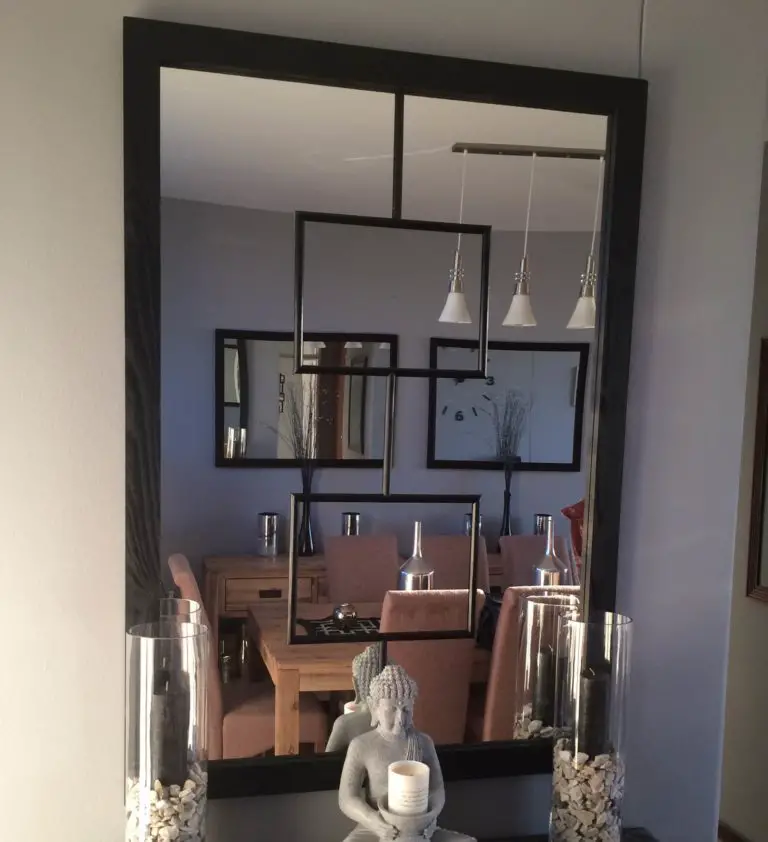
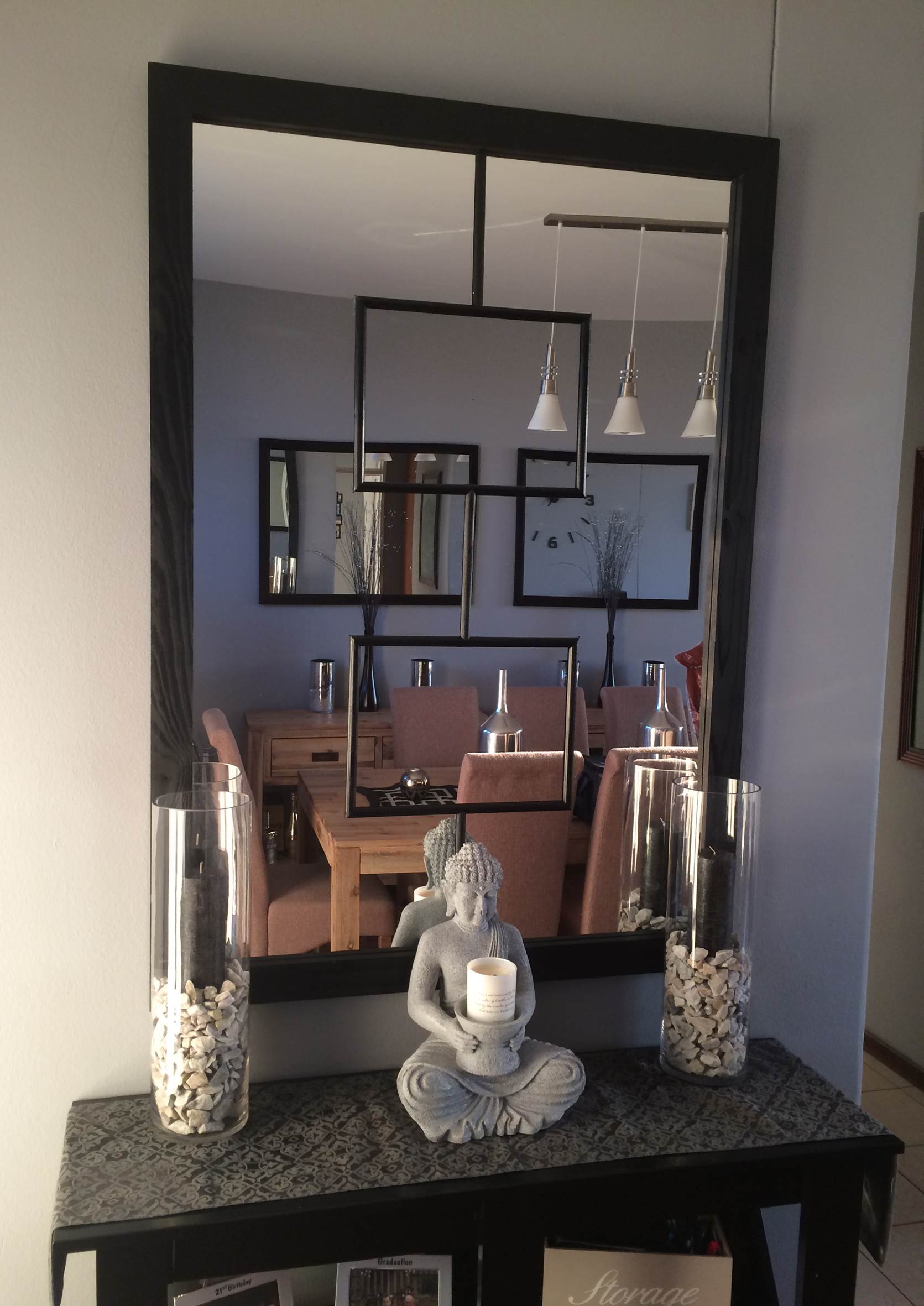
Hanging pictures, mirrors, even mirrors cut to size and art around your home adds height to each room and gives them a personal touch.

The first decision to make is whether to put in a nail or screw to hang the picture. Both can be used in either masonry or wood and plaster board walls however screws take quite a bit longer to install in masonry walls. The advantage is that a screw in a masonry wall can take a much higher load than a nail. If it’s a small frame or picture then go with a nail, anything heavy or larger than an A1 page should rather be hung with a screw or multiple nails.

What You’ll Need To Hang A Picture or Mirror

For A Nail Mount

  • Wall Nail (Hilti brand if using picture hanger)
  • Hilti Picture Hanging Tool
  • Hammer

For A Screw Mount In Wood

  • Wood Screw
  • Screwdriver
  • Drill & Small Drill Bit (Only for hard wood)

For A Screw Mount In Masonry

  • Screw & Wall Plug (Sold as a set)
  • Screwdriver
  • Drill & Drill Bit (To match wall plug, usually stated on packaging)

How To Hand The Picture Or Mirror

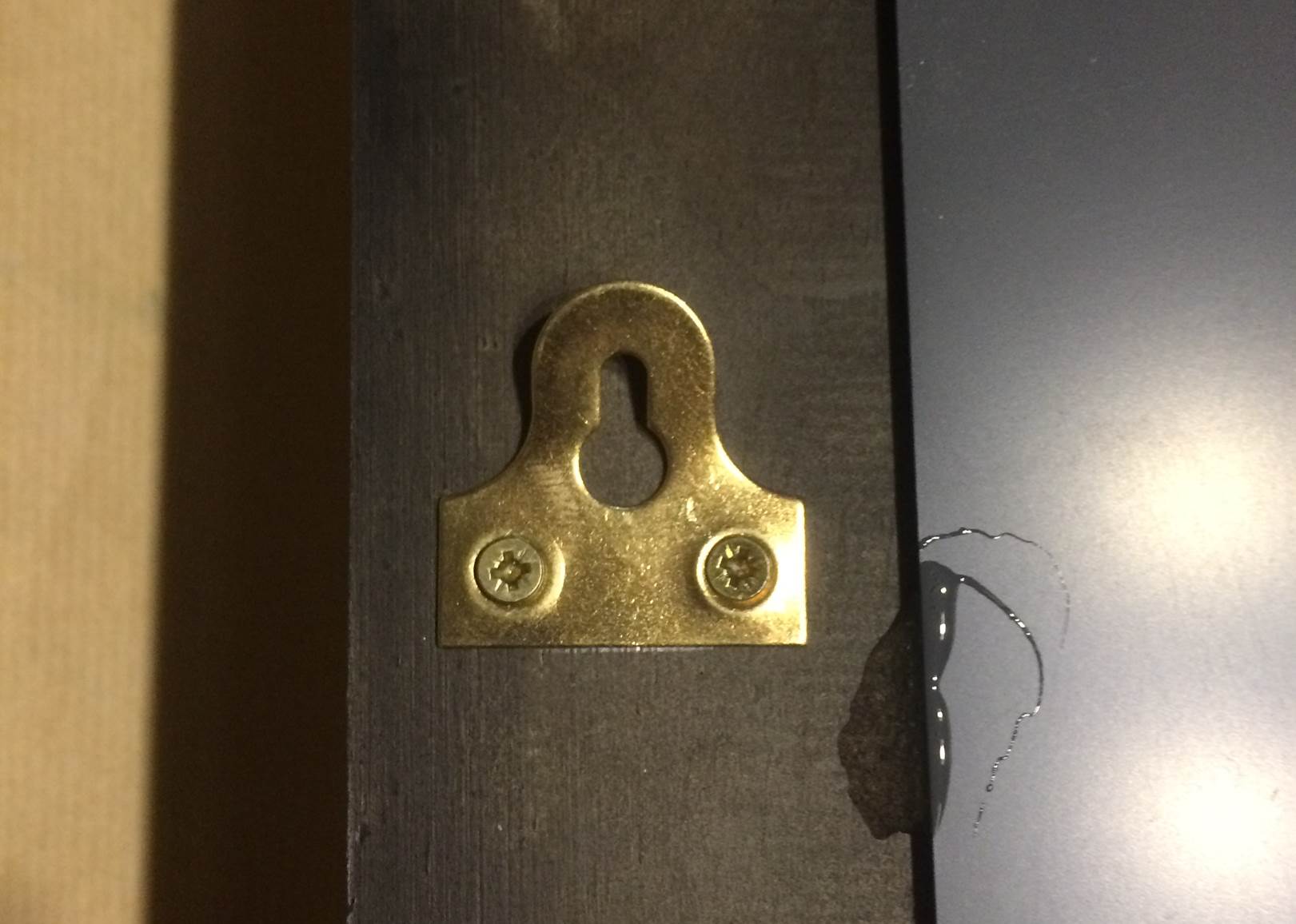
There are usually three methods used on frames and decor to hang, a steel loop or hook on each back side, a wire or string across the back or a single catch or hook in the middle. The single hook and the string method are the easiest to hang because you don’t have to worry about getting the picture straight or centering the picture. The double hooks are usually used on large and heavy mirrors and frames which would not hold on a single nail.

For A Nail Mount

toothpaste on picture hooks
Toothpaste on Picture Hook

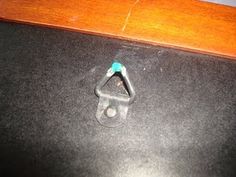
If you are using a nail, measure the center of the picture and the height of the hook on the back of the picture and make a mark on the wall. If you need to use two nails then mark both spots and make sure they are level using a digital level or spirit level. An easy way to mark off a hook or multiple hooks hidden behind the frame is to put a dab of toothpaste on the tip of each hook. Place the picture in position on the wall, ensure it is level and then gently press the back onto the wall. The toothpaste will mark the wall where the nails need to be. Now use the Hilti nail tool or your fingers (be careful) to hold the nail and hammer it into place leaving a short head protruding on which to hang the picture.

nail in wall

For A Screw Mount In Wood

If you are using a screw on a wood and plaster board wall, you need to make sure you a screwing it into a wooden support column behind the plaster board. Tap the wall lightly along its length and you will hear hollow and dull sounding sections. The dull sections are the wooden beams. Alternatively there may be nail heads slightly visible along the wooden sections. Screw the screw into the wood until just a portion of the head remains on which to hang the picture. If you are screwing a screw directly into a very hard wood, it may be necessary to drill a small pilot hole into the wood first to guide the screw.

For A Screw Mount In Masonry

If you are using a screw on a masonry wall, you’ll need to make off where the screws are going to be. Now you’ll need to use a pack of masonry wall screws with plastic or wooden wall plugs. Use a drill bit slightly larger than the plug, the recommended drill bit size is usually written on the packaging. Drill a hole in the wall as deep as the screw is long. Now insert the wall plug and then screw the screw into the plug, leaving a portion of the screw sticking out on which to hang the picture. Here is a “how to” guide on installing screws in a brick or concrete wall.
Finally, hang the picture up on your newly installed nails or screws.

​ Screws in a Concrete or Masonry Wall

Using screws to hang or mount pictures, shelves and your TV on a brick or concrete wall is the best and most secure way to attach them however some preparation work is required.

You’ll need an electric drill (preferably an impact or hammer drill), a masonry drill bit  (see our drill bit selection guide) and a set of screws and plastic or wooden wall plugs.

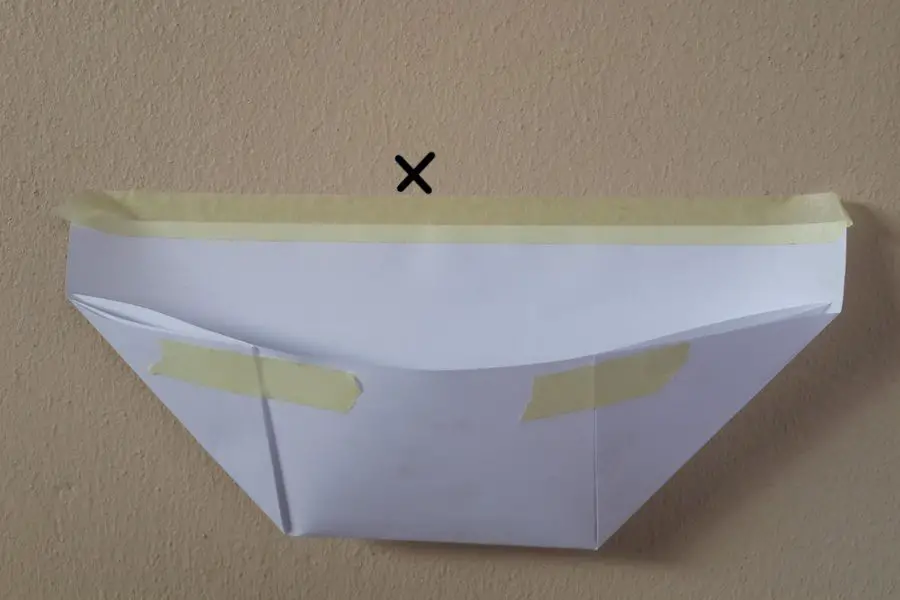
First mark the position of your holes to be drilled with a pencil or marker. If you have a vacuum cleaner then it is easiest to get someone to hold the vacuum pipe underneath the hole while you are drilling to collect the concrete dust. The other option is to make a paper collection envelope and tape it just underneath the hole to catch the dust as shown below.

dust collection envelope

Now drill the hole. Mark off on the drill bit the depth which you need to drill to, about one and a half times the length of the wall plug. Some electric drills have a depth stopper or depth gauge installed on them.

Next press the wall plug into the hole. The plug should fit snugly and may require a light tap with the back of a screw driver or a hammer. The end of the wall plug should be flush with the wall.

Now you can screw the screw into the plug. If you are hanging a shelf or bracket then the screw will go through the bracket and then into the wall plug. As the screw is screwed into the wall plug, it expands to fill the hole and the tight fit ensures that it cannot be pulled back out of the wall proving a solid anchor on which to hang heavy items.

Which Drill Bit To Use

There are four primary types of drill bits which you will use around the house, they are used for drilling into metals, wood, brick or concrete and finally glass.

hss drill

Metal drill bits, also known as HSS or twist bits are probably the most common and versatile. They can be used to drill holes in a wide range of metals and through wood. In some cases they can be used to drill into masonry surfaces however it is not advised as it usually damages the drill bit beyond repair.
wood drill

The second type is a wood or brad point bit. The end of this drill bit features a sharp point which is used to drill a small pilot hole to keep the remainder of the drill bit centered when drilling. This drill bit can only be used for wood materials.

masonry drill

Masonry drill bits have two or four characteristic flutes on their end. The flutes assist in chiseling away at brick or concrete materials. This drill bit can only be used for masonry materials like brick, concrete or cement.

glass drill

The last type of bit you may use around your house is a glass drill bit. This drill bit looks a bit like an arrow and doesn’t have the spiral pattern down the shaft like the other three. These bits usually have sharp diamond blade tips which cut through the surface of glass or glazed ceramic and porcelain tiles.

How To Fix a Dripping Tap or Faucet

A leaking or dripping tap or faucet is a nuisance; it wastes water, looks unsightly and the continuous dripping can be a really annoying sound. Fortunately, it is usually one of the easiest and cheapest things to fix. The problem is almost always the washer or in the case of single level mixer taps, the cartridge.

If you’re just looking for a quick fix, have a look at these hacks to temporarily stop the sound of a dripping tap.

Before starting, make sure the water supply to the tap is off. This can be done through your home’s main water supply shutoff valve or in some kitchens and bathrooms an isolator  which is fitted where the flexible pipe to the tap is joined to the piping in the wall.

Note: In some areas it is illegal to carry out unlicensed plumbing and if there is a fault, your insurance might not pay out. Check with your local authorities before carrying out any plumbing repairs on your home.

Fixing A Washer Type Dripping Tap Or Faucet

tap washer

  1. If the tap is shrouded by a cover, unscrew this first with a wrench or by hand.
  2. Next remove the tap handle, this is attached by a screw underneath the handle or in some cases by a screw under the hot or cold symbol.
  3. Now take the screw in part of the tap out, this is best done with a wrench fitted around the tap body. Use newspaper, a cloth or some masking tape on the tap surface to prevent the wrench from scratching the chrome finish.
  4. Once the tap has been taken apart, you should see a number of rubber seals and o-rings. Take any worn ones off and then go to your local hardware or plumbing store and find exact replacements.
  5. Refit the new seals and o-rings and then reverse the process to put the tap back together again.

Fixing A Cartridge Type Mixer Tap Or Faucet

ceramic tap cartridge

In the case of a mixer type tape, when the tap is taken apart, a cartridge should come out underneath the mixer head. If there is just dirt or scale in the cartridge then it is sometimes possible to clean out however it usually requires replacement. Find a replacement at your local plumbing store, they may have to order it from the tap manufacturer.

Finally turn the fixed tap to the off position and then turn the main supply back on. If the tap is still leaking then it may require re-seating in the area where the washer sits. This is best done by a plumber but most hardware stores stock re-seating kits with instructions on the packaging on how to do the repair.

Share This Guide:

How To Fix A Dripping Tap Or Faucet

Secure A Loose Shower Head, An Easy Fix

Often pipes and shower heads which run through walls or tiles are installed incorrectly or eventually work themselves loose. The hole drilled for them to run through is too big and they continually vibrate due to the water running through them. This is an easy way to secure the pipe or shower head and keep it from moving. The expansion foam is also flexible so it allows some movement of the pipe due to thermal expansion.

If your shower head is starting to look old or dated, you may want to consider replacing it, follow our easy guide to replacing a shower head.

If your shower door is leaking or leaving puddles on your bathroom floor, have a look at this guide on how to replace your shower door seals.

What You Will Need To Secure The Shower Head or Pipe

When buying the expansion foam for this repair, buy the smallest one possible. This job doesn’t require much foam and the left over foam doesn’t keep well. Also make sure that you get one with a small length of pipe after the nozzle, this is used to direct the foam into the joint.

How To Secure The Loose Shower Head

foam around pipe

Pull the trim ring away from the wall, you may need to use pliers or a screwdriver to loosen it. The shower head  or pipe should now be protruding through a hole in the wall. Often this hole is cut too big or has become too big through the movement of the shower head. Apply some masking tape to the wall around the hole to catch any excess expansion foam. Insert the expansion foam pipe into the hole around the pipe and squirt so that a ring of expansion foam forms around the pipe. The ring should surround the pipe entirely and should protrude a bit from the wall to provide additional support.

Wait for the expansion foam to cure before trimming the excess away. Only trim away what is necessary to fit the trim ring back on, the more foam you leave behind, the better the support will be. Push the trim ring back into place and the pipe or shower head should now be secure and movement free.

Was this helpful? Have you used any other method to secure a loose pipe or shower head? Let us know in the comments section below.

10 Essential Tools For Beginner DIY’ers

Cordless Impact Drill

dewalt cordless impact drill

A cordless drill is a versatile tool that is designed for drilling holes and driving screws however with its key-less three jaw chuck it can also be used to drive a rotary sander, wire brush, hole saw and some grinding attachments. They also generally come with a torque limiting clutch which allows you to accurately control the torque applied to screws.

Digital or Spirit Level

digital level

A level is essential for hanging pictures or mirrors, painting straight lines, leveling slabs and decks as well as correcting drainage problems. A digital level usually has a display which reads out an angular measurement and is far more accurate than a spirit level’s bubble position.

Hammer

claw hammer

A claw hammer is useful not only for hammering nails into wood, walls or concrete but also for chipping or chiseling, tapping out hinge pins and removing unwanted nails.

Measuring Tape

measuring tape

A good quality measuring tape is an inexpensive tool which will save you hours of frustration on your DIY projects. Look for one which is at least 5m (16’) and has a multi-purpose end catch which is suitable for hooking over wall and counter ends as well as nail and screw heads.

Hilti Picture Hanger

hilti picture hanging tool

Anyone who has tried hammering a nail into a brick or plaster wall knows that it is easier said than done. A Hilti hanging tool grips the nail firmly, keeps it straight and gives you a much larger surface to aim for which helps keep your walls from being damaged and saves your fingers.

Dremel Rotary Tool

dremel rotary tool

A Dremel rotary tool is the most versatile tool you will use. A quick look at one of their stands at a hardware store reveals the multitude of attachments and accessories they supply. Some of its uses include sanding, grinding, engraving, etching, cutting, polishing, brushing, sharpening blades, removing grout etc. There are also a range of attachments useful for turning your tool into a drill press, grinder or plunge router.

Orbital Sander

orbital sander

Sanding anything larger than an A4 page by hand is extremely labour intensive. An orbital sander removes the hard work involved in refurbishing old furniture, doing preparation work for painting and for wood work. Look for one with hook and loop sand paper attachments as this makes switching between different grits and replacing worn out paper quick and easy.

Miter Box

mitre box

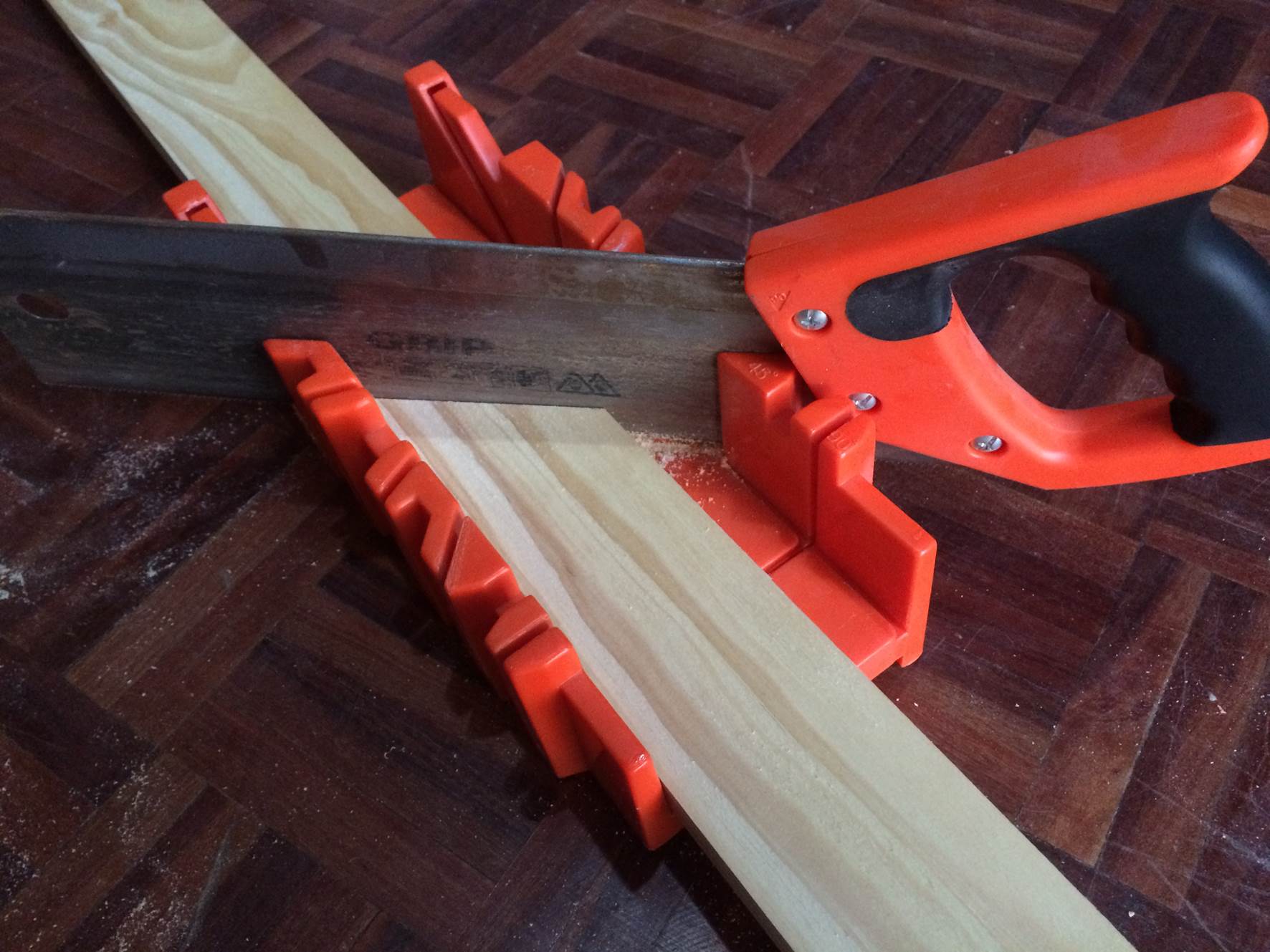
Save piles of wasted scrap wood and hours of measuring with a good quality miter box and hand saw. A miter box comes with pre-made slots in which the saw fits in order to quickly cut off planks of wood at 90°, 45° and often 22.5° as well.

Screw Driver Set

screw driver set

Screw drivers are essential for taking things apart, assembling kit furniture as well as hanging up pictures, shelves and accessories. Sacrifice quantity for quality and rather purchase a smaller set of 4 to 6 good quality screw drivers instead of a set of 20 or more cheap ones. Good quality screw drivers are made of a high quality tool steel with hardened tips to prolong the life of the tool. Most top brands offer a lifetime guarantee on their screw drivers.

Staple Gun

staple gun

An industrial stapler is a must have for any upholstery job. You’ll be surprised at how easy it is to re-cover a bar stool or an ottoman with just a pair of scissors and a staple gun. Hidden staples are also useful when gluing furniture or frames together to hold the wood until the glue dries. Additionally round staples can be used to neatly fix electric cables to skirting boards or dry wall.

Homemade Gnocchi

This Gnocchi recipe is really quick to make for a family of four and doesn’t take the whole day to prepare. This recipe also keeps well in the freezer for up to four months.

Makes about 4 servings. Preparation time 25-35mins, Cooking time 5mins.

You Will Need:

  • 1 Cup of Mashed Potato (2 Medium Potatoes)
  • 2 Cups of Wheat Flour
  • 1 Large Egg
  • Pinch of Salt

Peel and chop the potatoes into quarters. Cover in boiling water and boil over a high heat for 10-15 minutes until they are soft. Drain the water and mash with a potato masher or electric beater for a creamier consistency. Make sure there are no lumps in the mashed potato.

flour and egg mixture

Measure one cup of mashed potato and add this to the flour, salt and egg in a mixing bowl. Combine the ingredients and knead into a firm ball of dough. Divide the dough into 6 smaller portions. Roll each portion out into long rolls on a floured surface.

dough roll

Cut the roll into equal portions, round the edges and gently press a fork onto the gnocchi surface. The groove pattern allows the gnocchi to hold the sauce better.

gnocchi pieces

The gnocchi can be frozen for three to four months or kept in the refrigerator for a week before cooking. Be sure to flour the individual pieces well before freezing so that they do not stick together.

completed gnocchi

To cook the gnocchi, bring a large pot of water to the boil and add a teaspoon of salt. Drop the gnocchi into the water about a cup at a time. They float to the surface when they are cooked so collect them from the surface of the water with a slotted spoon and drain in a colander.

Serve with a tomato and basil, Gorgonzola cheese, basil pesto or Bolognese pasta sauce. Here is a quick recipe for a tomato and basil pasta sauce.

Adjusting Cabinet Hinges

If your cabinets have adjustable concealed hinges, you may need to adjust them every now and again to keep the doors in line and opening and closing freely. Luckily this can be done quickly and easily if you know which screws to turn. Take your time and make small adjustments, checking the correction each time until the doors are in line and closing snugly.

adjust a cabinet hinge

As per the image above, first adjust the hinges vertically. You will need to do this by loosening all of the hinges on the door at once. Loosen the top and bottom vertical adjustment screws one or two turns so that you can move the door in small increments with some force otherwise the whole door may come loose and you will have to recruit someone to hold the door in place while you screw it back on. When the door is in the correct position, tighten all of the screws in the slotted holes.

Next adjust the hinges inwards or outwards. If the door fouls the cabinet side when closing or there is a large gap between the door and the cabinet side when closed then adjust the hinge outwards or inwards respectively to correct for this.

Finally you straighten the door. This is done with the screw on the front of the hinge. This will need to be done in conjunction with the other hinges on the door so make small adjustments to each until the door is straight. If the top edge of the door is too high, you will need to adjust the top hinge outwards (screw clockwise) and the bottom hinge inwards (screw anti-clockwise). If the top edge of the door is too low, you will need to adjust the bottom hinge outwards (screw clockwise) and the top hinge inwards (screw anti-clockwise).

Doors before:

skew doors

Doors after:

straight doors

10 Minute Tomato & Basil Pasta Sauce

This amazingly easy pasta sauce recipe can be made in under ten minutes, tastes much better than store bought tomato pasta sauce and keeps very well in the freezer for up to three months. It’s perfect for a last minute meal or make extra and freeze portions for those evenings when you don’t feel like cooking.

Makes about 4 servings. Preparation time 5mins, cooking time 5mins.

What You Need To Make Your 10 Minute Tomato & Basil Pasta Sauce

  • 1 Medium Onion, Peeled and Finely Chopped
  • 1 Tin Chopped Tomatoes or Whole Peeled Tomatoes
  • 1 Tbsp Olive Oil or Vegetable Oil
  • 1 Tsp Crushed Garlic
  • ½ Tsp Course Ground Black Pepper
  • 1 Tsp Salt
  • 1 Tsp Sugar
  • 1 Tbsp Dried Chopped Basil or ¼ Cup Fresh Basil Finely Chopped
  • Optional Parmesan Cheese for Garnishing

How To Make The Tomato & Basil Pasta Sauce

Heat up the olive oil over a high heat then fry the chopped onion and garlic until golden brown. Add the remaining ingredients and simmer over a medium heat for 5 minutes. Puree the sauce in a blender or if you used chopped tomatoes the sauce can be served chunky. Serve over freshly cooked spaghetti, fettuccine, linguine or gnocchi.

For a richer taste, allow the sauce to simmer over a low heat for half an hour, add a quarter cup of water to prevent it from drying out. The sauce keeps well in the freezer and can be defrosted and reheated in the microwave when required.

This pasta sauce goes really well with homemade gnocchi, although this takes a lot longer than 10 minutes to make but it really is worth the effort. You’ll also have something to brag about when your friends and family come over.

If you’re looking for a slightly richer sauce, here’s a recipe for a creamy gorgonzola cheese sauce, also easy to make and tastes great.

Organise Under Your Kitchen Sink

The area under our kitchen sink is usually reserved for piling up cleaning materials and supplies. The drain, disposal and plumbing get in the way of shelving and the sink takes up most of the upper cupboard space. Here’s a small project to take on to organise and tidy up your cleaning supplies so that everything is ready and easy to find when you tackle cleaning up the rest of your home.

empty kitchen sink cupboard

First empty out the whole cupboard. This sounds straight forward but there is usually years of sticky dust, cleaning material spills and caked up dirt on the cupboard surfaces. Tackle the clean up with some hot soapy water. If you use cleaning products which often leak or spill, consider putting down a rubber mat or removable plastic sheet which can be thrown away or cleaned up somewhere convenient every few months.

cleaning products

Now have a look at the cleaning materials which you do have. Start with the cleaning products, throw away any expired products or products you haven’t used in the last year. If your haven’t used them in the past four seasons then its unlikely you’ll use them again. Consider replacing any broken bottles and sprayers which still contain usable products. Definitely get rid of or re-bottle any leaking products, the ones making the rings and the sticky mess.

organising

Next decide on how you’re going to pack everything back into the cupboard. You could put all of the cloths into a container, sponges and scrubbies into another container and finally the cleaning products into a last container or onto a shelf.

organising 2

Alternately you can separate them by room; bathroom, kitchen, lounge etc or by use; dusting, wiping, disinfecting etc.

hanging bar

Take extra advantage of the wall of the cupboard by installing hooks to hang cloths, gloves, sponges etc and consider installing a rail just underneath the sink on which to hang your spray bottles and make use of the wasted vertical space. You could also hang a rack or shelf on the door of the cupboard to provide extra shelf space or put up hooks on which to hanging dish towels or cloths.

storage trays

If you have some experience working with wood, you could also build pull-able storage trays.

If you really have a small area under your kitchen sink then only put the cleaning materials you use most often there. Find a shelf or cupboard in the garage or passage to put the rest of your cleaning supplies. The area under your kitchen sink is quick and convenient to get to your common cleaning items but it wont be if everything is piled up and difficult to find.  Try cleaning out this area every two months so that it doesn’t become cluttered with expired products and full of sticky spill rings.