

Home Blog Page 38

Homemade Super Glue Recipe, Make Your Own Glue

Making your own glue is a fun and rewarding project and you’ll learn a bit about glue in process. You may want to get a few re-usable jars to keep your it in until you’re ready to use it, baby food storage jars work well and are easy to clean afterwards – buy here.

Here are a few recipes along with a brief description of what each one is best used for.

Strengthen up your repair with this neat hack, it works with both store bought and homemade super glue.

Gum Arabic Super Glue Recipe

This glue is best used to repair broken crockery, vases and china. Use a toothpick or matchstick to apply a thin coat along the broken edges and then press and hold them together. It takes around an hour to dry and cures completely in 24 hours. Small pieces will be able to be handles after about fifteen minutes. This glue keeps for about a year in a sealed jar.

  • 3 Tablespoons of Gum Arabic – Buy Here
  • 1 Tablespoon of Glycerin – Buy Here
  • 1/2 Tablespoon Water

Mix all of the ingredients together in a bowl. Keep the glue in an airtight container and it will last for about a year.

Waterproof Glass Glue Recipe

This glue works well on glass and china and can also be used to attach labels onto glass, cans and jars. When using it as a label glue, warm it up slightly in a pan to make it liquid. When using it to repair china, use it in its thick gelled form.

  • 1/2 Ounce / 2 Packets of Gelatin – Buy Here
  • 3 Tablespoons Skim Milk – Buy Here
  • Mint Extract – Buy Here
  • 2 Tablespoons of Cold Water

Pour the two tablespoons of water into a mixing bowl. Sprinkle in the two packets of gelatin and allow it to stand for about an hour. Heat up the milk until it is almost boiling and add it to the gelatin mixture, stir until the gelatin has dissolved completely. Add a few drops of mint extract, this acts as a preservative and makes it last a very long time.

Waterproof Glue Recipe

This is the second waterproof glue recipe, however, this one does not use any milk. This recipe needs to be used straight away, while it is still warm. To use it again, put your jar in hot water to soften it up again. It should be applied with a thin brush and will take up to a day to fully cure.

  • 6 Tablespoons of Water
  • 1/2 Ounce / 2 Packets of Gelatin – Buy Here
  • 2 Tablespoons of White Vinegar – Buy Here
  • 1 Teaspoon of Glycerin – Buy Here

Bring the water to the boil in a saucepan. Take the water off of the heat and stir in the two packets of gelatin until it has all dissolved. Add the vinegar and glycerin and stir well. Allow it to cool a little before using it or storing it in your container.

If you enjoyed trying out this recipe, here are some other DIY recipes which you may enjoy – Make Your Own Fabric SoftenerHomemade Velveeta Cheese.

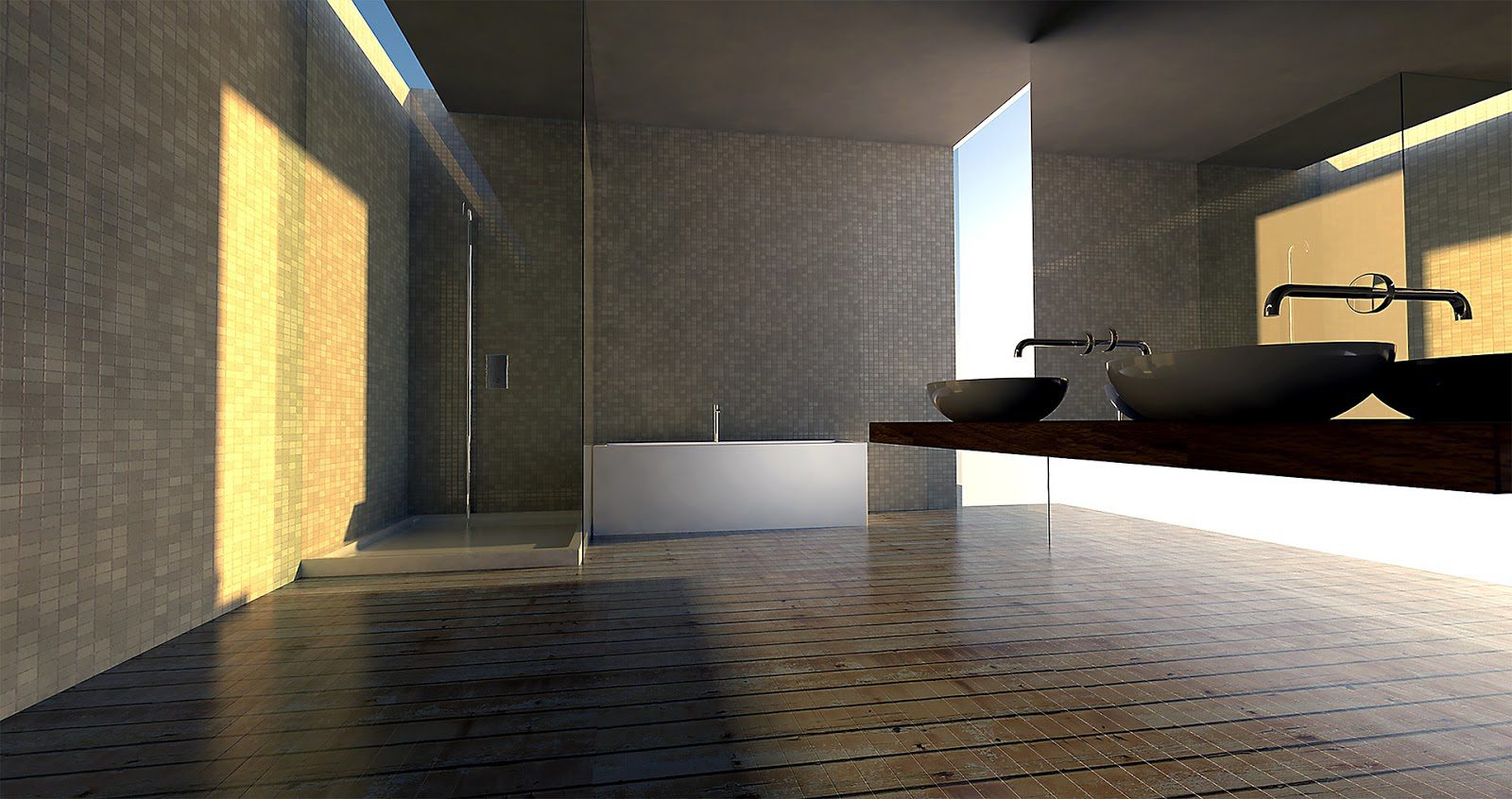
7 Simple Steps To Convert A Tub Into an Upscale Walk-In Shower

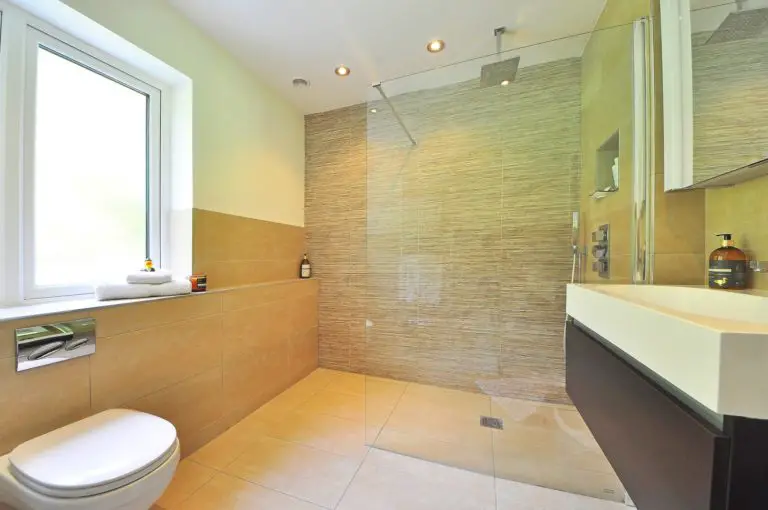
There are two kinds of bathrooms. There are the ones that impress guests and there are ones that gross out guests. When someone asks you to use your bathroom, are you stricken by a sudden wave of panic that they might notice the bathtub caked with colorful layers of mildew? Have you been wondering for a long time whether it is time to replace that run-down tub with a walk in shower?

If you are like most people, then you also have a couple of concerns. Will the tub fit? How would I even go about installing one? Where would I even start? The good news is that the process is more straightforward than it seems.

In this guide, you will learn 7 steps to transform your cramped bathtub into a beautiful, spacious walk in shower that you can be proud of.

1. Gain More Space by Manipulating the Layout With a Curvier Design

Gain More Space by Manipulating the Layout With a Curvier Design

Every bit of space counts when converting your tub. The feeling of having a spacious shower is not about how big the actual room is but instead about the atmosphere of the room itself. Architects and designers have been using the same secrets for ages to make small rooms feel spacious.

And you will be doing the same.

To start, take advantage of your tub’s sidewall (usually 36″ deep) by employing a curved shower pan with a front bow. This simple first step will augment the feeling of the actual floor space making it look approximately 20% bigger.

2. Ditch the Shower Curb to Redefine Your Showering Space

Ditch the Shower Curb to Redefine Your Showering Space

Most manufacturers build showers with 4″ to 6″ curbs. However, these curbs contribute to the shower’s cramped feeling. To make your bathroom feel more spacious and look more luxurious, get rid of the curb!

Instead, opt in for a tile shower pan with a ramped entrance. To create a rich atmosphere, take it a step further by having the shower and bathroom be on two different levels. Whether you want the shower on a lower level or a higher level is up to you and your style preference.

While this trick may seem simple, it is a staple of modern luxurious bathrooms.

3. Proper Plumbing Makes All the Difference

Proper Plumbing Makes All the Difference

When converting your tub into a walk-in shower, it is a necessity to get aesthetically pleasing and practical plumbing. For starters, upgrade any 1 ½” pipes into broader 2″ pipes for enhanced water flow. An upscale shower is not just about the looks, it is also about the experience so having proper water flow is paramount.

It is also essential to replace your low-quality shower drain with a more sleek, linearly designed one. Nothing is grosser than a shower drain clogged with hair and dirt. Invest in a high quality shower drain that prevents build up and matches your new bathroom’s style.

These small plumbing changes will help your bathroom boast its contemporary design and increases the overall showering experience.

4. Take Advantage of Walls and Floors for Added Comfort

Take Advantage of Walls and Floors for Added Comfort

Add an inexpensive floor heating system so you can shower in a cozy, soothing environment that will leave your muscles relaxed to their core. Attach a small bench to the wall for whenever you want just to sit and let the warm water drizzle on your skin.

This simple upgrade alone will transform showering from a chore into a pleasurable experience. Imagine how amazing it would feel to unwind in such a soothing shower after a long day!

5. Add Wall Storage for a Cleaner Look

Add Wall Storage for a Cleaner Look

You have seen it before: Showers littered with shampoo, soaps and conditioners dangling from tacky wall holders. And you have felt it too. The cluttered environment takes away the magic from your showering experience. Nothing looks and feels worse than a cramped shower. Go the extra mile to free up bathroom space!

The easy, cheap and upscale fix to this is to carve pockets into your walk in’s walls. By being able to store your essentials in the walls, it frees up standing space thus creating a more liberating, relaxing feel.

6. Remove Bathroom Floor Tiles for an Upscale Feel

Remove Bathroom Floor Tiles for an Upscale Feel

A clean bathroom is an impressive one while a dirty one is repelling. The problem with most tile layouts is that they gather molds, fungi, dirt, and hair between each tile. Moreover, keeping a tiled bathroom clean requires an excessive amount of upkeep that most people just do not have the time for.

Get rid of the bathroom floor tiles and instead replace it with PVC wall panels, or solid, sleek, contemporary surface units. For starters, a solid surface will spare you from having to get those deep scrubs that grimy tile surfaces usually require. Most importantly though, it will give your bathroom a clean, modern and upscale feel.

7. Express Your Unique Style with Hand-Picked Shower Glass

Express Your Unique Style with Hand-Picked Shower Glass

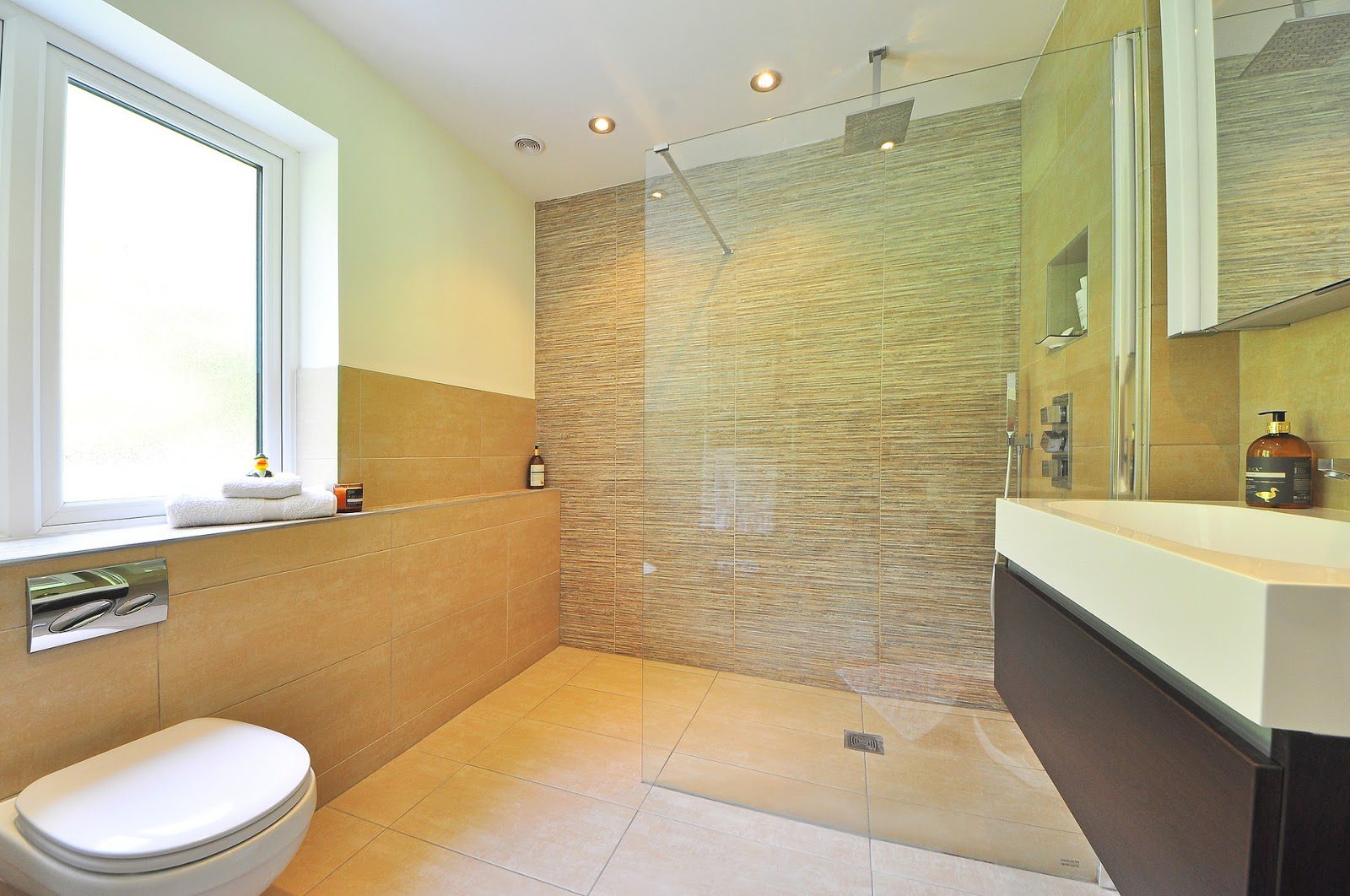
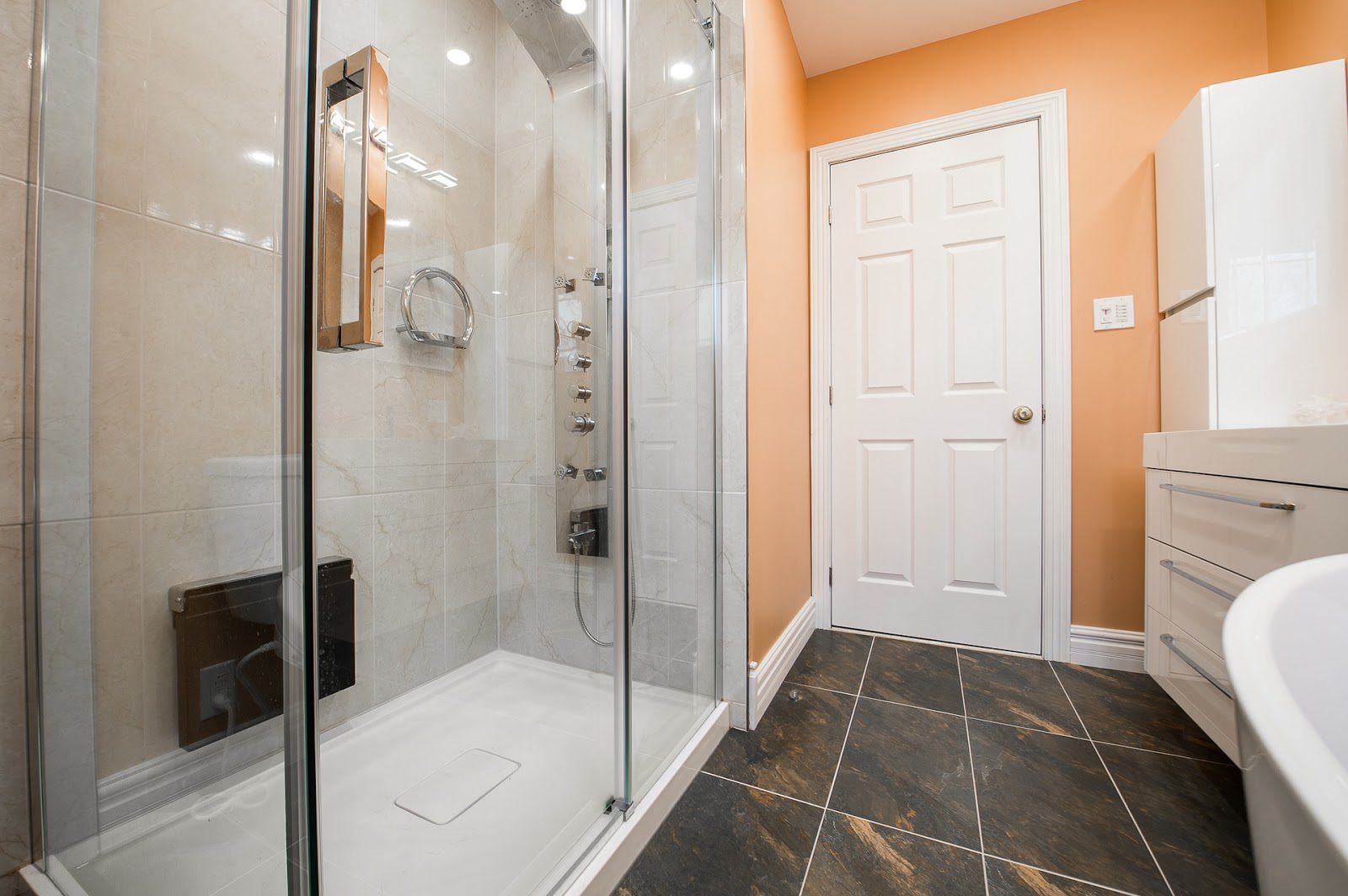
There’s a false notion that glass is just glass; it, in fact, comes in many different qualities and is an opportunity for you to add your own custom designs. A glass shower wall completes your walk-in shower and upscale bathroom by giving it an open-air feel. The seemingly open space makes your shower feel bigger than it actually is.

For a personal touch, you can order the glass with custom designs to add that extra bit of luxury. However, to match the modern design, it is important to get sleek or linear designs instead of tacky ones.

Conclusion

Converting your bathtub into a walk-in shower is an exciting project. You will have the opportunity to turn a dirty suffocating space into a clean, spacious, upscale room. Instead of repelling your guests, your designs will impress them. And lastly, your modern bathroom will be more practical, more efficient and your showers will not just be showers, they will be an experience.

Even though the conversion requires much upfront work, if you follow these seven steps, you will have built your own upscale walk in shower in no time.

Make Your Own Wine Cork Shadow Box

Follow this step by step guide to make your own wine cork shadow box. It is a really easy beginners wood work project and it makes a beautiful gift. The complete shadow box takes a day or two to make, although most of the time is taken up waiting for glue or varnish to dry.

The sizes given below are as per the finished product in the pictures but you can easily adapt the sizes to suite what you have available at your local hardware store, lying around your house or to suite the size of the box you’d like to make.

Read the full step by step text instructions below or watch this instructional video on how to make your own wine cork box. Purchase links for the tools and equipment used have been included in the “what you need” list to help you out.

What You’ll Need To Make Your Wine Cork Shadow Box

Materials

  • 600 x 400 x 20mm Timber Sheet
  • 120 x 20 x 2400mm Timber Plank
  • 405 x 605 x 3mm Glass Cut To Size
  • 350 x 350mm Vinyl Text Sticker
  • Wood Glue – Buy Here
  • Picture Hanger & Screws – Buy Here
  • Optional – Clear Wood Varnish – Buy Here
  • Optional – 120 Grit Sandpaper – Buy Here

Tools

How To Make Your Wine Cork Shadow Box

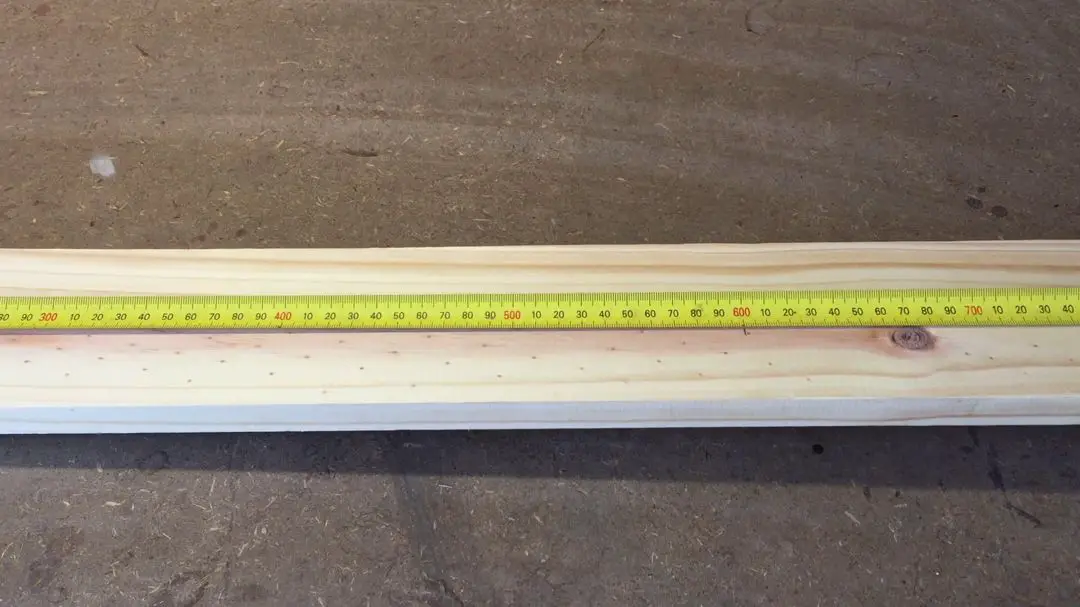
Start off by measuring out a 600mm length of your timber and cutting it off with your miter box.

Measure out 600mm For The Vertical Sides

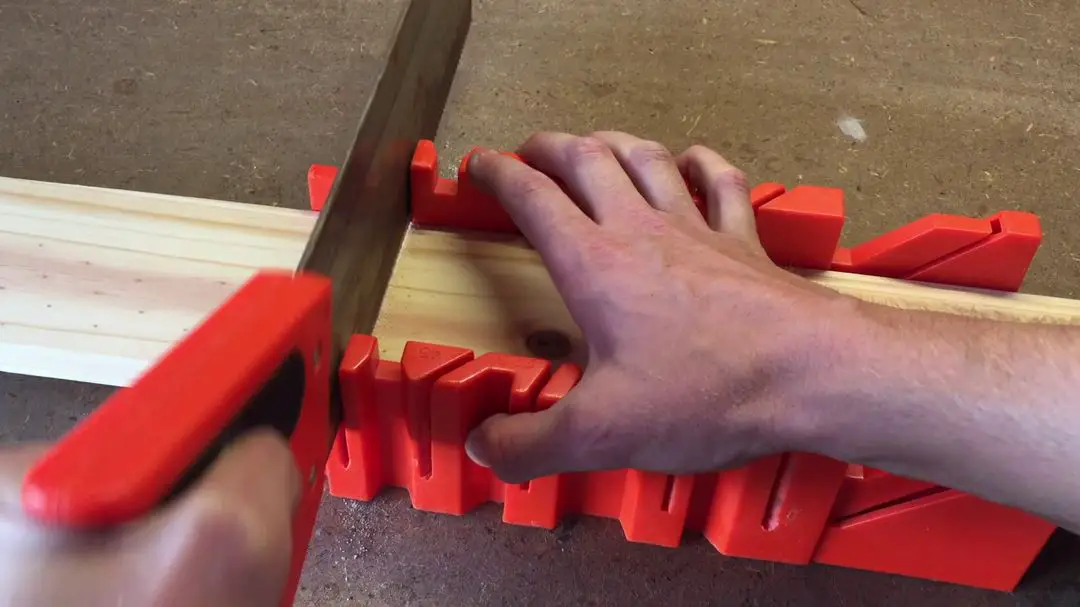
Cut a second one to make the two vertical edges of your box.

Cut The Wood With A Miter Box

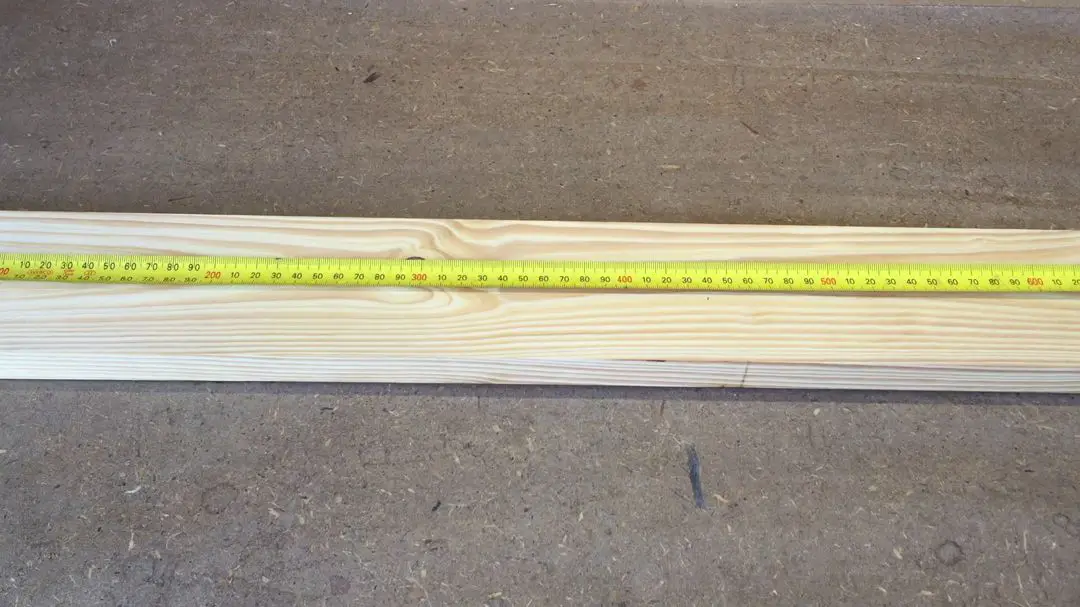
Next measure and cut two 440mm lengths of timber. These need to be cut longer than 400mm as they will overlap the vertical sides once your box is assembled.

Measure And Cut 440mm Top And Bottom

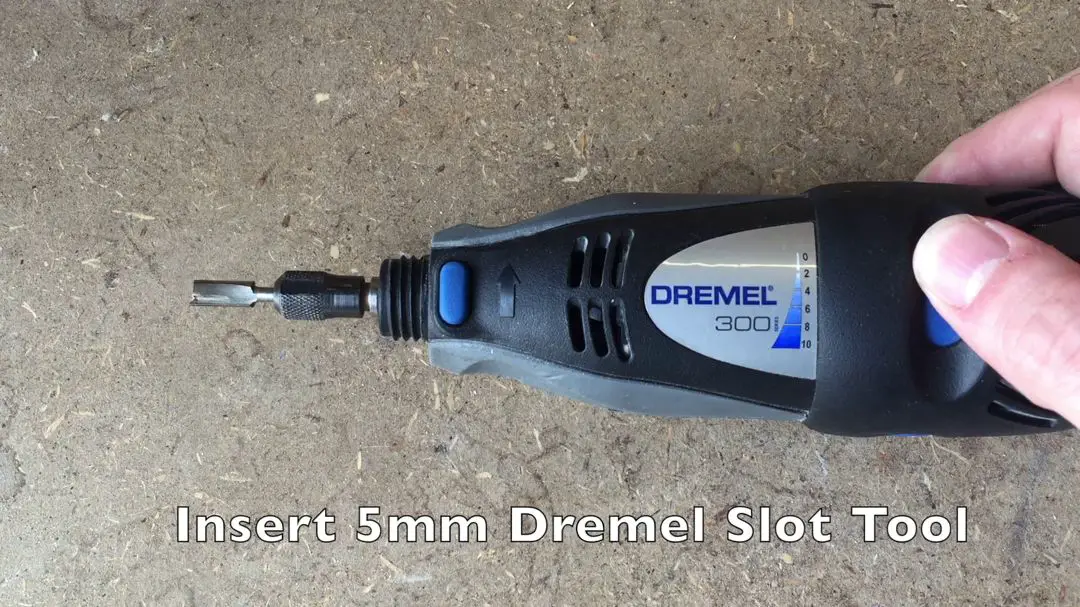
Once you have your lengths cut, you need to use your Dremel rotary tool and 5mm slot attachment to cut a slot in each of the sides of your shadow box to hold the glass.

Dremel With 5mm Slot Attachment

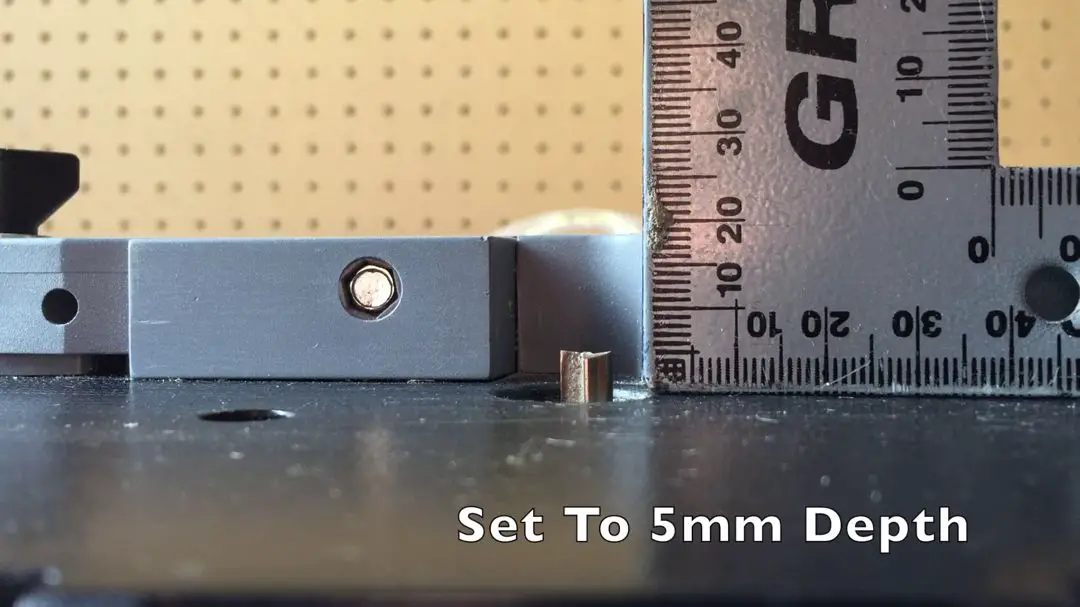
The Dremel router table helps keep your Dremel in place at a consistent depth and assists in cutting straight lines. Position your Dremel to cut around 5mm from the front face of each plank and around 5mm deep.

Position Your Dremel To Cut 5mm Deep

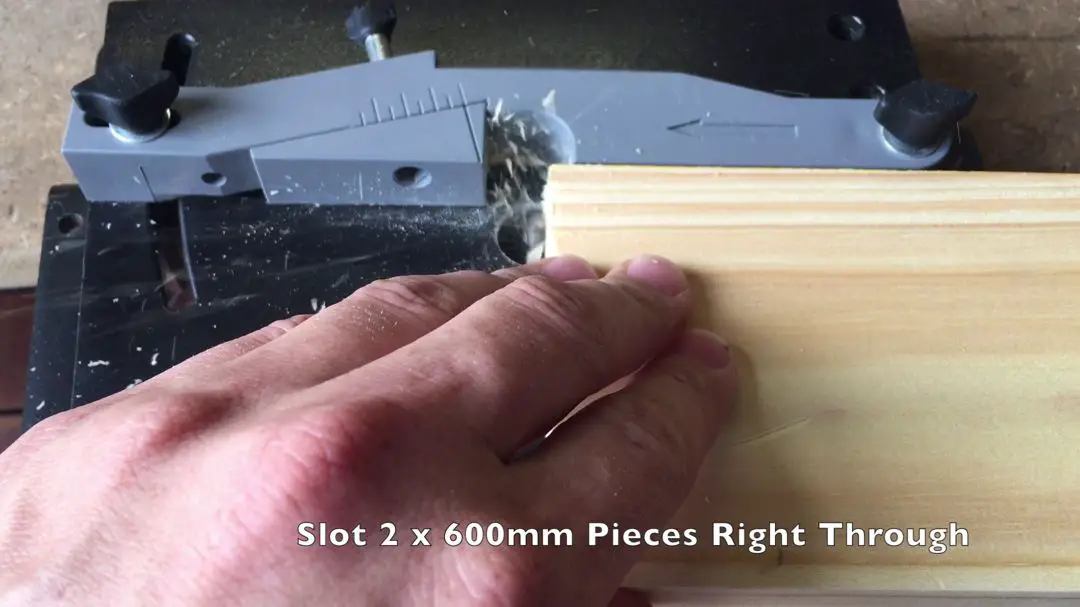
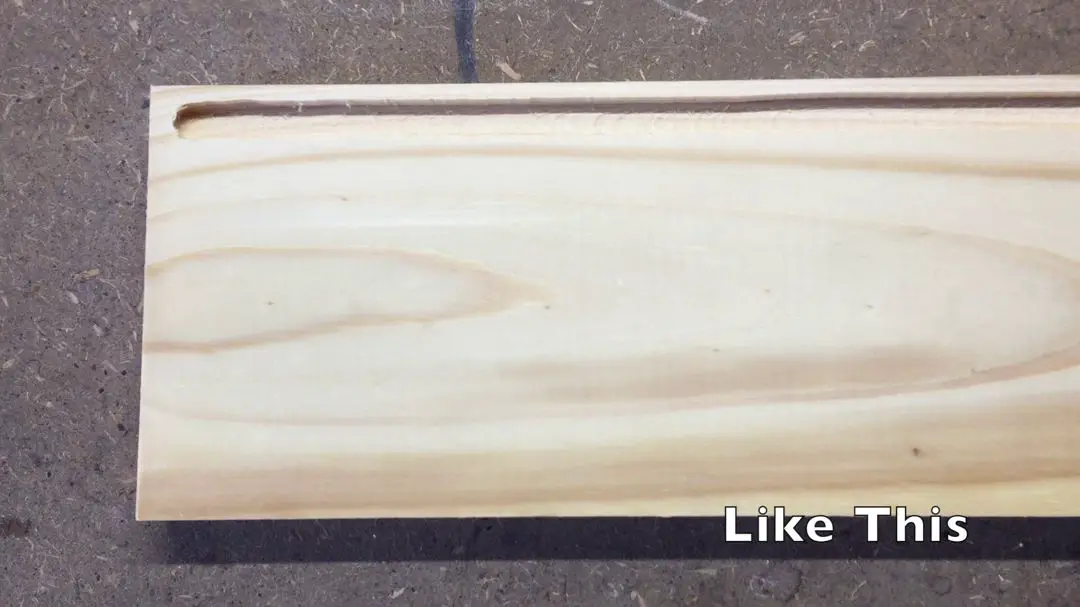
Cut the slot the full length of the 600mm planks.

Cut The Slot The Full Length Of The 600mm Planks

Cut the slot in the 440mm planks leaving around 5-10mm of clearance on each end. These ends will overlap the slots you’ve cut into the 600mm planks once assembled.

Leave Some Wood At The Ends Of The 440mm Planks

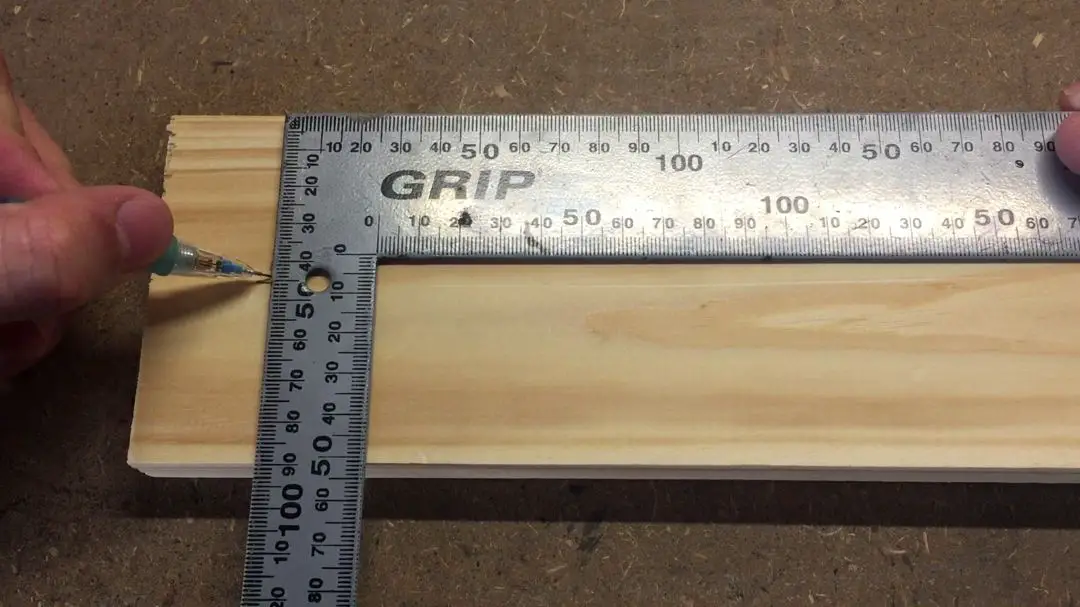
Measure out the center (45mm) of the left side plank and measure 30mm down from the top.

Measure Out The Hole For The Corks

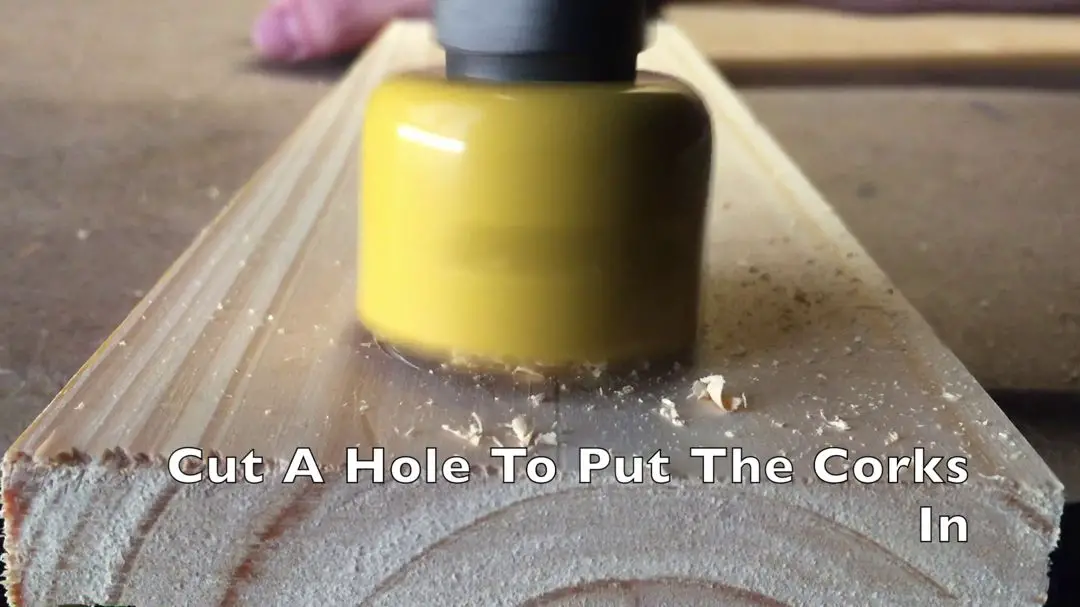
Use your drill and hole saw to drill out a 40mm hole in the side.

Use A Drill And 40mm Hole Saw

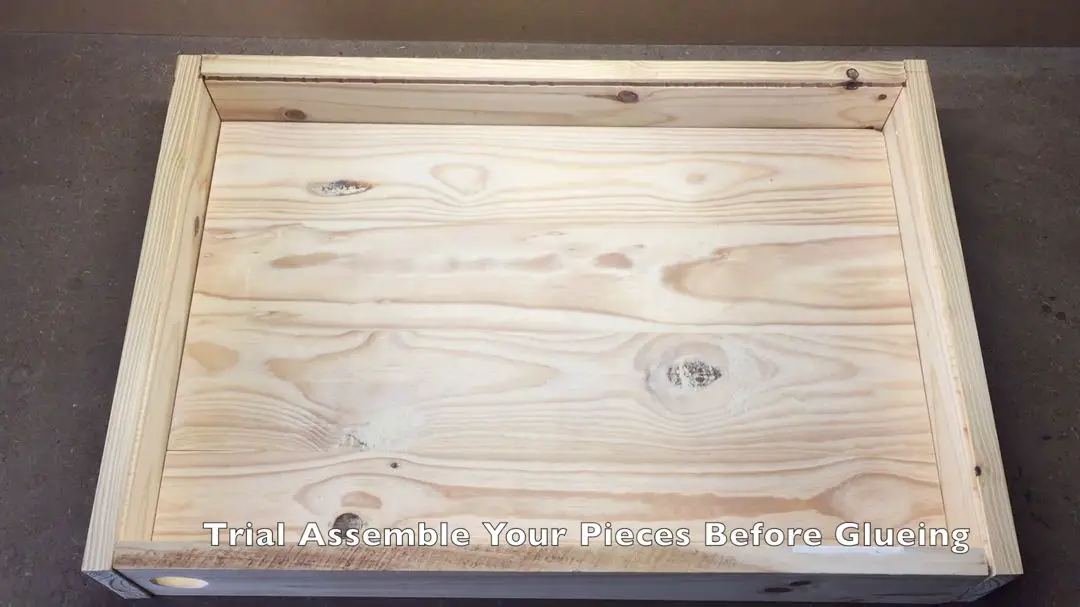
Now that you’ve finished cutting and preparing all of your wood, trial fit the pieces to make sure that all the edges and slots line up.

Trial Fit Your Pieces Of Wood

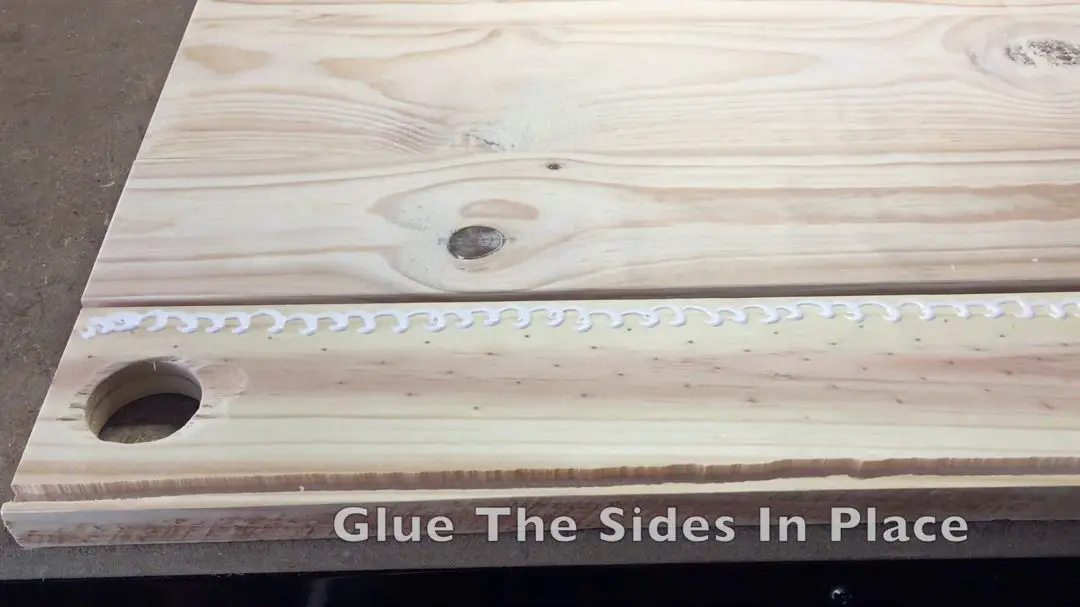
Glue the two 600mm sides onto the 600mm sides of your timber sheet. Make sure the edges are flush with the bottom of the sheet and lined up with the ends of the sheet. The slot should be at the top on the inside of the box.

Glue The Vertical Sides On

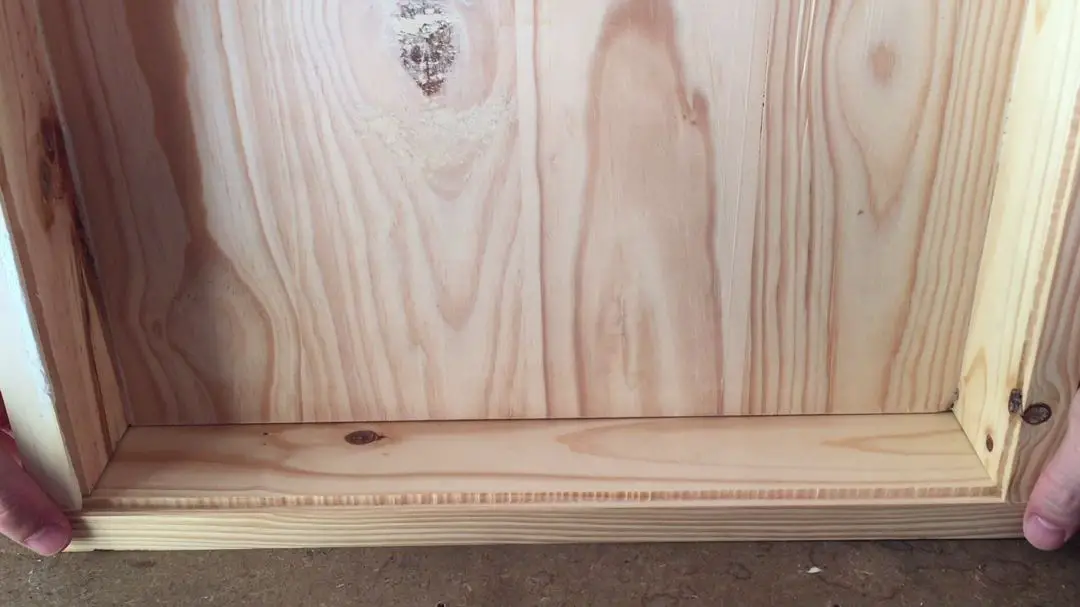
If you have clamps, clamp the edges in place until the glue has dried. Now glue the bottom 440mm bottom side into place. Line it up with the edges of the 600mm sides and ensure that the slot it lined up all the way around. Do not glue the top side into place!

Glue The Bottom Side Into Place

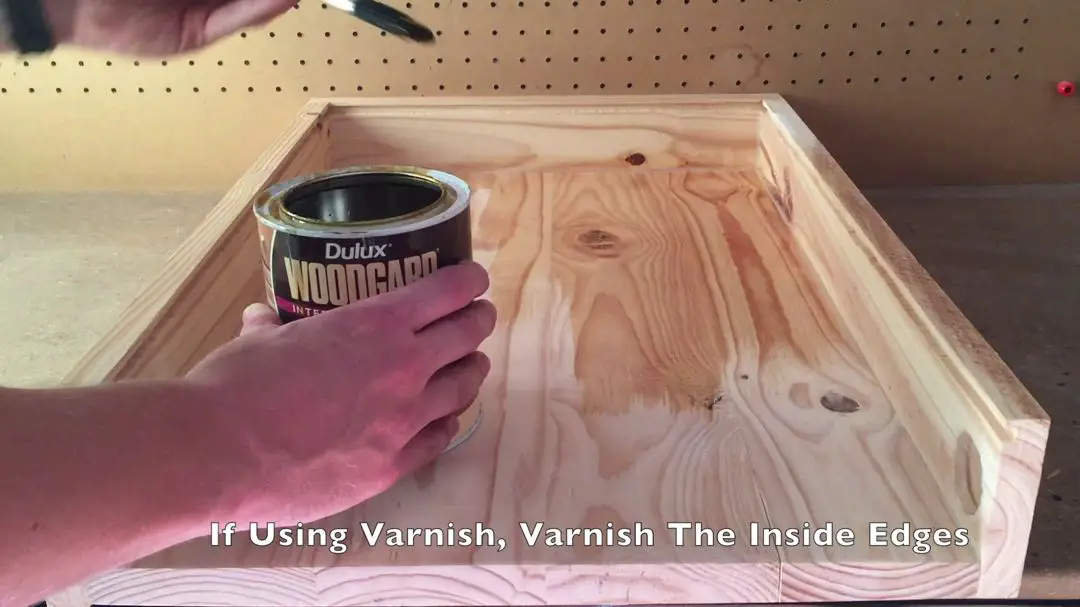
If you are going to varnish or colour stain your wine cork shadow box, you’ll need to varnish/stain the inside of the box now. Varnish the inside of the back sheet, the inside of the three side panels and finally the inside edge of the loose top piece. You won’t be able to get to these areas once the glass is in place.

Varnish The Inside Edges And Back Of Your Box

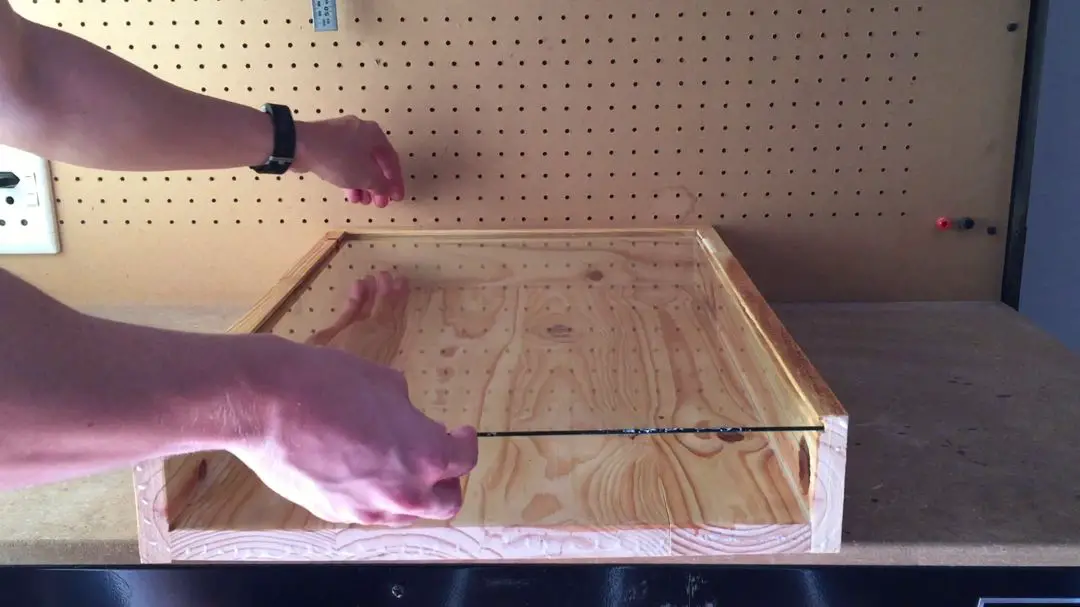
Once the varnish/stain has dried completely, slide the glass into place in the slots. Be gentle and don’t force it if it gets stuck as it may break. You may need to clean up some areas in the slots to get the glass to fit perfectly. Remember to clean the inside of the glass with window cleaner or rubbing alcohol before inserting it as you won’t be able to clean it later.

Slide The Glass Sheet Into Place

With the glass in place, you can glue the top side on. Line it up and make sure that the slot lines up with and covers the top edge of the glass.

Glue The Top Side Into Place

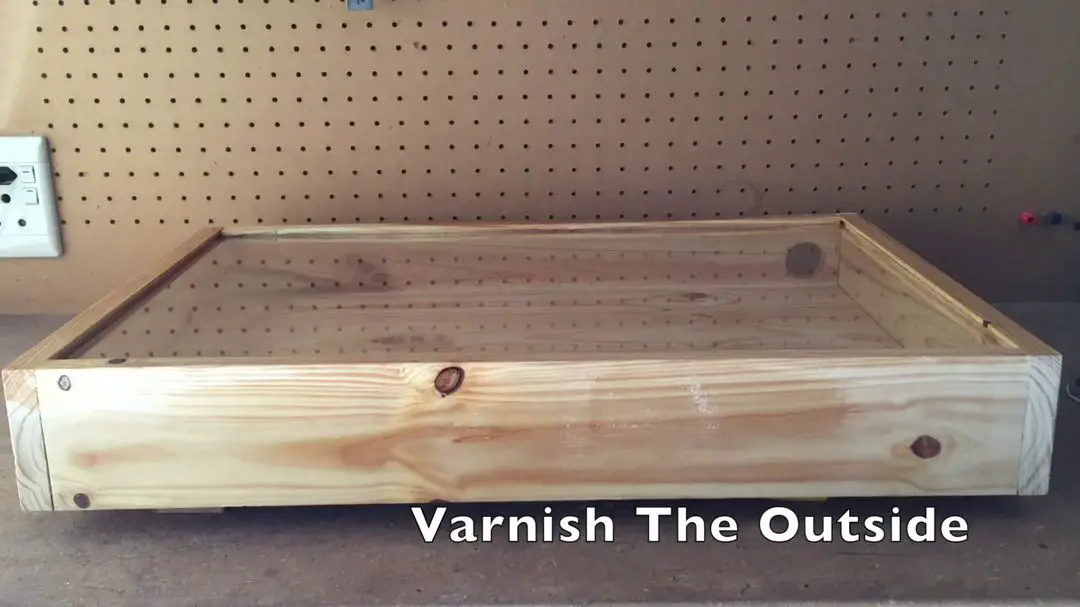
Allow the top side’s glue to dry, then varnish/stain the outside and the back of the box.

Varnish The Outside Of The Box

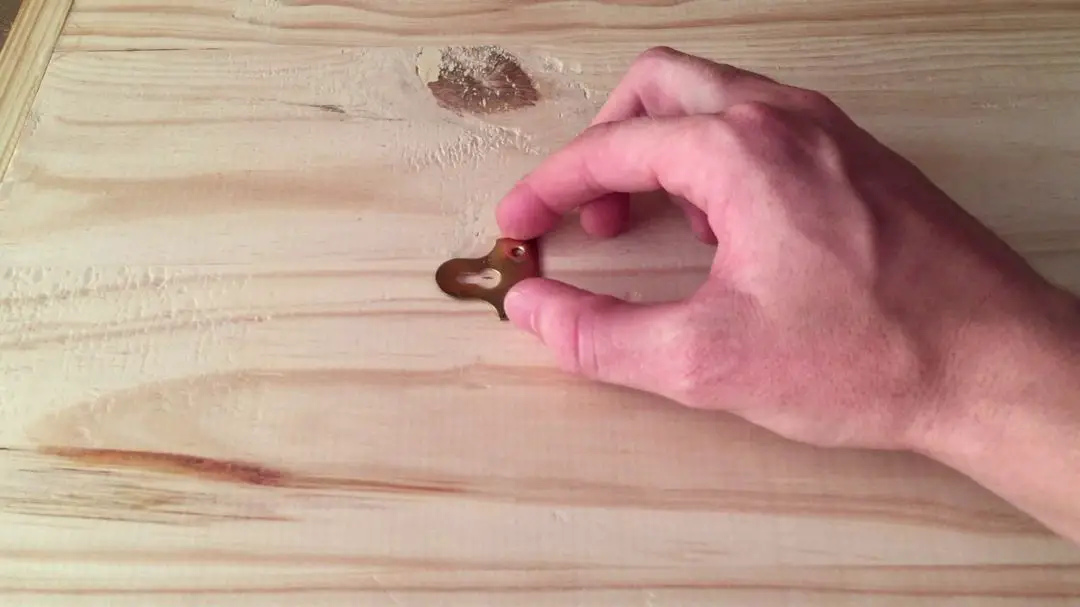
When the varnish/stain is dry, turn the box over. Mark the centre for the picture hanging hook and then screw it into place, it should be positioned roughly two thirds of the way up the back of the box.

Install The Picture Hanger On The Back

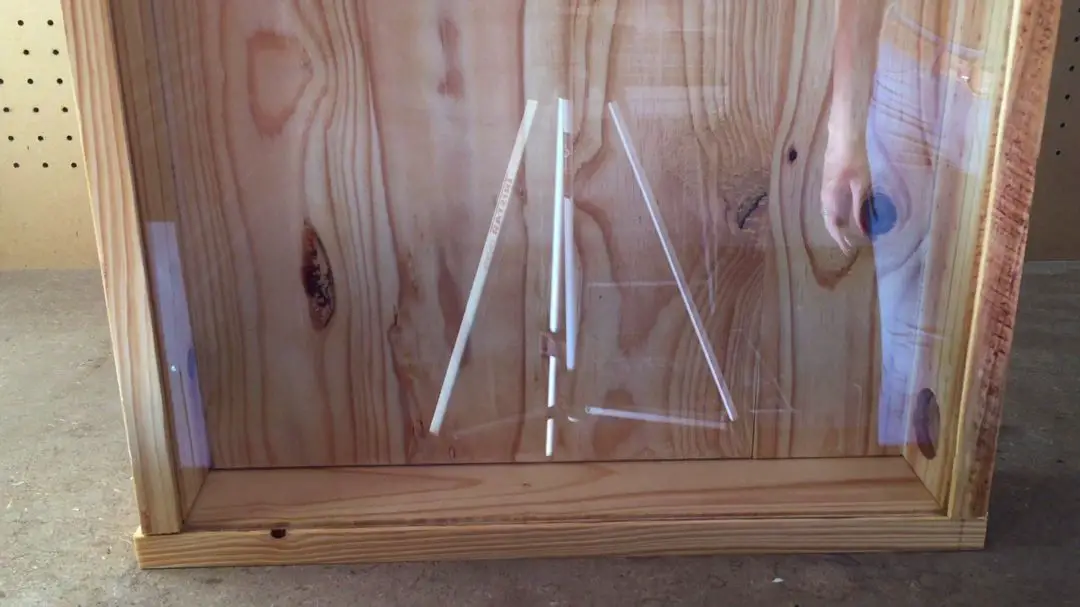
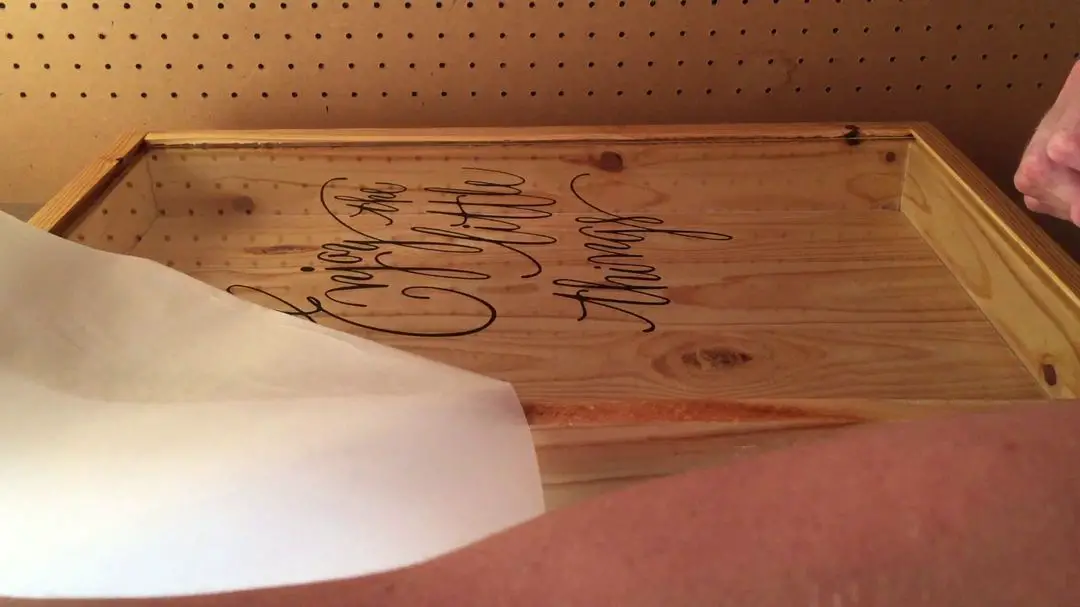
Finally, turn the box back over and apply the vinyl stickers. It’s a good idea to clean the glass with window cleaner before applying the sticker. It is easier to get someone to help you with the sticker so that it doesn’t wrinkle or fold over itself. Apply the sticker on one side and work your way over to the other side to avoid wrinkles and bubbles.

Apply The Vinyl Wall Sticker

You wine cork shadow box is now ready to be hung up. Put a screw into the wall and hang the box up on it. Read up how to install a screw in a masonry wall here.

We like to write the date and the initials of those who joined us for the special occasion onto the cork before popping it into the box.

Wine Cork Box With Corks In It

Have you made your own cork shadow box? Let us know in the comments section below.

A Full DIY Guide to Water Damage Restoration

Plumbers and home builders spend countless hours trying to keep homes protected from water damage. Most areas inside your home are simply not built to withstand high amounts of moisture.

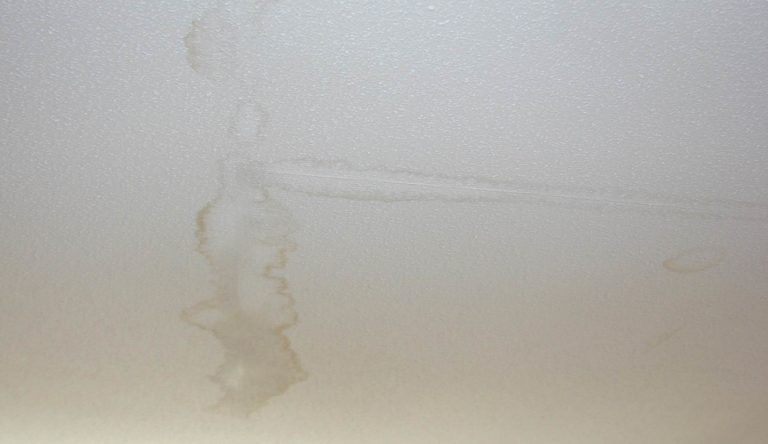
When water leaks occur, it causes unsightly stains on your drywall ceilings and interior surfaces. In severe cases, it can even cause the drywall to crumble and fall apart.

If you’re planning on selling your home or getting an inspection for any other reason, water damage represents a huge home inspection red flag. You will definitely want to complete the repairs beforehand.

The good news is that, with the right knowledge and tools, you can do some water damage restoration on your own. This step-by-step guide will help you accomplish a DIY repair the right way.

Step #1 – Finding the Leak

In some cases, you may notice visible signs of moisture on your ceilings or walls. There may be dripping water, sagging drywall panels or other obvious signs. In other cases, there may just be small water stains on your drywall that get larger over time.

Before you can start any actual repairs, you must find the water leak’s source. Repairs won’t do you any good if the source of the leak remains. Unfortunately, the source of a leak can be quite difficult to find. Water can travel throughout your home and cause damage in unexpected places.

To find a water leak, you should prepare yourself to do some thorough investigation and exploration.

You may need to remove some damaged drywall to help you find the leak. This is where Step #2 comes in.

Step #2 – Removing Damaged Drywall

Before you start prying away at your damaged drywall, you should always consider your safety. If the leak has been there for an extended period of time, there could be a significant amount of mold inside or on-top of the drywall. You should stop and call a professional if a large amount of mold is present.

In cases where there is only a small amount of mold, you can safely remove the drywall as long as you take precautions such as safety goggles, a dust mask and gloves.

Before you begin, place tarps and drop-cloths down to catch the drywall dust and debris that you’ll create during the removal. This will help to protect other interior surfaces and make the clean-up process much easier.

Take a good look at the drywall to determine the severity of the water damage. Drywall will sag or crumble when it is full of water. You can removed all the compromised portions with a wrecking bar, the claw of your hammer or by hand.

If your drywall panels are just stained and not structurally compromised, you may be able to repair them by simply cutting out the stained area. You can use a keyhole saw to cut a rectangular or square-shaped hole around the stains. Then, you can use another drywall piece to patch the opening.

Step #3: Performing the Repairs

If you just need to do a patch repair to replace stained areas of your drywall, start with these mini-steps:

  1. Measure the area of wall that you cut out from the previous step.
  2. Cut a replacement piece of drywall that is 2” longer and wider than those measurements.
  3. Lay your replacement piece on a flat surface (backside up).
  4. Measure 1” from all edges and make a pencil line.
  5. Use a utility knife and a straightedge to cut the backside paper and gypsum material. DO NOT CUT THE FRONT-FACING PAPER LAYER!
  6. Peel away the gypsum and backside layers with a putty knife.

For openings between 6 and 12 inches:

  1. Drill two small holes in your replacement board.
  2. Pull some string through the holes and tie the ends to a stick.
    1. Try to leave about 8 inches of string between the stick and board.
    2. The front of the board is considered the “stick side.”
    3. The stick is used to hold your patch in place.
  3. Carefully twist the stick until it applies pressure to the rear of the replacement board.
  4. Smoothly apply cement adhesive around the edges of the board.
  5. Place the patch into the drywall hole while positioning it so that the adhesive grips the area around the rear of the hole.
  6. Turn the stick in the clockwise direction to increase the pressure and ensure the board holds firmly until the adhesive dries.
  7. After the cement adhesive dries completely, apply joint compound and smooth out the area.
  8. Allow the area to thoroughly dry again, then sand down any high spots.

For openings smaller than 6 inches:

  1. Apply joint compound around the drywall opening.
  2. Insert the patch.
  3. Use a putty knife to work the edge of the paper into the compound.
  4. Feather the compound edges so that it will dry effectively.
  5. Use fine-grit sandpaper to lightly sand the area before applying a second layer of compound to finish.

If you still need help, check this page out to learn more about patching drywall like a pro.

If the water stain on your drywall is over 12 inches, you should consider the total replacement of the panel. Large portions of drywall should always be anchored to the ceiling joists or wall studs.

If the area you remove exposes a joist or stud that will allow you to anchor your patch, you should be fine by doing that. If there is not joist or stud available, replacing the entire panel may be your best option.

Removing an entire sheet:

  1. Remove the drywall panel and drywall screws that anchored the panel to the studs or joists.
  2. Get accurate measurements of the opening.
  3. If your measurements require a custom-sized panel, use a drywall saw or utility knife to cut a patch to fit the opening.
  4. Align the new drywall panel with your studs or joists.
  5. Secure the new panel to the studs or joists with drywall screws.
  6. Apply joint tape at all the exposed seams.
  7. Apply joint compound over the tape with a putty knife.
  8. Allow the compound to dry and then sand down until all the seams are flush with the panels.

Step #4: Priming and Painting

Before you start priming, make sure that the area is well ventilated. Open windows and use fans if necessary.

With a large paintbrush or paint roller, apply interior primer to the entire wall or ceiling surface. After the primer dries, apply the interior paint in square 6-foot sections. Use a continuous pattern of overlapping “W” strokes while you move from right to left and then back to spread evenly. Then use a small paintbrush to fill-in the areas where your roller couldn’t reach.

If necessary, apply another coat on the entire surface.

Water damage restoration can be a long and frustrating process, but following these steps will help you save big money by doing-it-yourself!

Make Your Own Jute Rope Rug

Here’s a guide to making your own quick and easy jute rope rug with a few inexpensive materials. This is a great hour or two weekend project, perfect for a rainy day. Take your time with the glue process and you’ll have a sturdy rug which will last in even a busy corridor or entrance.

If you enjoy this project, here’s a no sew rope basket which can also be made from a scrap piece of natural fire rope.

What You Need To Make Your Own Jute Rope Rug

  • A Piece of Cloth Large Enough to Fit Under the Finished Rug, An Old T-Shirt Works Well
  • Jute/Natural Fibre Rope (14mmx20m) – Buy Here
  • Construction Adhesive – Buy Here
  • Scissors – Buy Here

What You Need For Your Jute Rope Rug

How To Assemble Your Jute Rope Rug

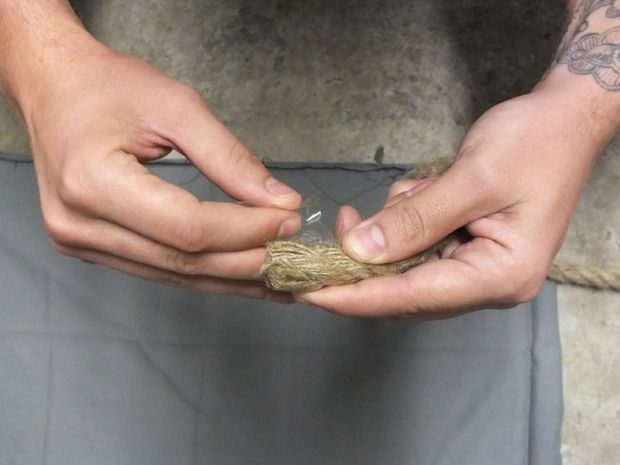
Unravel the ends of the rope carefully and add a bit of adhesive to the inside. Press it together firmly until it is secure. This prevents fraying. Put a lot of glue around the end of the rope, you don’t want it to work loose over time.

End Preparation

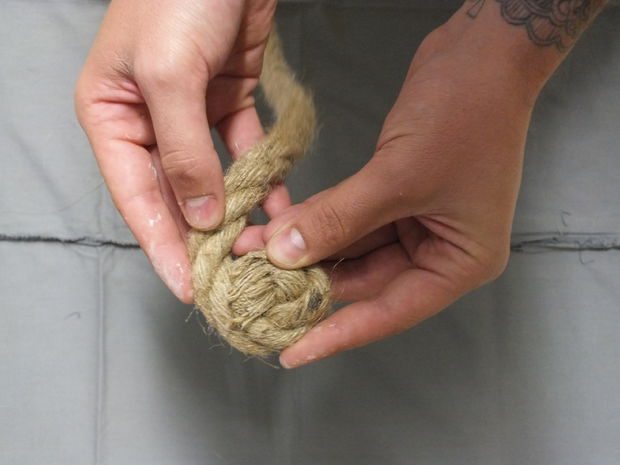
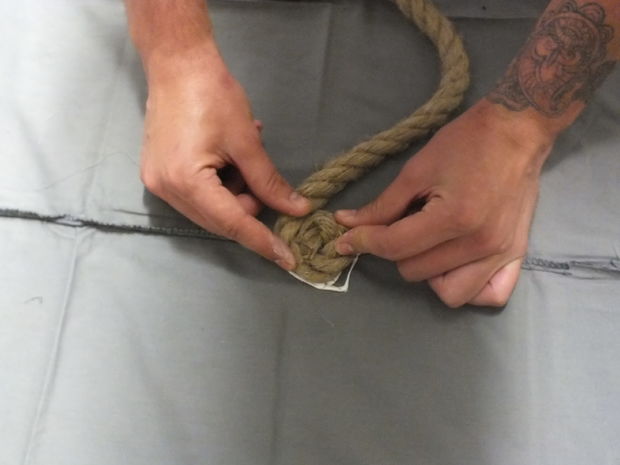
On a large flat surface, place the piece of cloth down. Adhere the one end of the rope tightly to itself.

Starting The Rug

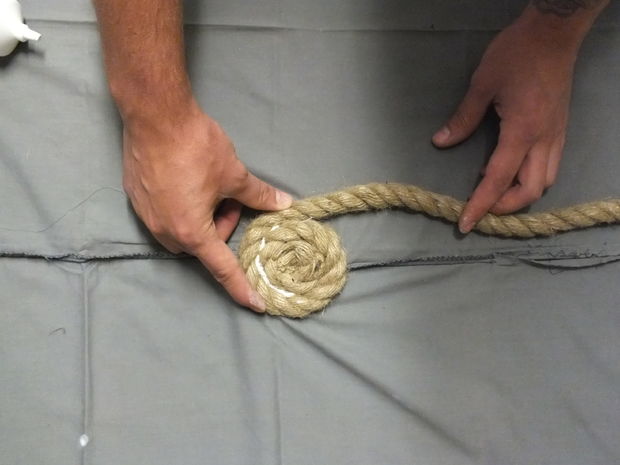
Draw a small spiral with the glue in the centre of the cloth. Press the coiled rope down onto the adhesive.

Glue it Bigger

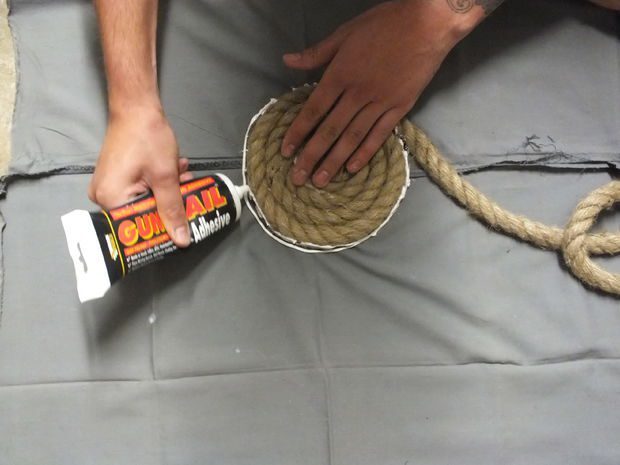
Add adhesive to both the edges of the rope and the cloth as you are coiling the rope up.

Keep Adding GLue And Rolling

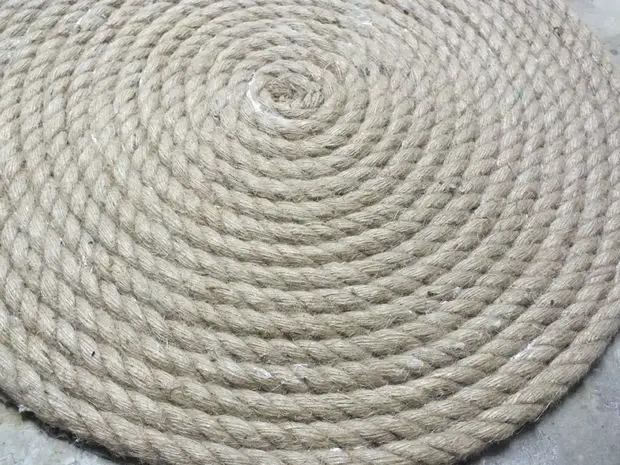
Repeat this process until all of the rope is used up.

Roll To The End

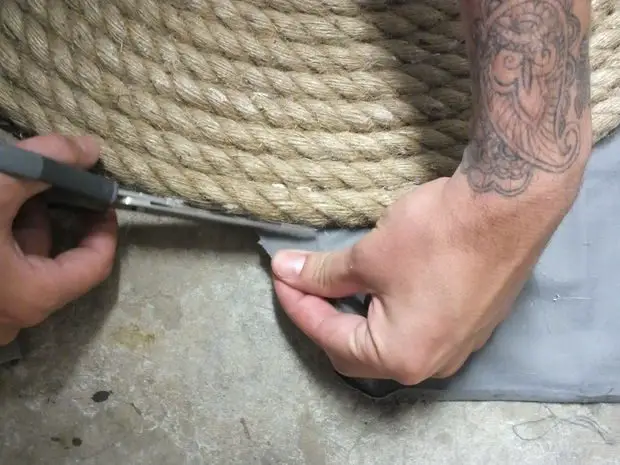
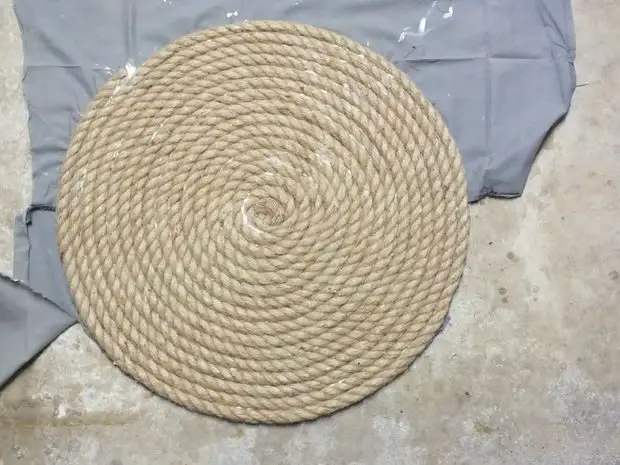
Cut off the excess cloth to finish up the rug and use the adhesive to adhere any loose parts around the edges for a better finish. Allow the glue to dry overnight before using it.

Trim The Excess

Trim The Excess 32

Find a suitable place or person to give this RUGged mat to, it makes the perfect gift.

Completed Rug

This post is based on Jute Rope Rug by Emile09080 and has been modified and used under the Creative Commons License CC-BY-NC-SA 2.5.

Have you made your own rug? Let us know in the comments section below.

10 Invasive Plants You Need To Avoid Planting In Your Garden

0

As a garden lover, we know you placed a lot of effort into maintaining and beautifying your garden. Maintaining your luscious green grass, healthy plants, and alluring flowers requires a lot of effort; which is why you must be careful in keeping out invasive and dangerous plants which might destroy the green paradise you have created. Did you know that there are plants which may look pleasing but can actually destroy your garden? Looks can be deceiving, and with these 10 plants this is no exception. In this post, we’ve listed 10 common plants which you need to avoid to keep your garden safe from invasion and damage.

Make your garden more appealing, find out how to attract butterflies to your garden.

invasive creeper

1. Bamboo

Although a bamboo can give your backyard an exotic look, there are measures that you as a gardener need to take to control it. It is in the nature of bamboo to grow and spread rapidly throughout their surroundings. This is what you need to avoid.

If you happen to have bamboo in your backyard, you need to apply plastic or concrete root barriers to prevent its rhizomes from spreading. There are types of bamboo that grow less rapidly and aren’t too invasive. These species include the Bambusa, Borinda, Chusquea, Fargesia and Otatea. The following bamboo types are extremely invasive: Chimonobambusa, Indocalamus, Pleioblastus and Sasa. Of course, if you don’t want to go through the hassle of making barriers then it’s best to avoid planting bamboo.

2. Japanese Stiltgrass

An unstoppable grass that originated from the Eastern part of Asia is the Japanese Stiltgrass. This plant spreads widely and above the ground through seeds and rhizomes. When left unchecked, it creates a grass web trap, causing the other plants around it to starve. Keep in mind that the more you dig the grass out, the more it grows. The reason for this is that the seeds of this plant grow best in loose soil.

3. Purple Loosestrife

It makes sense to grow a purple Loosestrife in your yard as it treats intestinal problems but you need to take a look at the bigger picture. This plant has “Marsh Monster” and “Beautiful Killer” as its nicknames which are already a red flag itself. Purple Loosestrifes invade other vegetation and  can also spread very fast. If you find these grasses growing in your yard, dig it out and burn the remains.

4. Chinese Wisteria

A very pretty looking vine which deceives a lot of homeowners. It has a similar appearance to its cousin the Japanese Wisteria which can grow up at least 2 feet in diameter; making it easier to wrap itself tightly around the trees. This wrapping habit is enough to kill some tree species and other plants. If you are able to find this in your garden, remove it immediately from the trees, arbours, and pergolas; and then spray it with a systemic herbicide for a sure kill.

5. Trumpet Vine

Another nosy plant you must avoid in your garden is the trumpet vine. Also known as the trumpet creeper, it can creep up trees and walls tightly. Removing this plant is also a nightmare since it can send shoots very far from the main plant — making it hard to control. Attempting to cut the vine is just a temporary solution. The best way to get rid of this plant is to firmly dig up its mother plant and shoots to clear it from any blooms.

6. Mint (Mentha)

Everyone uses mint to add flavour to their food; plus the fact that it also smells good. However, mint is actually invasive and can cover your whole garden. Avoid this kind of plant if you do not have enough time to take care of it. You can still grow this plant but be sure to place it in a container and keep it in a sunny window indoors. Keep it away from any other garden plants.

7. Japanese Honeysuckle (Lonicera Japonica)

These vines commonly cover the ground, wetlands, roadsides, and forest floors. It can climb for more than 80 feet. If you want to get rid these in your garden, you can pull it out using a shovel. Destroy all of its remains so that it won’t grow again. Never buy it unless you have plenty of time to trim the vines and avoid it from enveloping your garden and home.

8. English Ivy (Hedera Helix L.)

They grow fast on walls, can reach over your fence, and even cover your ground. It also climbs and chokes your trees. What makes it worse is that it can spread bacterial leaf scorch which is a plant disease that kills maples, oaks, and other native plants.

You can kill English ivy by prying the vines away from the tree or wall. If it is on the ground, you can dump several inches of mulch and leave it there. Many plant lovers love to grow these for decorative purposes; however, they forget how destructive it is because of its rapid growth. Save yourself the trouble and avoid this one in your garden.

9. Belladonna

The common name for this plant is ‘deadly nightshade’ which is a hint that you should stay away from it. Don’t be tricked by its pretty purple flowers and green-rich leaves because it’s actually harmful and toxic. Belladonna has toxic black berries which can be mistaken as an edible fruit by your kids or pets.

10. Mimosa Tree

It’s easy for homeowners to find this tree aesthetically pleasing due to its plumed fern leaves and pink flowers, but you should really think twice if you’re considering to plant this tree in your garden. The mimosa tree is very invasive and can easily spread its seedlings not only in your garden but to your neighbours as well.

If you have any of these plants mentioned, its best to start avoiding them. You should also be vigilant with the plants already growing in your garden.

If you’re looking for alternatives for these plants, have a look at these six plants which naturally repel mosquitoes.

Visit www.drdripplumbing.com.au for more information blogs on home improvement and plumbing.

Make Your DIY Work Easier With 7 Power Tools

One of the many reasons why DIY is widely favored nowadays is because of convenience. Without the actual aid of experts and professionals, anyone could finish a project such as building, repairing and reconstructing. But, DIY projects do not only focus on these aspects. There are quite a lot more that you could do with DIY.

Accordingly, executing these projects requires the use of certain tools. These tools, however, need not be in full sight. While completing your set can be very beneficial on your end, there are only specific tools that you need to get you going. These are what is known to be the power tools of today since almost all DIY projects can be easily done with the use of these things.

1. Nail Gun

When you are working with metals and woods, the first power tool that you will be needing is a nail gun. Framing together sides and parts of your materials entail the use of nails. Now, having a nail gun in your toolbox will certainly make your job a lot easier.

Aside from being handy and portable, you can easily achieve a precise nail work with a nail gun. In addition, you will save a lot of time and effort by simply having a nail gun to do the nail work for you.

2. Paint Sprayer

DIY projects always have something to do with painting works. If you are really that good and confident in handling paints and brushes, then you could do the job manually. However, it is seen that a painting work would be much easier and convenient when you utilize paint sprayers. Moreover, paint sprayers can help you arrive at a very neat and flat painting job. Hence, having a good paint sprayer in your DIY toolbox is an advantage on your end.

3. Miter Saw

If most of your DIY projects will require cutting of raw materials, especially wood – then a miter saw is a great tool to obtain. This power tool can accurately cut pieces of any raw material. In the recent times, it is considered to be one of the greatest hacks of many carpenters due to its efficiency of cutting wood.

Consequently, this is also the reason why the availability of miter saw in the market today is quite apparent. Perhaps a top miter-saw buying guide will help you locate the most appropriate one for your unique needs and projects.

4. Cordless Drill

A cordless power drill is the most frequently-used tool in almost all DIY projects. Alongside the convenience and portability of being a cordless equipment, power drills are very much efficient in drilling holes to different kinds of materials.

While it is quite pricey than a corded type, a cordless drill will help you save much time and effort with your DIY projects.

5. Circular Saw

There are times that you will deal certain materials that are difficult to cut. Metals especially lumber are a real challenge to manage which is why circular saws are highly recommended to be a must-have power tool. Although a circular saw pretty much does the same job as what a miter saw would do, the design, output, and type of cut are the things that set a circular saw apart from a miter saw.

It would bereally time efficient if you have a circular saw when you are doing DIY projects.

6. Band Saw

DIY projects that usually deal with smaller pieces of wood are used with aband saw. A band saw is pretty much similar to atable saw. The only difference is that band saws are much better to utilize when dealing smaller pieces of wood. In addition, this saw is typically used to cut materials in the middle if you want equal sizes of materials.

7. Sander

Before you reach the painting job in a DIY project, sanding your subject is usually required for a smooth finish. Imagine painting a material with uneven surfaces and edges, certainly, it won’t come out as a very astonishing product. (not unless of course if it is done on purpose!) Hence, a sander is highly recommended if you are to smoothen the surfaces of your product.

In conclusion, having these power tools will enable you to finish DIY projects in no time. While other DIY projects may require additional tools and equipment, owning these 7 tools will help you save much time and effort.

If you found this article useful, have a look at these 10 Essential Tools For Beginner DIY’ers, or transform your workshop with these 5 projects.

Make Your Own Gravity Defying Levitating Top

Make your own gravity defying levitating top using some magnets and some common household items.  This is a nice quick weekend project and is great for science projects on magnetism.

What You’ll Need To Make Your Own Levitating Top

  • 13 1/2″ x 1/8″ Grade N52 Disc Neodymium Magnets
  • 1 3/4″ OD x 3/8″ ID x 1/8″ Thick Ring Grade N52 Magnet
  • 4″ (100mm) Square Piece of Wood At Least 1/4″ (6mm) Thick
  • 1/2″ Forstner Drill Bit
  • Pencil
  • Electrical Tape
  • Plastic or Brass Washers
  • 4″ (100mm) Square Plastic or Cardboard Sheet

How To Make Your Own Levitating Top

Make The Magnet Ring Base

You’ll need a nice and sturdy 4″ square piece of wood. If you’re using a scrap piece of wood, use a handheld or electric saw to cut a 4″ (100mm) square from it.

cut a 4 inch square from the wood

The disc magnets are going to be arranged in a perfect circle on one side of the wood. You can either measure out and mark the wood or print out the diagram below and trace the markings through the paper.

magnet layout drawing

If you’re tracing out the layout, make sure that the scale you’ve printed aligns with the scale on the ruler shown in the diagram. If you have one, use a center punch to mark out the centers of the circles, this makes it easier to drill in the correct place.

use a center punch to mark the circles

Now you can drill out the holes. Use the 1/2″ forstner drill bit to create a nice flat bottomed hole. Drill the hole as deep as possible into the wood without breaking through the other side, make sure they are all consistent. The holes side of the wood is going to be the bottom of the base.

drill out the holes

Once you have drilled all of the holes, you can insert the magnets. You want all of the magnets to be facing in the same direction, with the north pole face down in the hole.  Use a small marked magnet to help you determine which is the north pole, the north pole of a magnet will be attracted to the south pole of another magnet. Press each magnet in using a dowel or pencil.

add the magnets

Make The Top

Cut a pencil down to around 1 1/2″ (40mm) length, keeping the sharp end as the tip of the top. Wrap some electrical tape around the pencil to increase the diameter until the ring magnet fits snugly around the pencil. The north pole must be facing down – towards the tip of the pencil.

make the top

Finally, add some plastic or brass washers on top of the magnet to increase the weight of the top.

Test It Out

Cut out a piece of plastic or cardboard to create the spinning surface. You’ll place this surface on top of the base, spin the top on it and then raise it up to get the top into the “sweet spot”.

test out the levitating top

This is really tricky and can be frustrating to get right. There are a few factors which come in to get your top spinning correctly.

  • The base needs to be perfectly level. Use post it notes to jack up the sides of the base to level it if the top keeps falling to one side.
  • Play around with the weight added to the top until it stays in the sweet spot. If the top flies off straight away, it needs more weight. If the top doesn’t lift off the plate then it is probably too heavy.

Check out this video to see how it works:

Interested in how/why this top works? Check out this blog article.

This post is based on Levitating Top by KJMagnetics and has been adapted and used under the Creative Commons 2.5 license: CC-BY-NC-SA.

Have you made your own levitating top? Let us know in the comments section below!


How To Replace An iPhone 6 Battery

Here’s a full guide to replacing the battery in an iPhone 6. This works for batteries which have failed due to overcharging, through over use or those which have just swollen up over time, like the one in the video. You can save a lot of money by doing this easy and relatively quick repair at home by buying your own inexpensive replacement parts and tools, linked to below. The replacement battery costs between $10 and $20 and you can get the toolkit for a further $5 to $15.

If you’ve shattered you iPhone screen, here’s our guide to replacing the screen on an iPhone 6 or 6s.

What You Need To Replace Your iPhone 6 Battery

The iPhone 6s is very similar internally to the iPhone 6 and this guide can be used for both models.

  • iPhone 6s Replacement Battery – Buy Here

How To Replace Your iPhone Battery

Find yourself a nice, flat desk or counter to work on as you’ll need a bit of space to lay out the components as you take them out. Make sure to keep track of each screw as you’re taking them out as they are different lengths and sizes and you don’t want to damage components by putting long screws in the wrong place. It helps to draw a small sketch of the components and place each screw on the sketch as you remove them, this way you’ll always remember which one goes where.

The battery is held in place with a really strong double sided tape. Gently heating up the back of the iPhone case with a hair dryer or heater softens the adhesive a bit and makes it easier to remove. Be careful not to damage any of the ribbon cables for the side buttons near the top of the phone when you are prying underneath the battery.

Good luck and enjoy the repair. If you found this video helpful, please like it and subscribe to my channel for more tech videos.

Build Your Own Arduino On A Breadboard

Within a few minutes you could have a fully functional Arduino platform running from a breadboard. This is the perfect project for testing out new ideas and adding your own functionality to an Arduino board. Plus it looks neat with all the components laid out on the breadboard.

Arduino is an open-source electronics prototyping platform based on flexible, easy-to-use hardware and software. It’s intended for artists, designers, hobbyists, and anyone interested in creating interactive objects or environments.

Arduino can sense the environment by receiving input from a variety of sensors and can affect its surroundings by controlling lights, motors, and other actuators. The microcontroller on the board is programmed using the Arduino programming language (based on Wiring) and the Arduino development environment (based on Processing). Arduino projects can be stand-alone or they can communicate with software on running on a computer (e.g. Flash, Processing, MaxMSP. [1] www.arduino.cc

With a few inexpensive parts and a solderless breadboard you can quickly and easily build your own Arduino. This concept works great when you want to prototype a new design idea, or you don’t want to tear apart your design each time you need your Arduino.

If you are wanting to design and build your own Arduino PCB, we suggest reading our post on Building your own Xduino as this covers more of the PCB design and component selection side of the project.

What You’ll Need To Build Your Own Arduino On A Breadboard

Atmel Atmega168 Chip – Buy Here

Breadboard (440 or 840 Tie Point) – Buy Here

22 AWG Wire (Various Colours Help) – Buy Here

7805 Voltage Regulator – Buy Here

2 x 5mm LEDs (Any Colour) – Buy Here

2 x 220Ω 1/4 Watt Resistors – Buy Here

10K 1/4 Watt Resistor – Buy Here

2 x 10uF Capacitors – Buy Here

16 MHz Clock Crystal – Buy Here

2 x 22pF Capacitors – Buy Here

Small Momentary Tact Switch – Buy Here

1 Row Male Header Pins – Buy Here

TTL-232R-3V3 USB to Serial Converter Cable – Buy Here

How To Build Your Own Arduino On A Breadboard

Before we get started, make sure you have all the necessary items in the component list box.

Assemble The Components

Power Circuit

The first thing you need to do is set up power. With this step, you will be setting the breadboard Arduino up for constant +5Volts power using a 7805 voltage regulator.

building your own arduino - power layout

In order for the voltage regulator to work, you need to provide more than 5V power. A typical 9V battery with a snap connector would work just fine for this.

Power is going to come into the breadboard where you see the red and black + and – squares. Then add one of the 10uF capacitors. The longer leg is the Anode (Positive) and the shorter leg is the Cathode (Negative). Most capacitors are also marked with a stripe down the negative side.

Across the empty space on the breadboard (the channel) you will need to place two hook-up wires for positive (red) and ground (black) to jump power from one side of the breadboard to the other.

Now add the 7805 voltage regulator. The 7805 has three legs. If you are looking at it from the front, the left leg is for voltage in (Vin) the middle leg is for ground (GND) and the third leg is for voltage out (Vout). Make sure the left leg is lined up with your positive power in, and the second pin to ground.

Coming out of the voltage regulator and going to the power rail on the side of the breadboard you need to add a GND wire to the ground rail and then the Vout wire (3rd leg of the voltage regulator) to the positive rail. Add the second 10uF capacitor to the power rail. Paying attention to the Positive and Negative sides.

It’s a good idea to include an LED status indicator which can be used for troubleshooting. To do this you need to connect the right side power rail with the left power rail. Add positive to positive and negative to negative wires at the bottom of your breadboard.

For the LED status indicator, connect a 220& resistor (colored as: red, red, brown) from power to the anode of the LED (positive side, longer leg) and then a GND wire to the cathode side.

Congratulations, now your breadboard is set up for +5V power. You can move onto the next step in the circuit design.

Arduino Pin Mapping

arduino pin mapping

Now we want to prepare the ATmega168 or 328 chip. Before we begin, let’s take a look at what each pin on the chip does in relationship to the Arduino functions. NOTE: The ATmega328 runs pretty much the same speed, with same pinout, but features more than twice the flash memory (30k vs 14k) and twice the EEPROM (1Kb vs 512b).

The ATmega168 chip is created by Atmel. If you look up the datasheet you won’t find that the above references are the same. This is because the Arduino has its own functions for these pins, and I have provided them only on this illustration. If you would like to compare or need to know the actual references for the chip, you can download a copy of the datasheet at www.atmel.com. Now that you know the layout of the pins, we can start hooking up the rest of the components.

Supporting Components

To start, we will build the supporting circuitry for one side of the chip and then move on to the other side. Pin one on most chips has an identifier marker. Looking at the ATmega168 or 328 you will notice a u-shaped notch at the top as well as a small dot. The small dot indicates that this is pin 1.

Supporting circuitry pins 1-14

Arduino supporting components side 2

Above the ATmega168 chip near the pin 1 identifier, place the small tact switch. This switch is used for resetting the Arduino. Right before you upload a new sketch to the chip you will want to press this once. Now add a small jumper wire from pin 1 to the bottom leg of the switch then add the 10K resistor from power to the pin 1 row on the breadboard. Finally add a GND jumper wire to the top leg of the switch.

Add power and GND jumpers to pin 7(VCC) and pin 8 (GND). Add the 16MHz clock crystal to pin 9 and 10 and then the two .22pF capacitors from pins 9 and 10 to GND. (See note below for alternative method).

Your basic breadboard arduino is now complete. You could stop right here if you wanted to and swap an already programmed chip from your Arduino board to the breadboard, but since you came this far, you might as well finish off by adding some programming pins. This will allow you to program the chip from the breadboard.

NOTE: Instead of using the 16MHz clock crystal, you can use a 16 MHz ceramic resonator with built-in capacitors, three-terminal SIP package. You will have to arrange your breadboard a little differently, the resonator has three legs. The middle leg will go to ground and the other two legs will go to pins 9 & 10 on the ATmega168 chip.

Referring to Figure 1-7, locate a spot where you have 6 columns on the breadboard that are not in contact with anything else. Place a row of six male header pins here.

With the breadboard facing you, the connections are as follows:
GND, NC, 5V, TX, RX, NC, I am also calling these pins 1,2,3,4,5,6. From your power bus rail, add the GND wire to pin 1 and a wire from power for pin 3. NC means not connected, but you can connect these to GND if you want to.

From pin 2 on the ATmega168 chip, which is the Arduino RX pin, you will connect a wire to pin 4 (TX) of your programming headers. On the ATmega168 chip, pin 3 Arduino TX gets connected to pin 5 (RX) on your header pins.

The communication looks like this: ATmega168 RX to Header Pin TX, and ATmega168 TX to Header Pin RX.

Supporting circuitry pins 15-28

Arduino supporting components side 1

From the GND power bus, add a jumper wire to pin 22. Next, from the positive power bus, add jumper wires to pin 20 (AVCC – Supply voltage for the ADC converter. Needs to be connected to power if ADC isn’t being used and to power via a low-pass filter if it is (a low pass filter is a circuit that cleans out noise from the power source, we aren’t using one)
Then add a jumper wire from the positive bus to pin 21 (Analog reference pin for ADC).

On the Arduino, pin 13 is the LED pin. Note that on the actual chip the pin is number 19. When uploading your sketch code and for all projects you will still reference this as Pin 13.

To hook up the LED, add a 220& resistor from GND to the cathode of the LED. Then from the anode of the LED add a jumper wire to pin 19.

The Complete Breadboard

building your own arduino - breadboard layout

Now you can program your breadboard Arduino.

Programming Your Arduino

Double check your connections, make sure your 9V battery is not connected and hook up your programming option. Open up the Arduino IDE and in the Example sketch files, under Digital, load the Blink sketch.

If you are new to using and programming an Arduino, read through our guide on Programming Your Arduino For The First Time.

programming your Arduino

Under the file option Serial Port, select the COM port that you are using with your USB cable. i.e. COM1, COM9, etc.

Under the file option Tools/Board, select either:
Arduino Duemilanove w/ATmega328
Arduino Decimila, Duemilanove or Nano w/ATmega128
(depending on which chip you are using with your breadboard Arduino)

Now press the upload icon and then hit the reset button on your breadboard. If you are using one of the SparkFun breakout boards, you will see the RX and TX lights blink. This lets you know that the data is being sent. Sometimes you need to wait a few seconds after pressing the upload button before pressing the reset switch. If you have trouble, just experiment a little with how fast you go between the two.
This sketch if uploaded properly will blink the LED on pin 13 on for one second, off for one second, on for one second… until you either upload a new sketch or turn off the power.

Once you have uploaded the code, you can disconnect the programming board and use your 9V battery for power.

Troubleshooting

  • No Power – Make sure your source power is above 5V.
  • Power but nothing works – recheck all your connection points.
  • Uploading error – Refer to www.arduino.cc and do a search on the particular error message you receive. Also check the forums as there is a lot of great help there.

Build Your Arduino Onto A PCB

Once you’ve got your Arduino board up and running on a breadboard, you may want to try and turn it into a PCB. If anyone is interested in etching their own PCB (printed circuit board) I have included the component and solder side pcb files.

PCB component side

Homemade Arduino PCB Files

I have added a zip file which contains 300dpi JPG files of the component side and solder side.

Hope you’ve enjoyed this post, let us know if you’ve tried to build your own Arduino in the comments section below.

This post has been adapted from Build Your Own Arduino by ArduinoFun and have been modified and used under the Creative Commons License CC-BY-SA.