Home Blog Page 46

Accessing An Arduino Over The Internet

Wouldn’t it be great if you could access information on your Arduino from anywhere in the world? You could read information from sensors, access files or use it to control lights and electronics around your home and this is all possible with an Ethernet shield. An Ethernet shields allows your Arduino to connect to the internet via an Ethernet cable plugged into your router and enables it to communicate with the outside world.

There are two ways in which an Ethernet connected Arduino can be setup:

  1. As a Web Server, the Arduino acts as a web server which can be accessed from the internet. Commands can be sent to the Arduino and it can control things around the house. It can also be used to display information such as sensor readings on a web page or send stores files.
  2. A a Client, the Arduino acts as a web client and posts data to a database stored on a remote server. This is particularly useful for data logging or handling large amounts of information.

This guide will be dealing mainly with the first setup, getting the Arduino to act as a simple web server and serve a web page with some information on it. If this is your first Arduino project then we recommend that you read through our getting started guide to familiarise yourself with the basics and programming the Arduino.
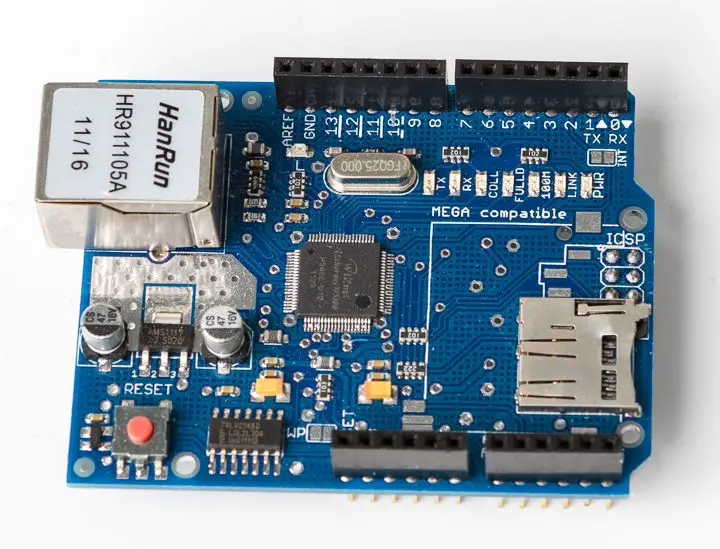
arduino ethernet shield

Arduino Ethernet Shield by Teardown Central

What You Will Need To Access Your Arduino Over The Internet

  • An Arduino (An Uno is used here)
  • Ethernet Shield (Needs to be compatible with the Arduino board)
  • USB A to B Cable
  • Router (Needs to be connected to the internet for external connections)
  • Ethernet Cable (With RJ45 plug)

Understanding The Ethernet Shield

The first step in getting your Ethernet shield communicating with the outside world is to get a basic understanding on how the shield and an Ethernet network functions.

Your Arduino’s Addresses

Every device which is connected to the internet has an address, much like your home address. This identifies the device on the network so that data can be sent to and from the specific device. There are two types of addresses used to identify devices on a network, these are the MAC address  which is unique to every device and is usually loaded when the device is manufactured and the IP address which may be fixed or may change depending on your network configuration.

When you plug your Arduino (or any device for that matter) into your router, your router automatically assigns an IP address to it which remains the same until the device is unplugged or it is switched off. The router manages all of the IP addresses within your home network and allows them to communicate to each other.

Your Router’s Addresses

A router has two IP addresses, an internal IP address and an external IP address. The internal IP address is used to identify the router to all of the devices connected to your home network while the external IP address is used to interact with the devices and servers on the internet.

These two addresses are quite important as you will need to use a different method to communicate with your Arduino over your local network and over the internet. When you access your Arduino over your local network, you can communicate with the Arduino directly through its own IP address whereas when you communicate with it over the internet, you need to access your router through its IP address and the router will then forward your commands to and from the Arduino.

Connect The Hardware

The hardware connections in this example are quite straight forward as we are not using any additional sensors or switches.

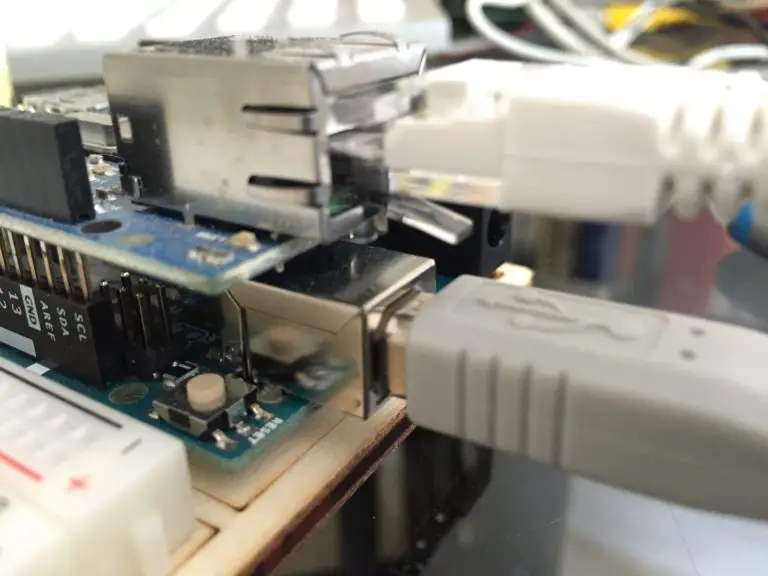
Plug the Ethernet shield into your Arduino making sure that the pin headers line up with the connect pins on the board and the shield.

Now plug the Ethernet cable into the Arduino shield and then into your home router. Plug the USB cable into the Arduino and then into your laptop, PC or Mac.

Loading The Arduino Web Server Sketch

The code is quite straight forward, shown below, although some HTML knowledge is advantageous for the actual web page which is served by the Arduino.

#include <Ethernet.h>
#include<SPI.h>

byte mac[] = {0011, 002B, 003C, 004D, 005E, 0066}; //Define your mac address
EthernetServer serve = EthernetServer(55);  //Create a server which listens on port 55


void setup()
{
  Serial.begin(9600);
  if(Ethernet.begin(mac) == 0)                        
  { 
    Serial.println("Configuration failed");
    return;
  }
  else
  {
    Serial.print("Arduino IP:");   //Displays your Arduino's local IP address
    Serial.println(Ethernet.localIP());
  }
  serve.begin();
  Serial.println("Server Running");
}

void loop()
{
  Serial.println("Waiting For Client Connection");
  EthernetClient client = serve.available();  //Looks for incoming client connections
  if(client)
  {
    Serial.print("Connected to client: ");
    while(client.available())
    {             
      char c = client.read();
      Serial.print(c);
    }
    if(client.connected())                        
    {
      Serial.println("Webpage Sent To Client");   //Delivers a web page to the client
      client.println("HTTP/1.1 200 OK");
      client.println("Content-Type: text/html\n");
      client.println("<center><h1>Connected To Your Arduino</h1></center>");
      client.println("<center><h2>Hello John</h2></center>");   
    }  
    delay(8);
    client.stop();    //Closes the client connection
    Serial.println("Disconnected from client");
  }
  delay(1500);
}

Download the WebServer code here.

The Basic Code Functions

We use the two built in libraries Ethernet.h which lets us use the built in Ethernet communication functions library and SPI.h which defines how the Arduino communicates with and controls the Ethernet shield.

Next we define the mac address for the Ethernet shield. If you have a genuine Arduino Ethernet shield then the mac address will be printed on a sticker on the back of the shield and you can remove this line of code.

Now we use the Ethernet Server function to create a server called serve which listens for an incoming connection on the specified port. You can change the port number if you’d like as long as there is no other communications running on that port already.

The setup method then starts up the connection with the router using the defined mac address and displays the IP address assigned to the Arduino in the serial monitor window.

The loop functions is then repeated which waits for client connections, connects to the client when a request is made and then serves a basic HTML web page to the client. This web page can be customised and can include sensor values, variables and strings etc. The loop function is run every one and a half seconds to check for client connections.

Upload the sketch onto the Arduino and open up the serial monitor on your computer, this is accessed through Tools > Serial Monitor. If your Ethernet shield is connected to your router, when the software is loaded and the Arduino starts up you should see your Arduino’s IP address, Server Running and then Waiting For Client Connection repeated every one and a half seconds.

Connect To Your Arduino Over Your Local Network

If you open up your internet browser on your computer (which also needs to be connected to the router either via WiFi or Ethernet) and type the following address into your URL address bar you should be served with your Arduino’s web page:

http://”Your Arduino IP”:”Port” for example http://192.168.0.5:55

You should then get a client connection notification on the serial monitor and shortly afterwards your Arduino’s served web page should be displayed.

arduino served web page

Accessing Your Arduino From Outside Your Local Network

Finally, we need to configure your router so that you can access your Arduino from anywhere over the internet.

You need to login to your router’s configuration page, first of all, look on the base of your router or in its manual for information on accessing this page. Generally, it is accessed through the routers IP address which is usually the first in the local network range, if your Arduino’s IP address was 192.168.0.5 then it is likely the the router’s is 192.168.0.1. Type this into your browsers URL bar and you should reach your router login page where you will need to supply your router’s username and password, these may still be the defaults such as admin or administrator etc. They can be found on the internet for different manufacturers.

Reserve Your Arduino’s IP Address

Find the LAN settings in your routers configuration settings. Try to reserve your Arduino’s IP address, this is usually a tick box and you can identify your Arduino by the mac address or IP address. This means that your router will always assign that IP address to your Arduino.

Setup Port Forwarding

Now you need to set up port forwarding. Create a user defined port forwarding service which is forwarded to the port you set up in your Arduino sketch, 55 in this case. The port forwarding enables us to communicate with the Arduino from the internet. The router takes the request made from the internet to the router and forwards the request to the Arduino on the correct port inside the local network.

Now look for your routers connection information page. You need to find your routers external IP address, this is different to the internal IP address and is the address that your service provider provided to your router when the router was switched on. This should be displayed somewhere with the connection status or connection information.

Save the settings and close your router page.

Access Your Arduino From The Internet

Your should now be able to access your Arduino from any internet connected device. Simply type in the address as above but this time with the routers external IP and the Arduino’s port:

http://”Router External IP”:”Port” for example http://172.16.5.5:55

You should now be served with your Arduino’s web page.

If you’ve managed to get the webpage to load correctly, now try to connect a sensor or switch and display the readout or status of the switch via your web page. This is the perfect start to your next Internet of Things project.

Did this guide help you? Please let us know any questions or queries you may have in the comments section below. If you enjoyed this project then try building your own Raspberry Pi Cloud Storage or build a home energy meter using your Arduino and start monitoring your energy usage.
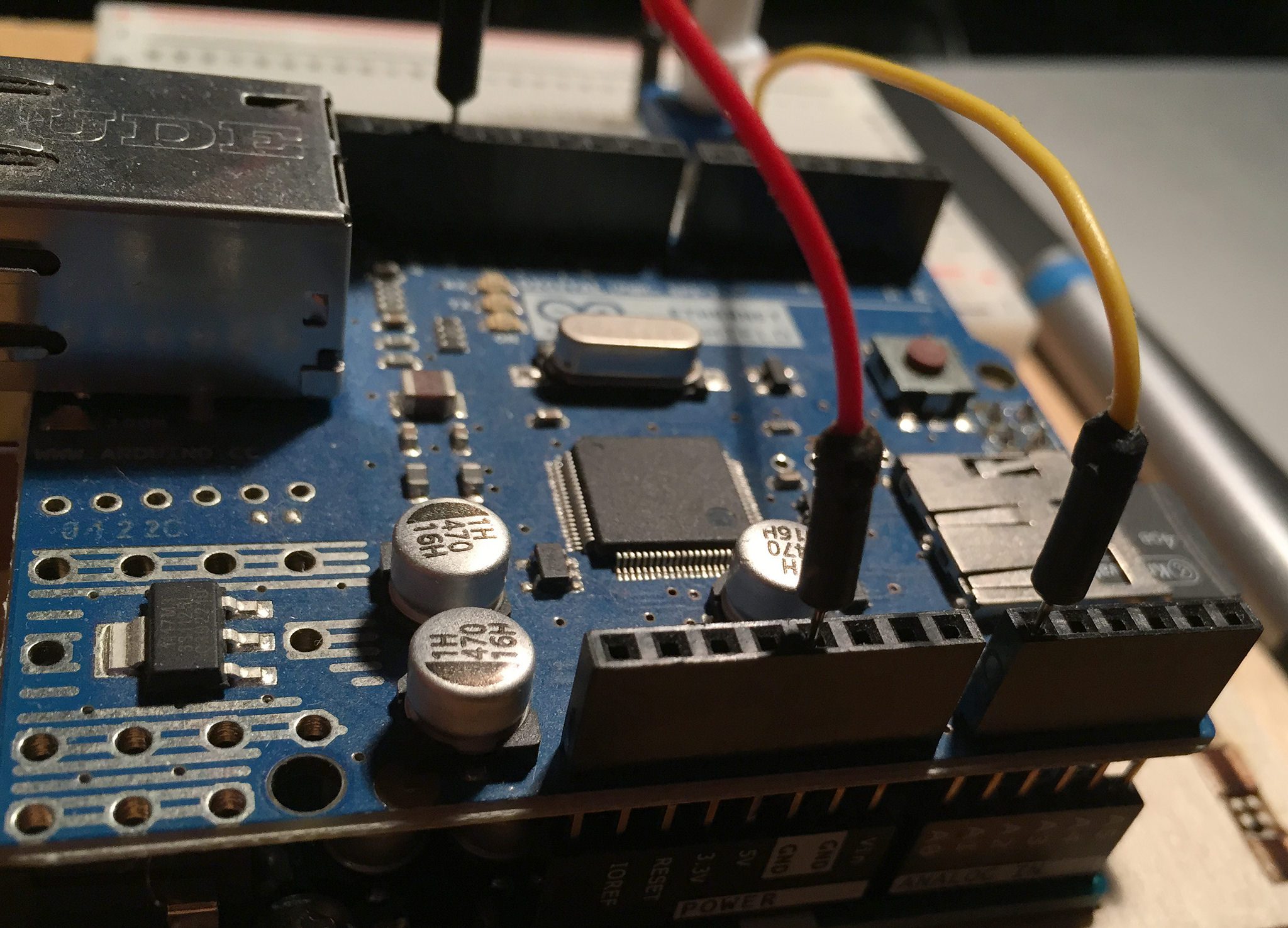
sensors connected to arduino ethernet shield

Arduino Ethernet by 37Hz

Share This Guide:

connect your arduino to the internet

Cover Image: Arduino Ethernet by 37Hz. All referenced images used in this post are used and modified under CC BY 2.0


Give Your Mattress A Refresh With Baking Soda

Your body constantly sheds old skin cells, releases oils and sweat while you sleep. This all lands up on your bedding and eventually works its way into your mattress. It should therefore be regularly cleaned as well, even more so if you have pets sleeping on your bed.

This is another task for baking soda. Baking soda provides a non toxic way for you to clean and refresh your mattress without having to use strong detergents or harsh chemicals.

What You’ll Need For Your Mattress Refresh

  • Baking Soda
  • Vacuum Cleaner

How To Do The Refresh

First start off by removing all of your bedding, put your bedding through the wash while you refresh you mattress so that you don’t dirty it again right away.

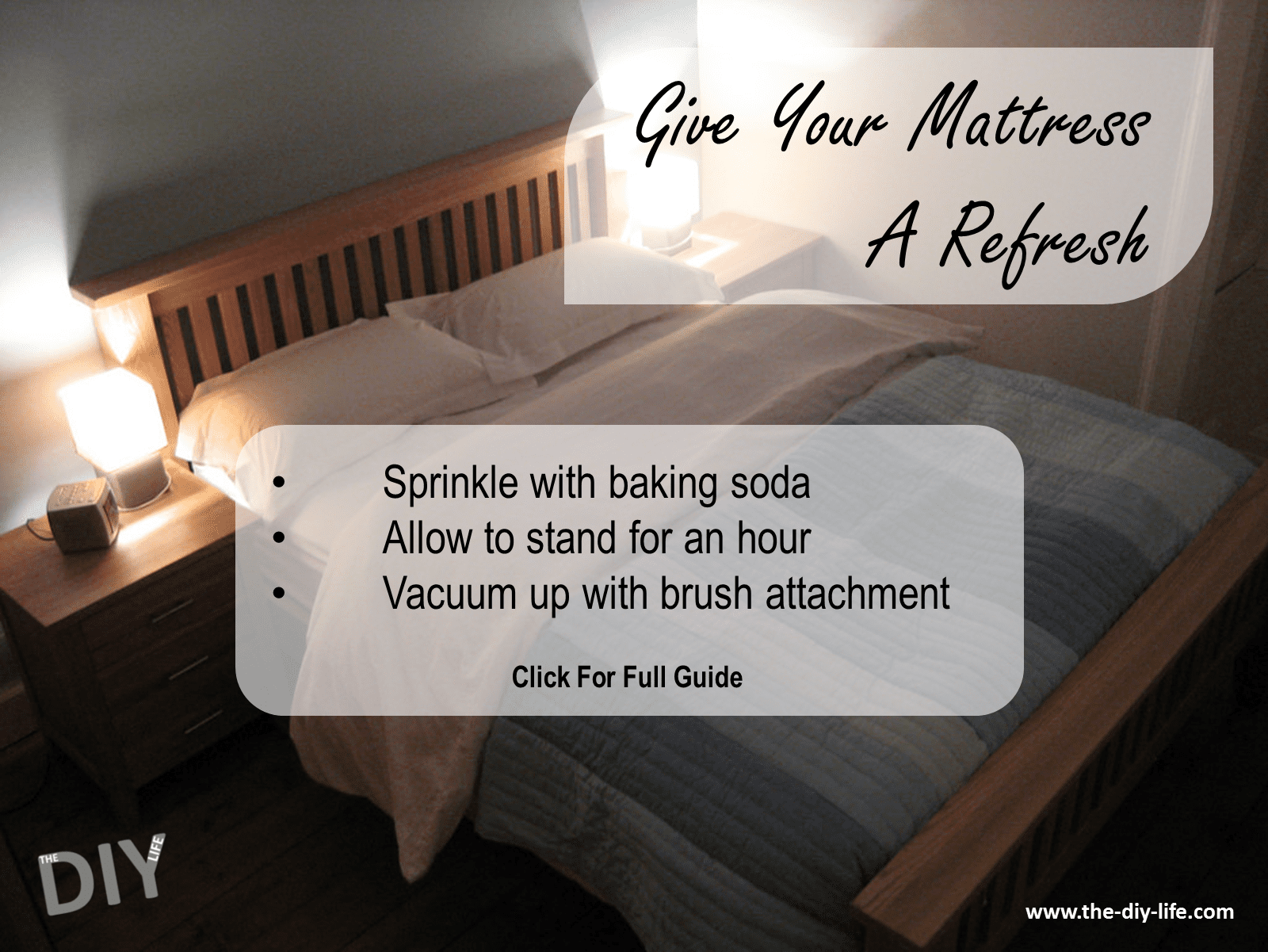
Sprinkle baking soda liberally over the whole surface, use a soft brush to lightly work some of the baking soda into the surface of the mattress.

Allow the baking soda to stand for at least an hour, longer if you have the time.

Attach a brush attachment to your vacuum cleaner and put the vacuum cleaner on the highest possible setting. Vacuum up the baking soda while brushing in a circular motion to loosen and pick up the baking soda.

Do this refresh every six months to keep your mattress fresh and clean.

If you’ve impressed by how well baking soda works as a refresher, here are many more ways baking soda can be used around the house.

Share This Tip:

Give your mattress a baking soda refresh

Cover Image: Bed by Tom Hodgkinson used and modified under CC BY 2.0
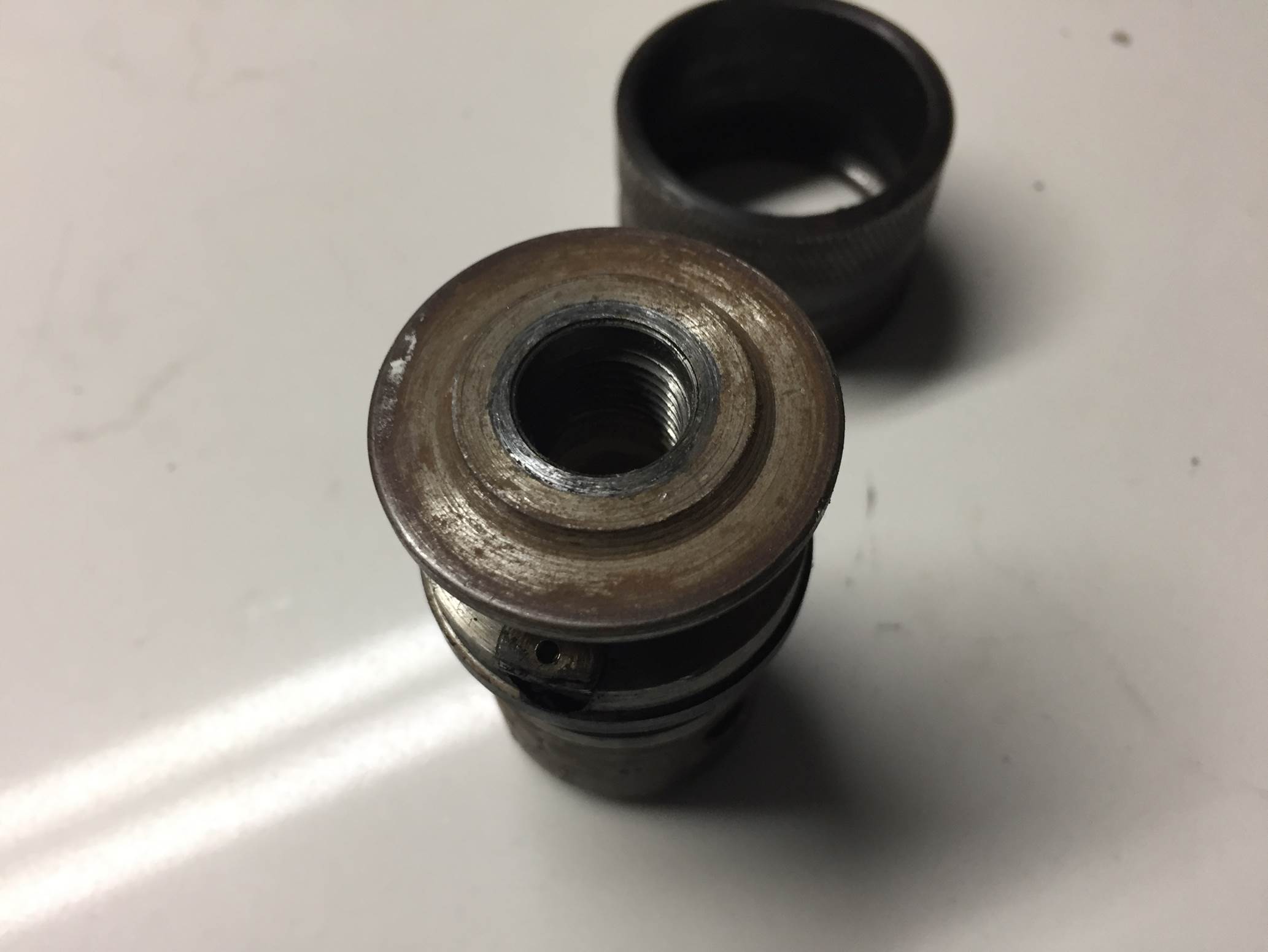
 

Temporarily Stop The Annoying Sound Of A Dripping Tap

When the tap in the bathroom starts dripping at night and is making it impossible to sleep, here’s an easy fix to temporarily stop the maddening sound and allow you to get some shuteye.

Tie a small length of string around the aerator and allow it to rest in the basin. The water will now run down the length of the string and into the basin instead of dripping.

In the morning, you can tackle fixing the tap yourself or call in a plumber.

Cover Image: Tap by Emily used under CC BY 2.0

 

Build Your Own Raspberry Pi Cloud Storage

Do you want to build and control your own cloud storage? Here’s an easy guide to build a home based cloud storage solution that’s inexpensive and requires no coding experience, just follow these steps to get it set up.

The whole project takes about an hour to put together and set up and costs around $100 depending on the availability of components in your area/country

What You Need To Build Your Own Cloud Storage

  • Raspberry Pi 3
  • Western Digital PiDrive (314GB and 1TB available)
  • Micro SD Card (4GB or More)
  • Ethernet Cable
  • HDMI Cable (For Setup)
  • Monitor (For Setup)
  • USB Keyboard and Mouse (For Setup)

How To Build Your Own Cloud Storage

The building of your cloud storage system is done in two parts, the hardware needs to be connected and then the correct software needs to be installed and configured. The HDMI cable, monitor and USB keyboard and mouse are only required to do the software setup. Once the cloud storage is working, you can disconnect these devices. This allows the setup to use less power and fit into a smaller space.

Enjoy having the freedom to not carrying your bulky external storage devices and instead rely on cloud by accessing your files and media with a windows 7 virtual desktop on the go on your favorite mobile device. With 24*7 support from Apps4Rent.

Connecting The Hardware

connect raspberry pi for cloud storage

First plug the hard-drive into the Raspberry Pi. The hard-drive plugs into the mains and then connects to the Raspberry Pi via one of its USB ports. A micro USB plug is also provided on the hard-drive wiring harness to power the Raspberry Pi, plug this into the Pi’s micro USB socket.

Use the Ethernet cable to plug your Pi into your router to provide a network/internet connection.

Plug the monitor into the HDMI port on the Pi and the keyboard and mouse each into a USB port.

The microSD card plugs into the Pi’s card reader, keep it for the time being as you need to load software onto it before plugging it in.

Loading the Pi’s Operating System

Plug the microSD card into your laptop’s card reader or using an adapter.

Go to raspberrypi.org and download Raspbian NOOBS which will then install the Pi’s Linux based operating system. In the NOOBS folder there is a file called INSTRUCTIONS-README.txt, follow the instructions in this file to load the operating system onto the microSD card.

Plug the microSD card into the Pi and then power up your Pi via the hard drive.

The monitor should now take you through instructions to install NOOBS which takes around ten minutes or so.

Configuring the Cloud Storage

Now you need to configure the Raspberry Pi to tell it how to manage the storage on the hard-drive. This will be done through the Pi’s command prompt system, it may seem confusing at first but if you follow the instructions presented below paying careful attention to the syntax, it’s really quite easy.

Click on Menu > Accessories > Terminal. A black window will pop up which allows you to type and enter commands. Throughout the commands listed below, <Enter> denotes pressing the Enter button on your keyboard.

Start by typing:

dmesg | tail -n20  <Enter>

You will get a reply which looks like this: [5.860566] sd 0:0:0:0: [sbc] 1953547193 512-byte logical blocks: (1.00 TB/931 GiB)

In this case, the drive name is sbc but yours may be sda or sdc, change the name accordingly below and type in:

sudo mkfs.ext4 /devsda -L “Data” <Enter>

sudo mkdir /mnt/data <Enter>

sudo mount -t ext4 -o “noatime” /dev/sbc /mnt/data <Enter>

sudo mkdir /mnt/data <Enter>

sudo nano /etc/fstab <Enter>

Please the down arrow to move the cursor to a new line, then type in this:

/dev/sbc /mnt/data ext4 defaults,noatime,nofail 0 2 <Enter>

Then press these keys in order <ctrl + x>, <y>, <Enter>

The hard-drive is no set up and ready to run. You now need to install the BitTorrent Sync with these commands:

wget “https://download-cdn.getsync.com/stable/linux-arm/BitTorrent-Sync_arm.tar.gz” <Enter>

tar -zxvf BitTorrent-Sync_arm.tar.gz <Enter>

./btsync –webui.listen 0.0.0.0:8888 <Enter>

cd ~/.config/ <Enter>

mkdir autostart <Enter>

nano autostart/syncstart.desktop <Enter>

[Desktop Entry] <Enter>

Type=Application <Enter>

Exec=/home/pi/bysync –webui.listen 0.0.0.0:8888 <Enter>

And then save what you have done by pressing these keys in order <ctrl + x>, <y>, <Enter>

Find your Pi’s IP address by typing ifconfig <enter> into the terminal as you have just done for the setup. One of the fields will be inet addr and then a number like 192.168.1.3, this is your Pi’s IP address.

On your computer (PC or Mac) connected to the same network, open your web browser and enter the Pi’s IP address: http://192.168.1.3:8888/gui. Follow the prompts given on screen and setup an account. When you get to the main account page, click on Add Folder and choose the folder you created called /mnt/data, this is a folder on your PiDrive. Make sure the the Read & Write box is checked which allows other devices to access it. Leave this browser window open.

Open another browser window and go to: https://get-sync.com/platforms/desktop/. Install the app and open it. Now go back to the browser window with Sync open to Share -/mint/data. Click copy and then paste that URL into a new browser window. This URL will open your Sync desktop app and add your /mnt/data folder to it.

Approve the Sync request from your control panel (the one you copied the URL from) and it’s complete. If you’d like to upload files from your phone or tablet, download the Sync app and open the copied sharing URL or QR code on your desktop. You’ll need to approve it on the new devices as well.

You can now send files to your personal Cloud Storage from anywhere.

Here’s a working Raspberry Pi cloud storage server which has been built into a small storage container:

raspberry pi cloud storage server in operation

Home Server by Kristian Mollenborg

Have you built your own Raspberry Pi or other platform Cloud Storage? Let us know in the comments section below!

If you enjoyed this project, you may be interested in building your own home automation system by connecting an Arduino to the internet.

Share This Guide:

raspberry pi cloud storage

Cover And Setup Images: Raspberry Pi by Clive Darra. All images in this post are used and modified under CC BY 2.0.


6 Questions To Ask Before Applying For A Home Loan

Have you been looking at becoming a home owner or buying a larger property which may require you to take out a home loan? In the last couple of years, banks and financial services providers have become increasingly stringent on the application process and their lending criteria. Applicants need to have their financial affairs in order before thinking of applying for a loan.

If you have made a resolution to buy a new home in 2017, you will need to have access your financial situation and asked yourself these six important questions before approaching your local bank for financial assistance. Some countries have much stricter credit and lending regulations, however, at the moment less than 50% of all bond applications are actually approved, mainly due to missing information or applying for more credit than you are able to afford.

So Here Are The Questions To Ask Yourself Before Applying For A Home Loan

What’s My Credit Score?

You may have heard the term “credit score” before, your credit score is an indication of how good you are at borrowing and repaying money. A good credit score and credit record are extremely important in the application for a home loan since it is a high value transaction. Depending on your country, your national credit bureau should be able to issue you with a credit report and your subsequent credit score.

You credit score is influenced by a number of factors, some of which include: missing repayments, opening too many accounts, only paying the minimum repayments etc. All of these affect your credit score and may deter potential lenders, especially with high value transactions.

What Is My Annual Income?

The maximum bond amount you can apply for as an individual or as a married couple is most likely based on your individual or combined annual income. When stating your annual income, remember to include items such as rental income, performance bonuses and investment returns. Your annual tax return is an important document which should provide a comprehensive list of all of your income sources.

What Debt Do I Currently Have?

After banks have looked at your annual income, they will calculate what your “disposable income” is. You will have to provide your bank with a list of all of your monthly payment commitments, repayments on credit cards, vehicles, insurance, taxes and rates, levies etc. The bank will then calculate your debt to income ratio which is used to determine your affordability, an individual with too much debt is a higher risk to banks than one with very little debt.

Try to pay up as much of your outstanding debt as possible before applying for a home loan to improve your affordability and improve your chances of your bond being approved.

What Is My Net Worth?

The bank will then look at your “net worth” which is calculated by adding up the value of all of your assets such as vehicles and houses and the subtracting any outstanding debt you have. The difference is your net worth or the amount of money you would have if you sold all of your assets and settled your outstanding debt. A higher net worth means that you are less of a risk to the bank as you will be able to pay back any shortfall should something happen to the property.

There is not much you can do to improve your net worth significantly in a short period of time.

What Deposit Can I Afford?

Depending on your country, banks will likely require first time buyers to put down a deposit when purchasing a property, this is typically around 10-15% of the purchase price of the property at the moment.

When working out how much you can afford to put down as a deposit, remember to include cash which you have available now as well as any money you will make on the sale of existing property or assets before you buy the house. Remember to subtract transfer fees, bond costs and lawyers fees applicable as these will be payable soon after the acceptance of the offer to purchase.

What Monthly Loan Repayment Can I Afford?

Before you even start looking at houses you should have an idea of what you can afford to repay monthly. It is easy to get an idea of what sort of price range you can look at by using an online bond repayment calculator.

Typically, your monthly home payment which includes the bond, interest, taxes and insurance should be less than 30% of your monthly income. Any more than this and your bond will likely not be approved.

Try to keep the monthly repayment as low as possible and owning a home is a long term investment. You need to consider future expenses as well such as children, tuition fees and new vehicles. Always purchase a property which you can comfortably afford and do not stretch your budget to obtain a property as it will place unnecessary stress and risk on your financial situation.

Was this article useful? Do you have any other questions which you think should be asked before applying for a home loan? Let us know in the comments section below!

Share These Tips:

6 important question to ask before applying for a home loan

Cover Image: Shipman House by brewbooks used under CC BY 2.0

Restore Paint That Keeps Peeling Off A Steel Door

Do you have an old steel door on a shed or a garden gate which you have tried to restore and is not holding its coat of paint anymore? The problem is due to saponification. Over the years, moisture has worked its way beneath the primer and formed zinc oxide. The oils from the new layers of paint react with this oxide to form a soap which rapidly deteriorates the paint film and the paint layer breaks down and loosens.

What You Will Need To Restore Your Steel Door

  • Wire Brush
  • Course and Fine Sandpaper (80 to 240 grit)
  • Prep & Etch Product
  • Acrylic Primer for Galvanised Metals or Plastics
  • Acrylic Top Coat
  • Spray Gun & Compressor or Large and Small Paint Brushes

How To Restore Your Steel Door

The solution is to strip the paint down to the bare metal again. Sand all of the rough and rusted edges down until the shiny metal beneath is exposed. Start by using a wire brush on any rusted areas and remove as much of the rust as possible. Now begin sanding with a course grit (80 to 120) sand paper and work your way down to a finer grit (180 to 240) to a smooth and shiny bare metal finish.

Once your door or gate is rust and paint free, it’s time to build the layers back. Start off with a prep and etch product which is essentially a diluted phosphoric acid. Brush it all over the exposed steel and allow it to set for around half an hour. Rinse it off and then allow the door or gate to dry off thoroughly in a hot place or in the sun.

Once the door is completely dry, prime it with a high performance acrylic primer made for surfaces which have adhesion problems, look for a primer made for vinyls, plastics and galvanized metals. Make sure you prime all of the intricate edges, gaps and grooves. This step is the most important to ensure a lasting surface finish on your newly refurbished door. A spray gun works best for applying primer, if you don’t have a spray gun, use a large paint brush for the large surface areas and a fine paintbrush for the edges and detail work.

Finally finish the door off with two coats of a good quality exterior acrylic top coat. The reason you are now using an acrylic top coat instead of an enamel paint is because there will likely still be very light remnants of zinc oxide on the steel and the oils in the enamel paint will again react with the oxide and the same problem will reoccur. Using a water based paint removes the oils from the paintwork and the saponification reaction can’t occur.

Allow the coats of paint to dry fully and your door will have a new long lasting paint finish.

Did this guide help you? Do you have any other tips and tricks to get rid of rust on steel doors? Let us know in the comments section below.

Share This Tip:

restore a rusty steel door

Cover Image: Rusted Shed Door by Alexis Lewis Used And Modified Under CC BY 2.0


Super Glue Hack, Strengthen Your Repairs

0

Super glue is a really versatile and useful product, perfect for a quick fix. It’s only downfall is that it is quite thin and so cannot be built up around joints or cracks for additional support, this hack addresses that problem.

Enter baking soda! Mixing baking soda and super glue create an hard, drillable and sandable filler. It sets and hardens to its full strength really quickly so you’ll need to plan ahead and work quickly.

What You Will Need

  • Super Glue
  • Baking Soda
  • A Small Brush

Endless Applications For Super Glue

Brush or pour the baking soda dust into the crack or around the edges of the joint you are trying to mend then drop some super glue onto the baking soda. The baking soda absorbs the glue and in a few seconds forms a strong reinforced seam. You can add multiple layers if needed.

If you are filling larger cracks or gaps, alternate layers of glue and baking soda until the crack is filled. Allow a couple of minutes between layers for the glue to fully harden. Make sure that the glue fully soaks into the baking soda with each layer without and excess glue or baking soda as seams of of glue without baking soda become brittle and seams of baking soda without glue create voids which weaken the joint.

Allow the glue to fully cure for about an hour or so before sanding or filing.

This glue and baking soda mix is really versatile and can be used to repair models, cars, boats, household items or for crafts.

Acetone or nail polish remover can be used to clean up any excess glue.

Did you find this tip useful? Share this hack and help those in your network too:

super glue hack pinterest

Cover Image: SuperGlue by David Goehring used and modified under CC BY 2.0.

Repair A Leaking Plumbing Pipe Yourself, No Experience Required

Household plumbing pipes are installed in the walls and underneath the floor during construction. They carry fresh and waste water to and from the kitchen, bathrooms, utility rooms and around the outside of the house for use in the garden. Occasionally, a pipe in your home may start leaking and will require a repair, as long as you can turn the water off and it is not underground, you should be able to fix it yourself without having to call in an expensive plumber.

Pipes typically come in PVC plastic, copper, cast iron, galvanised steel and brass with fittings made out of the same materials to connect them all together as well as to the drains and taps or faucets. Pipes don’t typically move although they do experience vibrations from turning appliances or taps/faucets on and off. They usually start leaking due to age or corrosion and can sometimes be damaged by freezing water.

First Locate The Leaking or Damaged Pipe

If your plumbing has started leaking, you will need to trace the leak back to the problem area in the pipe. Water tends to flow well, especially through gaps and slits in the walls and brickwork so tracing the leak may be a bit tricky. Water leaking out of a wall in one area may not be coming from the section of pipe directly behind it, the water may have flowed down the pipe or wall some way from the original leak. Keep this in mind when trying to locate the leak.

If the leak is in a bathroom behind tiles or in an expensive area of your home and your are not completely sure where the actual pipe damage is, it may be worth your while to call in a plumber as they have the experience and tools to more specifically locate the problem area and make a less conspicuous entry.

How To Repair The Leaking Pipe

The repair you need to make to the pipe depends on what part of the pipe is damaged and leaking and what material the pipe is made from. Here are some of the more common failures and how to fix them.

Make sure that the water supply to the pipe is turned off before attempting to cut into or remove any sections of pipe or fittings.

Replace A Copper Pipe Fitting

  1. Clean the inside of the pipe fitting with a wire brush or emery paper so that it shines.
  2. Clean the outside of the copper pipe in the same way until it shines as well.
  3. Apply a thin coat of solder flux onto the inside of the fitting and the outside of the pipe on the shiny areas.
  4. Insert the pipe into the fitting so that it is correctly seated and turn it to spread the flux, wipe off any additional flux.
  5. Use a propane torch to heat up the joint until it is hot enough to melt the solder. Push the solder wire in around the entire perimeter of the joint.
  6. Wipe off any excess solder.

Replace A Copper Compression Fitting

  1. Loosen the existing fitting by loosening the nut and pulling out the compression ring.
  2. Remove the fitting.
  3. Slide the new nut and compression ring onto the pipe.
  4. Insert the pipe into the fitting.
  5. Slide the compression ring into place and secure the nut with a pipe wrench.

Remove A Section Of Copper Pipe

  1. Slide a pipe cutter onto the copper pipe.
  2. Tighten the cutting wheel until it gently scores the surface of the pipe.
  3. Rotate the pipe cutter around the pipe once and then tighten the pipe cutter slightly.
  4. Repeat until the pipe has been cut through.
  5. Do this again on the other end of the section to be removed.
  6. Remove the cut out section of pipe.

Patch A Rigid Copper Pipe Section With Plastic Pipe

  1. Once you have cut out the damaged section as outlined above, measure the gap between the pipe ends.
  2. Cut a piece of plastic pipe to suite the gap between the copper pipe and make allowance for the new fittings.
  3. Solder the copper section of the transition fitting onto the copper pipe ends on both sides as outlined above.
  4. Screw the brass and plastic sections of the fitting onto the soldered on fitting.
  5. Check that the plastic pipe is correctly sized by dry fitting it.
  6. Use PVC cement on both sides of the plastic pipe and on the joints. Slide the pipe into the two joints to bridge the gap.
  7. Allow the cement to cure for a few hours as directed.

Replace A PVC Pipe Fitting

  1. Cut the old pipe fitting out with a hacksaw.
  2. Lightly sand the end of the pipe to remove the burrs.
  3. Apply PVC cement to the inside of the new PVC fitting and onto the outside of the pipe.
  4. Slide the pipe fitting all the way onto the pipe, twist it around as you insert it so that the cement is spread out evenly all around the joint.
  5. Remove any excess cement and allow the joint to cure for a few hours as directed.

Replace A Threaded Iron or Steel Pipe

  1. Cut through the damaged pipe with a hacksaw.
  2. Unscrew the two cut off sections from the fittings on each end.
  3. Replace the old pipe with two new nipples with a centre union.
  4. Apply PTFE plumbing tape to the pipe nipples on both ends.
  5. Screw one nipple into the fitting and tighten it with a wrench.
  6. Slide the ring nut onto the installed nipple and then screw the hubbed nut onto the nipple.
  7. Screw the threaded nut onto the second nipple and screw the second nipple into the second fitting.
  8. Tighten the nipples and the threaded nut.
  9. Slide the ring nut onto the centre of the union and screw it on.

Have we missed anything? Let us know in the comments section below and we will add them onto the list.

Share This Guide:

repair leaking pipes pinterest

New Copper Union by Adam
Cover Image: Pipe by Muhammad Ali. All images in this post as used under CC BY 2.0

How To Jump Start A Car Properly

0
There’s not much worse than getting to your car, ready to go home only to find that you left something on and your battery has died. If this is the case, hopefully you or someone around you has a set of jumper cables stored in their car. Its fairly easy to jump start a car using a set of jumper cables and someone else’s car with a charged battery, just follow these steps.

What You’ll Need To Jump Start Your Car

  • Jumper Cables
  • Someone Else’s Car (With A Charged Battery)

How To Jump Start Your Car

Warning: If yours or the other persons car has an electronic ignition system or is a hybrid or electric vehicle, jump starting may damage it.

Just follow these steps:

  1. Park the donor car in such a way that their battery is as close as possible to your battery. Engage both cars parking brakes and put them into neutral or park.
  2. Attach one red jumper cable clamp onto the positive terminal (+) of your battery. It is also the slightly bigger terminal, if you are having a hard time identifying it.
  3. Attach the opposite red clamp onto the positive terminal of the donor cars battery.
  4. Now attached one of the black clamps onto the negative (-) terminal of the donor car’s battery.
  5. Lastly, attach the other black clamp onto some exposed metal surface on your own car. The metal must not be painted, a mount in the engine bay or the hood hinge, a bolt etc.
  6. Start the engine of the donor vehicle.
  7. Start your own vehicle. If your vehicle doesn’t start, check the clamp connections.
  8. Remove the clamps in the opposite order, start with step 5 and work towards step 2.

Keep your engine running for the next fifteen to twenty minutes to charge up the battery again before turning it off. If you turn off your car and it won’t start again shortly afterwards then the battery is likely damaged. You can try refurbishing your car battery yourself or replacing it with a new one.

Cover Image: JumpStart by Al Ibrahim used under CC BY 2.0.


How To Replace A Shattered Screen on iPhone 6/6s

Almost every smartphone owner has at some stage dropped one of their phones and broken the screen. A replacement by the manufacturer costs a fortune but it is actually quite simple to replace yourself. You can buy a replacement for your phone through a number of online stores, eBay has a large number of electronics suppliers which stock replacement parts.

This guide shows you the step by step process to replace your iPhone screen yourself. Although this change is performed on an iPhone 6, the 6s is almost exactly the same.

Scroll down to the bottom of the page for a full video of the change being done on an iPhone 6.

What You Will Need To Replace Your iPhone 6 Screen

  • Replacement Screen – Buy Screen & Tool Set
  • Pentelobe Screwdriver
  • Small Star/Philips Screwdriver
  • Prying Tool
  • Screen Prying Tool
  • Screen Puller

If you look around online, most of the suppliers which stock replacements will add a small toolset (pictured in the video and cover picture) for a small fee or even for free, it is worthwhile getting the toolkit.

How to Replace your iPhone Screen

Replacing your iPhone screen is done in four stages, first you will remove the old one, then remove all of the components from the old one, install them on the replacement screen and finally install and connect the replacement to your iPhone.

It is worthwhile keeping a piece of paper and a pen handy to make a sketch of the inside of the phone and which screws your have removed from where. The screws are all different sizes and lengths and need to go back into the same hole you removed them from. Rather spend a bit more time taking the phone apart and keep track of the components, it will make your life a lot easier when putting it back together.

Removing the Broken Screen

First start by switching your iPhone off, this ensures that you don’t short circuit anything when clipping and unclipping connectors.

switch the phone off

Now use the pentelobe screwdriver in your toolkit to remove the two screws at the bottom of you phone.

remove the pentelobe screws

Once the screws have been removed, pry the screen away from the body. If it is not totally shattered, using the pulling suction cup to help you lift the screen from the body of the phone. The  prying tool helps to slot in between the screen and the body and pull it away.

pry the screen away from the body

Near the top of the phone, there is a silver cover plate which keeps the connectors locked in place. Unscrew and remove the screws and the cover plate.

unscrew the connector cover plate

Now use the smaller prying tool to unclip the four connectors on the ribbon cables. These connectors snap into place much like Lego’s. Once the ribbon cable connectors are unclipped, you can remove the screen from the body of the phone.

unclip the ribbon cable connector

Remove the Components from the Old Screen

The replacement you have bought will most likely come without any of the additional electronic components mounted onto it, you will have to move these across from your old screen onto your new screen.

First start by removing the camera, sensor and earpiece. Remove the screws and cover plate which secure the camera.

remove the camera cover plate

Now remove the camera, sensor and ear piece, they should come away easily with the cover plate removed.

remove the camera, sensor and earpiece

You need to remove the screws to the silver cover plate on the back, this houses the ribbon cable to the fingerprint sensor and home button. Remove the screws around the perimeter of this cover, the cover will remain in place until the fingerprint sensor is removed.

remove the screen plate screws

Next, remove the cover plate over the fingerprint sensor.

remove the fingerprint sensor screws

Unclip the connector to the fingerprint sensor ribbon cable, this is the same type of connector used to clip the other ribbon cables and it just snaps off using the prying tool.

unclip the fingerprint ribbon connector

Now you can remove the fingerprint sensor. It is stuck on by its rubber mounting which is sticky on one side. Simply pull it off with your fingers or with a flat screw driver. It should still be sticky enough to stick onto the replacement.

remove the fingerprint sensor

Lastly, unclip the fingerprint sensors electronics which are held in place with a small white peg. Use the prying tool to lift it off of the peg.

remove the sensor ribbon cable

Now you can remove the back cover plate.

remove the screen coverplate

The last items to remove are the small plastic locators for the camera and for the sensor near the earpiece. Remove these with a tweezer or small screwdriver.

remove the plastic locators

Install the Components on the New Screen

Installing the components on the replacement is quite easy once you know how they came off the old one, just follow the steps in reverse.

First replace the plastic locators for the camera and sensor.

reinstall the locators and components

Now replace the camera and sensor. The small white pegs act as a location guide and the components fit into the plastic locators.

use the pegs as a guide

Replace the earpiece and then screw the silver cover plate back into place.

replace the coverplate

Next, stick the fingerprint sensor onto the replacement with the sticky side of the rubber mounting. Clip the electronics in place over the white plastic peg.

stick the sensor in place

Clip the ribbon cable connector in.

reclip the ribbon connector

Now replace the fingerprint sensor cover plate and screw in the screws.

replace the sensor coverplate

Replace the cover plate and screw in the screws around the perimeter.

replace the screen coverplate screws

The replacement is now ready to be reinstalled on the body of the phone.

Install The New Screen

Start installing the new screen by clipping in the four ribbon connectors. Each one is a different size and shape so it should be easy to see which one goes where.

clip in the ribbon cable connectors

Fold the screen down gently and rest it on top of the body. Now you should check that everything which you have connected is working correctly. Power on the phone and make sure that it displays correctly, the touch sensor works, the fingerprint sensor and home button work as well as the front camera alignment. If anything doesn’t work then it is likely due to a fault in the ribbon cable connections, try unclipping and reconnecting them.

power on the phone to check that everything works

Once everything works, turn the phone off again and then begin securing the screen. At the top are two plastic clips which slide into the body of the phone. It can then be pressed into place from the top down.

snap the screen back into place

Snap the bottom into place and align the screw holes. Finally slide the pentelobe screws in and screw them in.

snap the bottom into place and replace the screws

You have now successfully replaced your phone screen!

the fixed phone

Power the phone back on and it is ready to use again.

power the phone back on

If you enjoyed this post, have a look at these 5 Secret iPhone Codes You Didn’t Know About or find out how to Charge your iPhone Battery the Right Way.

iPhone Screen Replacement Video

Share this repair:

how to replace an iphone screen