
Home Blog Page 56

Vertical Chess Board To Hang On Your Study Wall

Do you love chess but don’t have the time to sit down for a full game. How about making a vertical chess board which can be hung on the wall in the study, kitchen, library or bedroom allowing you to pick up where you left off whenever you have a chance?

What You Will Need To Build A Vertical Chess Board

  • Mirror or Old Picture Frame for the Border
  • 8 Strips of Thin Wood for the Shelves
  • 1 Set of Chess Pieces
  • 1 Sheet of Ply Wood (Sized to Fit Inside the Frame)
  • Light Varnish
  • Black Paint
  • Paint Brush
  • Masking/Painters Tape
  • Wood Glue
  • Optional – Glue Gun

How To Build A Vertical Chess Board

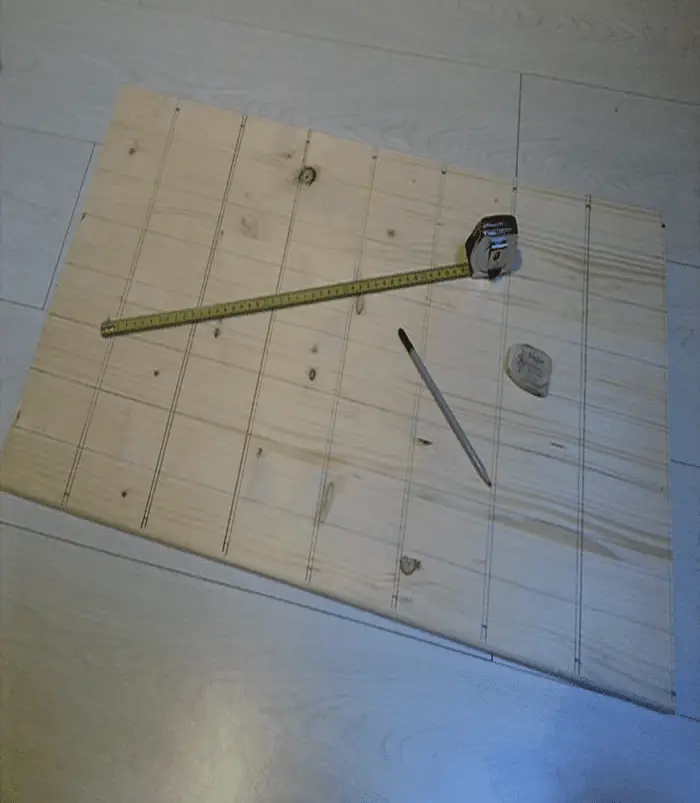
First start by removing the existing backing from the picture frame or removing the glass from the mirror. This can usually be done by removing the tape and staples/nails at the back of the frame. Once the glass or picture has been removed, lay this over your piece of plywood, trace out the outline and cut the plywood to the same size.

outlines

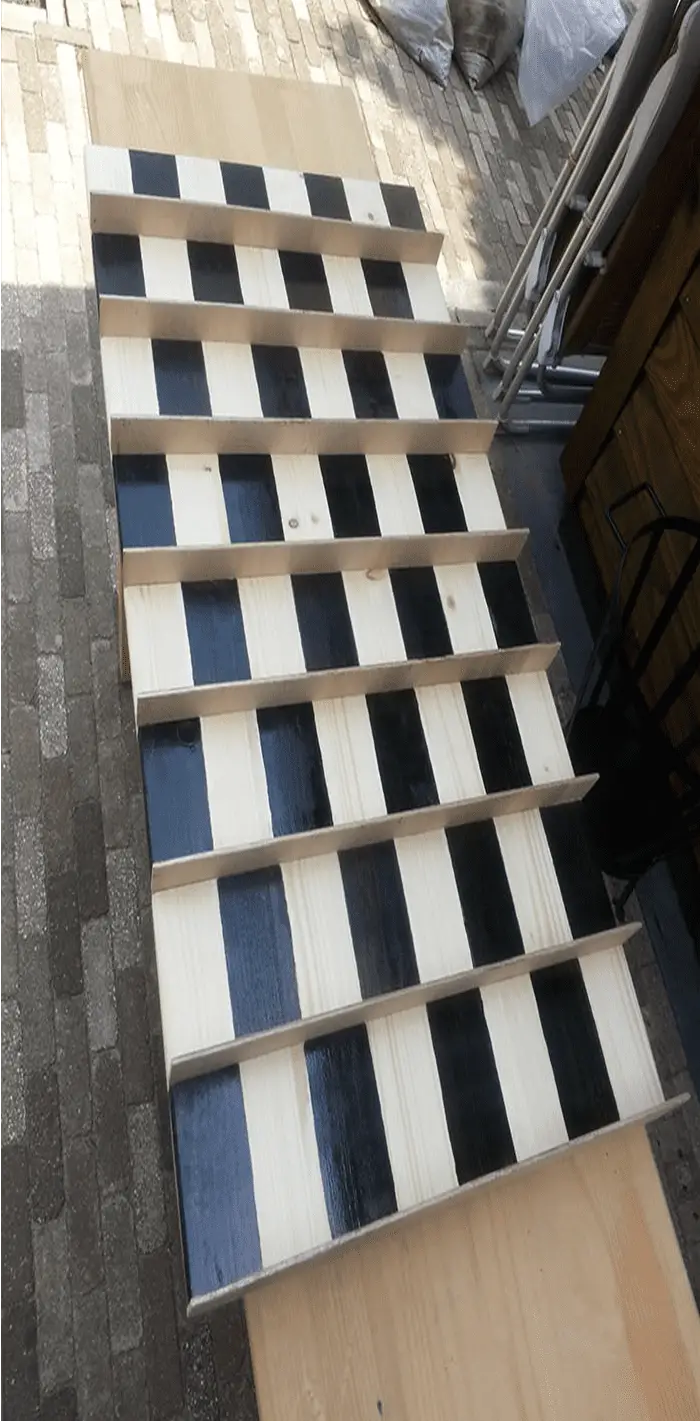
Now you need to paint the checkerboard pattern onto the board. Use a pencil to mark out equal width columns and equal height rows so that the board is 8 x 8 blocks vertically and horizontally. Ensure that the vertical height of each block can accommodate the height of the king which is usually the tallest chess piece. Use the masking tape to mark off the edges and paint the alternate blocks with the black paint to make the checkerboard pattern. This requires masking off every second row and column first, painting those and then letting it dry before masking the next set of rows and columns to get a clean finish.

painted blocks

Now you need to cut and fit the shelves. Trim the 8 lengths to fit between the edges of the picture frame. Trim the widths to suite the largest chess piece, the width of each shelf should only be a little wider than the widest piece’s base. Attached the shelves to the checkerboard along each row’s line using wood glue or a glue gun. Make sure there is a good, clean contact area and use a generous amount of glue to get a sturdy shelf.

Once the board is complete, secure it to the frame with the staples removed from the picture, with wood glue or a glue gun. Once the glue has dried, paint a thin layer of clear varnish over the shelves and then board. Allow the varnish to dry before applying a second coat.

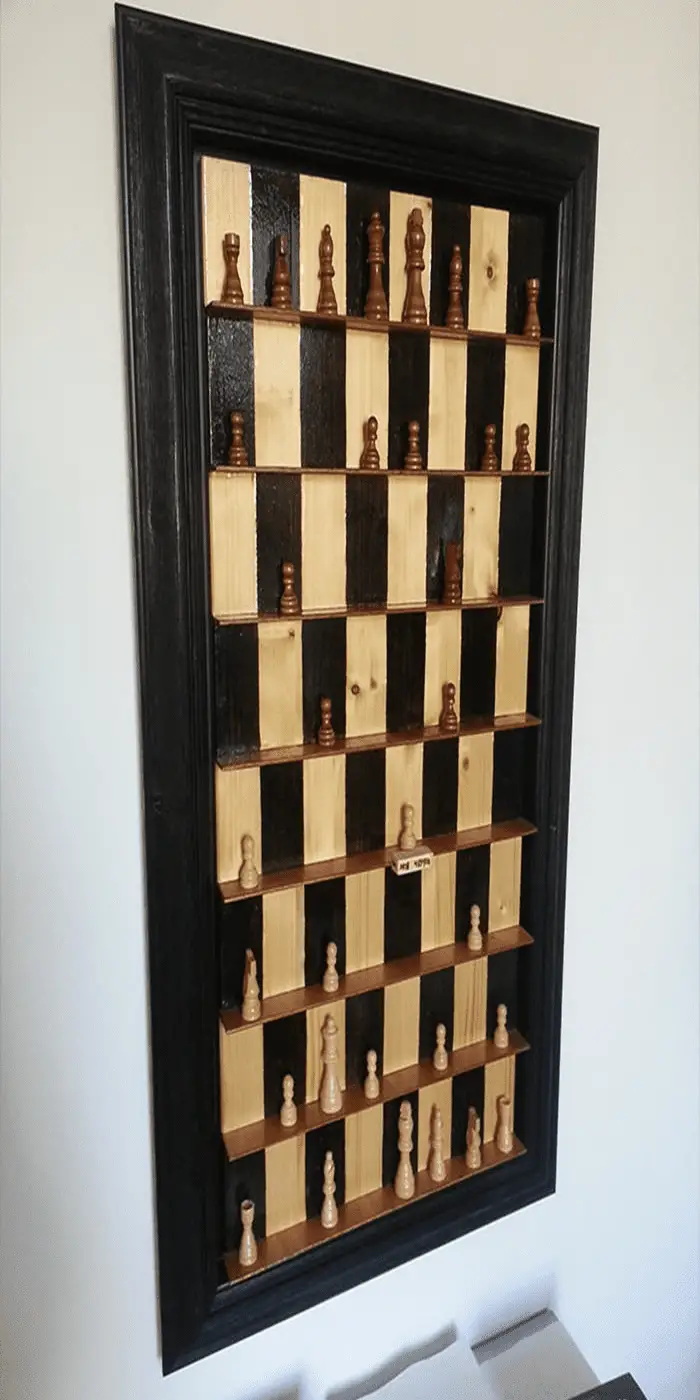
hanging frame

Hang the chess board up on the existing picture frame’s mounting hooks. Arrange the chess pieces and your board is complete and ready for your first match. An optional token can be left on one of the shelves which is flipped over to indicate whose turn is next. This is particularly useful when there are long gaps between play.

Have you tried this project? Let us know how it went or any improvements you have made in the comments below. We would love to hear from you.

Homemade Fluffy White Bread, Great For Sandwiches

Homemade bread has sweet, velvet texture which is perfect for sandwiches and soups. It is really easy to make and freezes well too.

Makes 2 Loaves, Preparation Time 2hrs 30 mins, Cooking Time 30mins.

What You Will Need To Bake A Loaf Of Fluffy White Bread

  • 1 Cup Warm Water
  • 1 Cup of Warm Milk
  • 2/3 Cup Sugar
  • 1 1/2 Tbsp Active Dry Yeast
  • 1 1/2 Tsp Salt
  • 1/4 Cup Vegetable Oil
  • About 6 Cups of Bread (Self Raising) Flour
  • 2 Tbsp Melted Butter

How To Bake A Loaf Of Fluffy White Bread

Mix the warm water and milk in a large bowl, add the sugar and stir until dissolved. Sprinkle the yeast into the mixture and stir until it is well mixed in before allowing to stand for 5-10mins to activate.

Add the salt and oil. Use an electric mixer to mix in the flour one cup at a time until a stiff dough is formed. Remove the dough from the bowl and knead by hand on a floured surface for about 10 minutes, adding flour as necessary until a stiff, non sticky dough ball is formed.

Rub the surface of the dough ball in oil and place it into a large bowl. Cover with a dish towel and allow the bread to rise for about an hour until it has doubled in size.

Remove the dough from the bowl and knead the air out of it. Divide it in half, shape into two loaves and place them into greased bread tins about 230x120mm (9×5″) in size. Brush the tops of the loaves with some melted butter and allow them to rise for 30 minutes.

Bake at 180C (350F) for 30 minutes until golden brown and cooked through. The crust will go crispy upon cooling. For a soft crust, brush the crusts immediately with butter and cover the loaves with a damp dish towel until they have cooled.

If you enjoyed this bread recipe, try our recipe for beer bread, its great with soups and stews.

7 Romantic Anniversary DIY Gifts

Impress a loved one by making one of these DIY gifts for an anniversary or valentines day.

Scratch Card

love lottery

Play the love lottery with a homemade scratch card.

Mix CD

mix cd

Put together a CD with you favorite songs and package it in a homemade cover.

Message in a Bottle

message in a bottle

Write a cute note and send it as a message in a bottle.

Date Night Box

date in a box

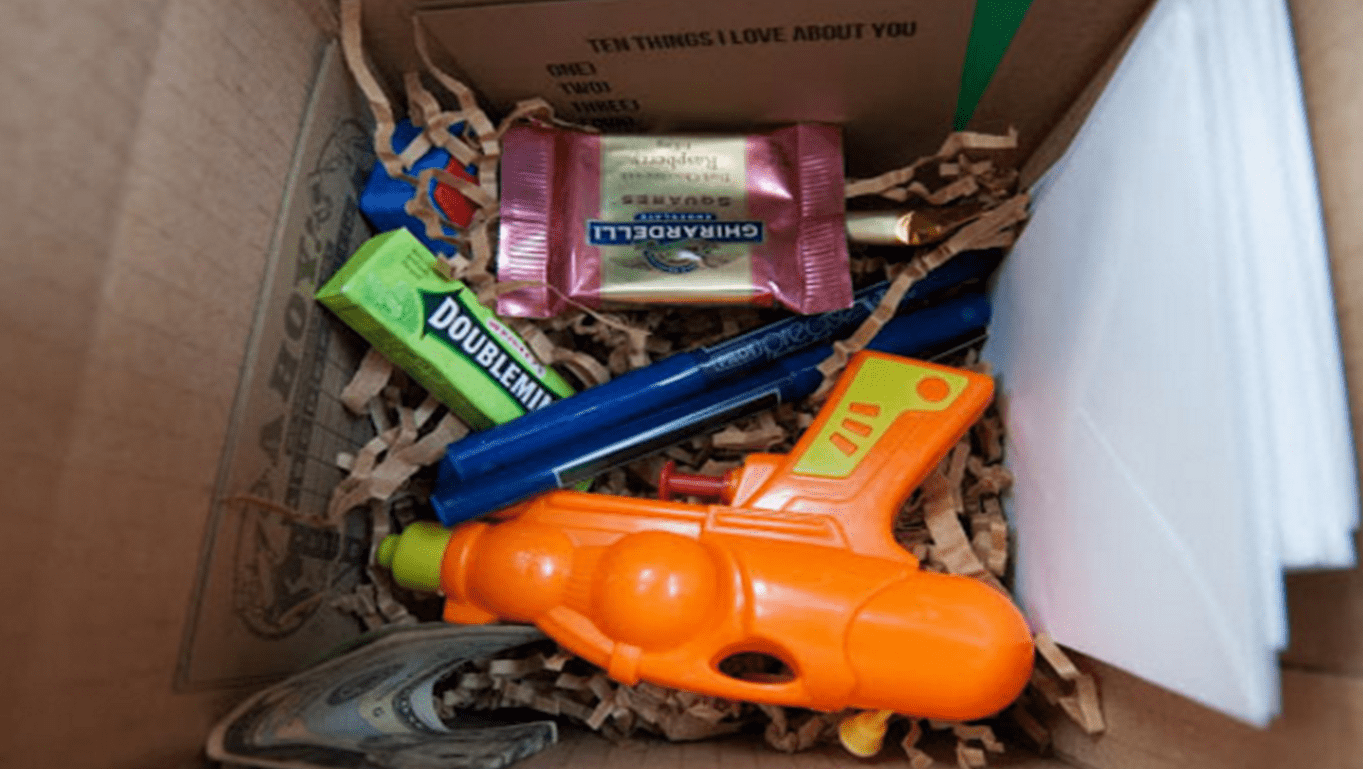
Plan out a date night (or afternoon) and package all the required goodies as a date in a box with instructions.

Re-wrapped Candy Bar

wrapped candy bar

Get creative and re-wrap a candy bar. You could even add a special message on the back of the wrapper.

Matching Mugs

matching mugs

Get out a sharpie and create matching gold mugs for you and your special someone.

Craft Popcorn

you're poppin

Create you’re poppin craft popcorn jars.

Amazing Jewelry Cleaner

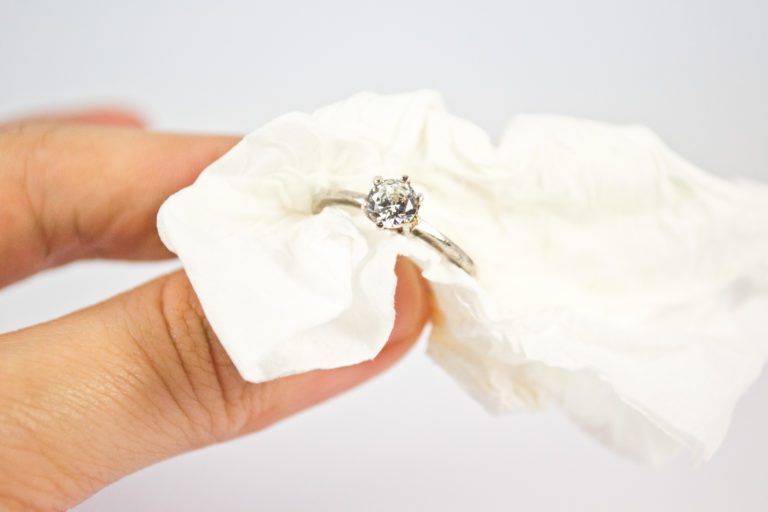
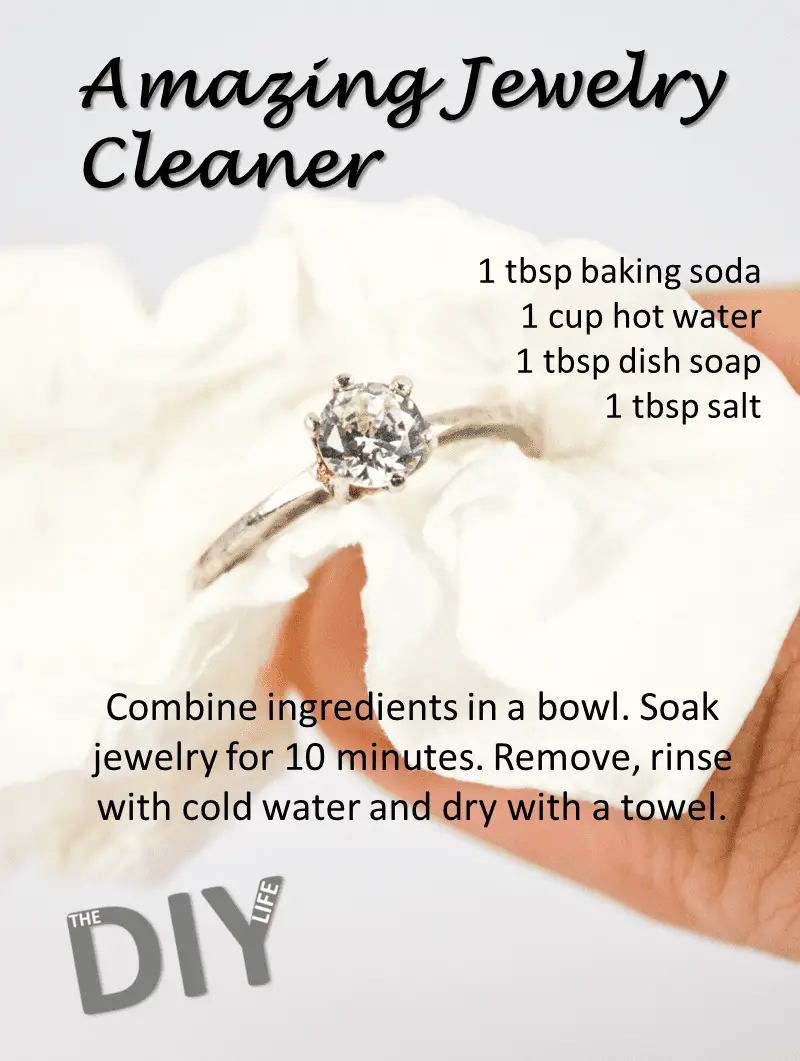
Baking soda is an amazingly versatile ingredient for cleaning and refreshing odd jobs around the home, here is another one. Clean your jewelry quickly and without any brushing with this easy jewelry cleaner recipe.

What You’ll Need For The Jewelry Cleaner

  • 1 Cup Hot Water
  • 1 Tbsp Baking Soda
  • 1 Tbsp Dish Soap
  • 1 Tbsp Salt

How To Make The Jewelry Cleaner

Heat the water up to just below boiling point. Dissolve the baking soda and salt in the hot water and then stir in the dish soap. The jewelry cleaner is now ready to be used.

Place the jewelry in the bowl for ten minutes. Remove and rinse with clean cool water and pat dry with a towel. Your jewelry will be shiny and good as new.

If you were impressed by the cleaning power of baking soda, here is a whole list of uses for baking soda around the house.

Share This Tip:

Use baking soda to clean your jewelry

How Long Will My Solar Batteries Last

Determining how long your solar or backup system’s batteries will last depends on a number of things; the total battery capacity, the amount of power being drawn, the inverter efficiency and the depth of battery discharge. These tables will assist you in estimating how long your batteries will last after they have been fully charged.

The following table gives you an idea of how long your power system will be able to provide power, in minutes. This table assumes an inverter efficiency of 95% (pure sine wave), the inverter is providing its rated output power and that the batteries are discharged to 30% of their original capacity. To use this table, the system voltage does not matter as long as you add up the amp hours of all of the 12V supply batteries. For example if you have two 105Ah batteries in series providing 24 volts for your system, you would look at the 210Ah column in the table. All times shorter than 10 minutes and longer than 1440 minutes (a 24hr day) have been removed.

how long run 100%

This table gives you an idea of how long your power system will last operating at 60% of the inverters rated power output. The efficiency is reduced to an average of 90% working at a lower power output. All other parameters are the same as in the above table.

how long run 60%

Alternately you can use these tables backwards to determine how many batteries you need. Find your inverter size in the column on the left, then the column with the numbers of minutes you require it to run for and then read up the total amp hours which will give you the total battery capacity required. A standard 12V deep cycle battery is usually 105Ah so divide the total required capacity by 105 and that will give you the number of batteries required.

Here is a guide on selecting the correct inverter size for your solar or backup power system.

Do you have any tips, comments or suggestions? Please share them with us in the comments section below, we would love to hear from you.

Selecting an Inverter for a Solar Power System

An inverter is one of the most important parts of a backup or solar power system as it converts the 12V DC stored in your batteries into 220V/110V AC for your appliances to run on. Assuming you are familiar with the basics of a backup, off grid or solar power system, this article specifically details how to select the correct inverter for your system depending on what you want to get out of it.

The first step is to determine your system voltage. 12V battery systems used to be the predominant standard for household backup and solar systems however 24V or 48V battery systems are now becoming more common. The higher the voltage the lower the current required for the same power output therefore the wiring is lighter and cheaper and the inverter efficiency is increased. 12V batteries or banks of batteries are connecting in series to make up 24V and 48V systems.

The second aspect is to decide on the power quality required. Inverters predominantly come in two types, pure sine wave and modified sine wave. A pure sine wave inverter produces the natural form of AC power and is usually even better than utility grid power, making it suitable for sensitive electronic equipment. This comes at a cost though as complex circuitry is required to produce a pure sine wave, these inverters are usually five to ten times the price of modified sine wave inverters. Modified sine wave inverters feature simple circuitry which produce a waveform similar to a sine wave, however, the wave is “dirty” and sensitive electronic devices function poorly or can be damaged by them. Below is a comparison of the waveform produced by modified and pure sine wave inverters.

Pure vs Modified Sine Wave

The modified waveform causes devices to run at poor efficiency, produce more heat and it confuses sensitive digital timing circuitry. A slight buzzing sounds will be heard from a range of appliances including lights, transformers, chargers, fans etc. Televisions and computer screens will generally show faint rolling lines on the screen. Unless cost is a major issue, pure sine wave inverters should be used for all applications and modified sine wave inverters should not be used for expensive equipment as their lifespan may be dramatically reduced.

The last step is to choose a power rating, inverters are sized based on their maximum continuous power output in watts. There are commonly two power ratings specified for an inverter, the continuous power which is the more commonly quoted power and the peak or maximum power which is the maximum power an inverter can supply for a short amount of time (usually 30 seconds to a minute) before it overheats. An interactive spreadsheet is available through this link to help you estimate the power requirements for sizing an inverter.

power rating label

Electrical appliances typically have a power rating stated somewhere on the appliance also in watts or kilowatts. In order to select the correct size inverter, you need to know what the maximum continuous load you will be placing on the inverter is. See the below table for an estimate on various appliances and tools, this table is also available in a spreadsheet through the link mentioned above. In the type column, the PS refers to whether a pure sine wave inverter is recommended for the appliance instead of a cheaper modified sine wave inverter.

Appliance Power

Please note that these are an estimate only and will not be exact for all appliances. Please consult the individual product manual or specification for the exact figures.

The last few things to consider are the inverters efficiency and its protection. The efficiency of a good quality inverter is usually over 95% however this is quoted at the maximum continuous power. The efficiency is lower when only half of the maximum load is being drawn and very poor at low loads. An inverter producing no AC power still requires some DC power to run (usually between 10-50W). The inverters electronics should also be adequately protected from power surges, over temperature, short circuits etc. In addition to these basic protection functions, an inverter may protect the battery system by not over discharging the batteries. A battery can be badly damaged if it is discharged below its minimum voltage which is costly to replace.

Inverters which are designed to act as UPS systems (for power outages) will have a built in battery charger. These inverters will have a plug to be put into a standard AC socket and will re-charge the batteries when the inverter is not being run and the house has power. If a solar power system is being designed, it is beneficial to have an inverter without a built in charger as the built in charger will interfere with the solar charge controller’s output. A separate battery charger can be used when needed when there are periods where there is not sufficient sun to recharge the batteries.

Do you have any comments, questions or suggestions? Please leave them in the comments section below, we would love to hear from you.

Switching to Solar Power, The Start To Off Grid Living

Solar technology is developing at an increasing rate, making it easier and more affordable for the average household to switch some or all of the power requirements to solar. Solar panels turn energy from the suns light into electrical energy which, with a bit of technology, we can use to power anything from lights to appliances in our homes for free.

A basic system is setup as in the below graphic:

solar power design

The first component needed is one or more solar panels. The panels provide electricity with which to charge the storage batteries. A small household system would be made up of a few 100W to 400W panels while a larger household system could have up to ten 200W panels. Click here to buy 250W panels.

charge controller

A charge controller is needed to convert the power from the panels into the correct voltage to charge the storage batteries. The charge controller also monitors the voltage of the batteries and prevents them from being over charged. A good quality charge controller will increase the life of the batteries. Click here to buy a 30 amp solar charge controller.

power inverter

A power inverter is the last item required to convert the energy form the sun into energy our household appliances can use. Most houshold appliances run on 110V or 220V alternating current while the batteries supply 12V direct current. The power inverter converts the 12V DC into 110/220V AC which our appliances can use. Some power inverters can also be used to charge the batteries when connected to a 110/220V AC supply when there is no solar power available. Read this article for more information on selecting an inverter for your system. Click here to buy a 3000W pure sine wave inverter.

solar storage batteries

The storage batteries are used to store the energy which the solar panels have produced. The solar panels only produce full power when they are in full and direct sunlight, which only occurs for a few hours a day. The batteries are charged using this power and they then store the energy for use when we need it. Each battery has a storage capacity in amp hours (Ah) and adding up the capacity of all of the batteries together gives you your total storage capacity. Use the guide provided through this link to assist you in selecting how many batteries you need for your solar power system. Click here to buy a 155Ah solar storage battery.

LED lights are available in 12V options which are designed to run directly from your battery supply. If you are going to be using your solar power system to only power your lighting then you can do away with needing an inverter by using a 12V lighting system in your house.

Once you have selected the main components for your solar power system, use this guide and spreadsheet to check that the components are compatible and adequately sized: Design Check.

In order to further save on your household electricity consumption as well as to reduce consumption to allow a smaller solar array to be installed, have a look at this article on how to reduce your electricity requirements.

Add A Plug Outlet To A Drawer

Installing a power oultet in a drawer or cupboard makes it easy to charge phones and gadgets, keep your hair straightener or hair dryer plugged in or to keep your laptop charged. There are two ways this can be done and the first of them is super easy.

drawer multiplug

The easiest way to get an electric outlet in a drawer or cupboard is by using an extension cable with a multi-plug on the end. This requires no cutting or electrical work to be done. The multi-plug can be double sided taped or screwed onto the back edge or bottom of the drawer. The cable is then fed over the top of the back edge of the drawer, this is sometimes easiest to do by removing the drawer from the sliders, placing the cable over the back and then replacing the drawer. If that is not an option then drill a hole in the bottom or back of the drawer, remove the plug and then thread the cable through the hole and replace the plug. For a guide on wiring a plug, click here. The extension cable can then be run behind the drawers or side table and plugged into the nearest available outlet.

electric outlet

The second option is to install a proper electrical outlet in the back of the drawer. This requires an outlet with a closed or covered back panel, not the typical wall outlet which leaves the wires exposed at the back. If the unit where the drawer or cupboard is located is built in, then it may be possible to wire this outlet to the household plug circuit, if not then you will have to wire an extension cable onto the outlet with a plug on the end to plug into a nearby outlet.

Note: The electrical work required to install an outlet usually requires a certified electrician. Check your local regulations and call in a professional if required.

No Sew Rope Basket

Turn a roll of cord or rope into a decorative basket with nothing more than a glue gun with this easy guide.

What You Will Need:

  • 15m (14yrds) Thick Cord or Rope
  • Glue Gun & Glue Sticks
  • Bowl or Bucket to Shape the Basket

Start by forming a flat coil to act as the base of your basket. If your basket is oval instead of round, start with a straight piece and form a coil around it.

cord coil

When the coil is the same size as the base of your bowl or bucket, place the coil on the overturned bucket and begin gluing the cord together and wrapping it tightly around the bucket to provide a template for the shape.

Continue gluing the cord together until the basket is the height you want. Remove the bucket template from the cord and your basket is complete.

optional handles

Add leather strips or short pieces of cord as optional basket handles to complete the project.


Repair Leaks In Roof Sheeting

A sheet metal roof is a popular choice as it is cheap and versatile. Leaks in sheet metal roofs are quite common and occasionally some leak repairs may be required. Fortunately , they are easy and relatively cheap to repair as long as they are not too badly damaged.

What You Will Need:

  • Bitumen Tape – Enough to patch the leaking area
  • Blow Torch
  • Ladder
  • Scissors

Firstly you need to locate the leak, this can be quite tricky. The starting point is to locate the mark on the ceiling board and try to align this with a spot on the roof sheeting bearing in mind that the water may run down the inside of the roof sheeting a small distance before finally dripping onto the ceiling. Common areas for leaks include joins, roof screws, chimneys and skylights, low spots and rusted areas.

Clean up the area to be repaired with a dry rag and some lacquer thinners or mineral turpentine.

bitumen tape repair

Once clean you will need to use a square or strip of bitumen tape to patch the leaking area. Press the section of tape down firmly over the leaking area. Finally, use a blow torch to heat up the reflective surface of the tape. This melts the bitumen underside and makes it stick better to the roof sheeting and to the tape surface so that a strong waterproof bond is formed.

If the damaged area is too large to be patched, you need to consider replacing the single roof sheet. Loosen any screws or nails holding the sheet down and note which of the surrounding sheets overlap it and which it overlaps so that the replacement can be installed the same way. Position the new roof sheet and then screw it into place by driving screws through the ridges (high spots) on the sheeting and not the lower curves as water will be running in these curves when it rains.

corrugated iron roof

Regularly inspect the roof especially after heavy rains or winds. Make sure that the gutters are regularly cleaned and kept unclogged to prevent water from pooling up on the roof. A well installed corrugated roof requires minimal maintenance as long as the drainage is correct and water does not pool up in any areas of the sheeting.