

Home Blog Page 30

30 Energy Saving Tips For Your Home

Here are 30 of our best energy saving tips to reduce your home’s energy consumption and save on your utility bills. Running an energy efficient home can save you between 50% and 75% on your utility bills, saving you hundreds of dollars a year.

General Home Energy Saving Tips

  • Use energy saving lighting. LED lighting uses up to 90% less electricity than old incandescent light bulbs.
  • Use a power strip for your related audio visual appliances so that you can save on phantom loads and turn them all off with one switch when not in use. Appliances in standby mode still use some electricity to keep running.
  • Seal up any air leaks with caulk. Keeping your home sealed keeps the warm air out in summer and the cold air out in winter, saving energy on heating and cooling.
  • You can avoid having to use your iron by folding clothes neatly as they come out of the tumble dryer.
  • Paint your home in light colours, darker colours absorb the light which requires more lighting energy to achieve the same amount of light.
  • Make sure that your air conditioners are appropriately sized for your living rooms and bedrooms. An air conditioner which is too large or two small uses more electricity than one which is correctly sized. You should also have your air conditioners’ filters cleaned out regularly to reduce the load on the motors and ensure that they are running efficiently.
  • Make sure that your home’s central heating system makes use of a good quality central heating pump to ensure that the water in your central heating system is evenly and effectively distributed to all of the rooms in your home.

Entrance & Garden

  • Don’t leave your lighting on while you are not at home. Use timers or smart home lighting systems to control your lights, some even have location based services to turn your lights off when you leave home and back on again when you arrive at home.
  • Use day/night switches on outdoor security lighting which you leave on so that they are not left on during the day.
  • Use motion sensor lights on path ways and around your entrance doors so that they are only in use when required.
  • Close your curtains during summer when you are not at home, they block out the sun and help to keep your home cool. Conversely, keep them open in winter to let the most sunlight in and help to keep your home warm.
  • Limit your pool filtration pump’s running time to 6 hours a day and try to set it on a timer during off peak times.
  • A solar blanket or thermal cover for your pool retains your pool’s heat, making it warmer to swim in and significantly reduces water loss due to evaporation as well as algae buildup due to direct sunlight.
  • Water your garden in the early morning or late evening to avoid evaporation.

Kitchen

  • Replace your old appliances with energy star certified appliances as they fail. These appliances are designed to save energy and often pay for themselves in savings over the life of the product.
  • Use sunny days to dry your clothes outside, but if you need a tumble dryer, invest in one with electronic humidity control, these tumble dryers will turn themselves off when your clothes are dry.
  • Use a pressure cooker to cook food which takes a long time to cook to reduce the cooking time.
  • Avoid using your microwave to defrost food. Rather take your food out of the freezer the night before and place it into the refrigerator to defrost throughout the day.
  • Use a single larger refrigerator and freezer rather than multiple smaller ones.
  • Let hot foods cool down to room temperature before putting them into the refrigerator.
  • Do not fill your kettle if you only need a cup or two of boiling water. Always heat up the amount of water you are actually going to use.
  • A gas stove or cooker is much more energy efficient than an electric one, costing you less to run. This is especially true if you live in an area with piped utility gas.

Bathrooms

  • Lower your home water heater’s temperature to the lowest setting you can still enjoy a hot shower with, 55°C to 60°C is ideal. By just using the hot water when you shower, you save a lot of energy consumed in keeping a large amount of water stored at a high temperature.
  • Even better than the above tip is to replace your existing water heater with an inline gas heater or a solar water heater. An inline gas water heater instantly heats the water up as your need it instead of keeping a large volume of water hot, and a solar heater uses energy from the sun to heat your water instead of electricity.
  • Use infrared bulb heaters in your bathroom as a more energy efficient alternative to bar or fan type heaters.
  • Install water saving shower heads to limit the amount of water consumed when you shower. Have a look at how easy it is to replace your shower head.
  • If you do alterations to your bathroom, ask your plumber to plumb your bath water drain to an outdoor tank which can then be used to water the garden.

Study or Home Office

  • Turn off your computer and printer or copier when they are not going to be used. Although standby modes save power, they still use some electricity to keep running.
  • Use a laptop instead of a desktop computer. In order to run on a battery, a laptop is designed to be more energy efficient than a desktop computer.
  • Use a small LED desk lamp for reading rather than having to put on multiple larger ceiling lights to provide the same amount of light on your work surface.

What are some of the tips and tricks you’ve used around your home to save energy? Let us know in the comments section below.

Share These Tips

Elegant Oriental Home Decor for a Touch of Luxury

There is something very calming and inviting about Asian-style interior design. It reminds us of the harmony and wisdom that the eastern cultures nurture and value above all. However, that’s not all. oriental home décor can also bring the luxury and the unique charm of the orient into any living space with its vibrant colours and beautiful artistic details. If you think your home looks too ordinary for your taste and you want to make some changes towards eastern elegance, here are some wonderful ideas to guide you.

Colors as Inspiration

Oriental design is a bright and colorful one. Colors such as red or yellow, which remind of the sun and symbolize things like vitality, energy, passion and life itself are an essential part of any eastern home. However, these colors should be incorporated into your living space with some consideration and care. They are strong and if there are too much detail in these colours or they cover surfaces which are too big, the space can seem overwhelming and even chaotic. This is why you should pick one or two details, such as a lighting fixture, an interesting curtain or a large vase and turn them into a focal point of your orientally-styled room. 

oriental-asian-decor

Oriental Prints with a Neutral Background

Fabric in eastern styles often feature beautiful and ornamental patterns or images depicting nature and everyday life. They come in various combinations of colors and textures and can add a breath of orient into your living room and bedroom alike. However, when you layer too many textiles with these prints, no matter how appealing and lovely they look, they can strip away the calming effect you were going for and leave you rather confused. So, to achieve some balance, introduce these prints as an element of Asian design in a room where the walls and the majority of the furniture are in neutral colors. The luxury will still be there, but it won’t be screaming at you from the moment you step into the room.

A Dash of Chinoiserie

As the northern world started embracing everything Asia had to offer with regards to décor, a new style called chinoiserie arose. It relies on furniture and other decorative pieces inspired by the Chinese, Japanese and generally all Asian cultures to bring the desired sophistication and elegance into often modern western homes. This is something that could help you with decorating your own home as well. Wooden chairs, tables, cupboards and a chest of drawers with elaborate drawings in hues of golden brown, white and yellow are one way to go. However, if you don’t want to replace your existing furniture, you can enrich your rooms with graciously beautiful chinoiserie cushions. You can simply place them on the sofa or bed you already have as the perfect chinoiserie accessory and make your living room or bedroom instantly cozier and more welcoming.

japanese-interior

Enable Uninterrupted Energy Flow

Another thing that’s typically Asian are the open floor plans they often opt for in their homes. This is because they believe that positive energy, as an important part of life, should flow freely through their whole living space. It’s a form of Zen design which they cherish and make an effort to create harmony by placing objects in exactly the right spots. This energy and its effects are then increased by using natural material and design elements, such as bamboo or wood. And if you want to separate the rooms at any moment, consider investing in several folding screens. They can give you the privacy you seek and add some more of the oriental style you’re aiming for. Plus, they’re easily removable and can be placed in any other part of your home when the need arises. 

Mix the Oriental with the Modern

This is actually even easier than it sounds, since these styles have something in common. They both lean towards simplicity and are minimalist in function and form, meaning that you don’t have to infuse the space with too much chinoiserie and other Asian decorative details. It’s enough to add some modern chairs or stools made of bamboo or a few pots with orchids near your windows. By choosing more subtle elements of Oriental décor and by sticking to neutral tones and natural materials, you can make your home more tranquil and pleasant. One nice idea is to find a low table and round cushions around it instead of a regular dining room table, where you and your family can have meals together and bond in a relaxing atmosphere. 

Introducing pieces of eastern culture and style into your home can give it a whole new look and allow you to feel more energetic, cheerful and relaxed there. And with ideas as good as these, you’ll have no trouble with enhancing your home appearance as soon as today. 

Share This Article:

Elegant Oriental Home Decor For A Touch Of Luxury

Tricks for Maintaining your Pool throughout the Seasons

We are used to going to the swimming pool in the summer, so once we decide to build one in our garden, we naturally assume that we will only have to maintain it during the summer. In reality, the time you use the pool is only a small proportion of your annual maintenance procedure which runs the full length of the year. This is why it is important to have a maintenance plan for each season in particular so that it will be properly maintained.

Fall or Autumn

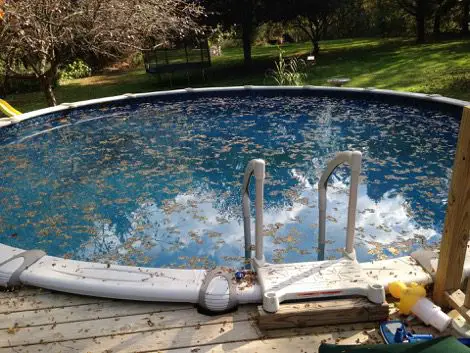
Temperatures might plunge during winter time, but it is the fall weather that ensues after the pool is no longer in use which often poses the biggest problem. You will be tempted to take a dip once or twice more, so you will leave it uncovered. This is however the perfect time for home maintenanceas it is for a pool cleanup, when nearby trees start to shed their leaves which end up in your pool. Removing them from the surface is not that big of an issue, but problems occur once they become soaked in water and sink. They often lead to clogged pipes, filters and sometimes even the pump, so you will need to clean the pool more thoroughly.

Fall or Autumn

This does not mean that you shouldn’t use the pool after summer is over, only that you need to be aware of the increased maintenance which fall requires. You will need to empty the skimmer basket more often as it will start to fill up with leaves more quickly. As far as the poolside area is concerned, even if you haven’t drained the pool, you will have to bring in the garden set, so it is no longer exposed to the severe weather conditions. After all, winter is coming and you don’t want your bar stools and other stylish furniture made from wood to be exposed to the increased moisture in the air.  

Winter

At the onset of winter, many homeowners falsely believe that the pool should be drained, covered and their work ends until the next swimming season. First of all, the pool shouldn’t be completely covered and not all the time. There are fine chlorine particles at the bottom which are hard to scrub, so they will start releasing toxic fumes which may build up if the bottom of the pool is deprived of fresh air. Uncovering it from time to time is necessary for the area to dry out completely.

By not keeping the pool covered 24/7 you are preventing leftover puddles of water from freezing during the night. In the morning they thaw but if this process is repeated several months in a row, this can damage the structural integrity of the concrete, so cracks will start appearing over time, increasing the cost of reusing the pool in summer. Because of freezing temperatures, you need to remove anything inside the pool and definitely not use it as a storage unit over the winter period, as many people like to do!

Spring

Once spring arrives, it is only a few months before you will be splashing in the pool once again. The spring months are ideal to check the status of the pool and fix any damage which may have occurred during the winter chills. The first thing which you need to do is to check the filter and clean it out. You’ll then need to check the operational status of the pool heating system as well. Finally, you’ll need to clean the surface of the pool from any algae which may have accumulated over time. Treat them with a phosphate remover which improves the efficiency of chlorine and is an excellent algae killer.

Springtime is also ideal for installing new features in and around your pool, like glass fencing or a stone barbecue. Essentially, landscaping and pool building is not something that you can do on your own, regardless of how much time and money you have at your disposal. This is why you should call in the professionals to carry out the intricate construction work for you, although you can take part in the design stage. After that, the upkeep is definitely a DIY procedure.

Summer

The hour has come for the pool to be filled and to take the first dip of the year! Before you put on a swimsuit, there are a few more things on the maintenance to-do list. After you fill the pool with water and apply the chemicals necessary for safe swimming pool sanitation, you should run a water analysis in order to check if the water is safe for use.

Summer

This is the ideal time to make sure once more that the filter is operating correctly and that your spring cleaning did the trick. The water must flow in and out at full capacity and the water inside the water should be clear. Any cloudiness or the appearance of the color green indicates that there is a problem with the filter or your chemicals and it needs to be cleaned or re-dosed once more.

During the use of the pool, you can get chlorine tablets which are placed in a floating dispenser to ensure that the water is clean all the time. This way of “infusing” chlorine in the pool is perhaps the most convenient for home use. At the height of the season, all you need to do is refill the dispenser at least once a week. Also, don’t forget to take a sample of our pool water and take it to a chemical analysis once a month. This way, you will be 100% certain that your pool is safe to swim in and you’re dosing it effectively.

All in all, owning a backyard pool should be a major source of joy for you, your family, your friends and neighbors. Don’t be put off by the alleged high maintenance cost and effort which people may be scaring you with. As you have seen, each season throws a different set of challenges at you but in the end, properly maintaining a swimming pool isn’t that difficult, regardless of the season. 

Natural Homemade Bug Sprays That Work

Winter is gone and we can finally enjoy the warm weather and the flowers and trees blossom. Well, there’s also a negative side of this time of the year – the pesky bugs come out, looking for food and a comfortable place to live.  In this article, we will share some natural bug sprays that you can easily and quickly make at home. We’ve tested all of them and can assure you that they are efficient and will keep the bugs away from your home and off of your skin. If you are dealing with ants, carpet beetles, flies, mosquitoes, ticks, fleas or wasps, you can try the following recipes recommended by the Fantastic pest control specialists.

If you’re interested in natural bug sprays, you may also be interested in these homemade natural cleaning wipes which are both cheap to make and chemical free.

Natural sprays against ants

  • Strongly scented sprays best repel ants: You can create a vinegar spray – 1:1 white vinegar to water and spray it onto their trails;
  • Essential oil spray – mix 25 drops of peppermint or eucalyptus oil and a cup of water; use it to spray where you see ants as well as near entry points to the house. Re-spray once the scent starts to fade away which is usually in a day or two.
  • Dishsoap and water: Extremely simple, easy and efficient solution. You can use empty liquid dishwashing bottles. Mix equal parts of water with dish soap. We recommend not to shake the solution because it will result in foam. Instead, you can stir it. Pour or spritz on ants to immediately halt them in their tracks. Wipe the massacre away with a paper towel and toss.

These solutions work miracles because they interfere with the chemical signals ants use to communicate. Ants use special pheromones to trail their way to food so when they pass through a sprayed area, their trails get disrupted. Moreover, passing ants get covered with the spray solution and bring it to their colony which, in result, confuses all of the remaining ants as well. This way you can keep them at bay.

Natural sprays against carpet beetles

  • Rubbing alcohol- Treating carpet beetles can be a real nightmare. These nasty vermins can be resistant to different strong insecticides. Anyway, rubbing alcohol is amongst the most efficient ingredient for any spray against carpet beetles. Alcohol can also control infestation as it kills the insects by freezing their cells. You can mix it with water and spray your bedding, furniture or around the window sills. You can be sure that carpet beetles won’t crawl or lay eggs on surfaces that have been sprayed with the solution.
  • Neem oil: Any stage of their lifecycle will be destroyed with the help of the neem oil. It works when you are battling carpet beetles because the substance will weaken the functioning of their hormonal system. The insects stop feeding, reproducing, laying eggs and even flying. Also, the laid eggs will fail to hatch and the population of carpet beetles will be eradicated. For the best results, you can mix neem oil with alcohol and apply directly on the bugs.
  • Essential oils: Many essential oils are proven to work against insects such as carpet beetles. For example, eucalyptus oil can kill them in no time. Carpet beetles consider the acid scent of eucalyptus oil as hazardous and avoid it. You can apply it on clothes, on your skin and as well as on pets. The eucalyptus oil is safe and can be used as a medicine when treating skin ulcers.

Natural sprays against flies

  • Eucalyptus essential oil spray: To make the spray you need to mix 1/4 cup vinegar, 30 drops eucalyptus essential oil, 2 tbsp dish soap. Flies, like carpet beetles, cannot stand the aroma and keep a distance from the sprayed areas. You can also apply the solution on your skin. If you have any allergies, please consult with a medical representative.
  • Wine-mango spray: Combine ½ coffee cup with wine with freshly pressed mango juice, mix them with water. The flies cannot bear the strong aroma of the wine and the solution acts as a powerful repellent against insects.
  • Lemongrass oil-based spray – mix half a cup of hot water with approx. 25 drops of lemongrass essential oil in a spray bottle. You can spray it around the windows, doors and other areas where flies live. Lemongrass is a strong insect repellent and flies will avoid it. Another way to apply the solution is by soaking cotton pads and place them around your house. Be careful with the excessive use of the oils on your skin as they can irritate it.

Natural sprays against mosquitoes

  • Garlic spray: Make a mixture of 5-6 garlic cloves, 2 cups of water, 1 teaspoon of lime juice and 1 tbsp of mineral oil. The allicin compound and the powerful scent of the garlic work perfectly against the mosquitoes and keep them away. Also, the bitter nature of the lemon enhances the repelling properties of garlic.
  • Cloves with lime spray:  You will need 10-12 cloves, 1 lemon. Mix them with water, leave it overnight so that the cloves can soak well. Clove is a herb that is quite efficient in confronting mosquitoes and other insects. It contains a compound called eugenol which provides a powerful odour that mosquitoes cannot stand.
  • Catnip oil spray: Nepeta parnassica, also known as a “greek catmint” is a member of the mint family related to catnip, and is amongst the most efficient mosquito repellents that will keep the insects away for two to three hours. What you have to do is to boil water and put several leaves from the herb, stir it for a while, wait for it to cool down and pour it into a spray bottle. You can apply it around the house or in the garden, especially when you spend time there during the warmer days.

Natural sprays against ticks and fleas

  • Tea tree oil spray: You need to mix water, vinegar and several drops of tea tree oil. Pour the solution into a spray bottle. For the best results, spray it over your carpet where fleas usually hide. Make sure no survivors are left by applying the solution on your couch, your bed, or furniture, as well.
  • Vinegar and water spray: What can be more simple and powerful homemade spray than diluting equal parts vinegar with water? You can also experiment with a different formula for the best repelling results. Apply the solution on carpets, beds, furniture and anywhere you found fleas.
  • Coconut oil solution: The lauric acid ingredient which is contained in the coconut oil is another fantastic strong flea repellent. This solution can be sprayed on your pet’s coat. But before trying this homemade spray, consult with a professional vet. It’s considered to be harmless but still, there’s a potential risk your pet to have to an allergic reaction.

Natural sprays against wasps

  • Spray with spices: Mix water, mint with ⅛ of tbsp of cinnamon or cayenne pepper. It works perfectly against hornets, that cannot stand the aroma of these spices. If you’re dealing with a lot of wasps at once, make a more concentrated solution of the spices.
  • Peppermint and baby shampoo spray: Another rapid wasps repellent is 1 tbsp. of peppermint extract and 1 tbsp. of baby shampoo, add water to the rest of the spray bottle. You can apply it on old nests which will prevent the stinging insects from returning.
  • Hairspray: If the above-mentioned homemade sprays don’t work for you, just buy a hairspray. It will freeze the wasps but be careful and protect yourself from the harmful fumes by wearing a mask.

Of course, there are many other natural insect repellents. The ones we’ve mentioned are tried and tested and worked perfectly against the spring/summer bugs. Anyway, before applying any of the recommendations, you should try them on a smaller area. You, your family or beloved pets might be allergic to any of the ingredients so it’s best to take care.

Have you tried any natural pest sprays or repellents? Let us know in the comments section below.

Simple Soakaway Size Design

Determining the optimum size for a soakaway can be a complex iterative calculation including many factors such as location, soil types, size and shape, maintenance etc.. This is particularly the case where space is lacking and the soakaway size must be minimised. In these circumstances a specialist software package is usually used, such as this Soakaway Design Spreadsheet

Pebbles and pebble areas are a great way to improve drainage in your garden, have a look at these awesome ideas to use pebbles to upscale your garden.

For small simple applications where space is not a major concern, an adequate size for a soakaway can be calculated for any location using this simple design process. An adequate storage size for a soakaway can be determined using only two factors, the size of the catchment area and the water infiltration rate of the surrounding soils. 

Working Out The Size Of Your Catchment Area

The size of the catchment area connected to the soakaway determines the amount of rainfall which will enter the soakaway during a storm. So if it is connected to the downcomers from your roof, the catchment area will be the plan area of the roof, ie the length of your house in metres multiplied by the width. Similarly if the soakaway drains a driveway, the catchment area is the area of the hardstanding. This area can be measured directly with a long tape or can even be estimated reasonably accurately from Google Earth. Note that soft areas such as lawns and soil do not contribute to the catchment area as the rainfall will soak into the soil. Also areas downslope of the soakaway will not contribute, water cannot run uphill!

Calculating The Volume Of Rainfall For Your Soakaway

When the catchment area is known the volume of rainfall entering the soakaway can be calculated. For large commercial soakaways this should be calculated using the Wallingford Procedure. For small soakaways this can be estimated to a satisfactory accuracy by multiplying the catchment area (in m2) by 0.05. This gives the volume of water in m3likely to fall during a typical heavy winter storm event.  This assumes a rainfall intensity of 50mm/m2which will be sufficient where the consequences of flooding will not be serious. At this design level it will overflow for around half an hour, once or twice a year depending on the precise location. 

This required storage volume value can then be modified to take account of the water infiltrating out of the soakaway during the storm. The below table shows the modification factors for different soil types;

Gravel0.1
Sandy Soils0.5
Loam0.8
Clay1.0
Silt1.0

Note that a percolation test is recommended for clay or silty soils as these soil types are not always suitable for a soakaway. A very simple test can be undertaken by digging a 1m deep hole and filling with water. If the hole does not empty by more than half overnight, the soil may not be suitable. 

Calculate The Water Storage Volume

Next simply multiply the required storage volume by the soil infiltration factor to estimate the water storage volume required. Next this value needs to be modified to account for the type of soakaway. Different types have different void arrangements, which means an open soakaway crate system can be smaller overall than a soakaway backfilled with rubble simply because the open crate is able to store a greater volume of water in the same size excavation.

 If soakaway crates are to be used, multiply the storage volume value by 1.1. If the soakaway will consist of a hole backfilled with rubble, multiply the water storage value by 3. This will give the required volume of the excavation in m3

Now the excavation volume has been determined, the soakaway can be installed. The excavation volume includes only the volume below the inflow pipe. This will prevent the pipe from backflowing during a storm event. 

This simple procedure will give you a conservative size of the soakaway you will require. For larger projects or where the size must be optimised, a more complex design procedure should be followed such as BRE 365 or professional help may be required. 

Have you designed your own soakaway for your home garden? Let us know your experiences and suggestions in the comments section below.

How To Replace An Old Or Damaged Shower Head

An old or broken shower head can be a frustration to use, spraying water in the wrong directions, leaking or frequently getting blocked up. Rather than continually struggling with the old one, you can replace it yourself in a few minutes and with a single tool.

Having decent quality and modern fittings in your home increases your home’s value and are often the first thing guests and potential buyers notice in your bathrooms and kitchen.

If your shower head is still in good condition but some of the holes have become blocked, try effortlessly cleaning out your blocked shower head.

If your shower door is leaking or leaving puddles on your bathroom floor, have a look at this guide on how to replace your shower door seals.

Be sure to check your local regulations before continuing with this replacement. In some areas or countries it is illegal to carry out unauthorized plumbing work on your home.

What You Need For The Replacement

How To Replace Your Shower Head

Old Shower Rose 2

To start with, you’ll need to remove the old shower head. You’ll notice that there is a small round nut which connects it onto the stem which protrudes from the wall.

If you find that your shower stem is loose, follow this guide to secure your loose shower stem again.

Nut Securing Shower Rose

Use your water or plumbing pliers to grab hold of this nut and turn it counter clockwise to unscrew the old head from the stem. If the nut is stuck due to mineral deposit build up, you may need to soak it in vinegar for a couple of hours to loosen it up.

Grab The Nut Above The Old Shower Rose
Shower Spout With Old Rose Removed

You’re now read to install your new one.

New Replacement

Some modern shower heads come with an optional flow restrictor which reduces the flow rate of water in order to save water while you are showering. This is usually a small plastic or rubber insert which is installed between the head and stem as shown below. The small holes limit the flow rate of water through the insert and therefore save water.

Water Saving Flow Restrictor Device
Water Saving Flow Restrictor

Screw the new shower head onto the shower stem by turning the nut clockwise onto the stem. Tighten the nut using your plumbing pliers, it doesn’t need to be very tight so don’t over tighten it or you’ll risk damaging the chrome finish on the nut. You can also use an old cloth or rag around the nut when using the pliers to further protect the nut from the teeth of the pliers.

New Shower Rose

Turn on the water and check that there are no leaks around the joint it is ready to use.

Have you changed your own shower head? Let us know your tips and tricks in the comments section below.

Share this guide:

How To Replace An Old Shower Head

Make A Sandblaster For Just $5

If you’ve got some stubborn stains on your driveway, rust on your tools or your’re looking to remove some old paint from furniture then a sandblaster can really come in handy. Unfortunately they are usually quite expensive, but this sandblaster by Withered Perception works really well and costs less than $5 to make. Besides, if you’ve got an air compressor then you’ve likely got a blow gun anyway so you could make this sandblaster with things you already have lying around your home.

What You’ll Need

  • Blow Gun Kit With Extension Nozzle – Buy Here
    • Buy one from your local hardware store, it will be less than $5 otherwise use the link above.
  • Old Drink, Soda or Gatorade Bottle
  • A Drill and Drill Bits
  • Craft Knife
  • A File
  • Hot Melt Glue Gun
  • Your Air Compressor & Hose – To Use It Of Course

How To Make Your Sandblaster

Use a craft knife to remove the cap ring from the neck of the bottle. You’re going to use this freed up area to push your air gun extension tube through.

Cut The Ring Off Of The Neck Of The Bottle

Drill a hole through the neck of your bottle which is just large enough for your air gun extension tube to pass through. You want it to be snug.

Drill A Hole Through The Neck
It Should Fit Snugly Into Your Sandblaster

Mark the centre of the air tube section which sits inside the bottle, you’ll need to cut a slot into the bottom side of the tube.

Mark Your Air Hose

File a slot into the tube on your mark. The slot should be large enough to let your sandblasting media through but not too large that it floods the air stream. Turn the tube so that the slot faces downwards after you’ve filed the slot.

File A Slot Into It
Slot Filed Into It

Push the tube back into the hole.

Apply some hot melt glue around the edges of the holes around the tube to seal the bottle.

Seal The Sandblaster Bottle With Glue

Put on some safety goggles, respirator and gloves for safety and try out your new sandblaster.

Your Sandblaster Is Now Ready For Use
Test Blast
Cleaning Tools

Depending on what you’re trying to clean, you can select your own sand blasting medium. In this example, 20/40 crushed walnut has been used but feel free to experiment and see what works best for your application, like this abrasive media.

Have you tried making your own sandblaster? Let us know how it went in the comments section below. This post has been used and modified under the Creative Commons License CC BY-NC-SA 4.0.

If you enjoyed this article, have a look at these 10 essential tools for beginner DIYers.

Remove Nails or Screws & Touch Up A Masonry Wall

In this guide, we’re going to be looking at how to remove nails or screws from a masonry wall and how to properly touch up the hole with crack filler and touch up paint so that you can barely tell that there was a hole there to begin with.

If you need to hang pictures, decorations or mirrors, have a look at our guide to putting screws into a masonry wall.

Removing The Nails and Screws From Your Wall

What You’ll Need To Remove The Nails and Screws

  • Screwdriver – Philips or Flat depending on screws to remove
  • Claw Hammer – Buy Here
  • Long Nose / Needle Nose Pliers & Some Newspaper – Buy Here

How To Remove Screws

Removing screws and screwed on brackets should be fairly straight forward. You’ll need to use a suitably sized Philips or flat head screw driver and unscrew the screw.

In most masonry applications, the screw would have been held in place with a plastic or wooden wall plug. If you can easily grab onto the edge with a needle nose pliers, try pulling it out of the hole after you’ve removed the screw. If it won’t come out of the hole the gently use the tip of the screw driver to bend the edges into the hole and push it deeper into the hole such that no plastic or wood protrudes from hole.

hole in masonry wall

How To Remove Nails

To remove nails, you’ll need to either use a claw hammer if your nail has a head or a long nose/needle nose pliers if it does not.

Place a sheet of folded over paper or newspaper beneath the head of the hammer or pliers while prying the nail out so that you don’t damage the surrounding area of the wall as well.

Use the claw of the hammer to pry up on the head of the nail to remove it.

Removing a Nail From The Wall

If you nail doesn’t have a head, use a needle nose pliers to grip the nail and then pry it out by pulling up on the nail and using the tip of the pliers as a lever.

nail hole in masonry wall

Touch Up The Holes In The Wall

Once you’ve finished taking out the screws or nails, you’ll have an unsightly hole in your wall which you’ll need to fill and touch up with paint. The good news is that if the touch up is done properly, you won’t be able to see that there ever was a hole in the wall to begin with.

What You Need To Fill and Touch Up The Hole

  • Crack Filler / Spackling – Premix or Powder – Buy Here
  • Flat Scraper or Spatula – Buy Here
  • Sandpaper – 180 Grit – Buy Here
  • Large Paint Brush – Buy Here
  • Matching Touch Up Paint

How To Fill and Touch Up The Hole

To start with, you need to fill up the hole. Start by clearing out and remaining protruding pieces of the wall plug or damaged plaster surrounding the hole. The surrounding area should either be level with the wall of part of the hole, nothing should protrude from or around the hole.

Mix up from crack filler if you’re using a powdered mix, following the directions on the packaging. You want your crack filler to be stiff and to keep its shape but not dry.

Use your spatula or scraper to push some crack filler into the hole and over the surrounding area to fill the hole to the level of the wall around the hole. Don’t worry about over filling it or any high spots and you’ll sand these down in the next step. Make sure that you don’t have any low spots. Also make sure that you fill any areas which the brackets or pliers/hammer may have pitted or dented around the hole.

filling up the hole with crack filler

Allow the crack filler to dry completely before attempting to sand it. This usually takes around an hour or two but can take longer depending on the type of filler and the weather. The filled patch should not have any visible water marks or damp spots when it is ready to be sanded.

Now gently sand the filled in area with a larger piece of sandpaper and a sanding block, or by hand using even pressure across the surface so that the filled in area becomes smooth and level with the rest of the wall. Don’t press too hard, creating divots or low spots and don’t leave a bulge of crack filler on the wall around the hole. You can use the edge of a level or ruler to check that the area is the same level as the surrounding wall.

gently sand the filled in area
sanded area

Once you’re happy with the filled in area, you’re ready to touch up paint. Getting the right colour touch up paint is critical to getting the best finish. You should always keep a pot of touch up paint handy when you finish painting your walls in case you need it in the future. It may also be worth noting the mixing quantities or batch number of the paint you’ve used in case you need to buy some in future. Keep in mind that once it is applied to your walls it will fade with time so even using the same paint which you used originally, it probably won’t match 100%. This is where using the correct paint technique will help.

Apply a generous amount of paint to your brush and then start in the centre of the filled in area, covering the area and then brush outwards with large strokes to thin out the paint and lighten your strokes. You should land up with a “wet” area three to four times the size of the filled in area with a thicker coat of paint in the centre and a very light coat on the edges to blend in with the wall.

touched up area when wet

Allow the coat of paint to dry. If done properly you should only need a single coat unless you are using very dark colours. Once the paint has dried completely, you should barely be able to see that the area has been touched up.

touched up area once dry

Have you tried touching up holes in your walls? Let us know your tips and tricks or how it went in the comments section below.

Share this post:

How to Remove Screws and Nails and Touch Up A Masonry Wall Share On Pinterest

Successfully Incorporating Maximalism in a Small Home

For many years now, interior designers have been in love with minimalism and praised the effect it has. This was something that people with small homes particularly loved, as it allowed them to have modern designs without feeling like they have cluttered the space. On the other hand, minimalism is slowly becoming obsolete and professionals agree that the time of maximalism is here instead. If you’re afraid that statement colours, bold designs, and the mix of textures might be too much for your small home, guess again! We’re here to help you successfully incorporate elements of maximalism without making it look cluttered.

Make a Statement

First and foremost, you should look for a way to make a statement in your own home. The interior of your home should be a reflection of who you are and what you like, and thanks to maximalism, that’s exactly what interior design is all about in 2019. Try to pick an interesting (if strange) piece of furniture that’s going to add a touch of contemporary sophistication to your home. It can be something as simple as an antique armchair or a brightly coloured coffee table. A statement piece doesn’t have to be big in order to draw attention and make the space look more sophisticated.

Choose what to Accentuate

When you live in a small house or a tiny apartment, it’s a bit difficult to incorporate a lot of different accent and statement pieces. Why not turn one of your walls into a statement wall? Let it be the focal point of the room, a place where textures and colours will be intertwined to create a small work of art no one will be able to overlook. The same can be done with floors. You can cover them with colourful rugs and carpets, or you could even use stone pavers, a trend that’s been focused mostly on the exterior but designers have started using it indoors as well. It will make the room truly come together while still making it look natural and eye-catching. Such walls and floors will make any room look monumental, thus making us think of rustic castles and cabins in the woods.

Choose what to accentuate

It’s all About the Details

Details are what makes a home out of a house, and this year details are all about bright colours and eye-catching prints. You can use such details pretty much anywhere and everywhere – on soft throw blankets you keep on the couch, decorative bowls on the coffee or dining room table, throw rugs in front of the armchair… If your living room is very small, try to bring in a couple of big throw pillows instead of a half a dozen small ones. Such pillows can sometimes be used to make sitting on the floor more comfortable, and when it comes to the print, be as creative as you wish. Same-coloured pillows are passé, and different colours will brighten up the place considerably.

It’s all about the details

Mirrors and Lighting

Items that have always been considered the best décor option for small places are mirrors, because they can make any room appear bigger as well as brighter. When you strategically place them around your home, for example at the end of a long and narrow hallway, they can reflect the light and make the room brighter. Besides, maximalism celebrates creativity, and you can work with different shades and textures, which is convenient when you’re picking out frames for your mirrors. When you combine big mirrors with a variety of floor and table lamps, you can do wonders in a room. Shadows can affect people’s perception of space positively and you can adjust the brightness and play with different angles of light.

Mirrors and lighting

History teaches us that trends come and go in the blink of an eye, and you shouldn’t blindly follow them just because they’re popular at the moment. On the other hand, if you find a trend that you like, you shouldn’t hesitate to incorporate at least some of its elements into your home. Don’t be afraid to give maximalism a try, especially if you’re looking for a way to step away from minimalism and try something new. If you are willing to experiment a little bit and keep an open mind, you can make your small home look fabulous.

How To Make Your Yellowed Sheets White Again

Do you have white sheets at home which have slowly become more and more yellow, no matter how often you wash or bleach them? Bleach isn’t the best way to get your sheets white again, so we’re going to share our favorite tips with you to get your sheets looking crisp, fresh and new.

If you’ve got yellow stains on your shirts or clothing, have a look at this guide on removing yellow sweat stains from shirts.

Don’t Use Bleach

While bleach may seen like the go-to solution for stained or yellowed sheets, its not the best product for the job. Chlorine based bleaches react with the proteins in sweat and body oils or fluid stains and this leaves a dirty yellow stain.

Our Whitening Solution

We’ve found that the best way to get your sheets looking white again is to use a whitening laundry booster like OxiClean (non-chlorine based) or borax. Soak your bedding overnight with a mild solution, following the directions on the packaging, and then launder them as usual in the morning. This process really makes a big difference in getting your sheets looking and feeling new again.

If you’d prefer a more natural route, you can use natural cleaners such as vinegar, baking soda or lemon juice. Pre-soak your linen in warm water and add a half cup of vinegar, allowing it to soak for an hour or two. Then launder with a half cup of baking soda or lemon juice along with your regular detergent. The lemon juice will give your linen a wonderful citrus smell which takes away the lingering odour from the vinegar.

Try Bluing

As a last resort, you can try a product like Mrs. Stewarts bluing solution. This adds a slight blue tint to your wash which counteracts the yellow to leave a crisp white. This really works well, but you need to be careful with it as it can also cause staining.

Keep Your Bedding White

Making some simple lifestyle adjustments can also go a long way to keeping your linen white, try making these changes:

  • Don’t eat in bed. Eating in bed is the easiest way to get stains from spilled food or drinks which can be really difficult to get out. Rather stay away from eating in bed.
  • Wash your face before going to bed. This applies to both men and woman. Woman, wash your makeup off and men, wash off the dirt and dust from the day.
  • Separate your whites. If you want your linen to stay white, only wash it with other whites. Don’t mix colours when doing your laundry.
  • Launder regularly. You spend a lot of time in your bed and even if you shower before going to bed every evening, you should still regularly wash your bedding. Try washing your bedding every week and definitely don’t go more than two weeks between washes.

Do you have any tips and tricks for getting stains out of your linen or keeping your sheets white? Let us know in the comments section below.

Share these tips:

How To Get Your Yellowed Sheets White Again