
Home Blog Page 54

Create a Home Coffee Station, Enjoy Takeout Coffee At Home

For most people, the day doesn’t really start until they have had their first cup of coffee. Imagine being able to walk down the passage and grab a nice hot cup of coffee from Kimbo Coffee without even having to leave the house. Creating a coffee station in your home is actually quite easy, all you really need is a coffee machine, some accessories and a place to put them all together, so lets get started.

home coffee station

Step 1 – Find a Location For Your Coffee Station

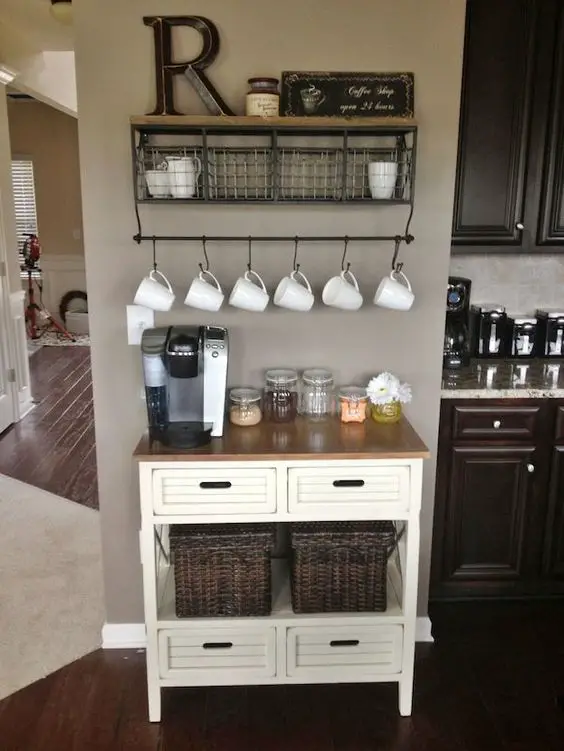
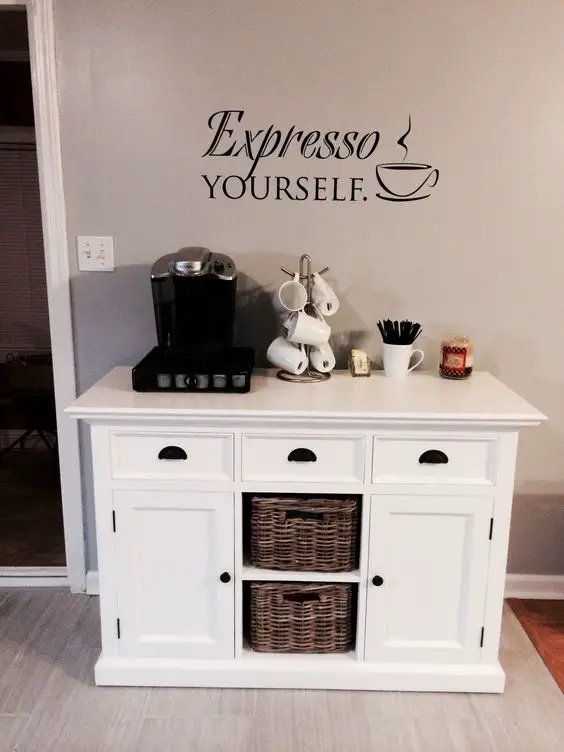
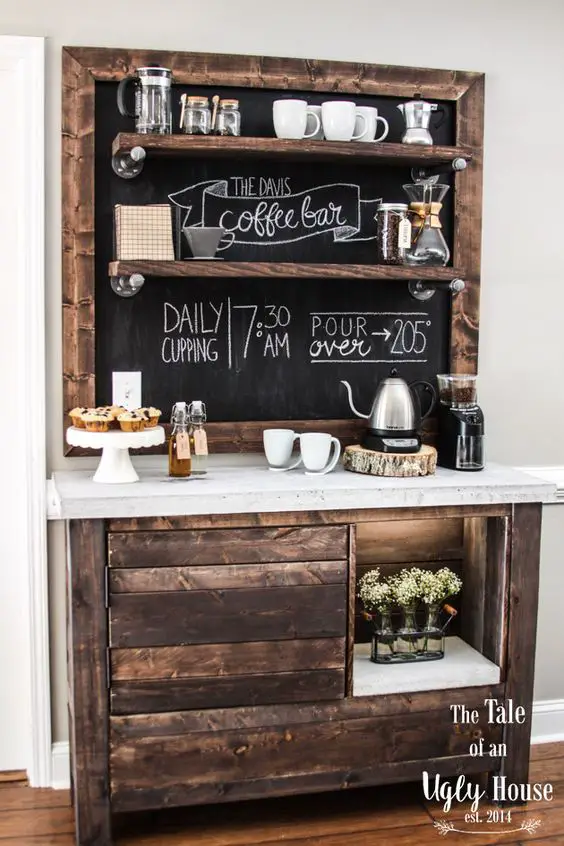
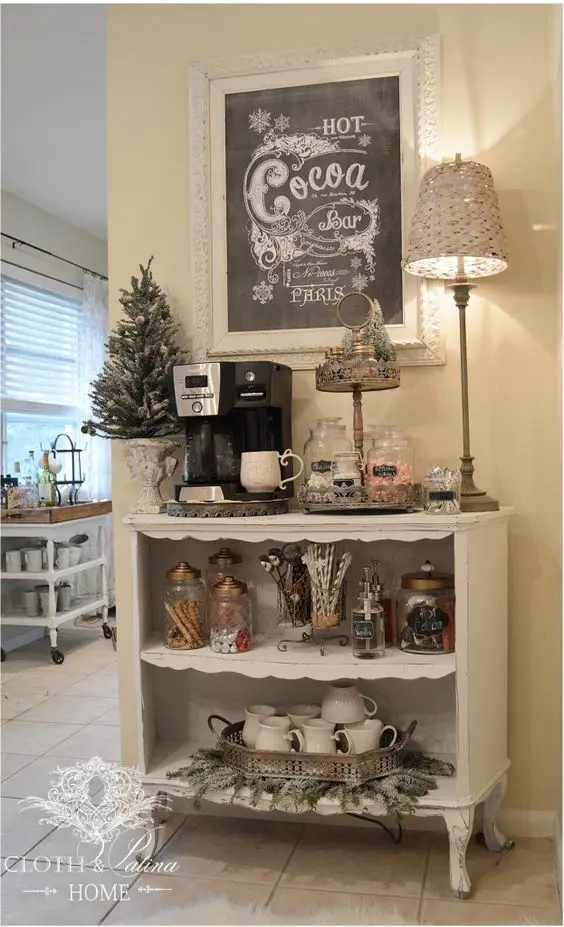
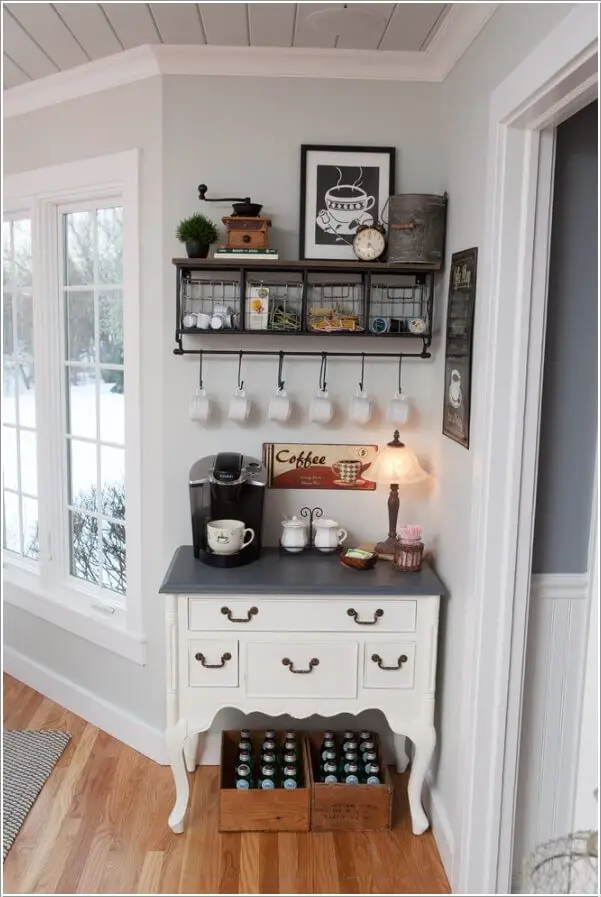
The first step to your home built coffee station is to find a location. Its quite typical to set up a mini coffee station in the kitchen; a small tray in front of a coffee machine, the milk is right in the fridge and your have ample drawer and cupboard space for your accessories. However, it is no longer conventional to have your coffee station in the kitchen. A well placed coffee station is both functional and creates a decorative feature for a passage, unused corner or wall. All you really need is somewhere you can place a shelf or sideboard. Most houses have a corner or area in a passage which is too small to be used as a study or reading nook, a coffee station is the perfect addition to use that wasted space.

home coffee station 6

Step 2 – Choose a Coffee Machine

Coffee machines are like cars, they come in thousands of ranges and sizes and each one is designed for a specific purpose. You first need to decide on how much you are willing to invest in a coffee machine and then what type of coffee you will be primarily drinking. You can choose to brew espresso, cappuccino, filter coffee or coffee from convenient pods, each has it’s own pros and cons. What’s also important is that the coffee machine will be the centre of attention at your coffee station so choose one that suites your styling and color scheme in the room it is going to be placed. You don’t want a vibrant red coffee machine shining in the corner of your pastel colored room.

home coffee station 4

Step 3 – Accessorize

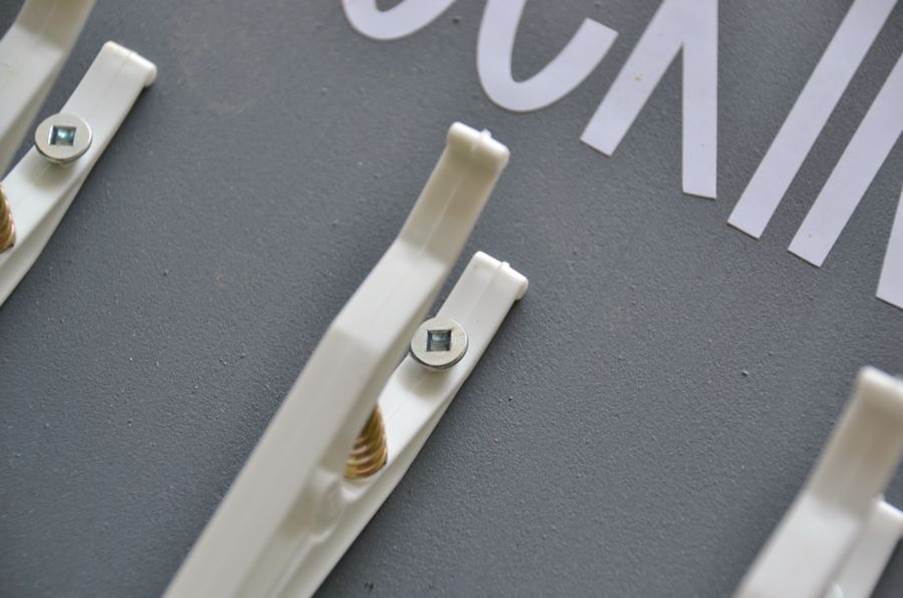
This is where you bring everything together! No coffee station is complete without a large sign, which you can get from tradesignshop.co.uk, quote or lettering spelling out something along the lines of coffee being the most important part of your life. Stylish canisters can be used to store your coffee, sugar, spoons etc and this is the perfect place to display your artsy mug collection. Consider mounting a line of cup hooks below your shelf or sign board on which to hang a row of mugs. You could even add a book or two on how to brew the perfect cup.

home coffee station 3

Home coffee stations help to make your mornings a bit more enjoyable for you and all of your household residents. Have you created your own home coffee station? Let us know and share your ideas in the comments section below.

Before throwing out your used coffee grounds, consider using them in your garden. Read this guide on using your coffee grounds in the garden for more information.

home coffee station 2

Have you built a coffee station at home? Let us know in the comments section below.

Turn an Old Tyre into an Amazing Pond

Do you have old tyres lying around your garage or garden? Put one to good use by using it to create a beautiful pond or water feature. Not only will you attract birds and wildlife but you’ll also create a space for you to kick back and relax in a tranquil environment.

What You Will Need To Make A Tyre Pond

  • An Old Tyre
  • Tarpaulin or Plastic Sheeting (A Bit Bigger than the Tyre)
  • Rocks, Pebbles
  • Shovel or Spade for Digging

How To Make A Pond Out Of A Tyre

tyre pond

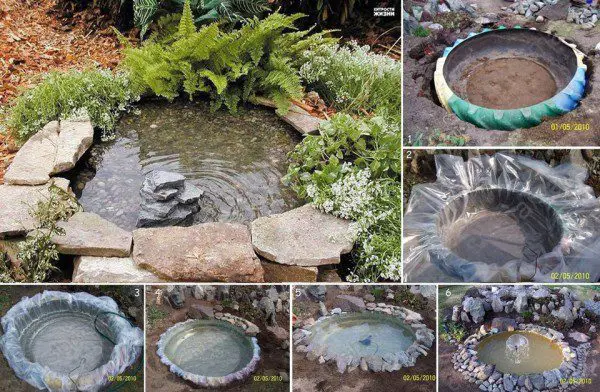
First you’ll need to find an old tyre. We all know that tyres come in a range of sizes so pick one that suits your needs, smaller ones suit water features and fountains while larger ones make good ponds for pebbles and fish. If you have a tyre lying around your yard or garage then your decision on tyre size is already made for you!

Next comes some manual labour so grab a water bottle and shovel. You need to dig out a hole for the tyre to lie in. Make sure that the hole is large enough for the outside diameter of the tyre, deep enough for the width of the tyre and finally make sure that the bottom of the hole is level so that you don’t have a sagging pocket in your pond.

Place the tyre flat into the hole as the pond frame. Now lay the plastic sheeting over the tyre and press it into the hollow. Make sure that the edges of the plastic sheeting are all on the top surface of the tyre so that you don’t have any problems with leaks.

tyre pond example 2

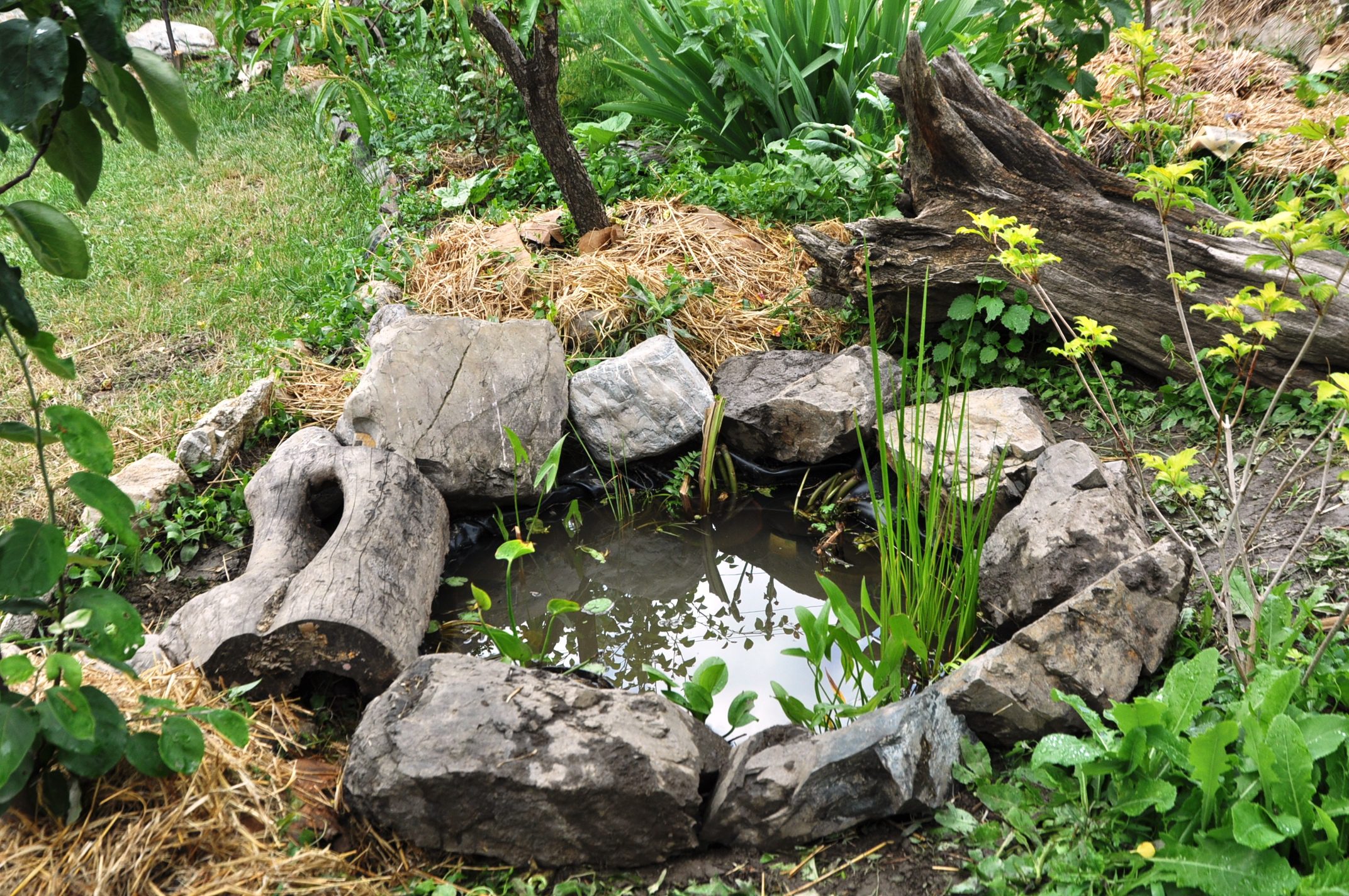
Lastly add your decorative rocks and pebbles. It is best to use smooth pebbles inside the tyre to hold the sheeting down so that the sharp edges do not puncture the plastic. If you are going to be adding fish then you will need some sort of pump or filter to keep the water moving around and aerated. Also remember to pre-treat the water to remove any chlorine or toxins before adding fish.

If you are turning the tyre into a water feature with a fountain, anchor the submersible pump with some smooth pebbles to create a solid foundation for the water spout.

tyre pond example

This article is adapted from: Homesthetics

Naturally Get Rid of Rats & Mice

Rats and mice in your home are both a nuisance and a health risk. They burrow and build nests which damage furniture and walls, create a mess and produce unpleasant smells. Ridding your home of these rodents can be dangerous if you have children around and you are using toxic poisons and chemicals. Rather use this simple guide to get rid of them naturally without any toxic products.

Keep Your Home Clean

Rats and mice are looking for two things when they enter your home: food and a place to build a nest. If there is an abundance of food lying around, rodents will be encouraged to stay. Keep all of your food stored in proper airtight containers in cupboards or areas which are not easily accessible for rodents. Additionally, keep old cloth, papers, towels and clothing packed away or stored in proper lock tight containers so that they cannot be shredded and used as nest material.

Peppermint Oil

Peppermint oil is a natural deterrent to rodents. The smell is intense and they will avoid it as far as possible. Peppermint oil is available at most pharmacies and grocery stores and is relatively cheap. Place drops on a ball of cotton wool and leave them around your garbage, food storage areas and any other area which could be used by mice as a source of food or a place to shelter. Replace or re-drop the balls every week or so.

Get a Cat

A household cat can solve a mice problem quite effectively. Cats are natural predators to mice and usually their scent and presence alone is enough to deter mice.

Move your Trash Cans

Mice can smell garbage and the smell of your trash can may attract them to your home. Move your trash cans away from your home as far as possible and mice will be less inclined to take up residence.

Get an Owl Box

Owls are also natural predators, encourage owls to move into your garden with an owl box. Owls provide a long term solution and will not be able to get rid an infestation as they only eat two or three times a week.

Do you have any tips and tricks for getting rid of rodents in the house naturally? Please share them with us in the comments section below.

How to Make Your Own Kitchen Island

All small kitchens could do with some more cupboard space and another work surface. A kitchen island gives you both of these and makes a stylish accent piece to fill the unused space. Whats best is that you can make your own kitchen island from up-cycled elements without spending much money. Here is a general guide on what to look for, how to bring them together and some ideas and inspiration to get your creative juices running.

Once you’ve built your island, become a master of your kitchen with these kitchen tips and tricks and while you’re at it, free up some space by organising under your kitchen sink.

Making Your Kitchen Island

A kitchen island is basically three things, a base, a work surface and some accessories.

kitchen island 1

Start With The Base

First you need to find a base. If you are looking for an open island which has hanging space for utensils and some shelving, then an old desk is ideal. If you are all about storage space then look for an old kitchen cabinet set or a set of drawers. The only limit is that the height should be an inch or two lower than your kitchen counters, this is usually around 75-85cm (30-34″). If you desk or set of drawers is much lower than this, you could put castor wheels underneath it to raise it a bit and allow it to be mobile.

kitchen island 4

Now Your Need A Counter Top

After you have found your base, you need a counter top. Ideally this should match your kitchen counter, however, you could make a wood surface for chopping or use a concrete or stone top for a more industrial or rustic feel. Importantly, the top shouldn’t be too heavy for your base.

The top is usually attached to the base with silicon caulk as it is easy to apply and stops movement, squeaking and vibration between the base and the surface.

kitchen sland 2

Personalise Your Island With Some Options

Lastly, you can add your options. Options include wheels to make your island mobile for convenience and for cleaning, shelves give your island more storage space, hooks and racks allow space for towels and utensils to be hung up or create a pot rack and save some drawer space.

Now that you know the basics, here are some inspirational ideas for your next DIY project:

kitchen island 3

kitchen island 8

kitchen island 7

kitchen island 5

kitchen island 6

Have you made your own kitchen island from scratch or recycled components? Send us some pictures or leave a comment so that we can include them.
Charging your iPhone Battery the Right Way

0

The superpowers of a modern smartphone quickly come to an end when it runs out of power. Most modern smartphones have a low power or saving mode when you are without a charger and really need your battery to last an hour or two extra. Aside from that, there are a few tricks for use and charging which allow you  to get the maximum life out of your iPhone battery:

Top Up Battery Charging

You may recall a range of articles and guides which discussed battery “memory” and how you should always charge from empty to full to keep teaching them their full capacity or they will forget part of it. While battery memory is a real thing, it only applies to older nickle based batteries. Almost all new smartphone batteries are lithium based and therefore do not suffer from “memory loss”. In fact, to get the most out of a lithium one, you should keep it charged above 50% as much as possible and going to fully empty regularly will dramatically reduce its life.

Additionally it puts stress on the battery being charged all the way to 100% or being left on charge once it is full. Your battery will perform the best when it is taken off charge before it reaches 100%, 80% to 90% is the best.

Apple recommends a full charging cycle be performed (discharging to 0% and then recharging to 100%) once a month to keep calibrated.

Heat Generation

Lithium batteries generate heat when they are being charged so it is actually best to charge them in short bursts of around 10-20% at a time. They also do not like being stores in hot places. At normal household temperatures, a lithium battery will lose about 5% of its capacity in a year but this goes up to around 25% when it is repeatedly left in the sun or a hot car, so its worth taking car of your phone and keeping it cool as far as possible.

Smartphone Storage

If you are going to be storing your phone for anything over a week or two, leave it with at least 40% of its battery capacity before turning it off. Lithium batteries become very unstable when they reach zero voltage and your phone is built to safeguard against this. When your phone says that the battery has 0% capacity, there is actually a built in safety margin. If you leave the phone stored on 0%, it will eat into this safety margin until it is depleted. To avoid a potential explosion or fire when recharging a battery which has been over-discharged, the control circuity is designed to “self destruct”, thereby rendering the battery useless and needing to be replaced.

Avoid Fast Charging

Fast charging sounds great, these charges allow you to fill your battery up by around 50% in 30 minutes when you just don’t have time to waste. While this is great for your schedule, it is not so great for it. Lithium batteries have the best life when they are charged slowly and consistently. It is not usually a problem fast charging your phone occasionally, repeatedly fast charging will certainly reduce its life.

iphone on charge

While its easy to do a couple of things to protect your battery, it’s also not worth it to become over protective. Simply avoiding regularly leaving your phone on charge overnight, leaving it in a hot car and keeping it charged above 40% will already go a long way to ensuring you get at least three to five years out of your phone battery. Most of us replace our phones every two to three years anyway.

Share This Post

Are You Charging Your Smartphone Correctly

Gorgonzola Pasta Sauce, The Perfect Partner For Gnocchi

A creamy Gorgonzola pasta is the ultimate comfort food. Try this sauce with fresh penne or homemade gnocchi.

What You Need To Make Gorgonzola Pasta Sauce

Makes About 4 Servings, Preparation Time 5 Minutes, Cooking Time 10 Minutes

  • 70g Gorgonzola Cheese Crumbled
  • 50g Mozzarella Cheese Grated
  • 1 Cup Heavy Cream
  • 1 Tsp Crushed Garlic
  • Salt & Pepper to Taste

How To Make The Pasta Sauce

Heat up the cream over a medium heat until it begins to boil. Turn down to a low heat and slowly add the crumbled Gorgonzola cheese while stirring continuously until it has all melted.

Add the mozzarella cheese in the same way, stirring continuously until it is completely melted.

Add the crushed garlic, salt and pepper and allow to simmer until thickened.

Pour over freshly cooked hot pasta.

If you don’t use all of the sauce at once, it also freezes well for a month or two. Make sure that you reheat it slowly over low heat in a saucepan when you are ready to use it again.

What are your favorite sauces and pastas? Do you have a favorite pasta to have with Gorgonzola sauce? Let us know in the comments section below.

Growing Your Own Veggie Seedlings

Growing your own seedlings from seeds offers you a lot of control over your veggies and can be very rewarding. The key to a successful veggie garden is planning, you need to decide on the time of year and the positioning of your veggies in the final garden bed so that you know how many to grow and when to start them. Once you have a plan, here’s how to start growing your seeds.

Well Lit Area

growth lights

In order to grow healthy seedlings, you need a well lit area. Seedlings need at least 8 hours of light a day and most plants will do even better with 12-16 hours of light per day. A sunny window sill or porch is ideal for natural light or for better results an artificial light source on a timer will work the best. Place the lights about 10cm (4″) above the seedlings (this may need adjustment as they grow) and put the lights on a 16 hours on, 8 hours off timer.

Growing Containers

You need some containers or trays to fill with soil as your grow beds. These can be small pots, trays, toilet rolls, newspaper pots or any container with a few drainage holes in the bottom of them. Place the containers on a tray or in a container to catch any water which drains through the pots.

Seedling Soil

Use potting soil or a specially formulated seed starting mix made for growing seedlings. As far as possible, try not to use contaminated garden soil to start seedlings to ensure that no diseases are introduced and the seedlings are kept healthy. Make sure the seedling soil is moist before filling your containers with it. Press the soil down gently to remove any pockets of air which may have formed.

Sow the Seeds

The packet your seeds come in usually specifies the sowing depth. Poke a hole with a stick or your finger to the required depth and drop two seeds into it. Cover the hole with soil and press it down gently. Drop a few drops of water onto the top of the bed to moisten the seeds.

Cover the seeds trays with a clear plastic lid or dome to keep the moisture locked in. Check the trays daily for germination and keep the soil moist but not wet. As soon as the sprouts are visible, you can remove the moisture dome and place the seed trays in the sun or under your lights.

Water Regularly

Keep the soil moist but not soggy, use a dropper, turkey baster or mister to water the seedlings to avoid damaging their roots. Once the seedlings start growing proper leaves, you can allow the soil to dry out slightly between watering.

Fertilize Your Seedlings

If your seed starting mix does not contain any nutrients or fertilizers, you will need to start fertilizing your plants once they begin growing leaves. Begin fertilization with half strength fertilizer until the seedlings and transplanted.

healthy seedlings

Continue growing your seedlings in this manner until they are large enough to be transplanted into the garden. Some larger variety plants may require transplanting into a larger pot and some spacing out as they grew before they are large enough to be moved into the garden.

Before moving your seedlings into the garden, thoroughly wet the garden bed the day before you plant them. Plant your seedlings in the later afternoon to give them time to adjust to the environment before the next day’s midday sun. Water the seedlings well just after your have planted them.

What you grown your own seedlings from seeds? Let us know your tricks and tips in the comments section below.


Delicious Carrot Top Pesto

Have you ever bought a bunch of organic carrots and thought it’s a waste to throw out the tops but wondered what you could do with them? Next time, save the carrot tops and turn them into a delicious pesto which can be used in a pasta sauce on homemade gnocchi or to  make a cracker topping using pesto, sun-dried tomatoes and cream cheese.

carrot tops

What You Will Need For 1 Cup Of Carrot Top Pesto

  • 3 Tbsp Nuts – Pecans, Cashews & Walnuts Work Well
  • 2 Cups Roughly Chopped Carrot Tops
  • 1/2 Cup Roughly Chopped Fresh Basil
  • 1 Garlic Clove
  • 1/2 Cup of Olive Oil

How To Make The Carrot Top Pesto

Place the nuts and garlic into a food processor and pulse into a rough paste. Add the carrot tops and basil and pulse again until a thicker green paste forms. Add the half cup of olive oil and finally blend the mixture until the paste becomes smooth. If the paste is too thick, add some olive oil, one teaspoon at a time, until the correct consistency is reached. The paste should be thick but easily spreadable. Season with some salt and pepper before giving it a final few pulses and you are done.

The pesto can be stored in an air tight jar in the fridge for a few weeks. Occasionally the pesto may solidify in the fridge, allow it to stand at room temperature for about 15 minutes and it will return to it’s paste consistency.

For some other twists on the recipe, consider interchanging the nuts and herbs for equal quantities of other types. You can use peanuts and coriander/cilantro for stronger herb and nut flavors or macadamias and Italian parsley for more subtle flavours.

What are some of the combinations you have tried? Let us know in the comments section below.

Regrow Used Veggies In Water, Don’t Throw Them Out

Did you know that you can regrow a whole range of veggies after using them using only water? Here is a full list of veggies which can be easily regrown and used over and over again using only some water and a sunny spot on the window sill. This is great for those who buy a lot of organic vegetables and is a simple water to stretch your grocery budget a little further.

Just to be clear, this list is only those vegetables which can be re-grown to the point where they can be used again purely in water. There are plenty of plants which can be started in water and then transplanted into soil but unless the vegetable can be re-grown into something that is again usable in only water, they didn’t make it onto this list.

Here is the full list of veggies which can be re-grown:

  • Cabbage – Place the root end in a shallow bowl of water.
  • Carrot Greens – Place cutoff carrot tops in a shallow dish of water.
  • Celery – Cut the bottom 5cm (2″) off the stalk to regrow.
  • Fennel – Cut the bottom 3cm (1″) off the stalk.
  • Green Onion – Place the white bulb in water.
  • Leeks – Cut the bottom 5cm (2″) off the stalk.
  • Lemongrass
  • Lettuce
  • Basil
  • Beet Greens
  • Coriander/Cilantro
  • Ginger
  • Mint
  • Mushrooms – The undamaged stalks can be re-grown.
  • Pineapple
  • Potatoes – The middle section of any unpeeled potato will regrow.
  • Rosemary

regrow celery

Some General Tips

  • Don’t use too much water. The water only needs to cover the roots of the vegetable otherwise the leaves and stems will go slimy. Remove any leaves which wilt and land up in the water as these will also cause the water to go slimy.
  • You can regrow multiple plants in the same container as long as they are not squashed together. For example, two to three lemongrass stalks will grow in one glass.
  • Lettuce and celery should be grown in shallow bowls while green onions and lemongrass can be grown in taller glasses.
  • You can add a tiny amount of liquid fertilizer to the water to encourage vegetable growth.

Homemade Citronella Candle

You can never be over prepared when it comes to bugs and mosquitoes, keep these annoying pests away with natural citronella oils in a homemade candle. Making your own candles is really easy and you can usually find most of what you need to make them laying around the house.

What You Will Need To Make 4 Citronella Candles

  • 3-4 Ceramic or Metal Pots, Jars or Containers – Buy Here
  • 500g (1lb) Wax – Buy Here
  • 30ml (1oz) Citronella oil – Buy Here
  • 3-4 Candle Wicks – Buy Here
  • Clear Tape – Buy Here
  • Pencils or Sticks (To Keep Wicks Upright While They Set)
  • Double Boiler – Buy Here

How To Make The Citronella Candles

Finding The Ingredients

For the pot or jar, you can re-use tins from canned goods, empty food jars, coffee pots or small ceramic flower pots (the ones without holes). The most expensive part of these candles is the wax however most households have a couple of almost burnt out candles lying around to get you started. Alternately, wax pellets are available at most craft stores. You could also save up the remaining candle wax from your burnt out candles throughout the year so that you have a collection for the summer. Lastly, you need some wicks. If you are starting out with candle making then its probably best to go out and buy a few from a craft store, they are relatively inexpensive and and guaranteed to work. If you are feeling a bit more adventurous (or frugal) you can make your own with cotton, twine, string, shoe laces etc. Just soak the string in some melted wax and lay them out straight to harden and you have a wick.

Remember that different types of waxes burn at different rates and temperatures so you may need to experiment with different size wicks and mixtures of waxes until you find a combination which works well for you. If you make a candle and it doesn’t work too well you can always remelt the wax, substitute the wick and pour it back into the container so you don’t have to throw the candle out. If you have a very fast burning wax, like beeswax, you can slow down the burning by adding an oil such as coconut or palm oil to the molten wax.

Making The Candles

Place all of your wax into the double boiler and heat the wax over a medium heat until it has all melted. This usually takes between 15 to 30 minutes depending on the type of wax being used.

Add the citronella oil and any other oils if you wish to slow down the burn rate of your candles. Stir the oil in well.

Place one wick into each of the jar and tape the end to the centre of the bottom of the jar to keep the wick in place. Use a tablespoon and drop a few spoons of wax onto the taped area to really secure the wick and keep the tape from pulling loose. Place a pencil or stick across the top of the jars and rest the wick on it in an upright position.

candle wicks

Now pour the hot wax into the jars, fill the jars to about 2cm (1″) from the top. Once all of the jars are filled, place them in a sheltered and warm place with a dish towel around them and allow them to cool. You want them to cool as slowly as possible to prevent the wax from cracking.

Once they are cool, allow them to stand and cure for 48 hours before using them. Trim the wicks to 1cm (1/2″) before lighting them.

Have you ever made your own candles? If you have any tips, tricks or advice, please tell us in the comments section below.

citronella candles in buckets

If you are making these candles as a gift, consider presenting them on a homemade mini wooden pallet. If you enjoyed making these citronella candles, you may also like these soy candles with free printable labels.