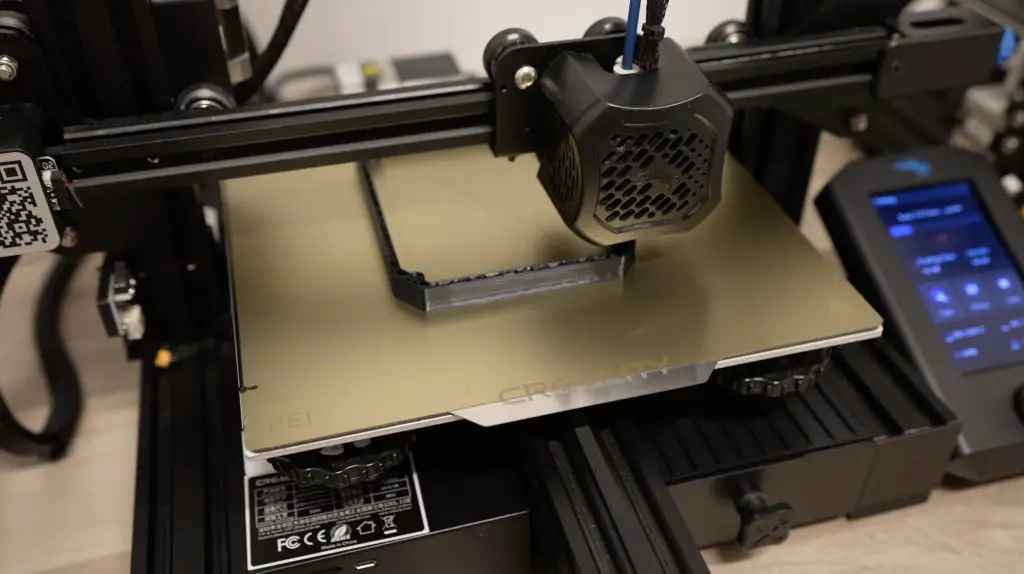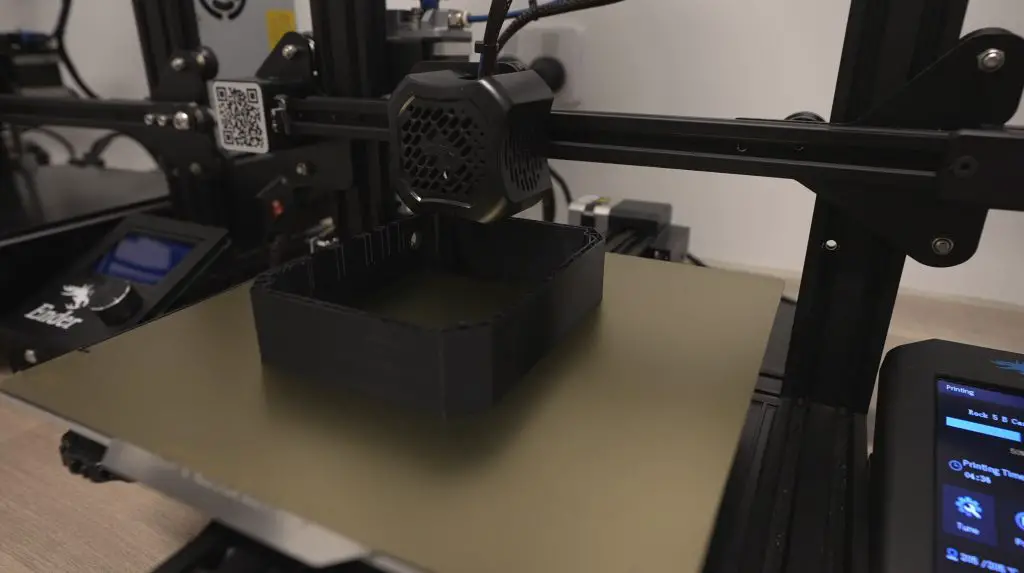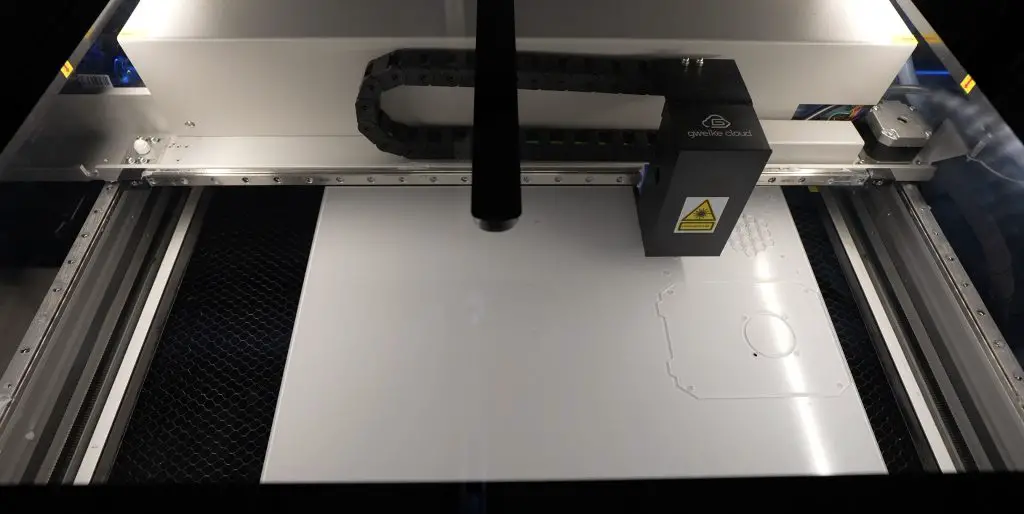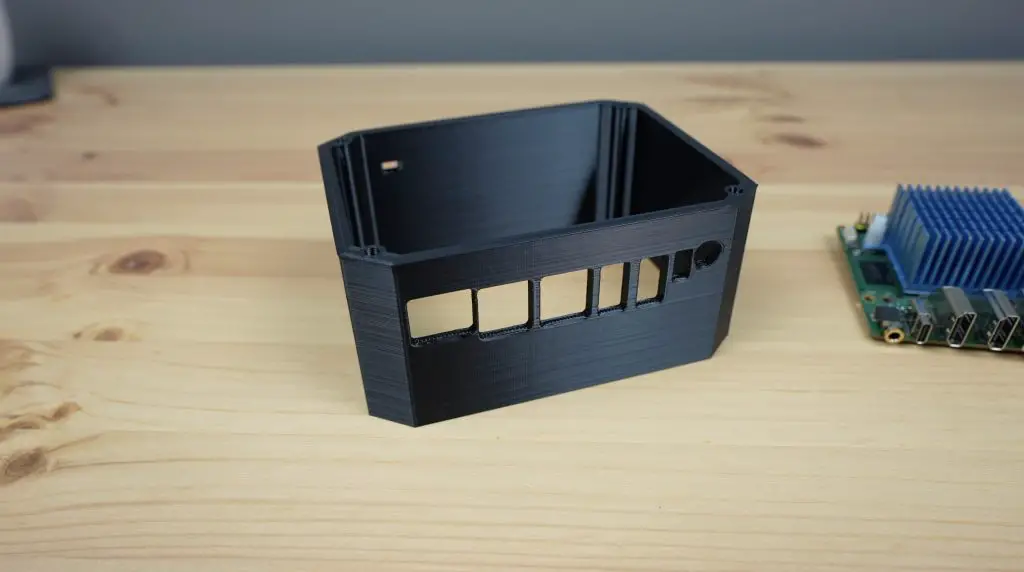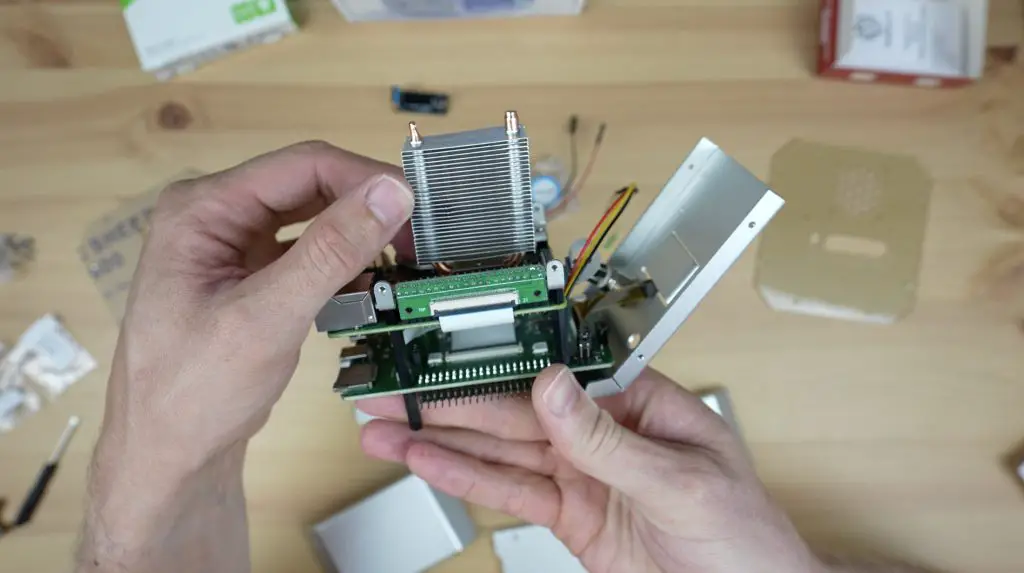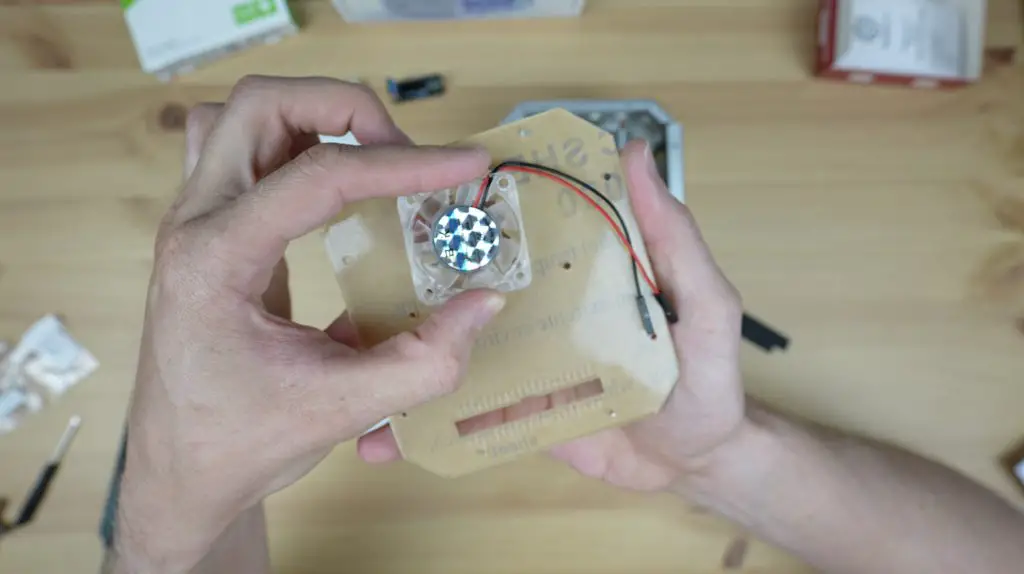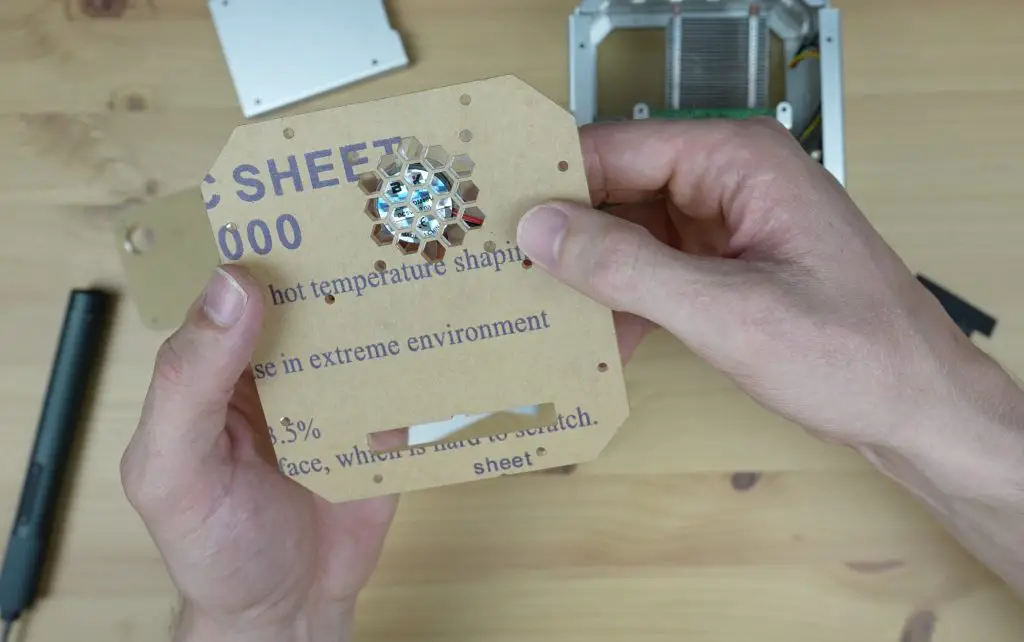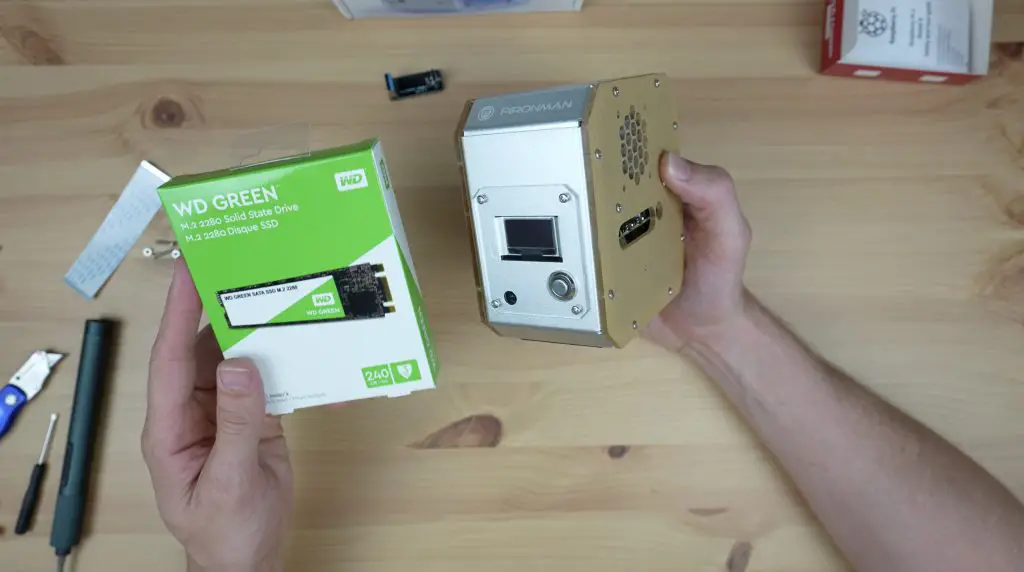

Home Blog Page 8

Atomstack X30 Pro Unboxing & Testing

Atomstack has recently launched the X30 Pro. This is their new flagship gantry-style laser engraving and cutting machine that now has a 6-core 33W laser module, which is the most powerful diode laser available on these style machines. It also comes with a fantastic air assist system to give you really clean cuts.

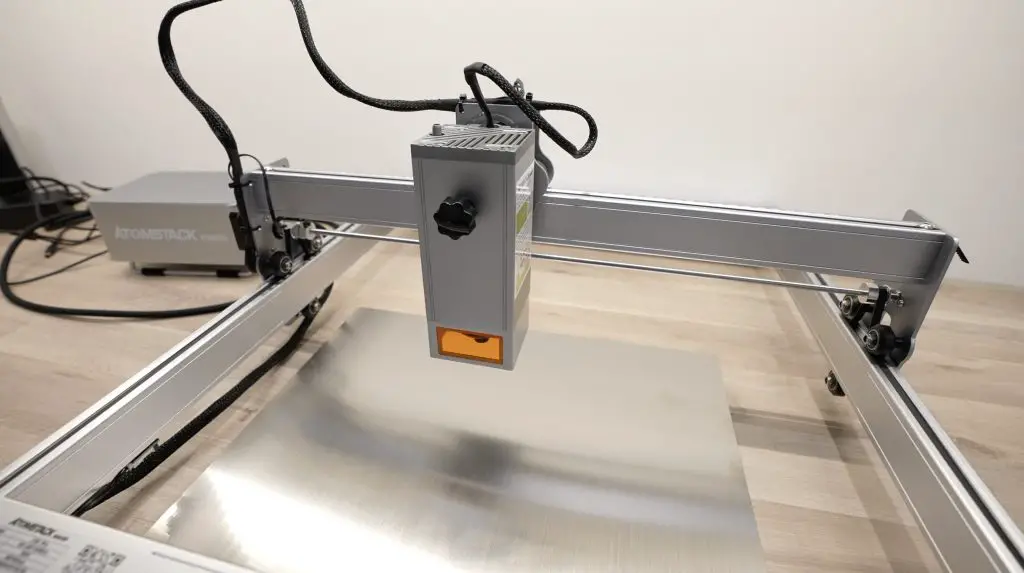
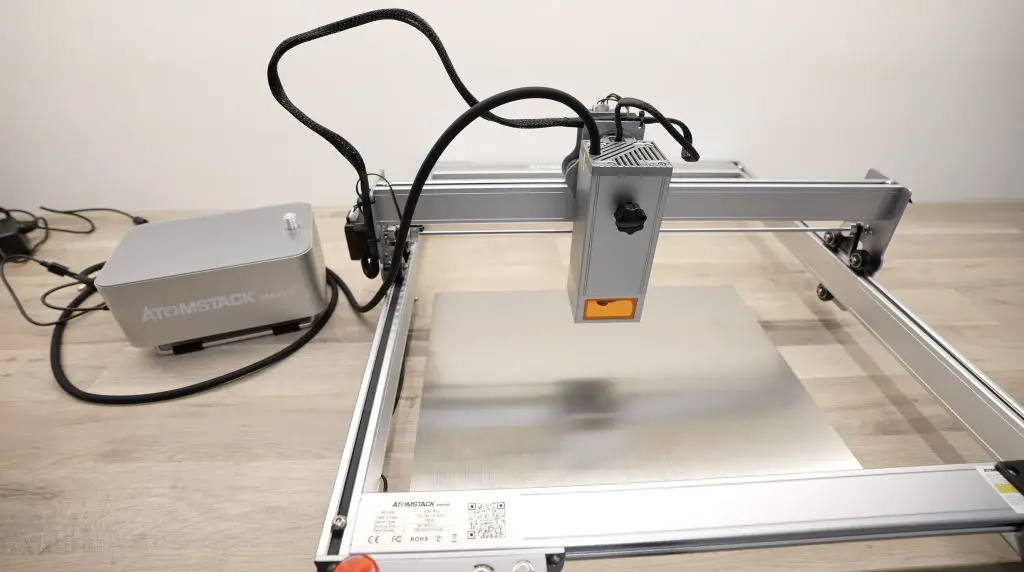
Assembled Atomstack X30 Pro

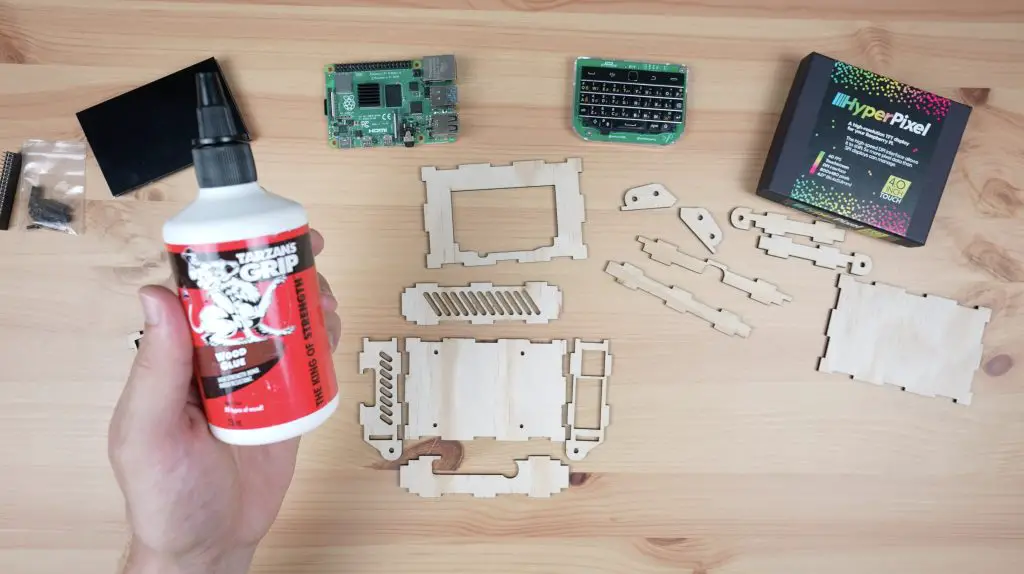
They sent me the X30 Pro to try out and share with you, so I’m going to be using it to make a Raspberry Pi based cyberdeck from 3mm plywood sheets. But first, let’s get it unboxed and run some tests on it to see how well it performs.

Where To Buy One?

Atomstack’s machines are available through their web store and Amazon store:

Some of the above parts are affiliate links. By purchasing products through the above links, you’ll be supporting my projects, at no additional cost to you.

Unboxing The Atomstack X30 Pro

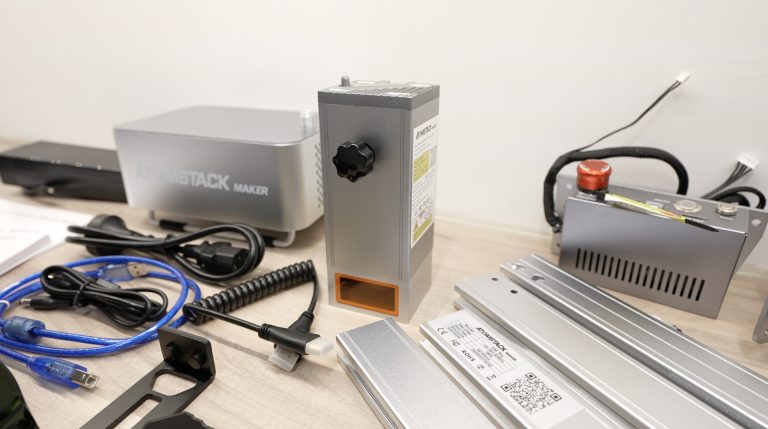
The X30 Pro arrives partially assembled, with all of the parts really well protected with individual foam trays and inserts.

Atomstack X30 Pro Packaged

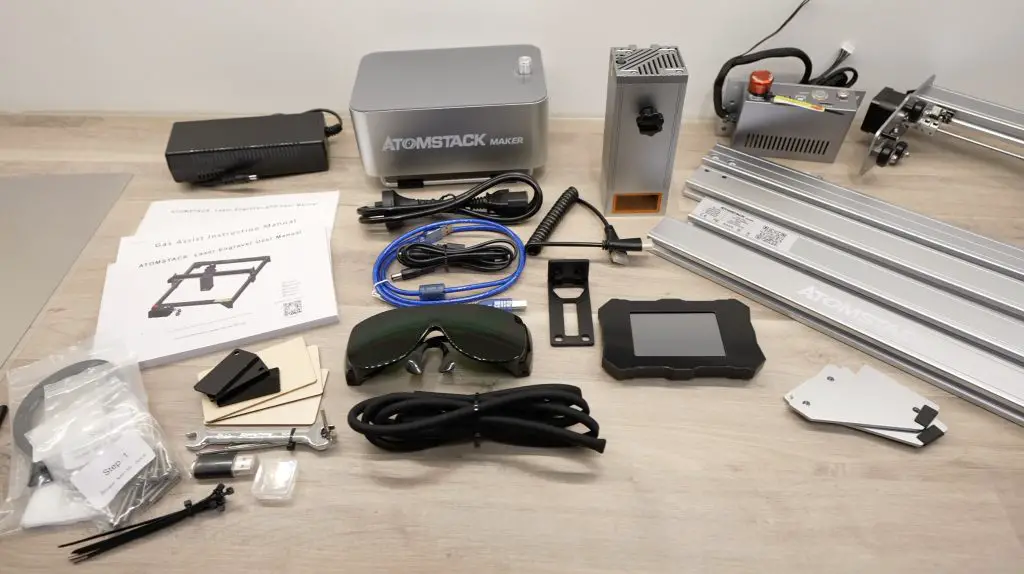
They include everything you need to get set up and running, including tools, safety glasses and manuals. They also include a couple of sample plywood and acrylic pieces to test the laser on, along with software and test cutting files on a USB flash drive.

Atomstack X30 Pro Unboxed

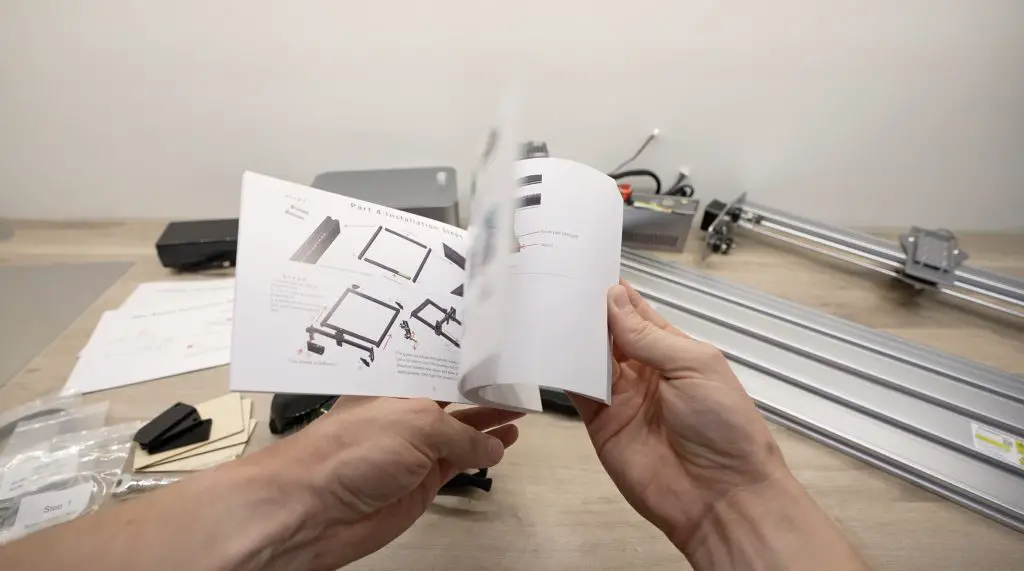
Assembly is about as easy as it can be without the machine being entirely pre-assembled. The main part of the assembly process is to assemble the aluminium extrusions that make up the y-axis frame. So you should be able to get the laser assembled and running in less than an hour.

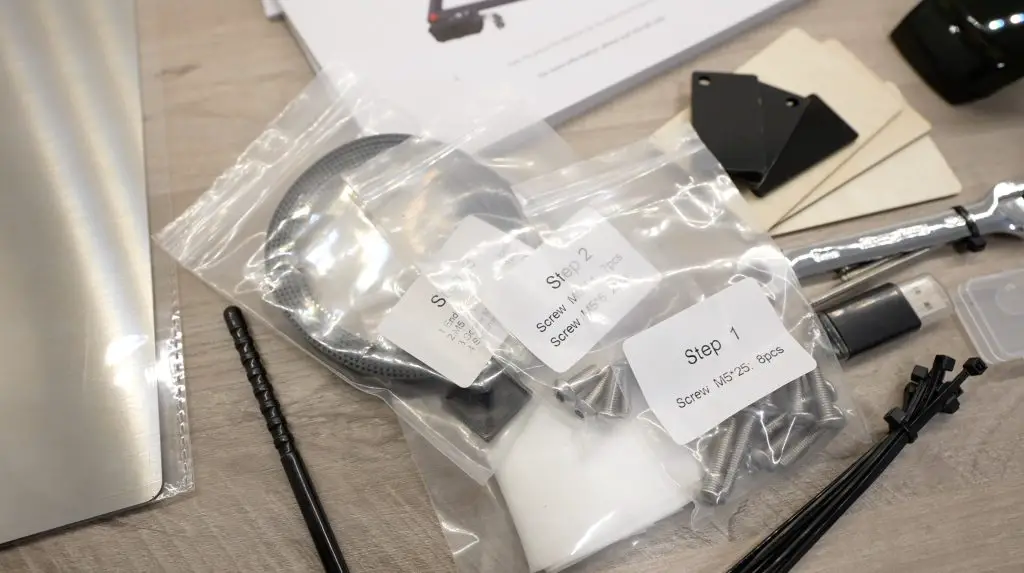
The screws are even set out in packs that match each step in the assembly portion of the manual.

Having assembled a number of these style machines in the past, it took me around 15 minutes to get it assembled and ready to run some test cuts.

Assembled Atomstack X30 Pro

Main Selling Points Of The X30 Pro

The new 33W diode laser module combines the light produced from 6 6W lasers into a single focal point, a step up of 50% over their previous flagship, the X20 Pro.

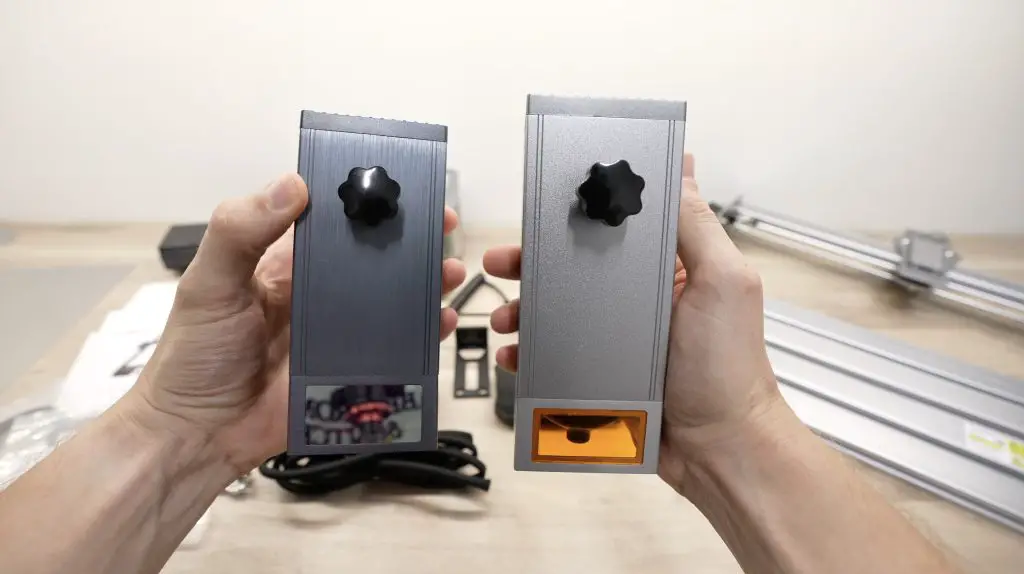
Atomstack X30 Pro Laser Module

The actual laser module itself is not all that much larger than that on the X20 Pro although you can see a bit of a size increase.

X20 Pro vs X30 Pro Size Comparison

The increase in power allows you to cut through much thicker materials, or to cut thinner materials even faster. They claim it will even cut 0.1mm stainless steel sheets, so it is a really powerful machine.

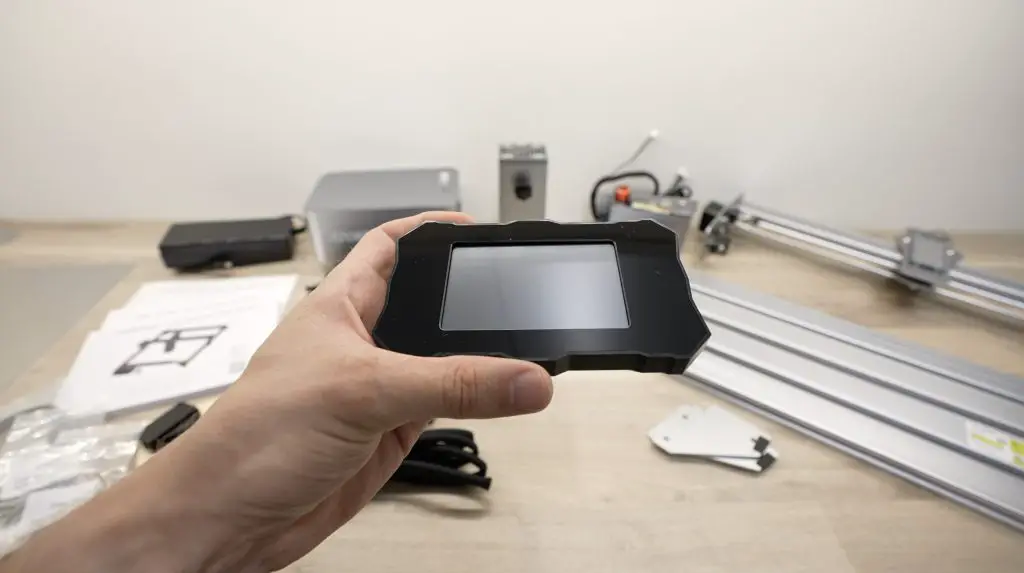
There are two other things that I think set this machine apart from its competitors, besides the more powerful laser, the first is the display that allows complete offline control of the machine.

Offline Controller on X30 Pro

So you can plug a microSD card into the controller and then control the positioning and cutting directly on the machine without a connected computer. I actually use this quite often on the X20 Pro, it has its limitations but it works pretty well for straightforward jobs.

The second is the air assist system.

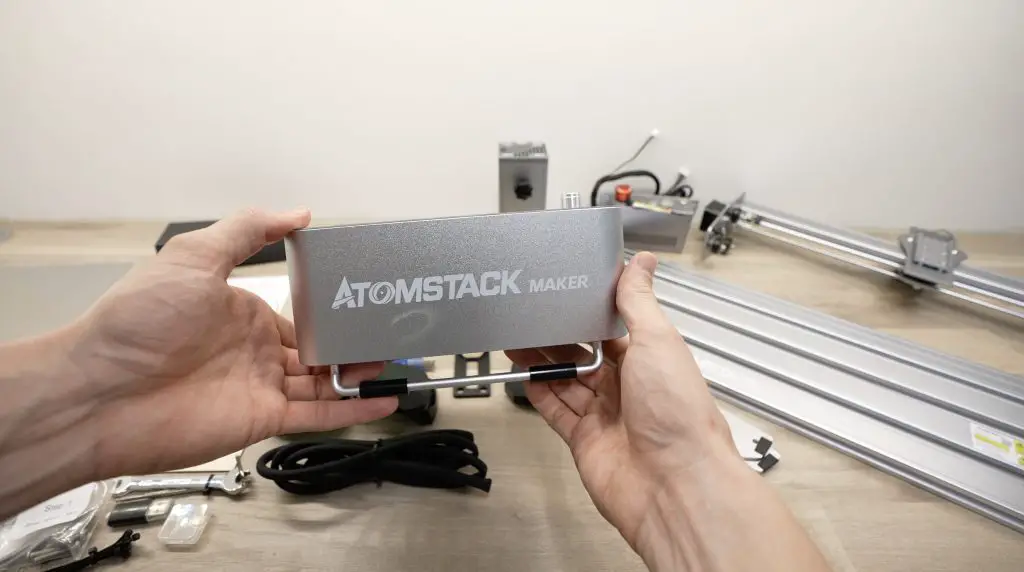
Air Assist Compressor on X30 Pro

There are other machines available with air assist, but the air assist on the Atomstack machines is really good. So much so that I actually use my older X20 Pro to cut all of my plywood parts for my projects and for products in my Etsy store instead of my more powerful CO2 laser. My CO2 machine also has air assist, this one just does a better job at getting the cuts to look really clean.

Cutting & Engraving Tests on Plywood Sheets

The air assist compressor is adjustable and connects to the top of the laser module where it is then directed down to a stream around the lens and onto the cutting area. It actually performs a secondary function – the stream of air around the lens keeps it clean as well.

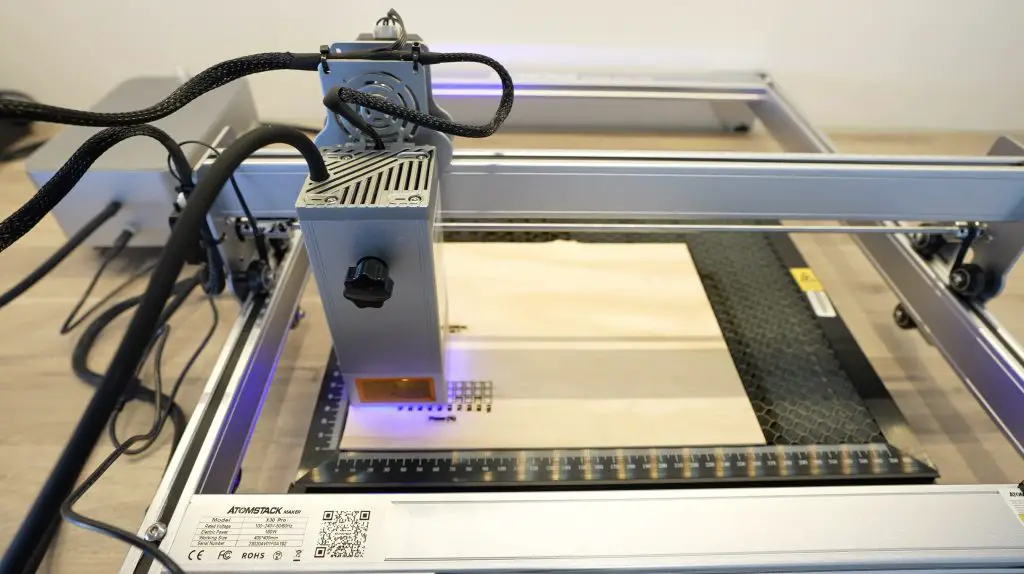
Atomstack X30 Pro Ready To Cut

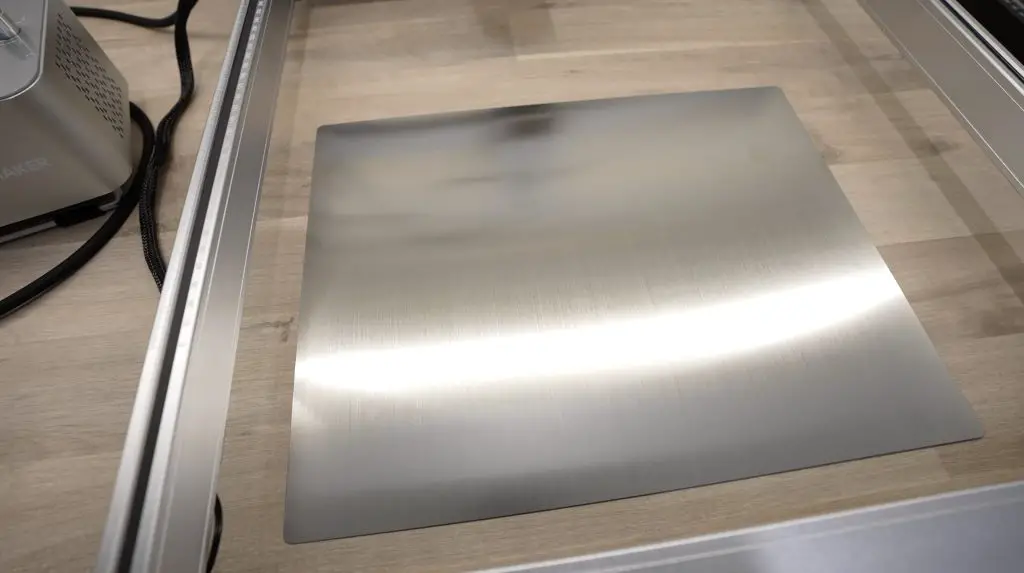
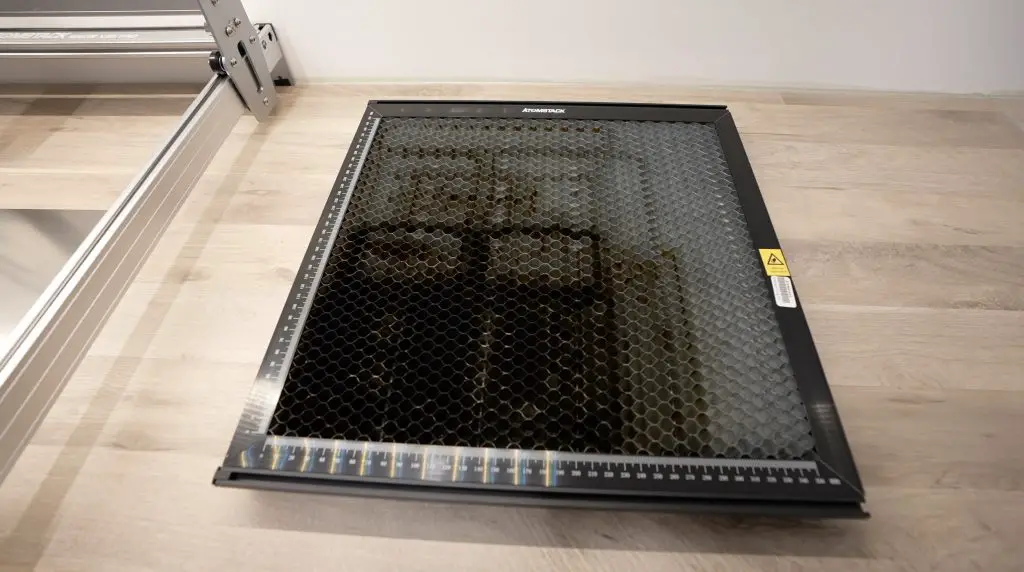
For the cutting surface, they give you a stainless steel sheet to protect your desk or work surface from the laser, but you’ll want to use some prisms or a honeycomb bed to raise the workpiece slightly when you’re cutting. This is so that you’re not charring the back of the piece and you’ve got some space for the smoke to escape. I’m using an Atomstack honeycomb surface that I bought to use with the X20 Pro.

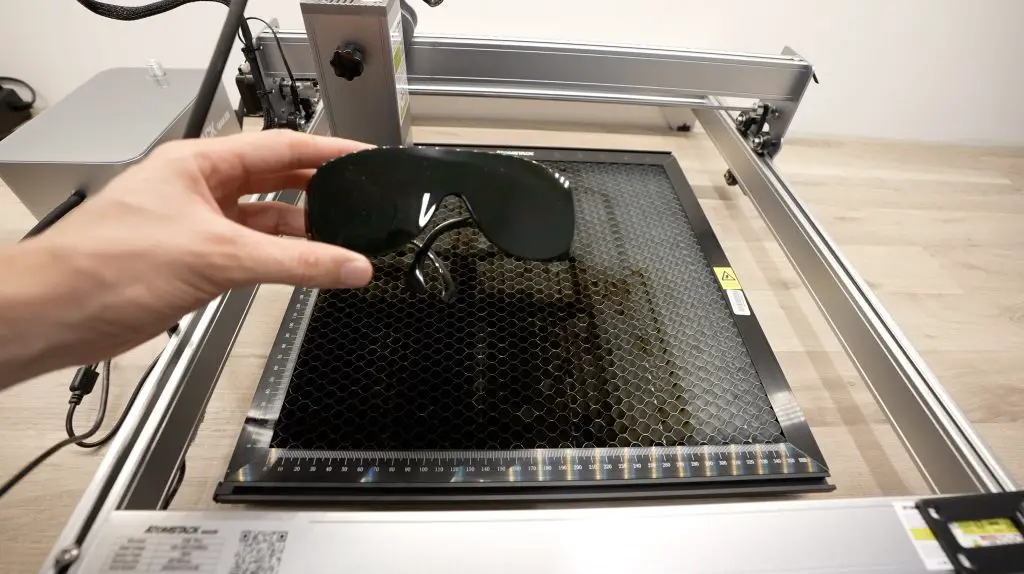
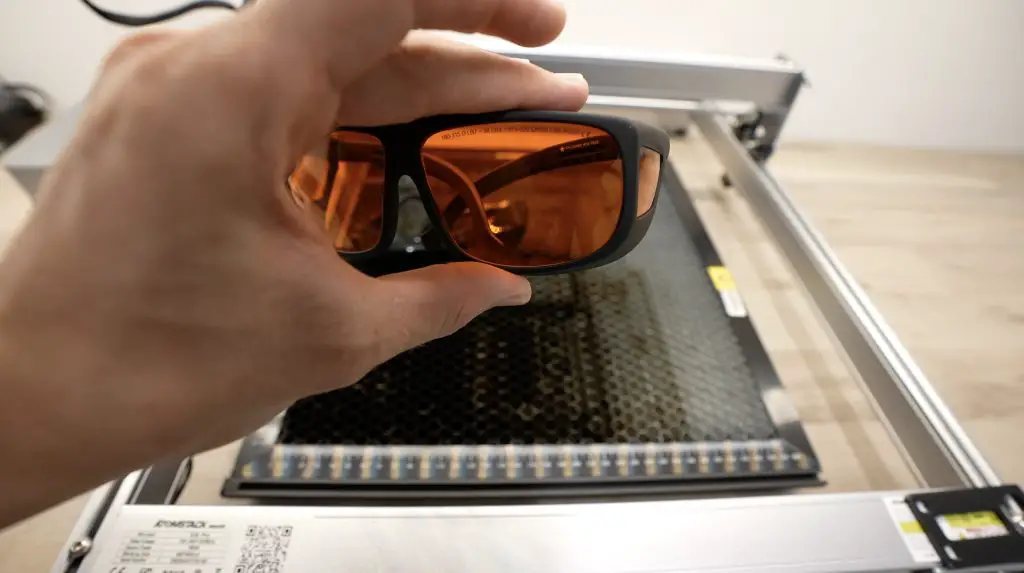
It’s really important to wear eye protection when working with these open gantry style lasers, this high-power laser can permanently damage your vision in a fraction of a second if something goes wrong. Atomstack provides a pair of safety glasses with the X30 Pro kit, but you should really get a pair of glasses from a reputable optics company that has done testing on the glasses and provides some form of certification.

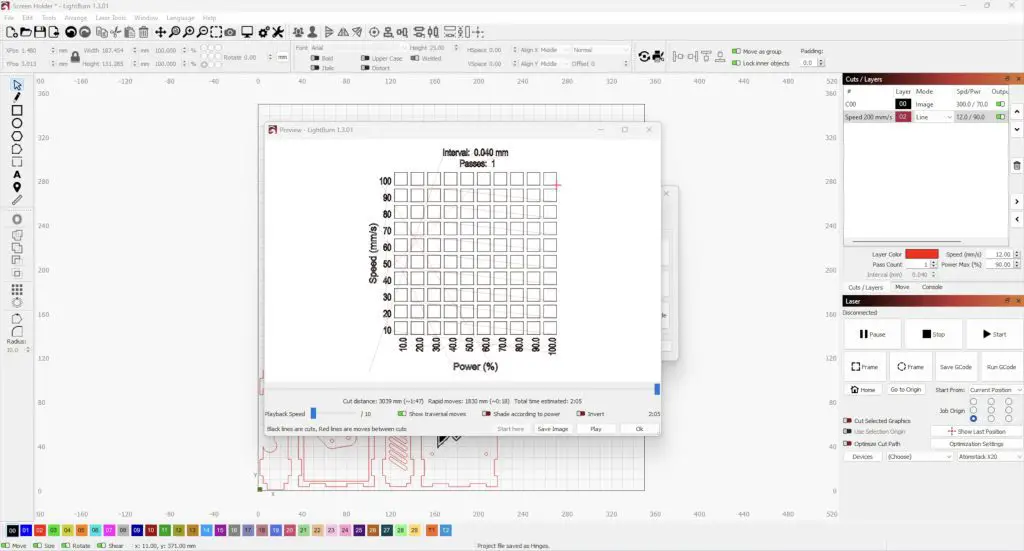
I’m going to run some cutting and engraving tests on a piece of 3mm plywood as this is the material that I’m going to be using for the Cyberdeck. I’m using Lightburn on a connected laptop to run the tests. The laser is going to cut a range of 5mm blocks at different speeds and laser powers and we’ll then be able to see which settings produce the best quality cuts.

Material Cutting Test Lightburn

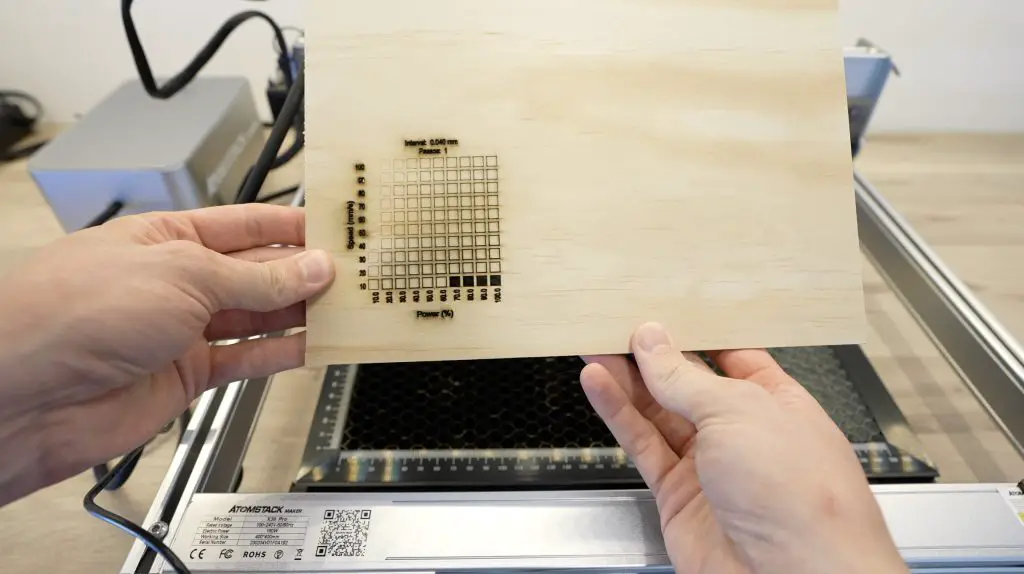
Cutting Test

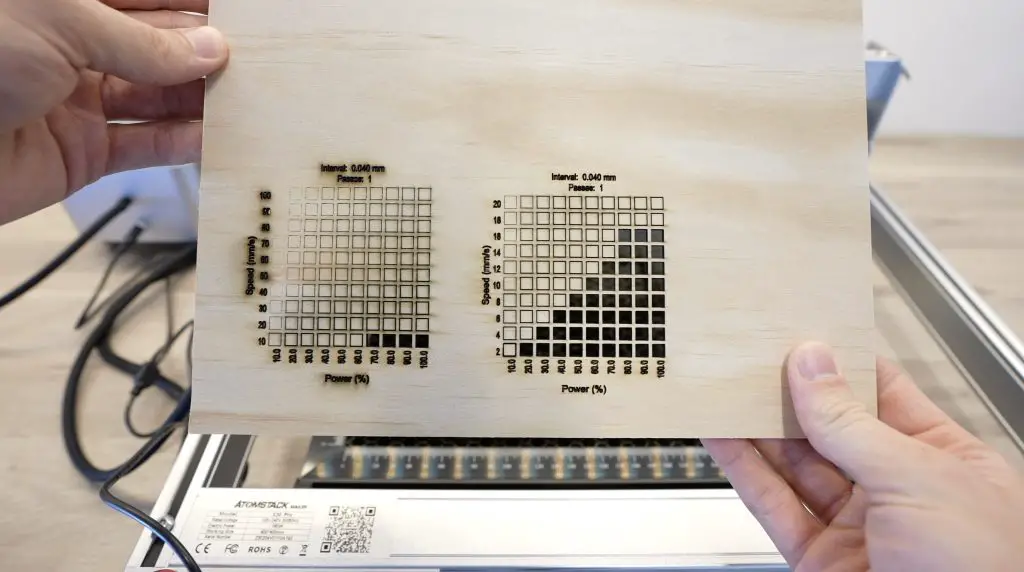
To start I’m going to do a cutting test with a range of 10 to 100mm/s for the speed and 0 to 100% power.

From that test, we only managed to cut through a few of the higher power settings at low speed in the bottom right corner, so I’ve set the speed up a bit too high for this material.

You’ll also notice how much cleaner the engraving looks on the numbers along the bottom of the vertical axis without the air assist off. So that’s something to keep in mind – don’t use air assist with engraving, only use it when you’re cutting.

These sheets are not the same material as the 3mm basswood sheets that are commonly available online for laser cutting, they’re a much better quality construction-grade plywood. So it takes a lot more power to cut them. Let’s turn down the speed a bit and try a second test.

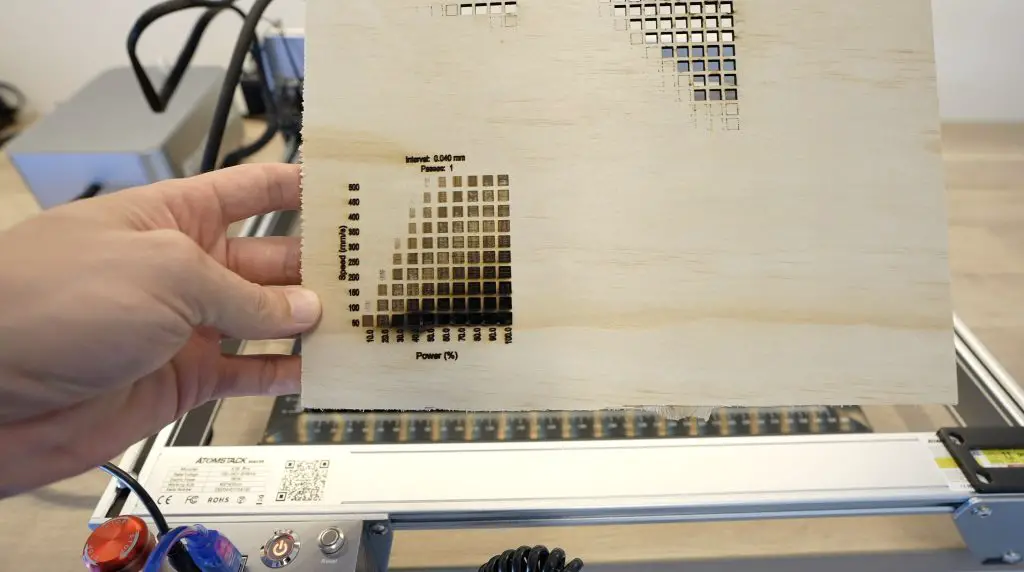
Second Material Cutting Test

So we’ve had much better success on the second test with most of the bottom right half of the test cutting through. So that gives me a good idea of what settings I can use to get through the plywood. To cut these sheets for projects, I’m probably going to go with something around the higher end of the laser’s power – let’s go with 90% power and 15mm/s speed.

Engraving Test

Next, let’s try running an engraving test to get an idea of what settings will work to engrave a logo onto the Cyberdeck. This is quite similar to the cutting test but the laser runs back and forth across the whole area of the square to mark it.

Material Engraving Test on 3mm Plywood

Clearly, the bottom row’s speeds are too low and just burnt through the wood entirely, but we have some good results in the middle of this range.

Cutting Project Components On The X30 Pro

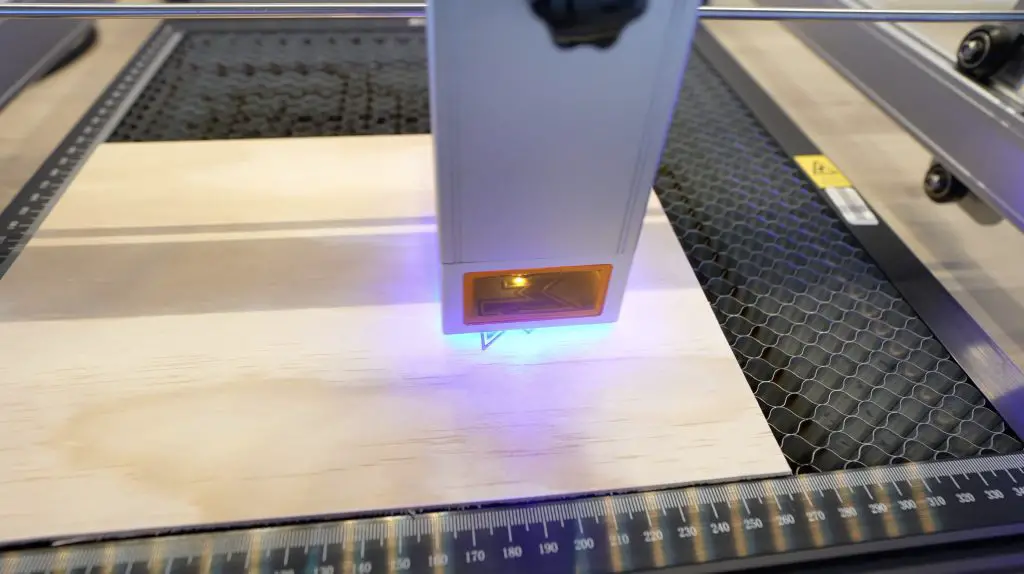
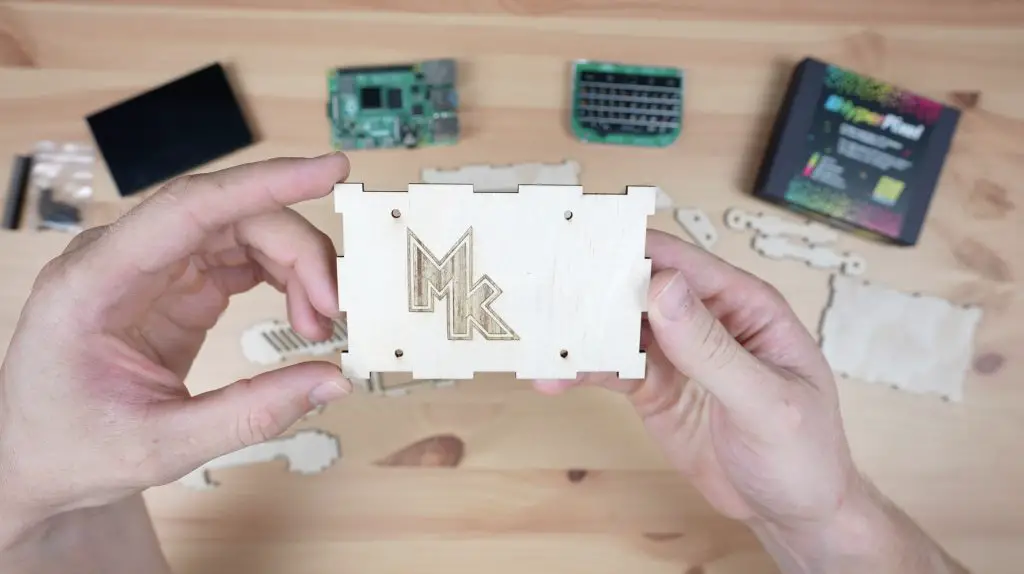
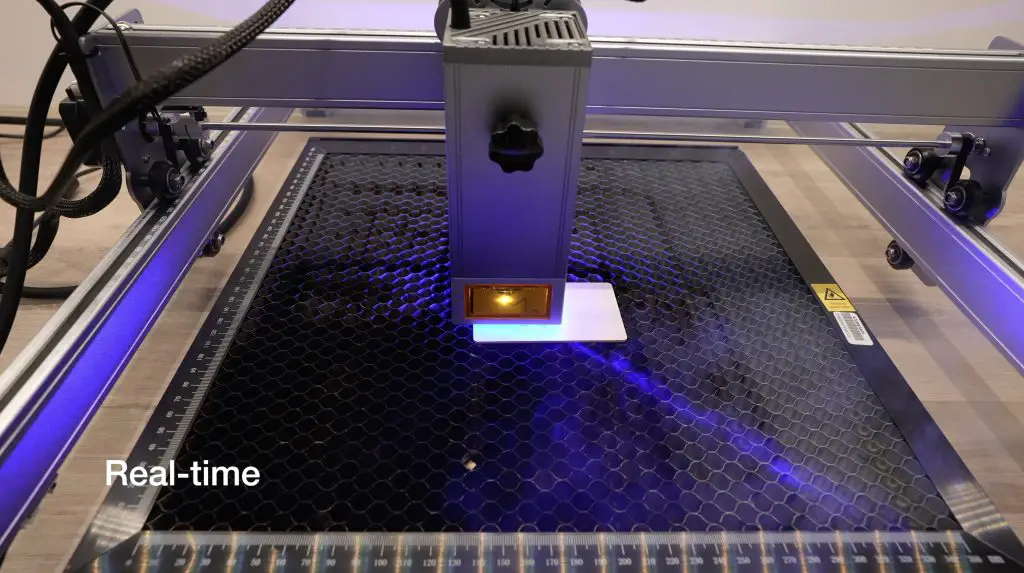
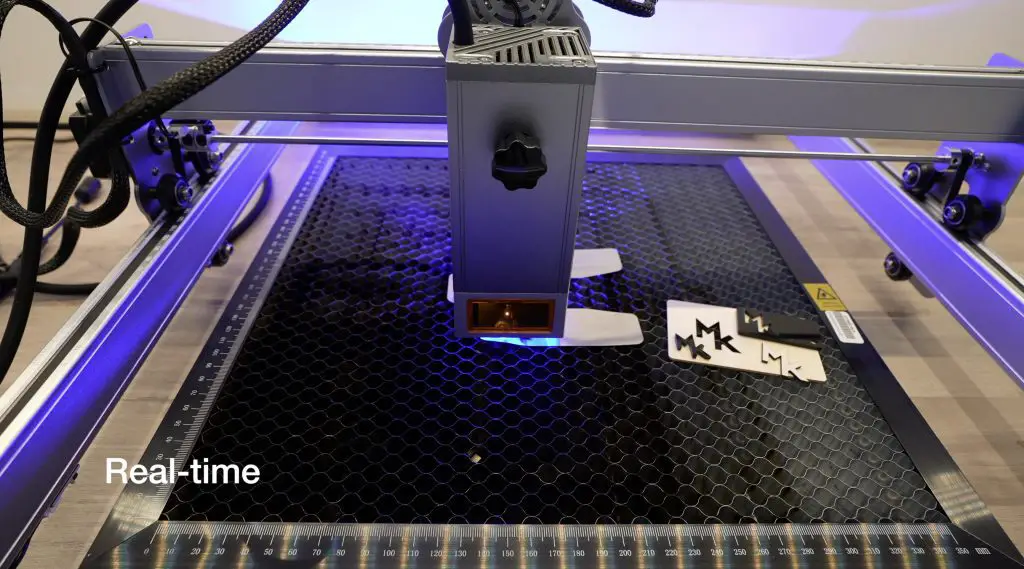
After the materials tests, I wanted to try cutting some plywood components for my cyberdeck project. I set Lightburn to engrave the logo first so that the part doesn’t shift when it is cut. I’ll leave the air assist off for the engraving and then turn it on when it starts cutting.

If you watch my video, you’ll see that the laser runs back and forth in lines, called scan lines, to mark the wood and create the logo.

Laser Engraving The Logo

Once that’s done we can turn on air assist to start the cutting.

As with any of these open-style gantry machines, one of the biggest drawbacks is that they produce a lot of smoke when cutting. There isn’t really an easy way to capture or direct it away from the work area, so you’ll need to work in a well-ventilated space.

Smoke Being Produced During Cutting

Atomstack also sells an enclosure for the laser which makes it easier to connect up to an extraction fan, so that’s definitely something you’ll want to consider if you’re using it in a smaller space.

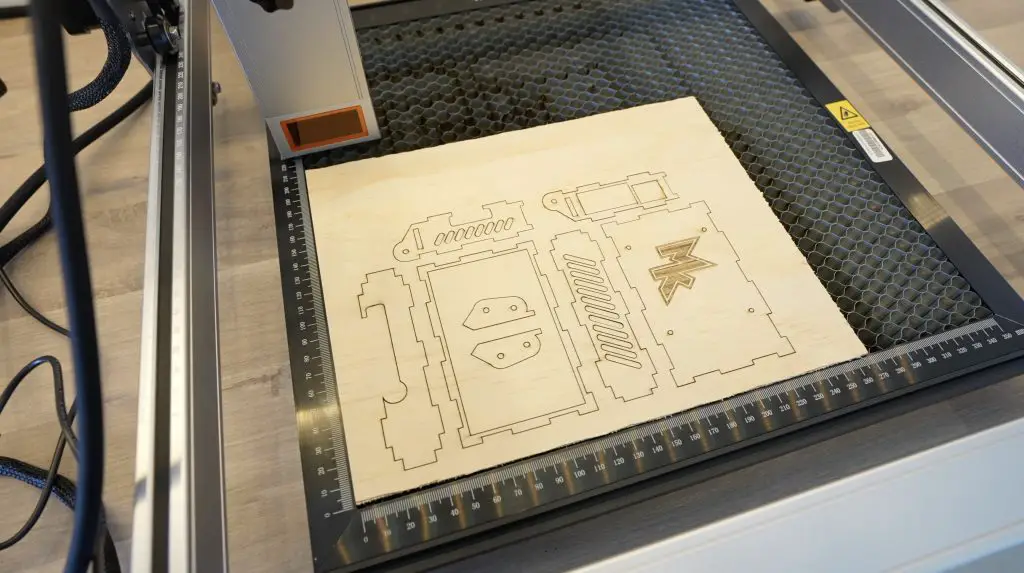
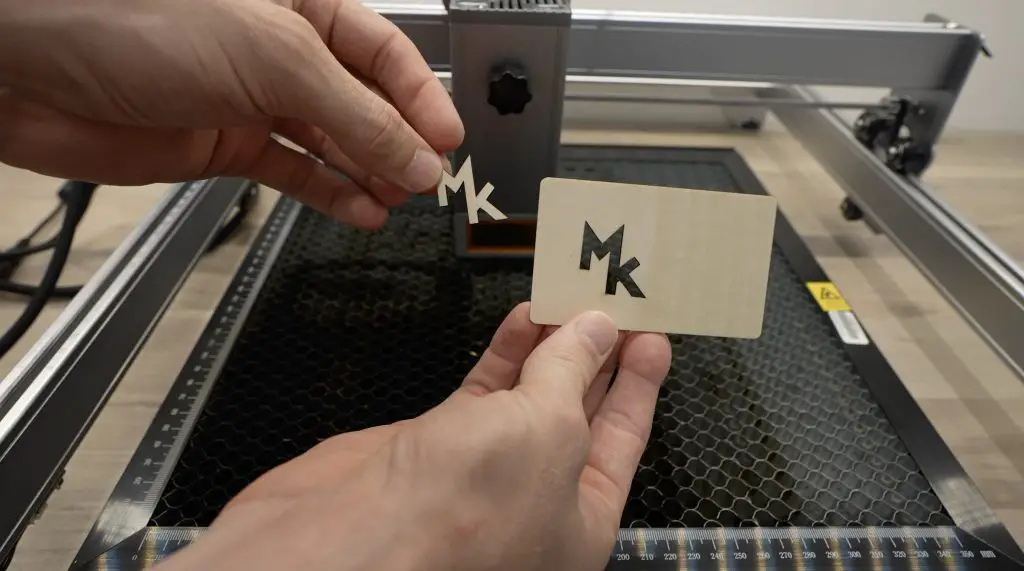
Taking a close look at the pieces, you can see how well the air assist works on the X30 Pro. There is virtually no charring or smoke marks on the surface of the cut.

Laser Cut Case Components

Cutting Other Materials On The Atomstack X30 Pro

I also tried cutting a few other materials using the Atomstack X30 Pro to test its capabilities.

As I mentioned earlier, the plywood that I’ve used is much stronger than basswood sheets that are usually marketed for these machines, the X30 Pro cuts through these sheets really easily and at high speed. It’ll get through the included sheet at about 60% power at 15mm/s.

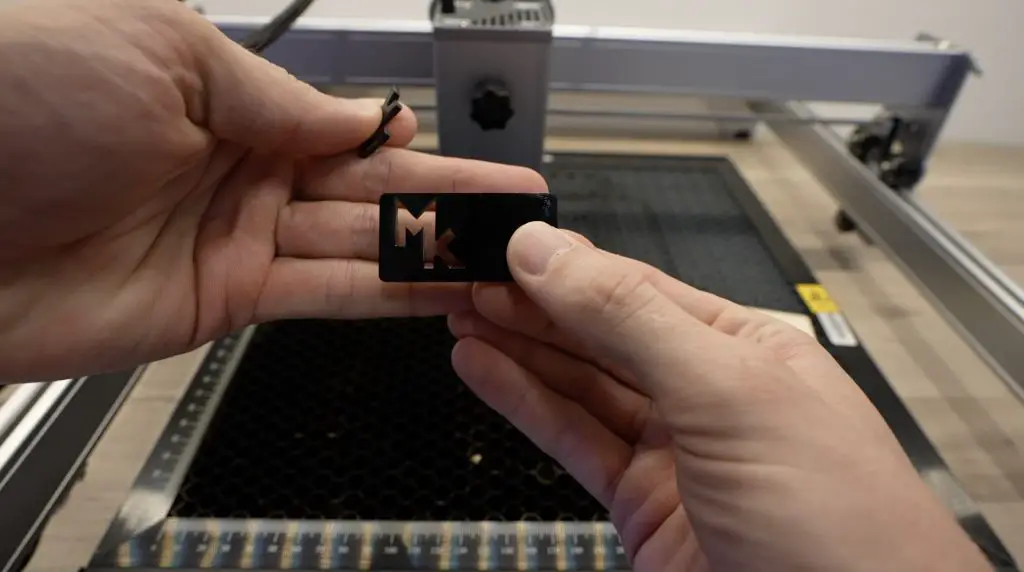
It can also cut through black or dark opaque acrylic sheets. This required a higher power, cutting through at around 80% power at 3mm/s.

Laser Cut 3mm Black Acrylic

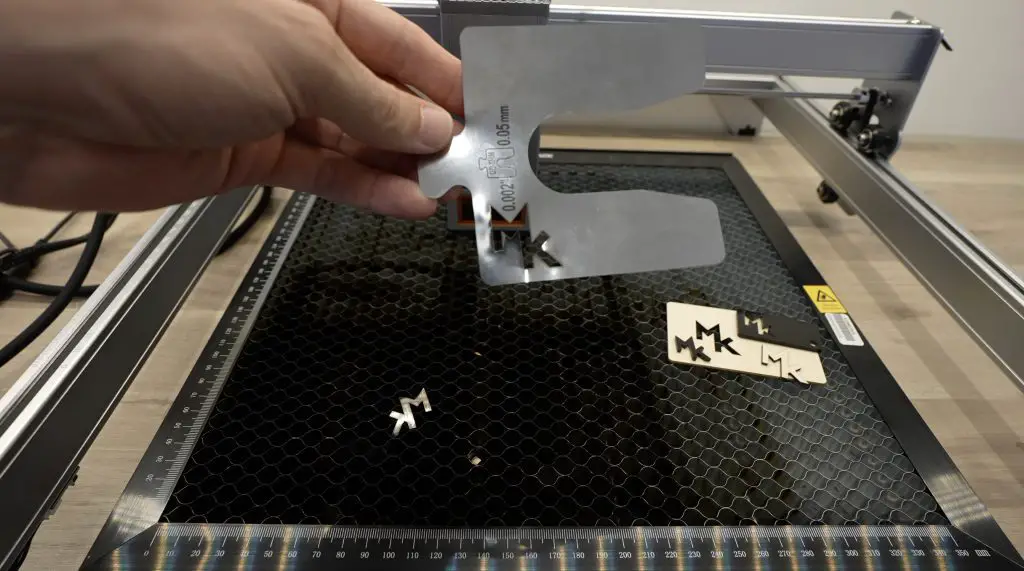
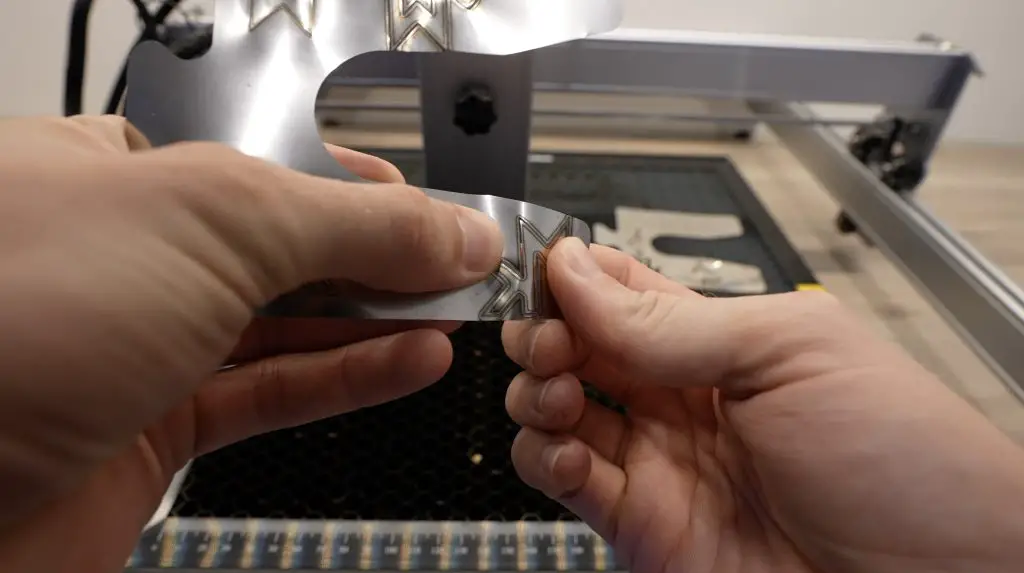
Finally, I wanted to try stainless steel sheets. I have these shims which have their thicknesses etched onto them, so I tried the 0.05mm one first. Atomstack’s settings suggestion was for 16mm/s and 60% power, which I thought sounded a bit too fast and at a bit too low power, but it managed to cut through the stainless steel perfectly.

It does warp the metal slightly around the edges because of the heat, but the results were better than I expected.

I also tried with a 0.1mm sheet, which is double the thickness of the first, and I wasn’t able to get it to cut all the way through this sheet even with different settings. It got partway through some areas but I couldn’t get a full clean cutout. This is high-grade stainless steel so that may play into it as well. Honestly, I was impressed that it could make it through the 0.05mm sheet.

0.1mm Sheet Not Cut All The Way Through

Final Thoughts On The X30 Pro

I was really impressed by the results of my cutting tests, the X30 Pro is a really powerful and capable machine. The increase in laser power means that I can cut plywood components around 30% faster than I could on my X20 Pro, which is a significant saving.

I can’t see myself using the machine to cut stainless steel very often, but it is impressive that it is able to.

The air assist on Atomstack machines is probably my favourite feature. As I mentioned earlier in the post, it even produces better cutting results than my CO2 laser which costs more than double the price.

It is a pricey machine, being over $1,000, but it’s the perfect workshop companion if you do a lot of sheet woodwork or you see yourself making personalised components. If you are going to be running it in a smaller workshop space or bedroom then you’ll definitely want to go with the ventilated enclosure so that you’re able to properly extract the smoke and fumes from the work surface.

Let me know what you think of it and if you have anything else you’d like to see me try out on it in the comments section below.

Build A Raspberry Pi NAS For $35 Using All New Parts

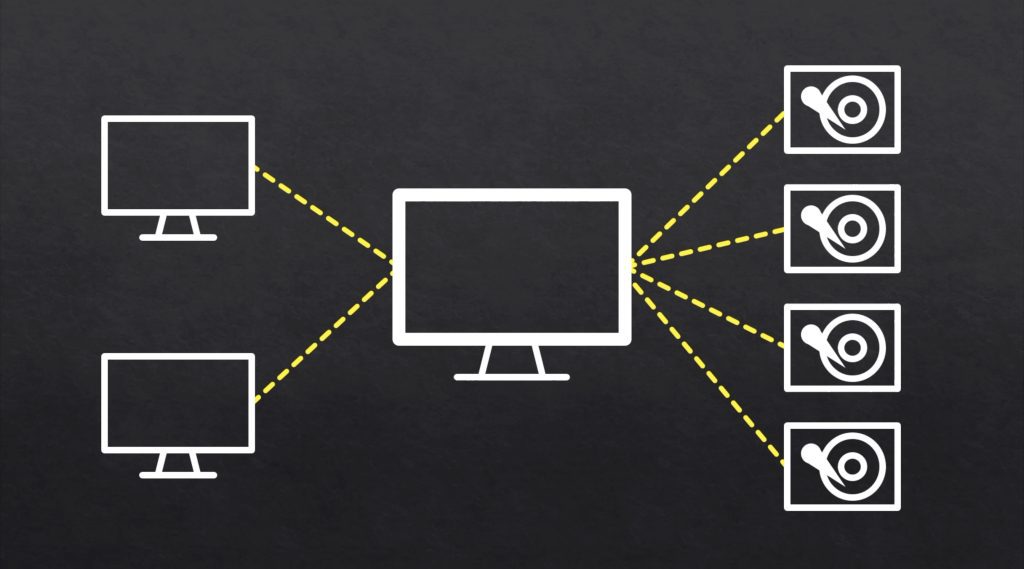
Today we’re going to be building a Raspberry Pi based NAS (network attached storage) device using all new parts for as little as possible. If you don’t know what a NAS is, it’s essentially a small computer that is hooked up to a storage drive and acts as a file server on your network, allowing you to access your files from any device.

NAS File Server Diagram

This is not the first one I’ve built. I’ve actually built a few of these in the past, but they’ve all turned out to be quite costly. So for this build, the primary focus is going to be on building a fully functional NAS as cheaply as possible. To do this, we’re obviously going to have to cut some corners and make some sacrifices. So, I expect it to be slow and it probably won’t have a huge storage capacity, but it will be perfect as a first NAS build for someone who doesn’t want to spend a lot of money or if you’re just wanting to build one to learn how they work and how to set them up.

Here’s my video of the build, read on for my written guide:

Choosing The NAS Components

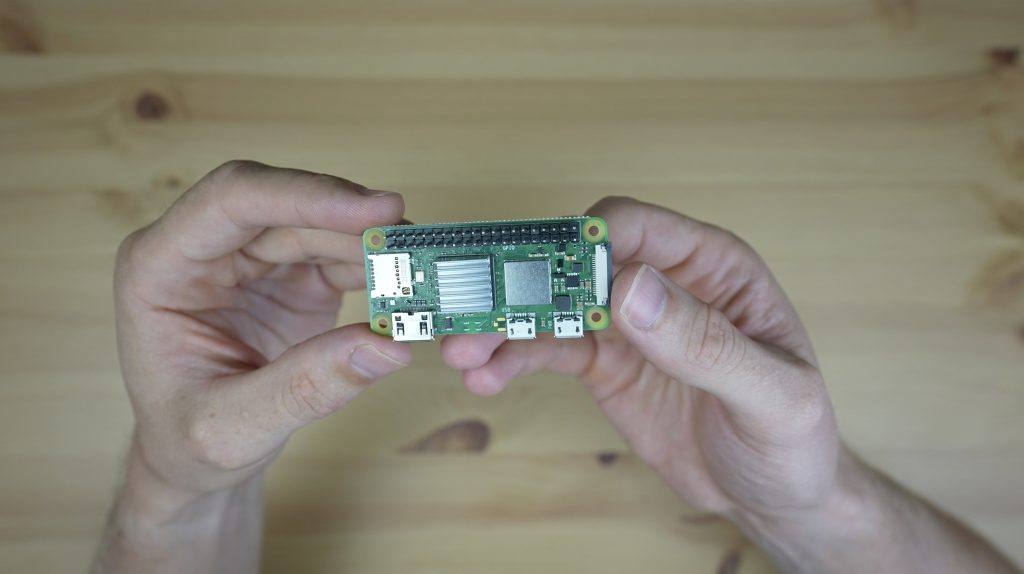
To start we’re going to need a cheap computer, and they don’t come cheaper than the Raspberry Pi Zero – the original being just $5. The trouble with the original is that it is now quite underpowered and it doesn’t have any onboard networking abilities, so we’d need to add a USB WiFi or Ethernet adaptor which adds to the cost. So, I’m rather going to splash out on the $15 Pi Zero 2 W.

Raspberry Pi Zero 2 W

This is the second version of the Pi Zero, which has an upgraded 64-bit CPU that matches the launch version of the Pi 3. The W means that it’s got built-in WiFi, so we can use this as our network interface and we then don’t need any additional adaptors or dongles.

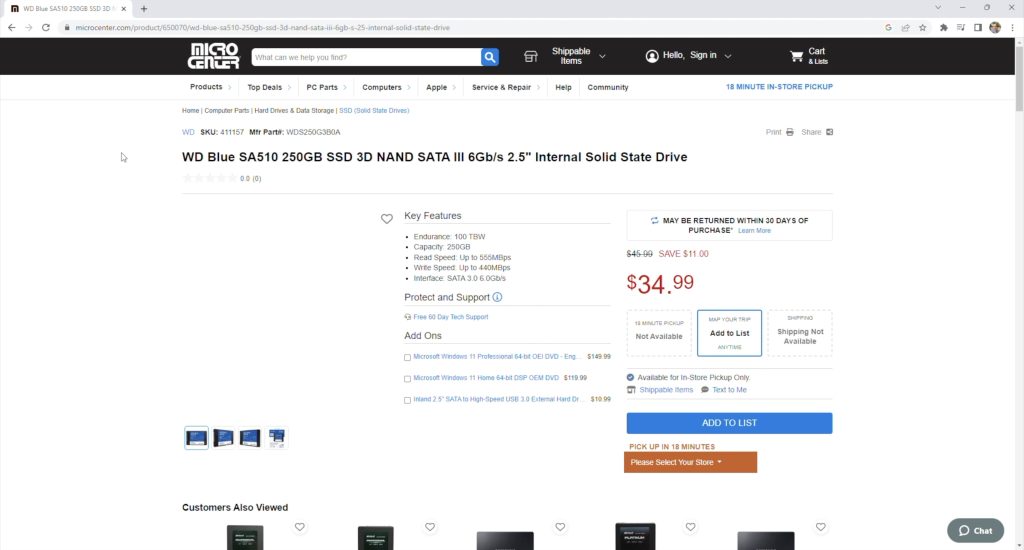
For storage, an SSD is the obviously reliable answer, but the cheapest one I could find from a reputable brand was for $35 – more than double the price of the Pi Zero 2 W.

Western Digital SSD

This was also a 2.5″ SATA drive which would then require a USB adaptor. Since the Pi Zero’s USB port is a micro-USB port, we’d also need another adaptor to convert it from USB A to micro-USB. So we’d be in for close to $50 in total for storage.

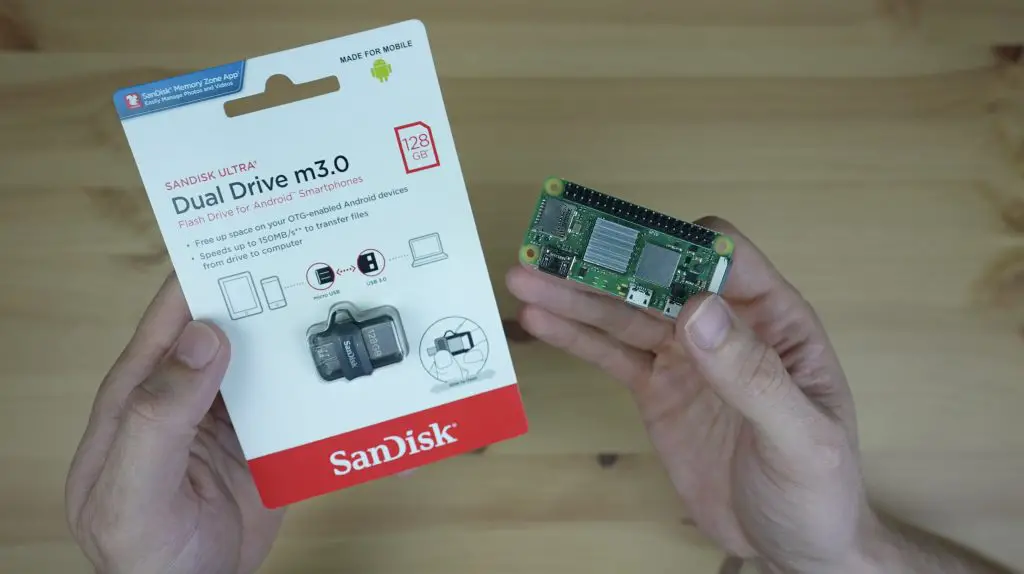
Instead, I found one of these 128G Sandisk Ultra Dual drives, which were made as flash drives for Android phones. This has already got a microUSB port to plug directly into the Pi without any additional adaptors.

Sandisk Dual Drive m3.0

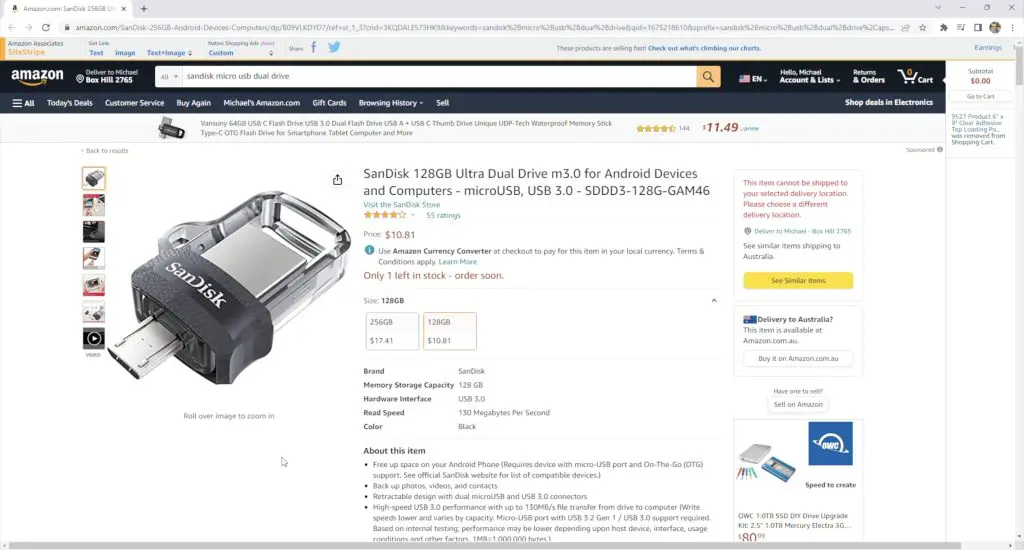
The best part is that this was only $12, and you can even get a 16Gb one for $7 or a 32GB one for $8 if you’d like to go a little cheaper.

Sandisk Dual Drive Price Amazon

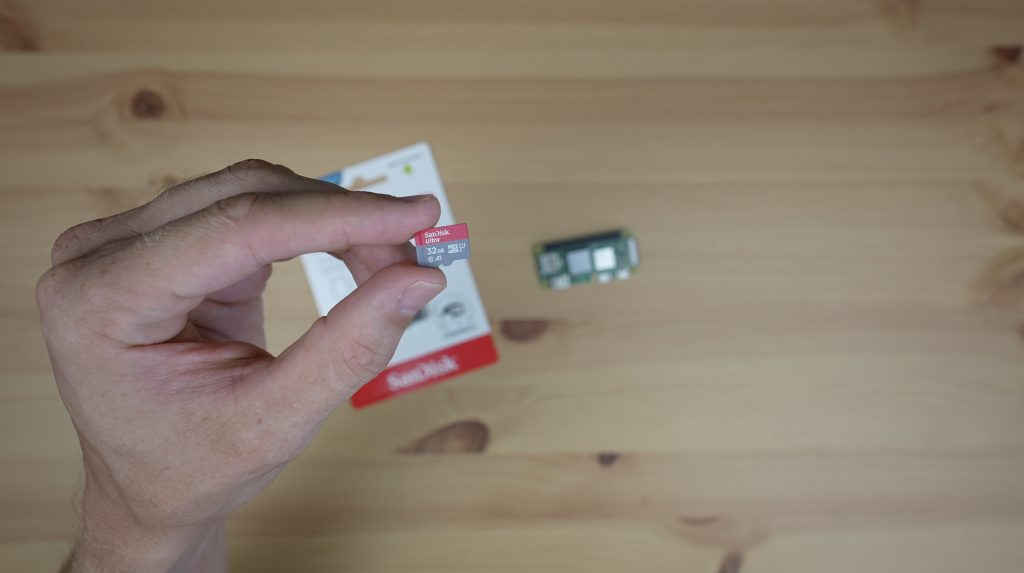
The last component I need to buy is the microSD card to load the operating system onto. I used a 32GB Sandisk Ultra card which was $6.

Sandisk Ultra MicroSD Card

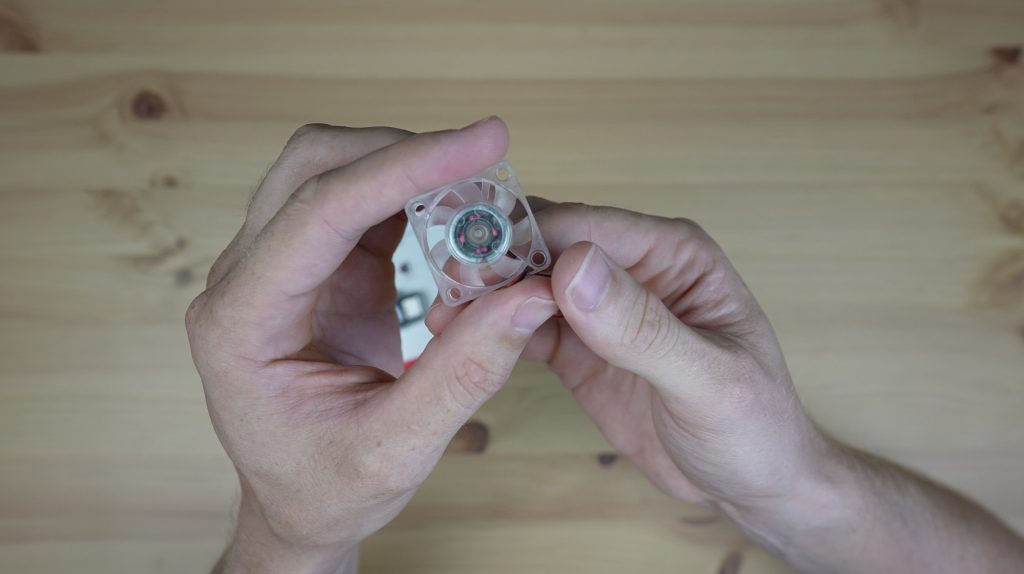
So I was all in on the parts for $33, leaving a couple of dollars for a fan and heatsink. You don’t need a fan if you’re not using the Pi in an enclosure, but I want to design a 3D printable enclosure for it so that it looks the part when it’s done. So, I’m using a small 30mm 5V fan and an aluminium heatsink.

30mm 5V Fan

Component Purchase Links

Tools & Equipment Used

Designing The NAS Enclosure

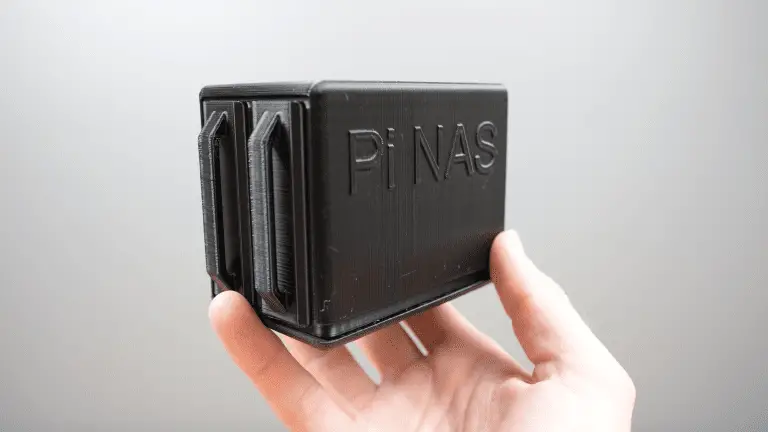
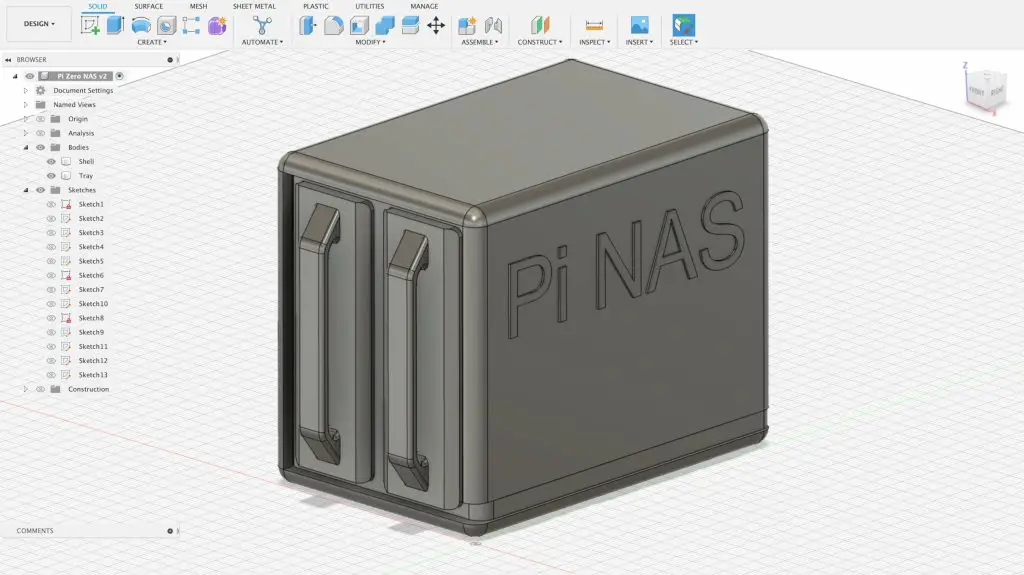
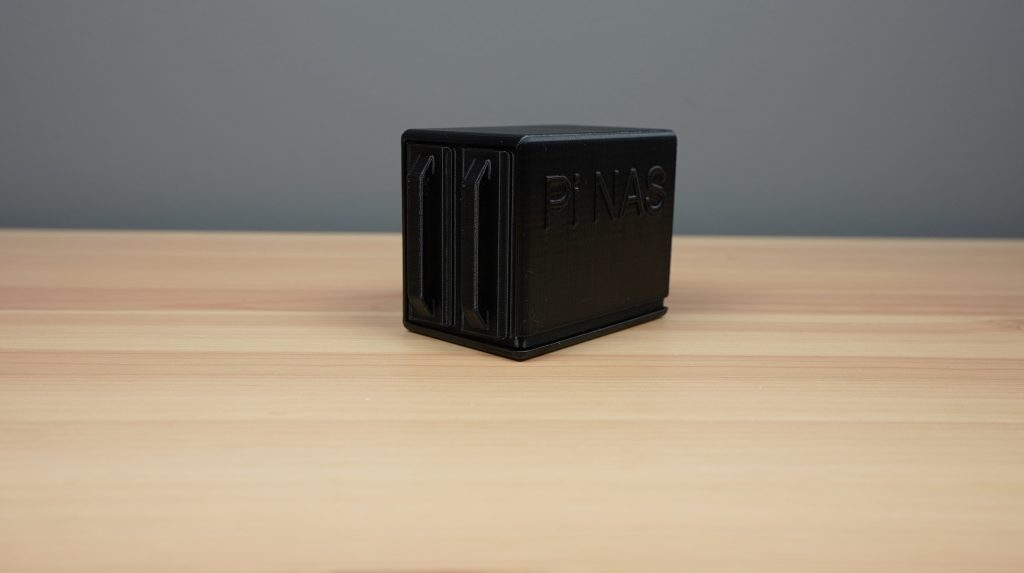
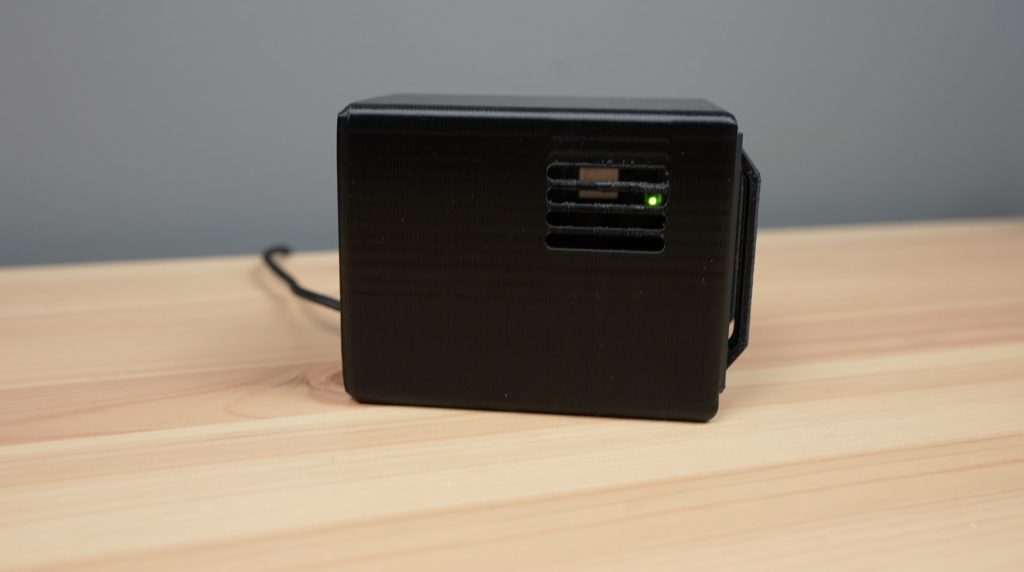
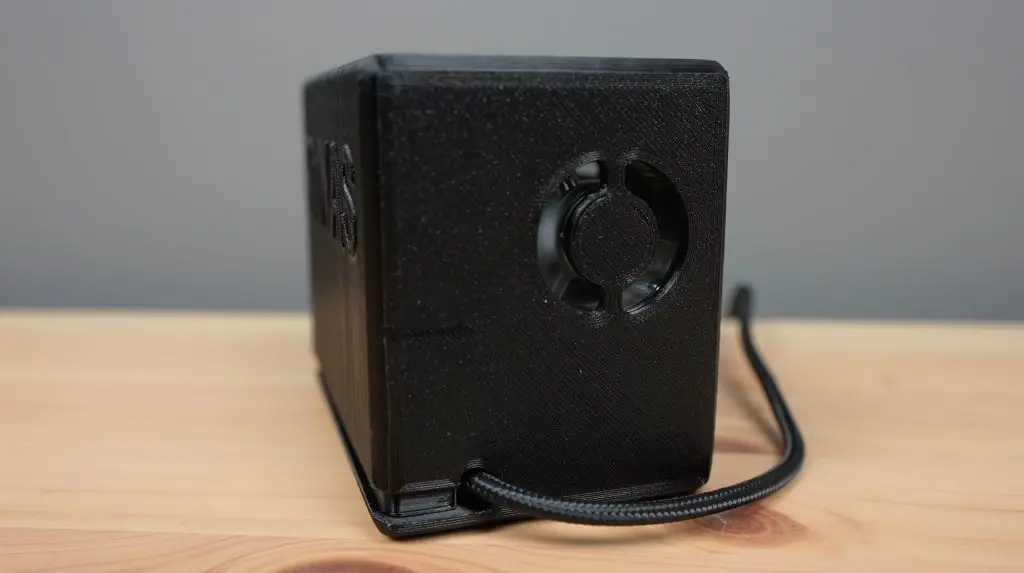
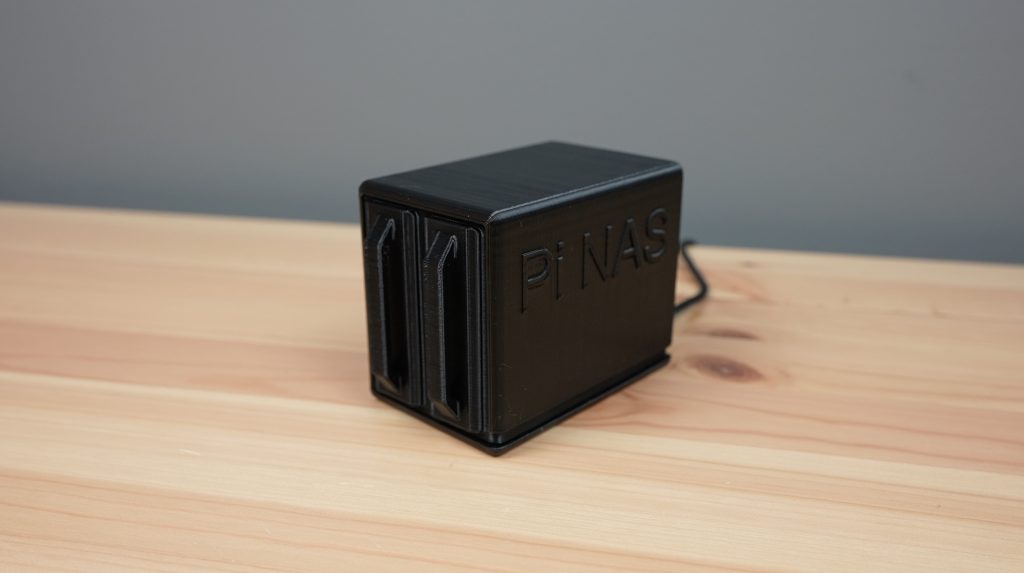
To design the enclosure, I used Fusion360. I designed it to look somewhat like a 2-bay NAS that houses the Pi Zero with the ports kept internal so that the storage drive would also be within the NAS. I also made a slot along the side that fed to the back for the power cable to pass through.

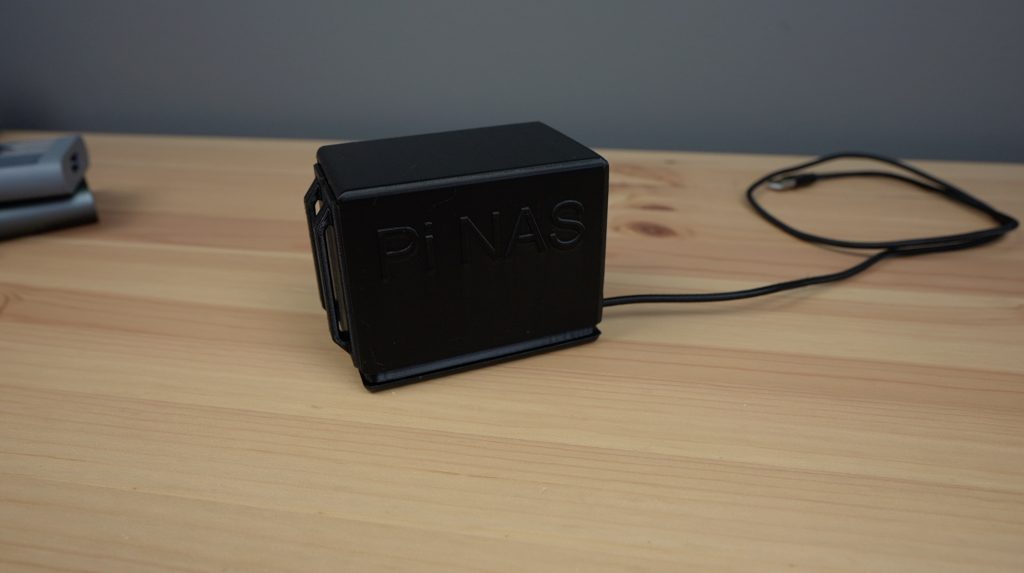
Pi NAS Enclosure

Download the 3D Printing Files

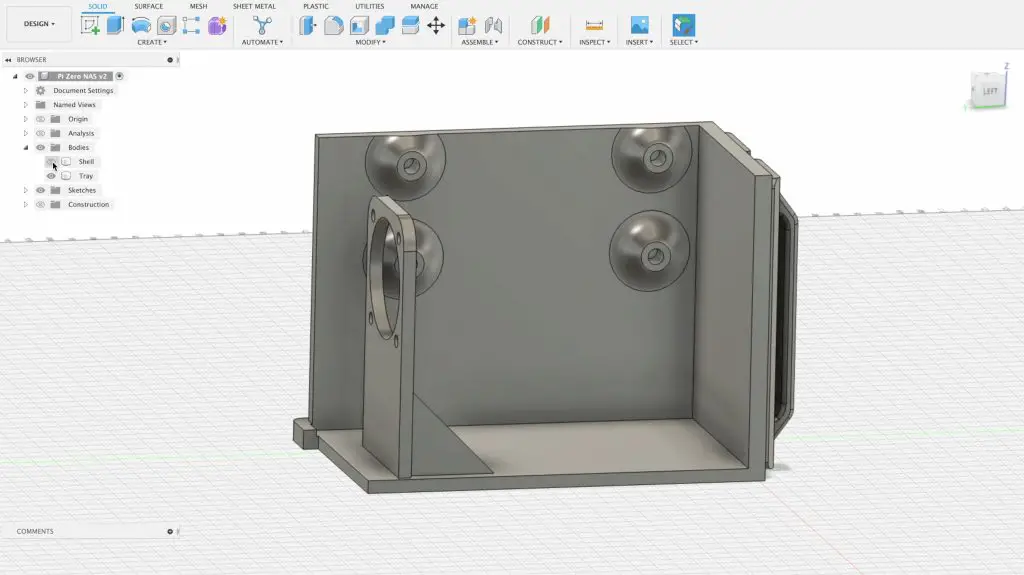
I made the enclosure into a two-part design, with the bays sliding out as a carrier tray for the internal components. The Pi, storage and fan will all be mounted onto this tray so that there is no need to worry about disconnecting cables or jumpers when sliding it out.

Pi NAS Tray

Finishing Off The Enclosure

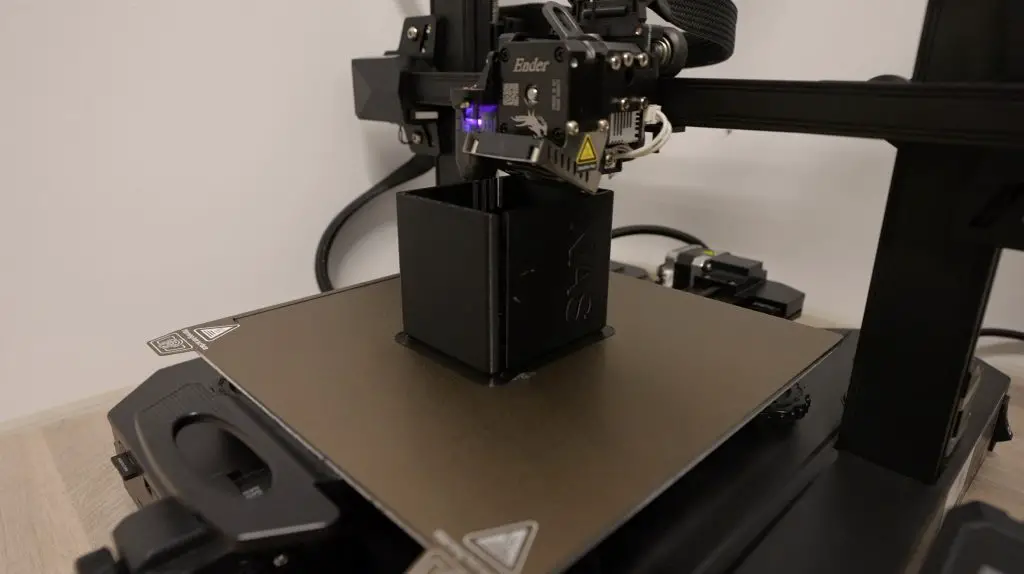
I 3D printed the two parts in black PLA on my Creality Ender 3 – it took about 19 hours to print both and used just less than a dollar’s worth of filament.

3D Printing The Housing

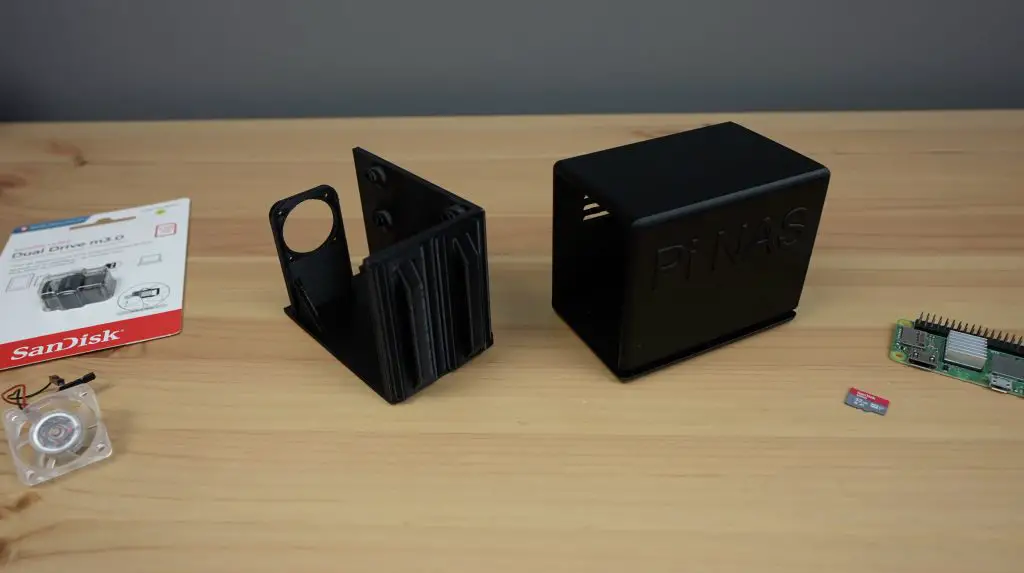
The two components can be printed largely without supports by printing the outer shell with the back wall on the print bed as shown in the photograph above and the inner shell in its standard orientation (oriented as shown on the desk below) with the bottom on the print bed

I removed the support for the fan cutout and brim, and the enclosure was then ready to mount the NAS components into.

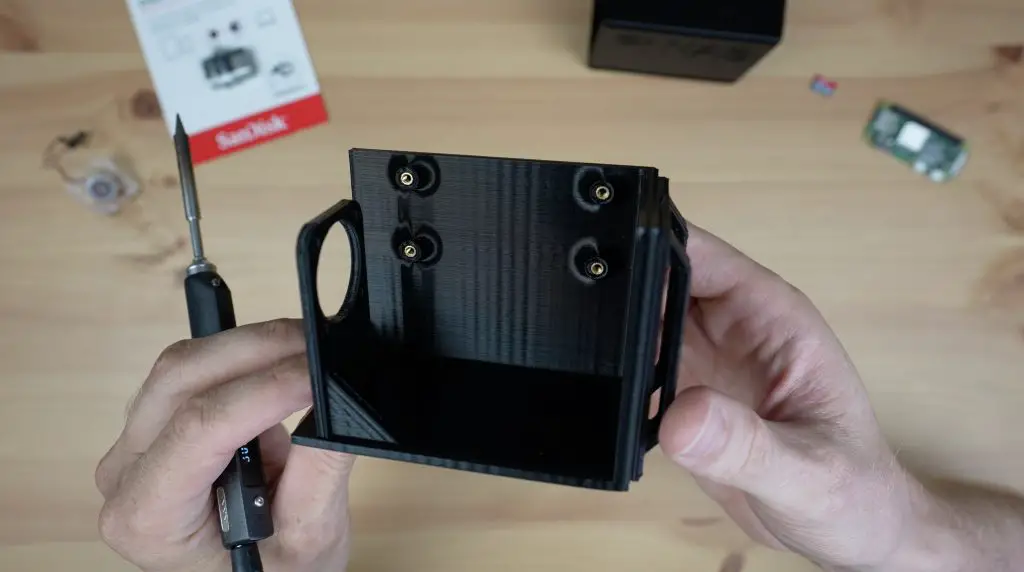
Housing Components 3D Printed

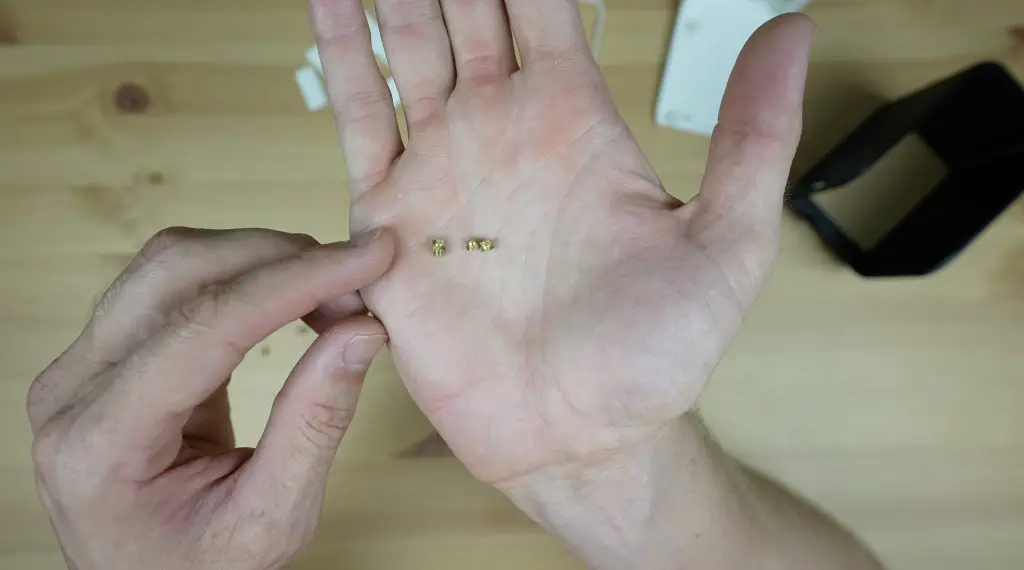
I designed two versions of the enclosure, one which you can screw the Pi directly onto and this version which requires some M2.5 brass inserts. The brass inserts make it a bit more durable and it’s easier to install or remove the Pi multiple times without stripping the threads. I have designed the tray around inserts that are 4.5mm long and 3.8mm in diameter.

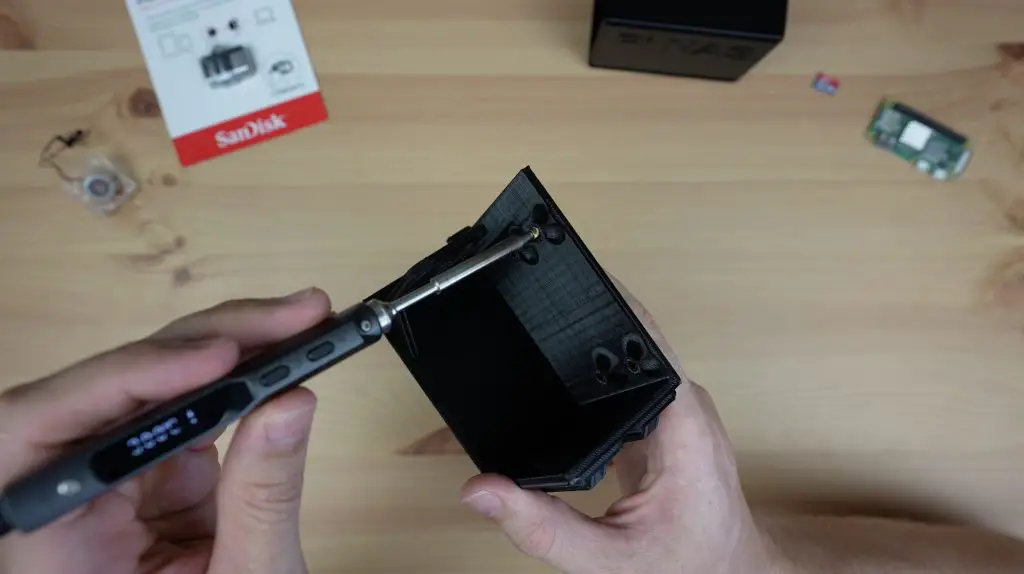
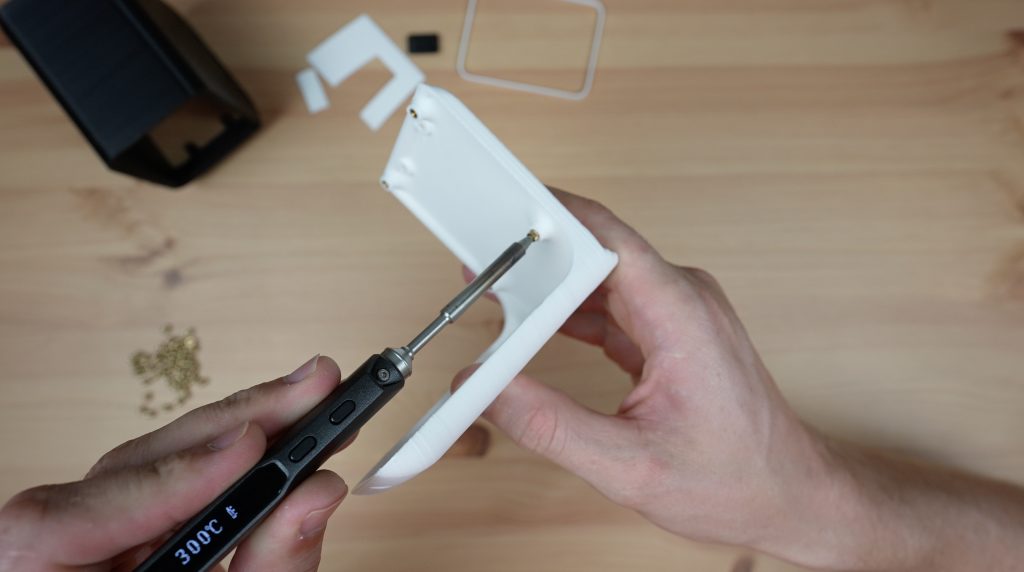
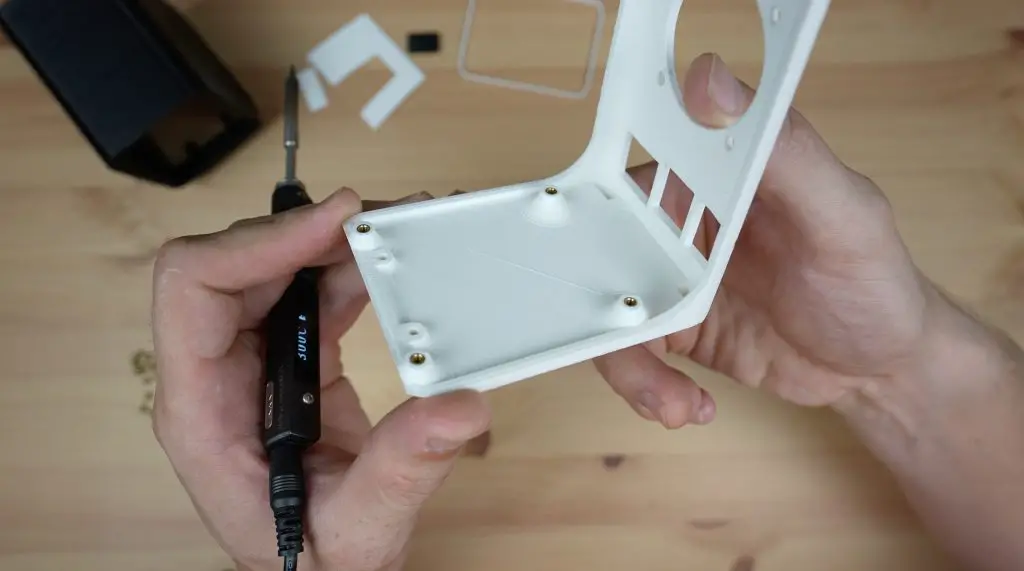
These brass inserts are melted into place using a soldering iron.

Installing The NAS Components

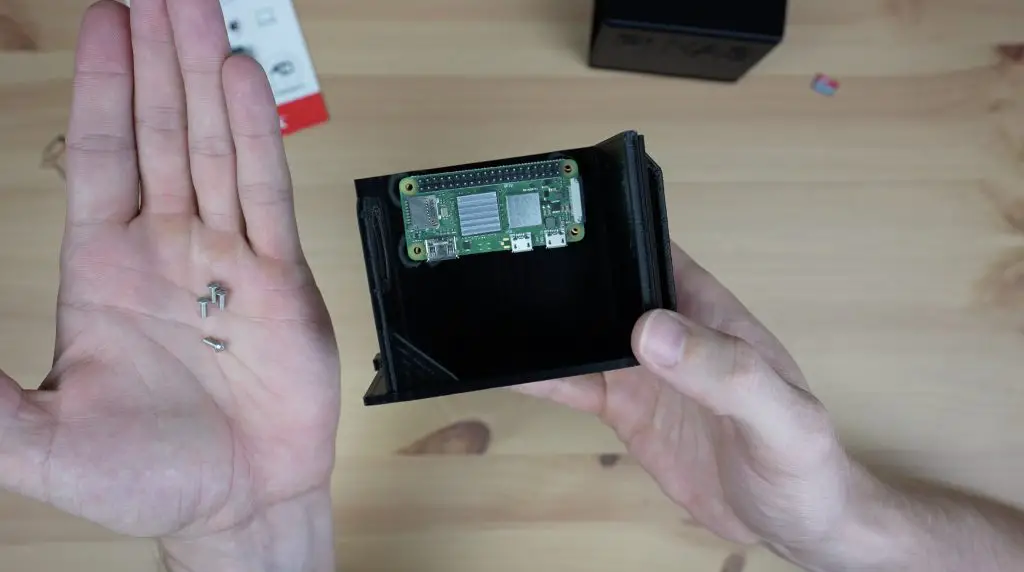
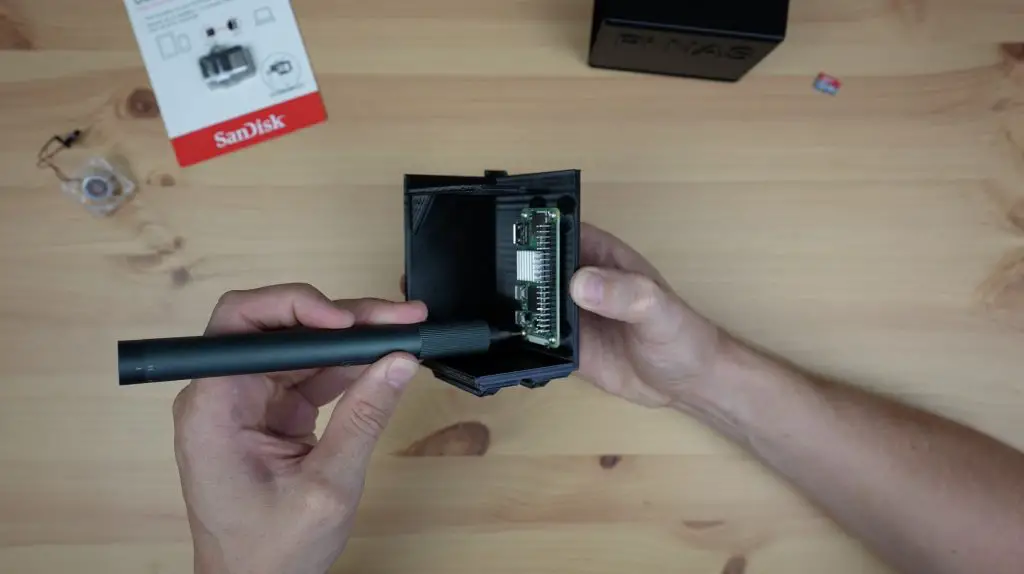
We can then mount the Pi onto the brass standoffs with some M2.5x6mm button head screws.

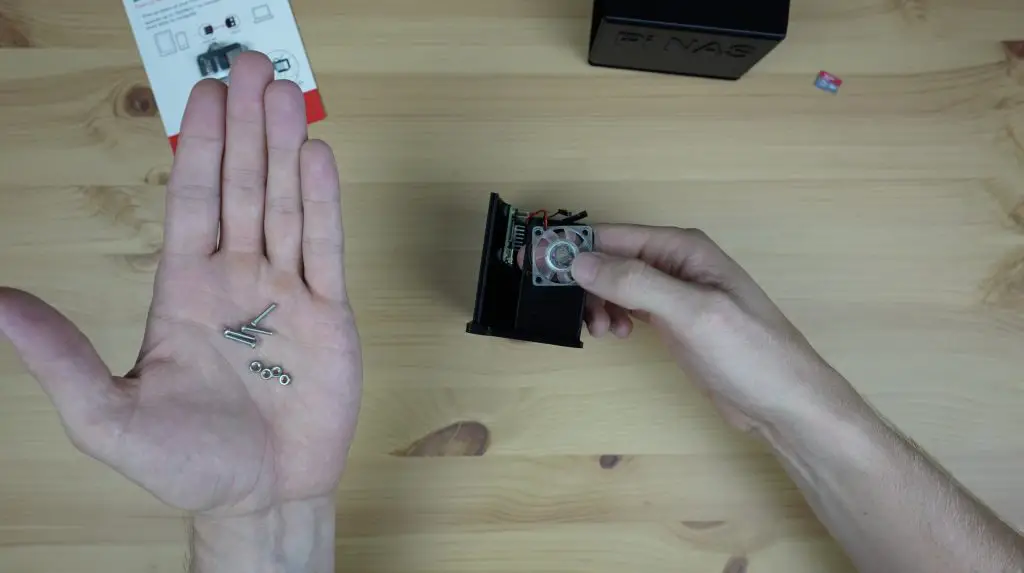
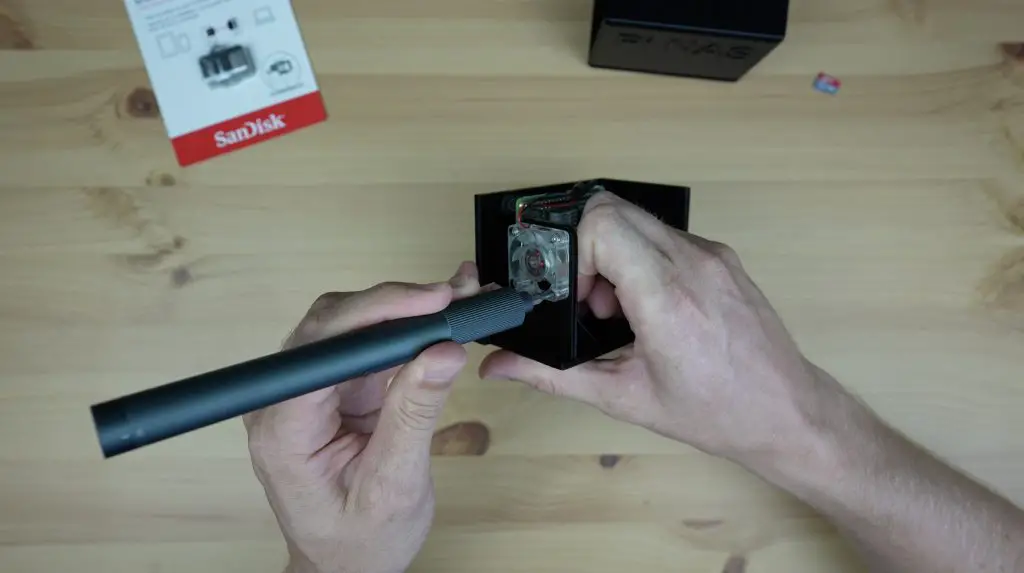
Now let’s mount the fan. I’m using the fan to pull air into the case and I’m mounting it using some M2.5x12mm button head screws and M2.5 nuts on the back.

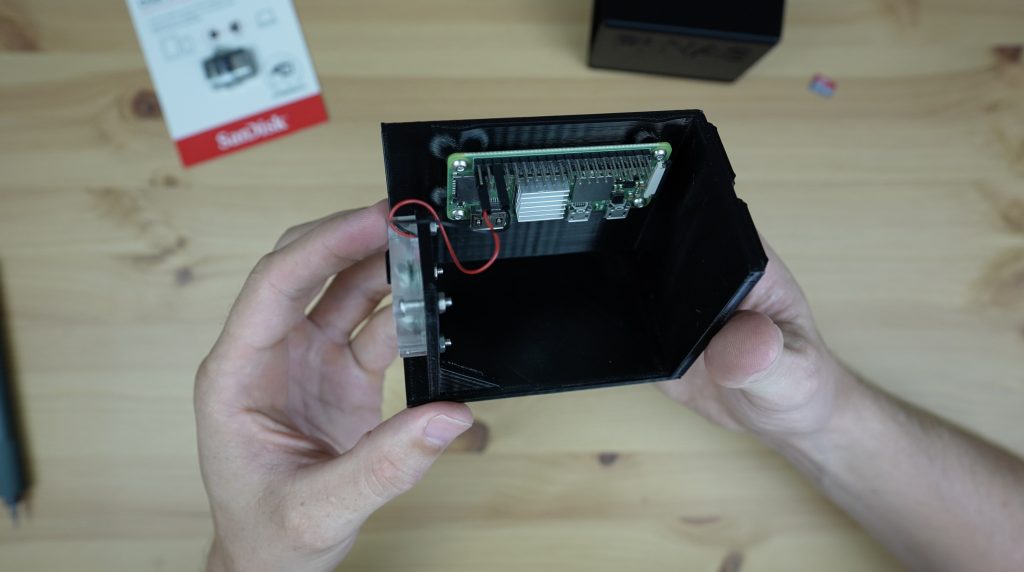
I’m plugging the fan into the Pi’s 3.3V and GND pins so that it runs a bit quieter than at 5V.

Connecting Fan To GPIO Pins

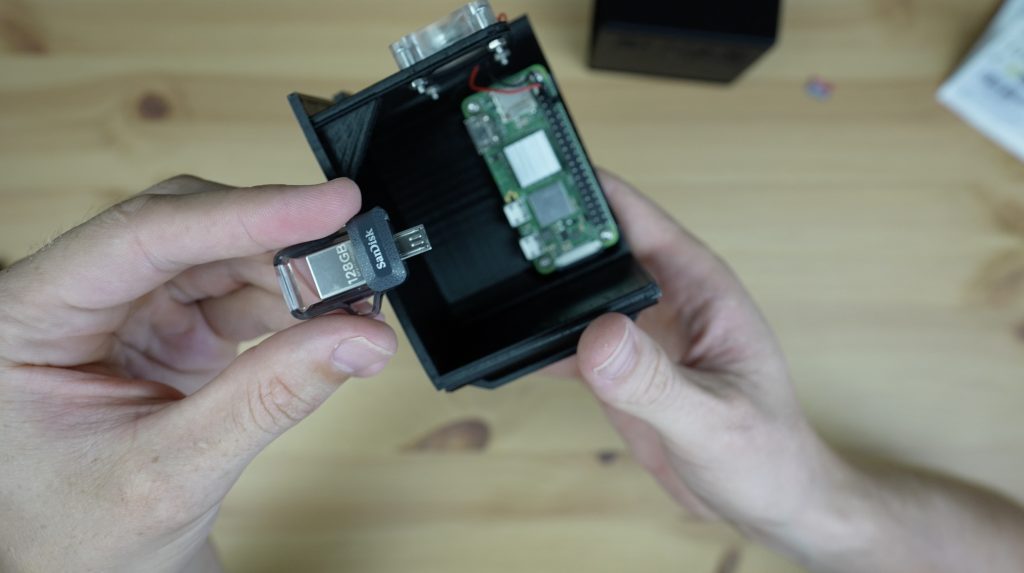
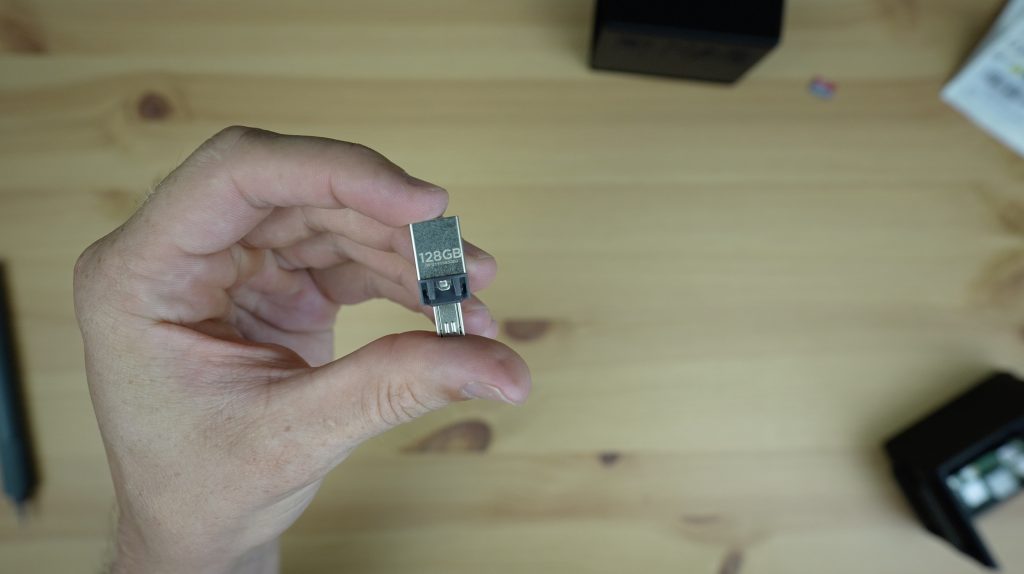
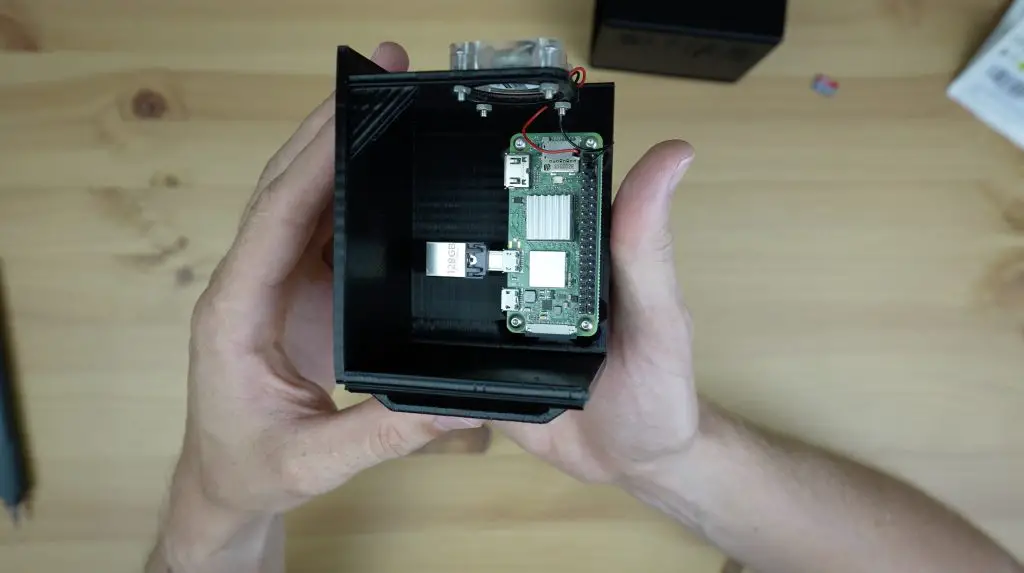
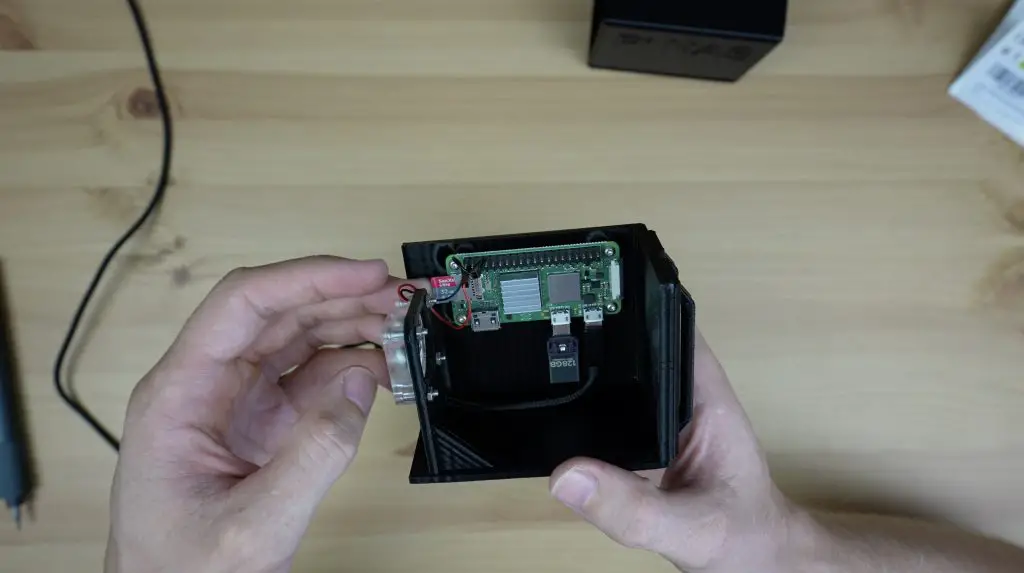
Next let’s install the drive. The housing on the drive that protects the USB ports gets in the way of the adjacent power cable, so I’m going to remove it by snapping off the grey slider cover.

Sandisk Drive Enclosure Clashes With Ports

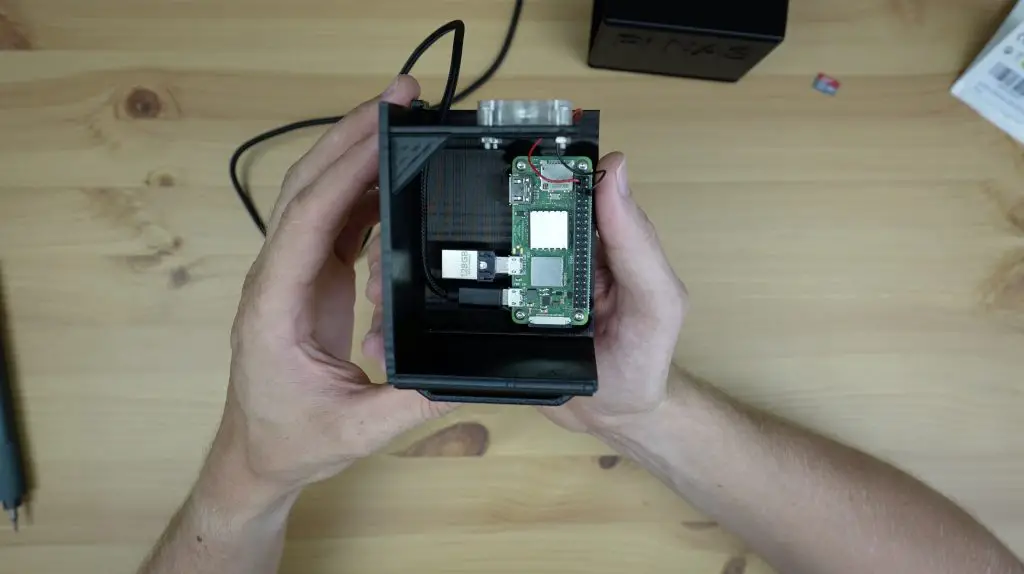
We can then plug the stripped-down drive into the Pi’s micro-USB port.

Next let’s add our power cable alongside it. There is a fair amount of room below the Pi for the USB cable to bend, but you might need to use a cable that has a flexible lead (like a braided lead) so that you aren’t putting strain on the port.

Power Cable Plugged Into Pi

Flashing The OS and First Boot

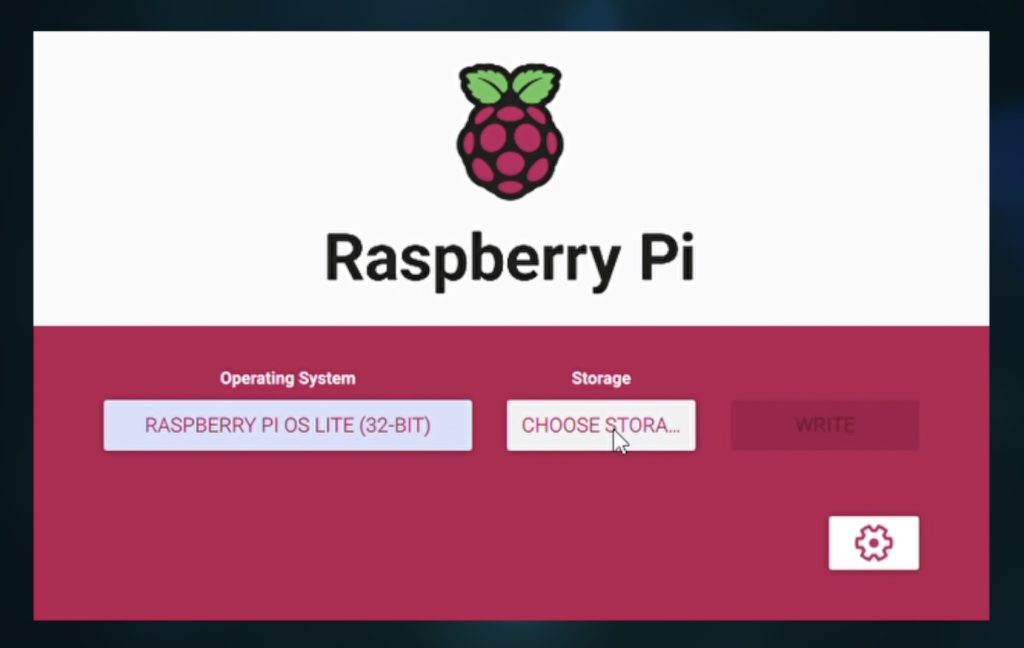
Lastly, we need to add our microSD card, which I’ve flashed with Raspberry Pi OS Lite using the Raspberry Pi imager.

Raspberry Pi Imager

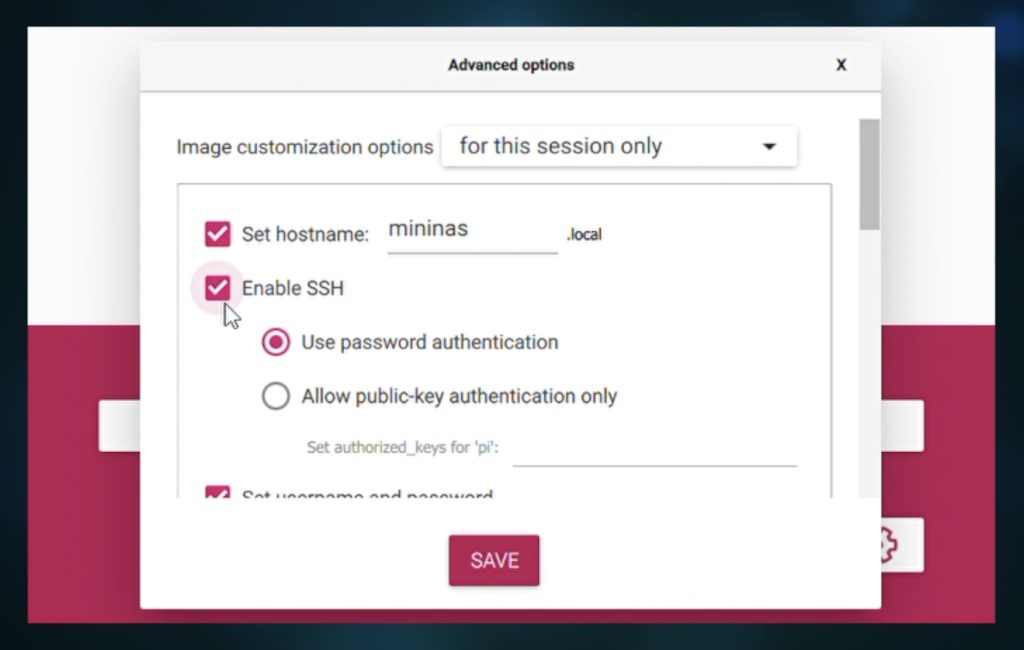
There are a few things we need to do in the settings tab before flashing the image. We’re going to be using this as a headless Pi, meaning we want to access it from another computer on our network to set it up rather than have to plug it into a monitor, keyboard and mouse as well. So we need to give it a name to identify it on our network. I’m going to call it miniNAS.

Imager Hostname Settings

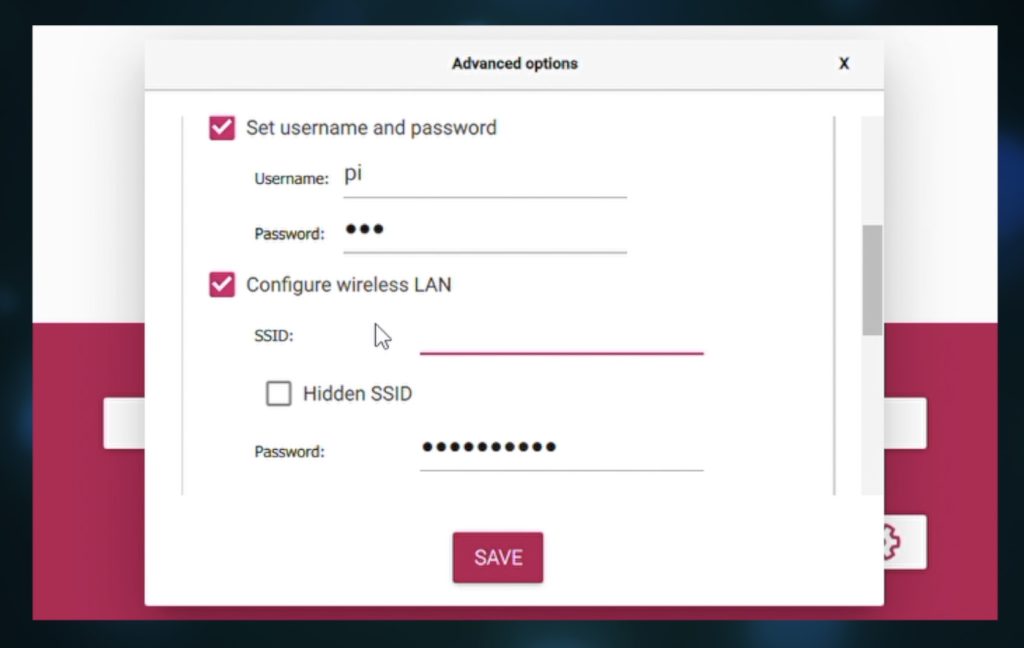
We need to enable SSH so that we can access it remotely. I’ll leave the username as pi but change the password. Then add your WiFi network name and password, and set your region.

Imager Username Settings

Make sure that you get these all correct or your Pi won’t connect to your network and you won’t be able to access it, so you’ll need to do this step again.

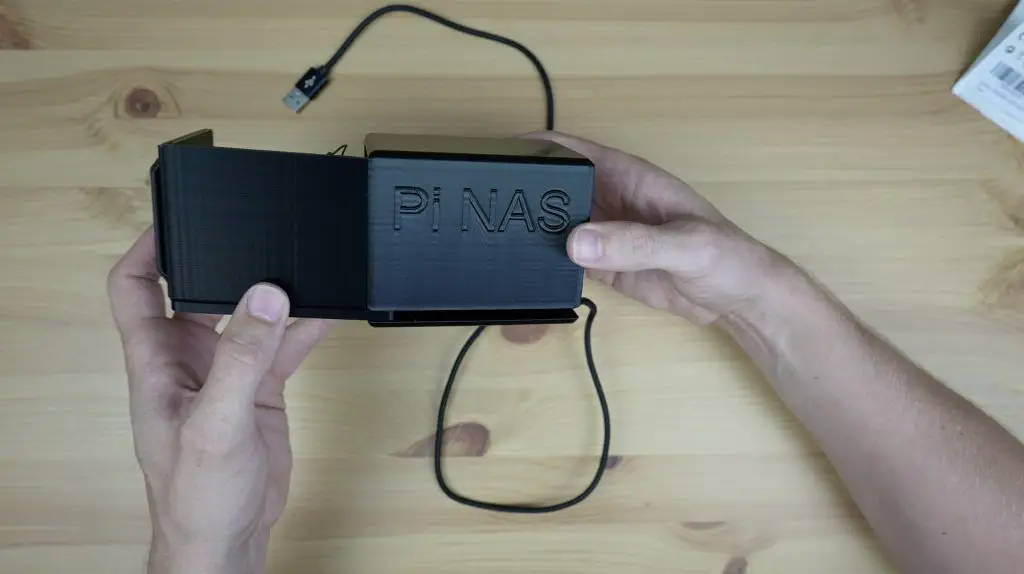
We can then put the microSD card into the Pi and that’s the hardware complete. So we can slide the tray into the housing and get it powered up.

Once your Pi is running, leave it for about 5 minutes to allow it time to run through the first boot and connect to your WiFi network.

Installing The NAS Software – OMV

We then need to find the IP address of our Pi. We can do this through our router’s DHCP table or by using a utility like Angry IP scanner. We’re looking for a Raspberry Pi or device called miniNAS that recently joined the network.

Router's DHCP Table

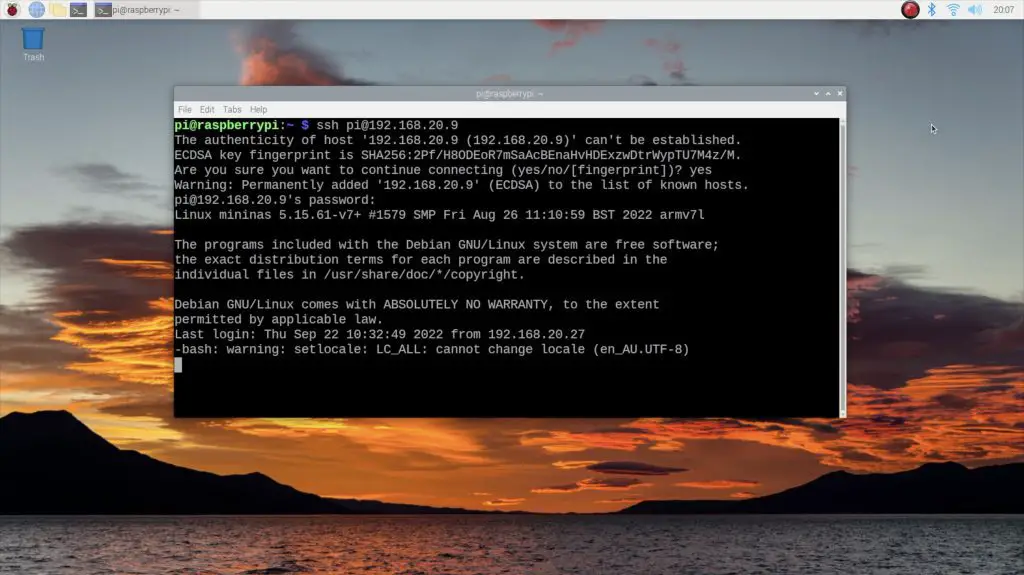
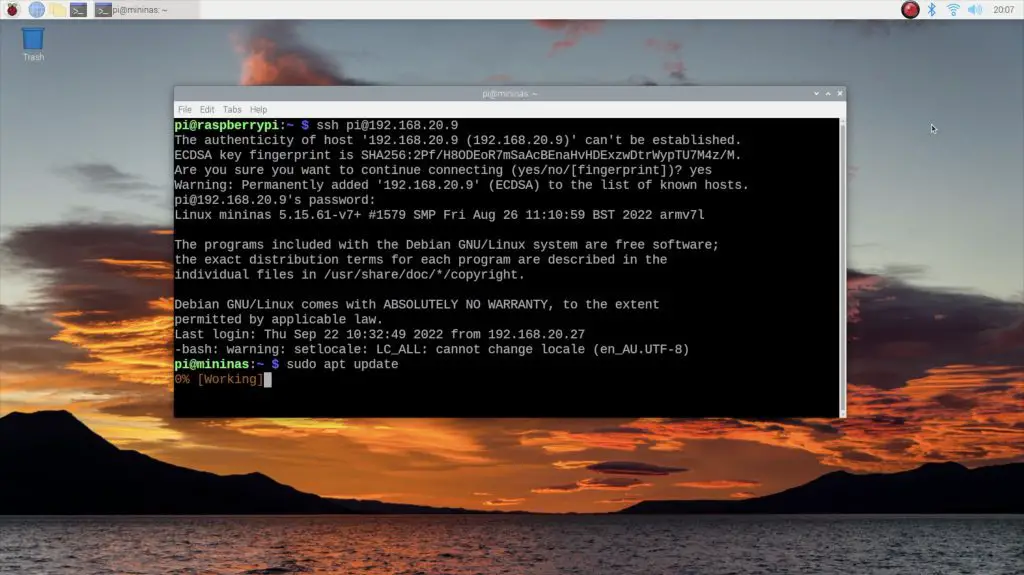
With the IP address, we can then SSH into the Pi to continue setting it up. I’m going to use the terminal on a second Raspberry Pi for this, you can also use a utility like Putty to do this from a Windows PC.

Enter the following command to ssh into the pi:

ssh pi@<Your IP>
SSH Into Pi Zero

We’ll need to enter the username and password that were set up when flashing the microSD card and we then have access to the Pi.

Next, let’s run a quick update by entering:

sudo apt update
sudo apt upgrade
Updating Pi Zero 2 W

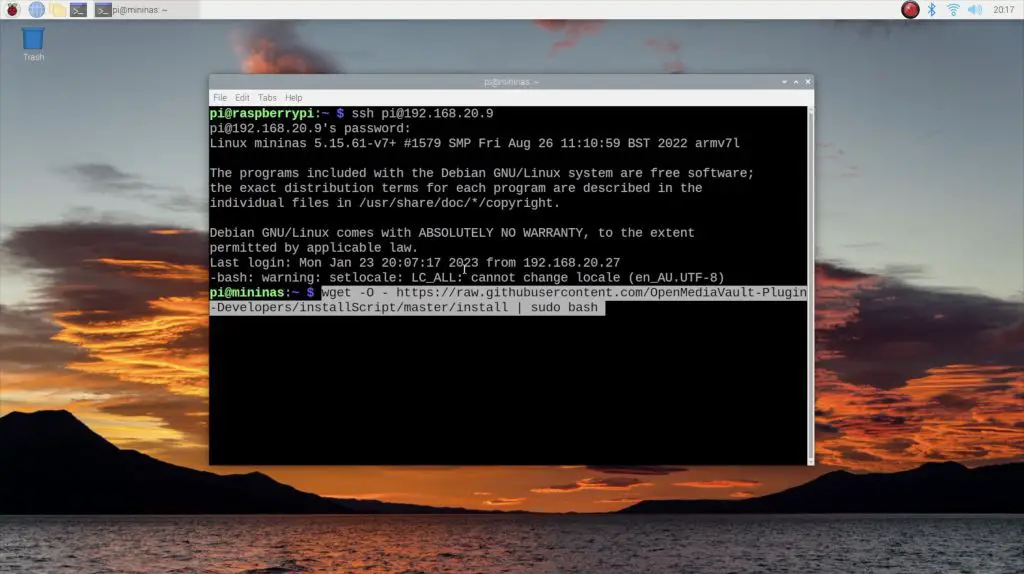
Then enter this command to download and run the Open Media Vault install script – this will install and set up everything needed to run Open Media Vault on the Pi:

wget -O - https://raw.githubusercontent.com/OpenMediaVault-Plugin-Developers/installScript/master/install | sudo bash
Installing OMV With Script

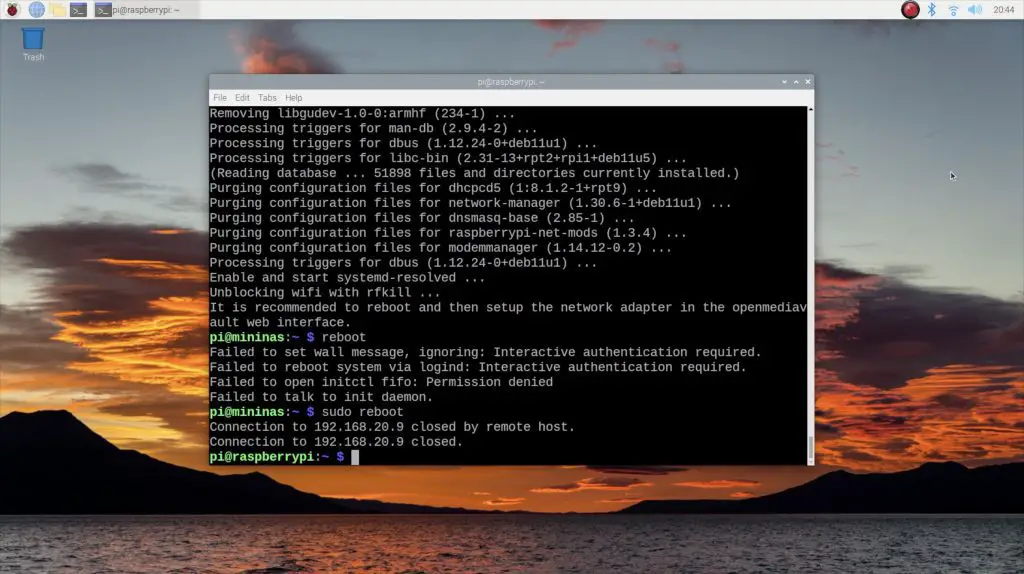
When it finishes, it’ll recommend restarting the Pi. Do not do this or you’ll have wasted the last half hour of your life like I did because the OMV setup disables the WiFi connection by default so you’ll then either need to start again by re-flashing the OS image, or find a way to add an Ethernet adaptor to the Pi to be able to access it again.

Reboot After OMV Install

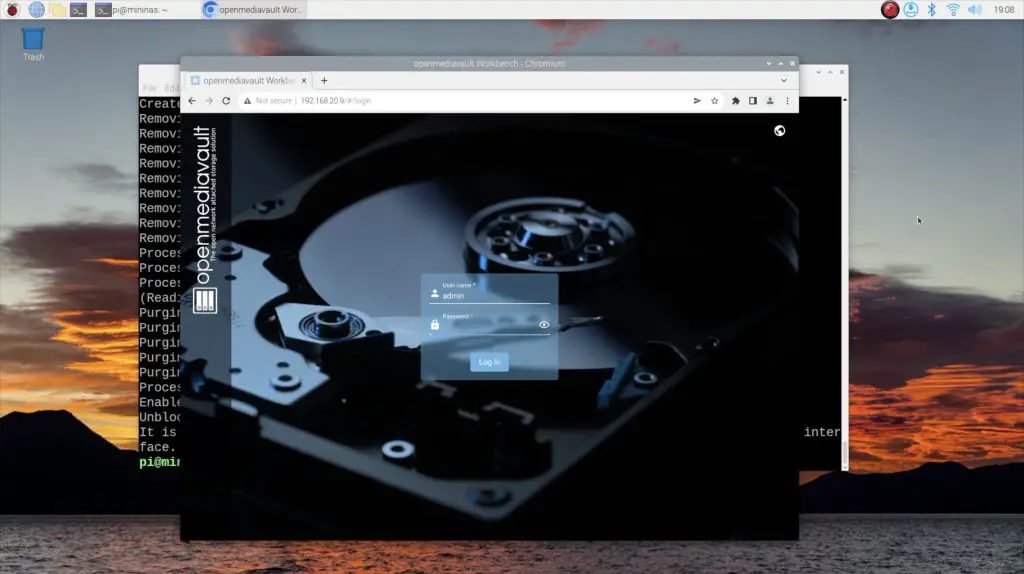
I reflashed the card and landed back at the above screen a while later. From here you can go into the OMV workbench through a browser by going to the Pi’s IP address. You’ll be prompted for a login, which is “admin” and “openmediavault” by default.

OMV Login Screen

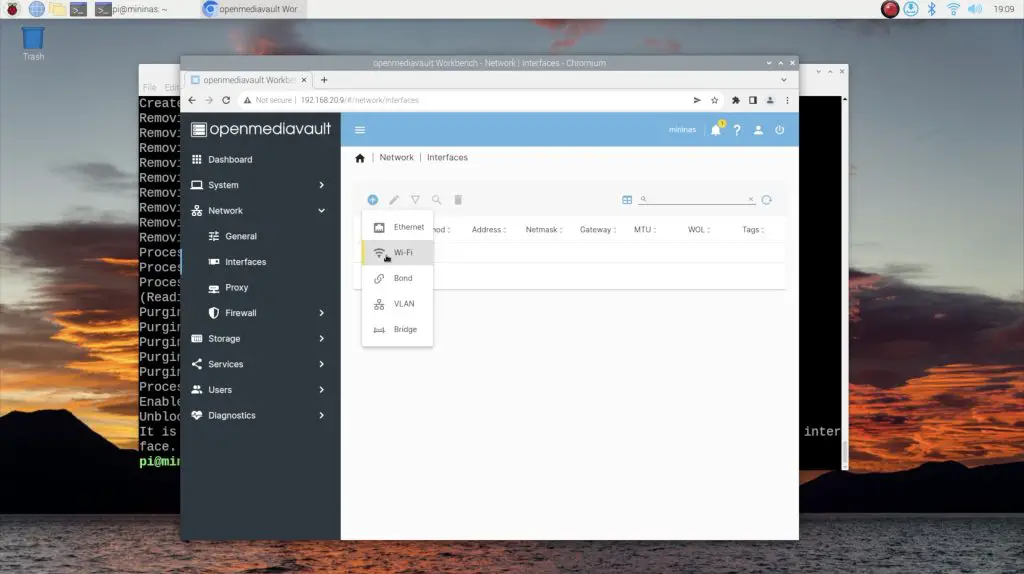
You can then go to Network and Interfaces and then recreate your WiFi network connection. You’ll also need to click on the tick in the yellow box to apply the changes for them to take effect.

OMV WiFi Setup

I also did this through OMV first aid in the terminal although I’m fairly certain you don’t need to do both, but I didn’t want to take a chance and have to start again for a third time.

sudo omv-firstaid
OMV First Aid Setup

Setting Up OMV

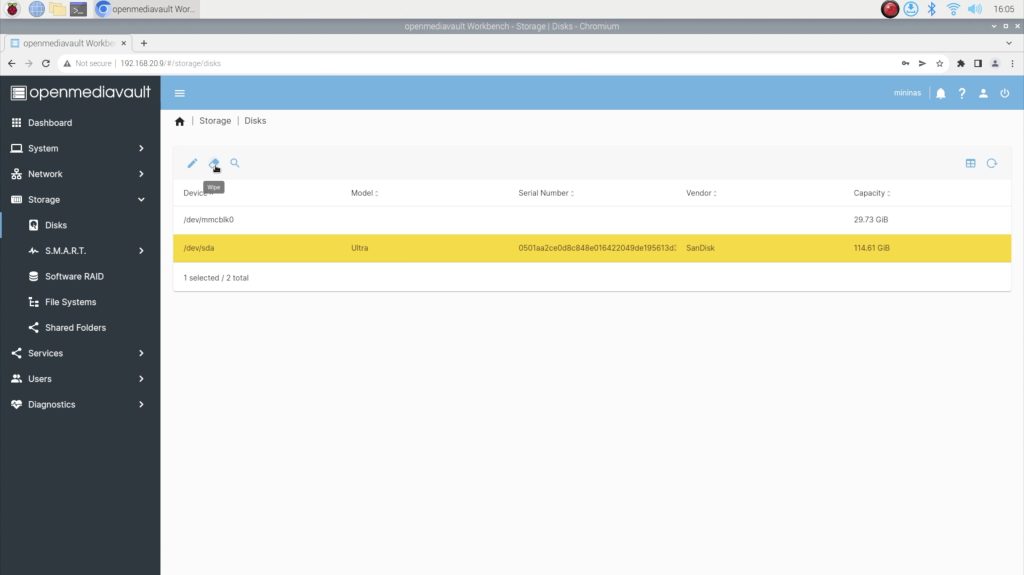
Once restarted, we can move on to setting up OMV. I’m going to go over this quite briefly here but PiMyLifeUp has a good guide if you’d like to follow along. We essentially need to wipe and mount our storage drive, which is our 128GB Sandisk drive:

OMV Drive Wipe and Mount

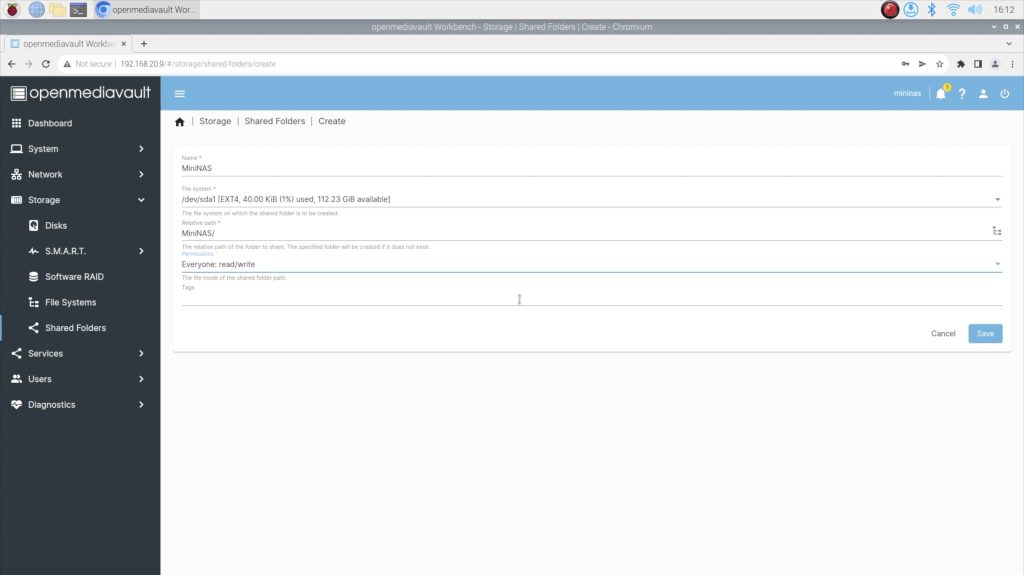
Then create a shared folder on our drive called MiniNAS for our files to be saved in:

OMV Created Shared Folder

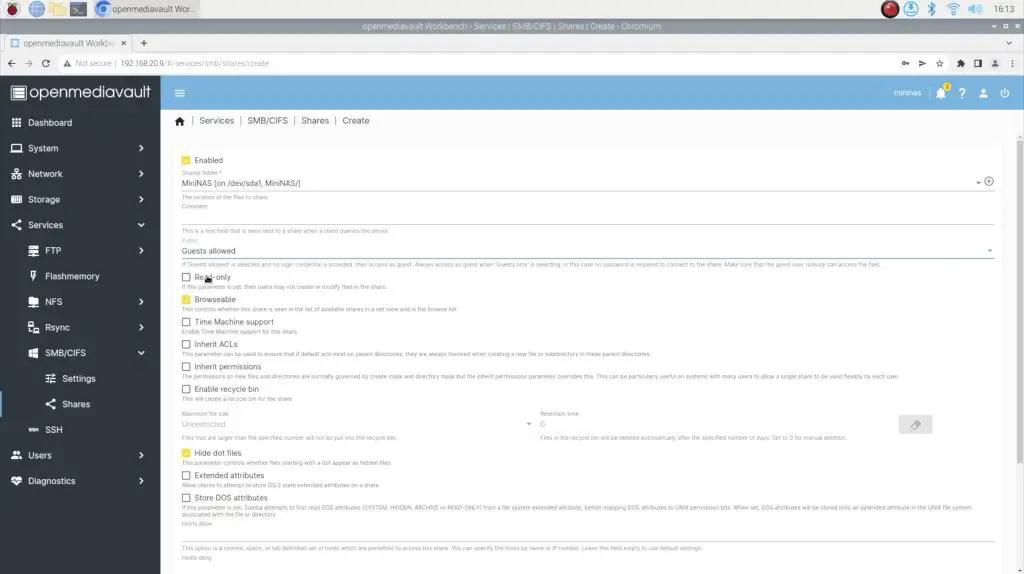
And finally, enable a sharing service for access through windows:

OMV Create Sharing Service

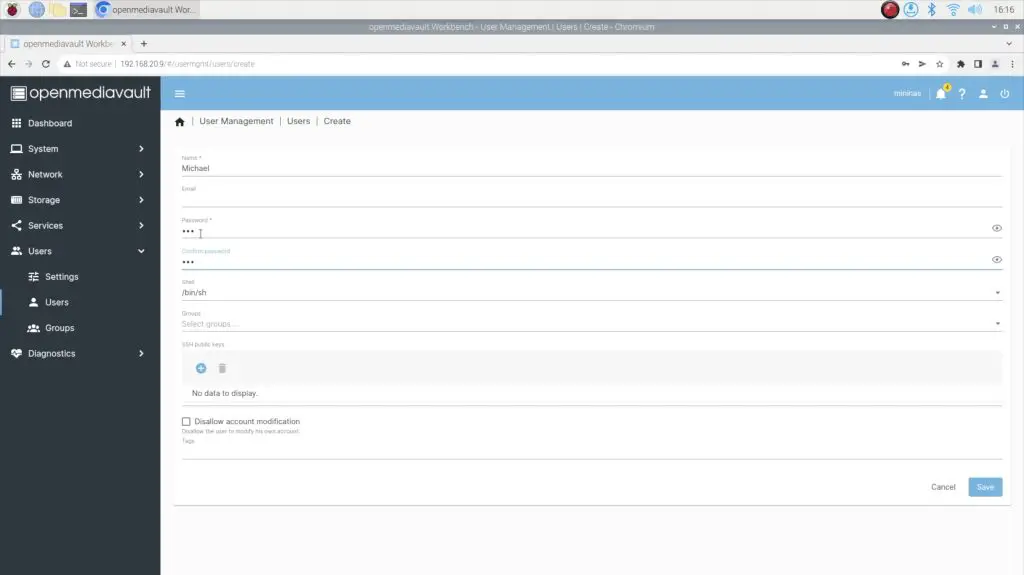
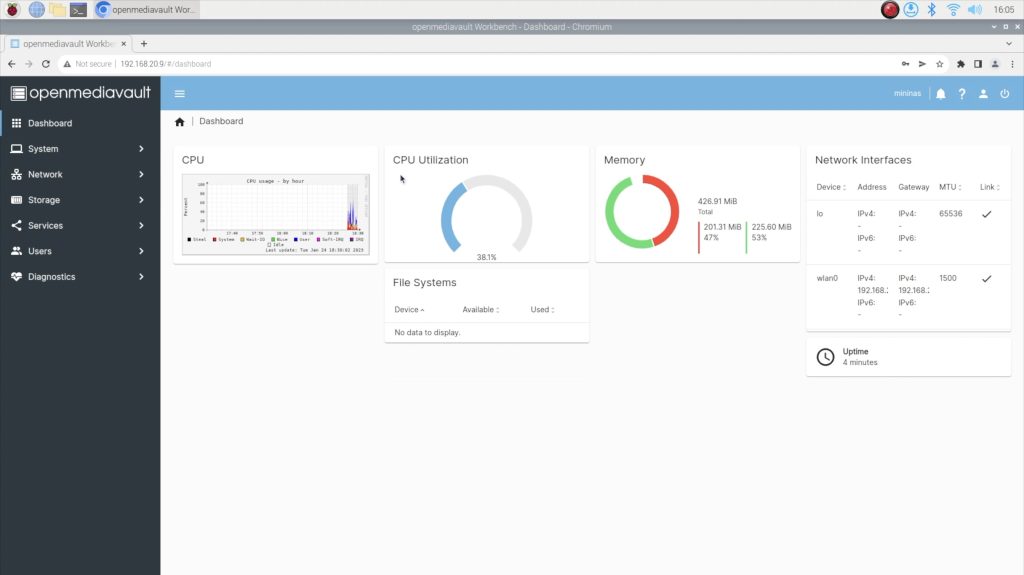
You can also create user accounts with different access rights to each folder that you create and set up a dashboard to monitor your miniNAS through this web interface.

Testing The Cheap NAS

Now that we’ve got OMV set up and running, let’s try it out and see how good, or rather how bad it is.

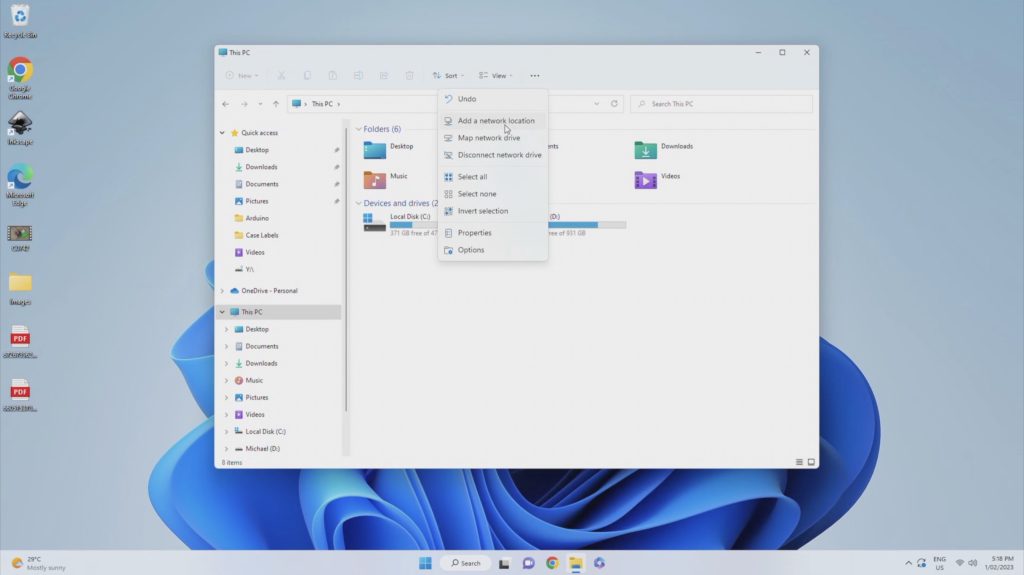
We first need to add our shared folder as a network location. This depends on the operating system you’re using but can be done from the top bar in your file browser on Windows 11:

Add A Network Location Windows 11

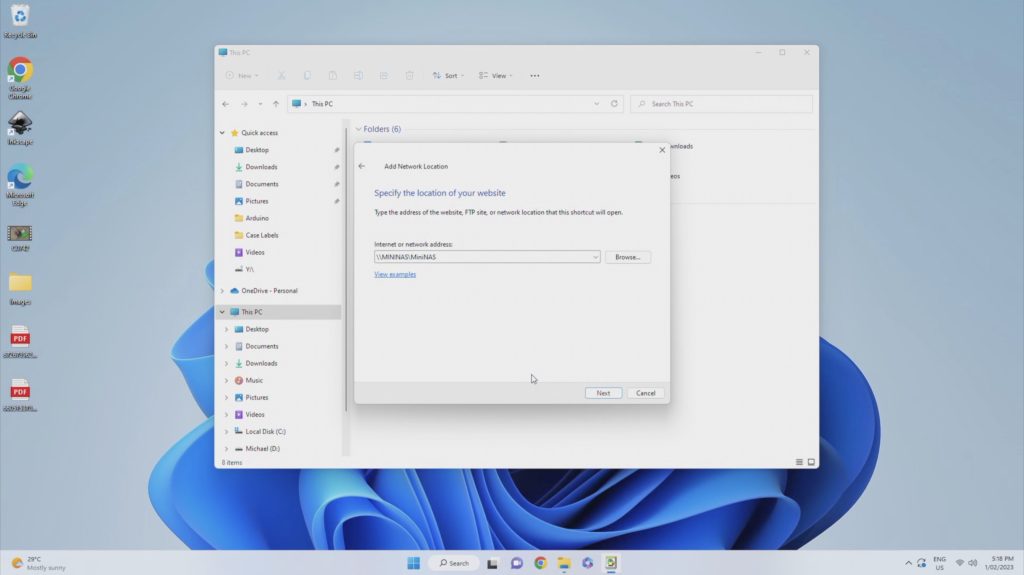
Then enter your shared folder’s network location address or use the browse button to find it:

Adding The Pi NAS Shared Folder

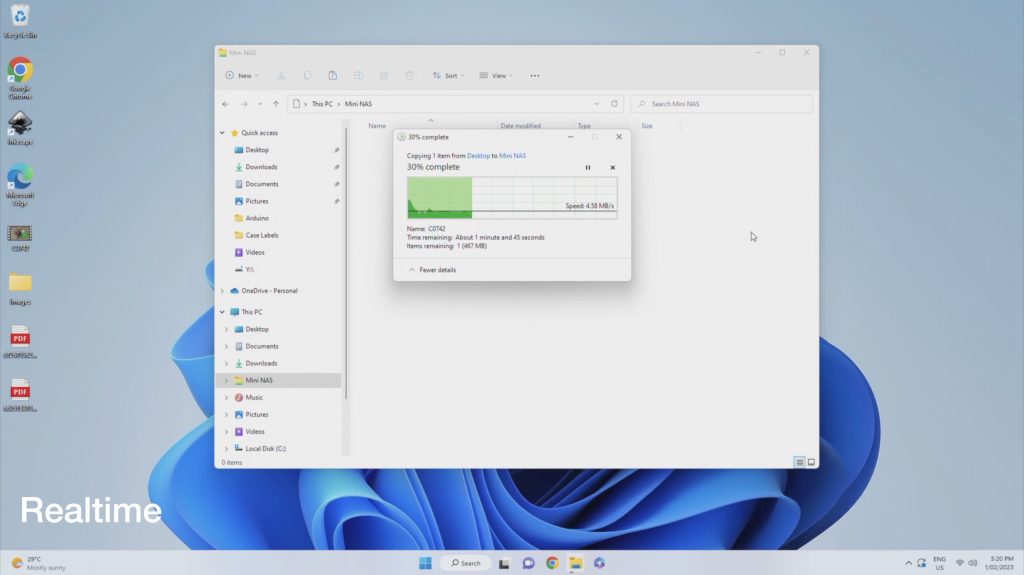
Once we have access to it, we can then try copying some files across to the NAS. Let’s start by trying to copy a 600 MB video file and see what speeds we get.

NAS Test Copying Speed

It seems to stabilise at an average of around 4.5MB/s. This is a bit less than I was expecting, but honestly isn’t terrible. It’s obviously not great for large files like this but if you want an easy network location to store documents and small files then this is quite usable.

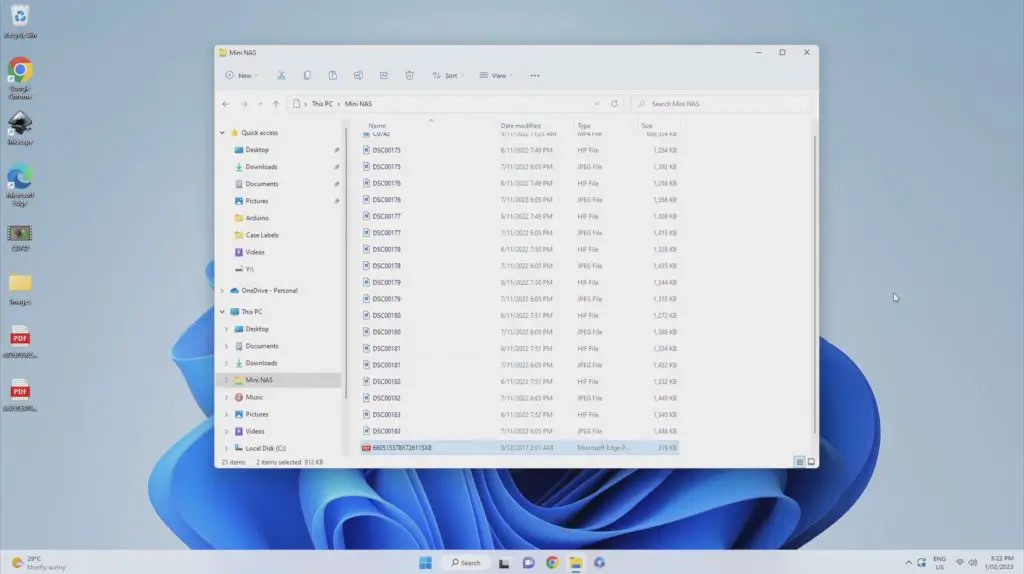
NAS Test Miultiple Files Copied

I still need to do some experimenting with the speed to see where the bottleneck is as I expected this to be a bit closer to 10-15MB/s since the WiFi and USB speeds on the Pi Zero 2 W should manage significantly more than the 4.5MB/s I’m currently getting. But in any case, we have a perfectly functional NAS that cost $35 to build and we can easily add more storage, or more reliable storage in the future if we’d like to.

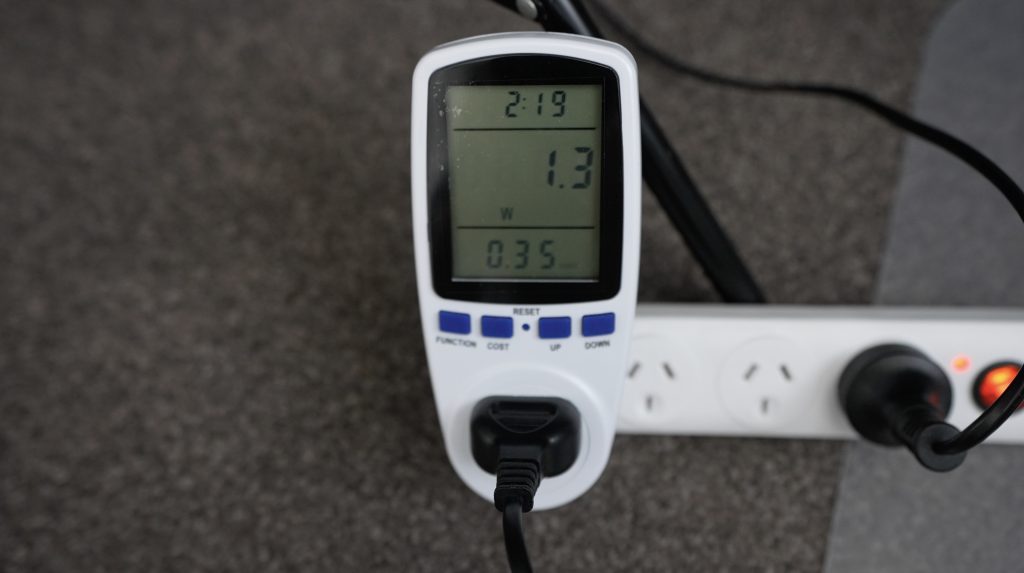
Another interesting aspect of this NAS is that it runs at just over 1W, so it’ll run for an entire year and only consume a few cents to a dollar’s worth of electricity.

NAS Power Consumption

Let me know what you think of my budget NAS in the comments section below and let me know what you think the first upgrade should be.

I 3D Printed A Raspberry Pi Case That AI Designed

I’ve recently watched a few videos where people have been experimenting with Dream Studio’s AI image generator. So, I thought I’d try giving it a few prompts to generate interesting desktop computer case designs that I could turn into a new case for my Raspberry Pi.

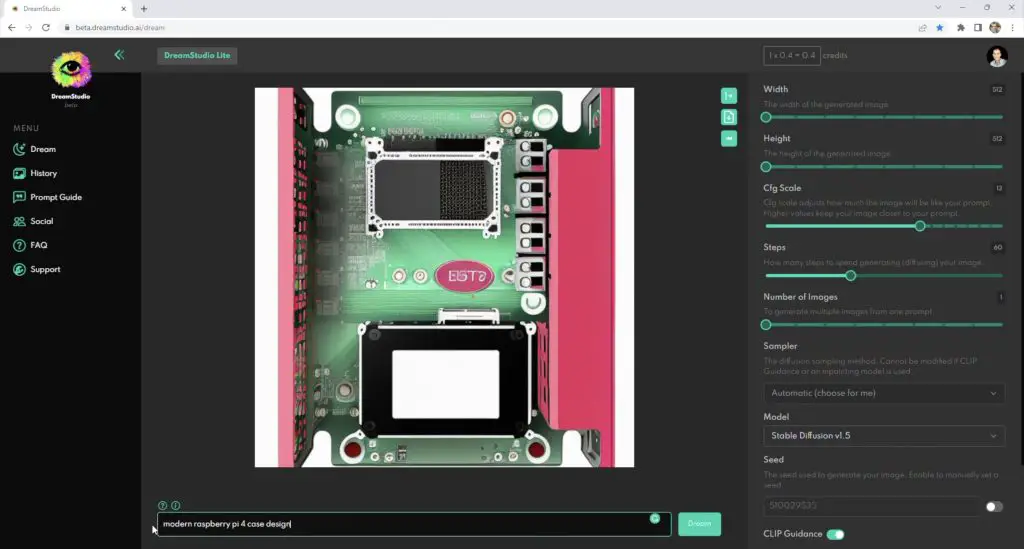
Like with any software package, there was a bit of a learning curve in getting meaningful results out of it. I quickly discovered that putting the words “Raspberry Pi” into the prompt typically resulted in some sort of green PCB showing up in the image – which didn’t resemble a Raspberry Pi at all and wasn’t all that useful for an enclosure.

DreamStudio - Raspberry Pi Prompt

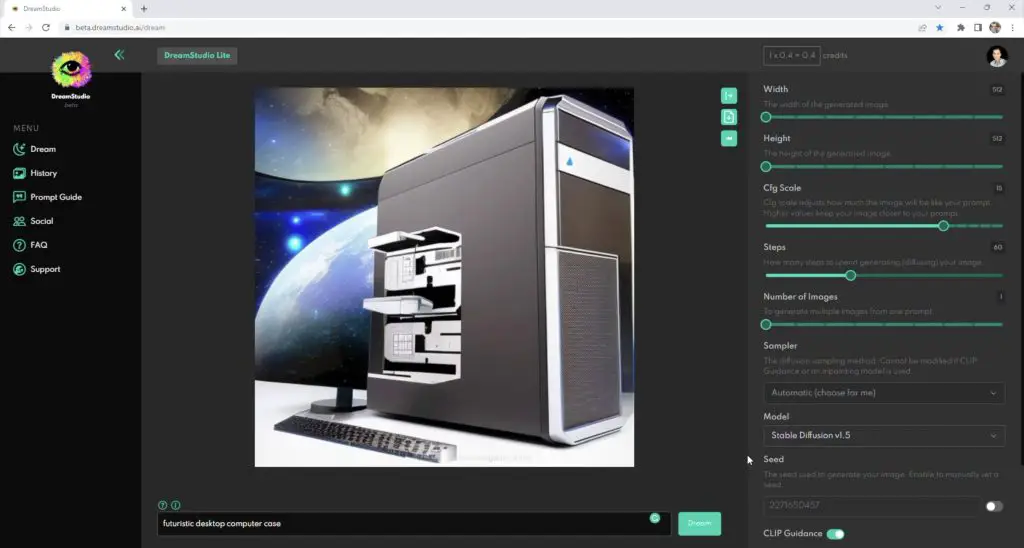
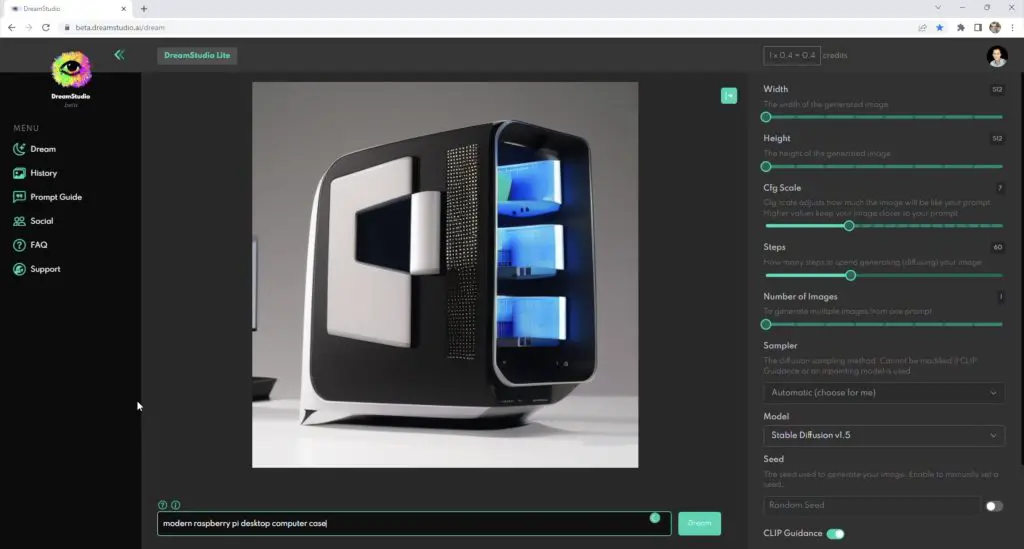
I had better success using prompts along the lines of “desktop computer case” or “mini desktop computer” with words like “modern”, “futuristic” or “high tech”.

DreamStudio - Desktop Computer Case Design

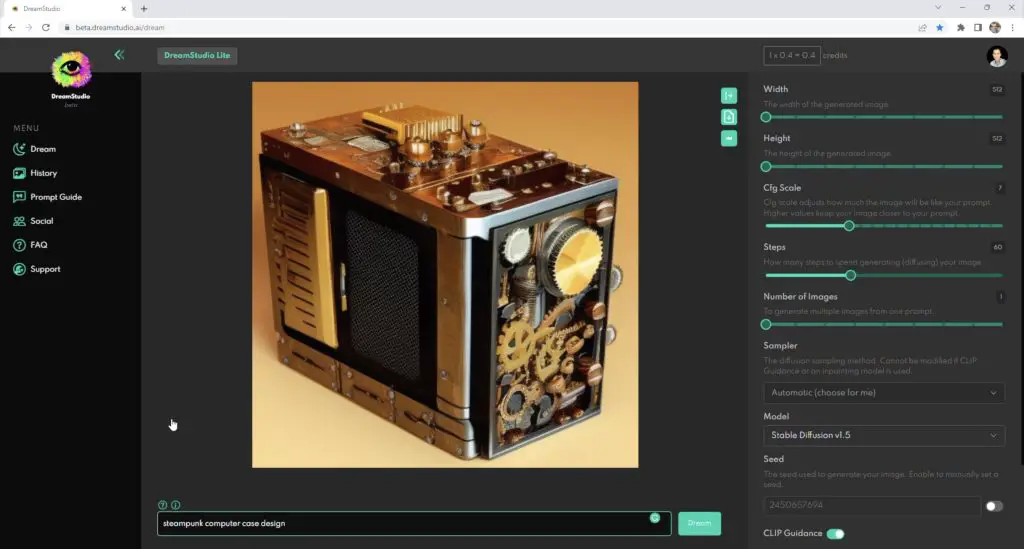
Steampunk designs came up with some interesting results as well. I quite like this design that came up and might try to turn this into the case as a future project – this might be a project to get my resin printer out for.

DreamStudio - Steampunk Case Design

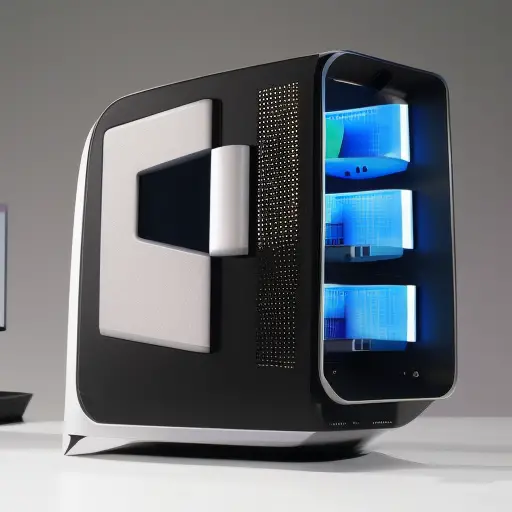
After an hour or so of generating images, I eventually got a few images that looked like they could be used for a case design, and this is the design that best caught my eye. So, I’m going to try to model this design and then adapt it to house my Raspberry Pi.

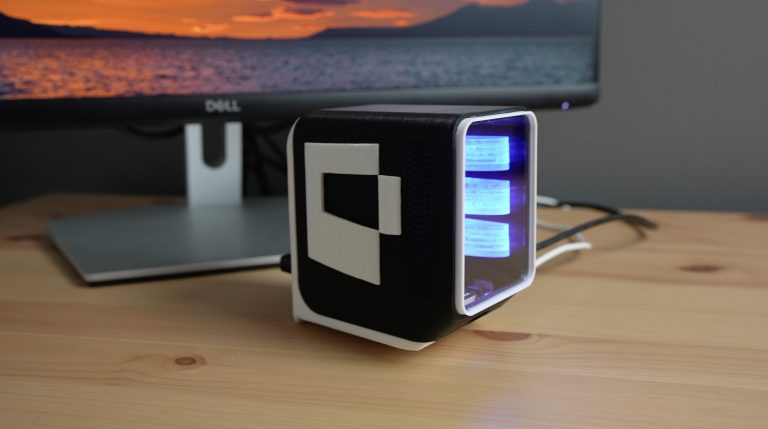
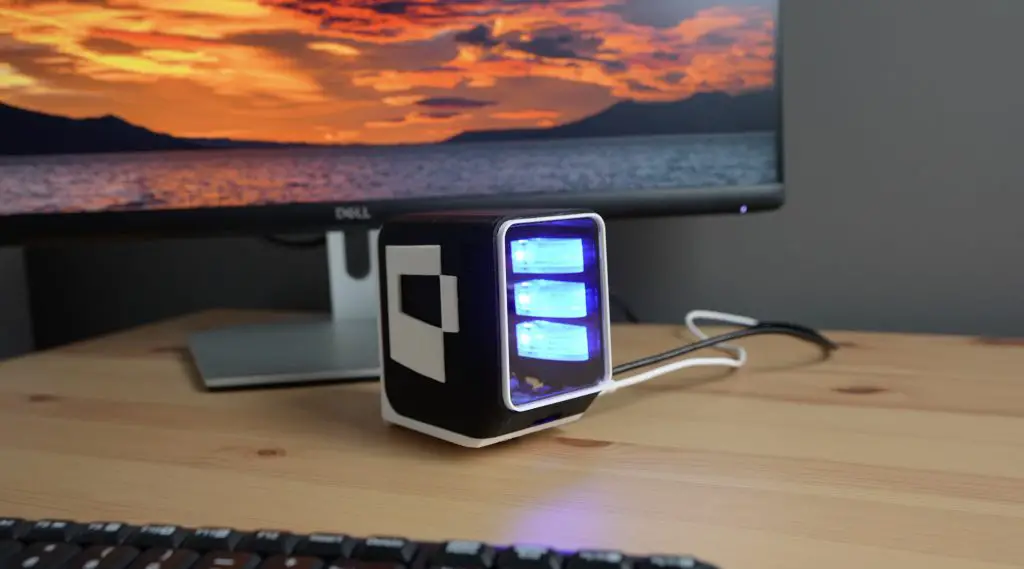
Dreamstudio AI Raspberry Pi Desktop Case Design

Here’s my video of the project, read on for the written guide:

What You Need For This Project

Tool & Equipment Used:

  • Creality Ender-3 S1 Pro – Buy Here
  • Gweike Cloud Laser – Buy Here
    • Use my discount code MK200 on checkout to get $200 off
  • Electric Screwdriver – Buy Here
  • TS100 Soldering Iron – Buy Here
  • Knipex Wire Strippers – Buy Here

Some of the above parts are affiliate links. By purchasing products through the above links, you’ll be supporting my projects, at no additional cost to you.

Modelling The AI Case Design

The AI design looked simple enough to 3D print but there are a couple of issues that I’ll have to work through. I’m not really sure what’s going on at the base of the case, it seems like part of the case is touching the desk at the front but then looks like it’s elevated at the back. So I have to work through these when modelling the case.

AI Design small desktop computer futuristic design

To draw up a 3D model of the design, I used Autodesk’s Fusion360.

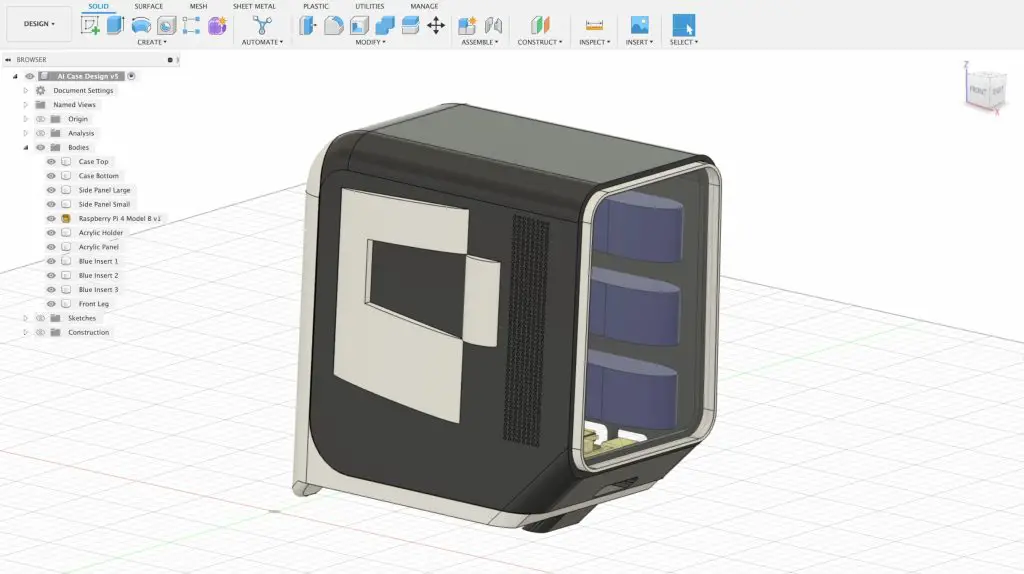
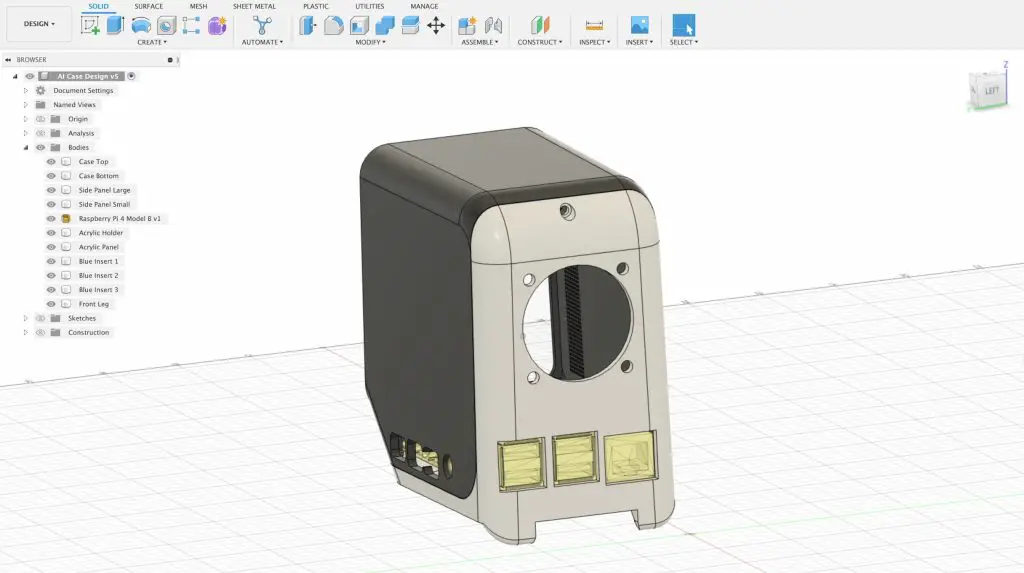
I started off getting the general shape looking like the AI image. I then hollowed it out, and added the exterior features and a window at the front. I then dropped the Raspberry Pi in and made the port cutouts on the back and sides.

Fusion360 Modelling Of AI Generated Computer Case Design

To cool the Pi, I added a cutout to mount a 40mm fan onto the back of the case. This will push cool air into the case and it will then exhaust through the fine vents on the side and the gaps around the ports.

40mm Fan Cutout On Back Of Raspberry Pi AI Case

Download The CAD Files – Pi Case CAD Files

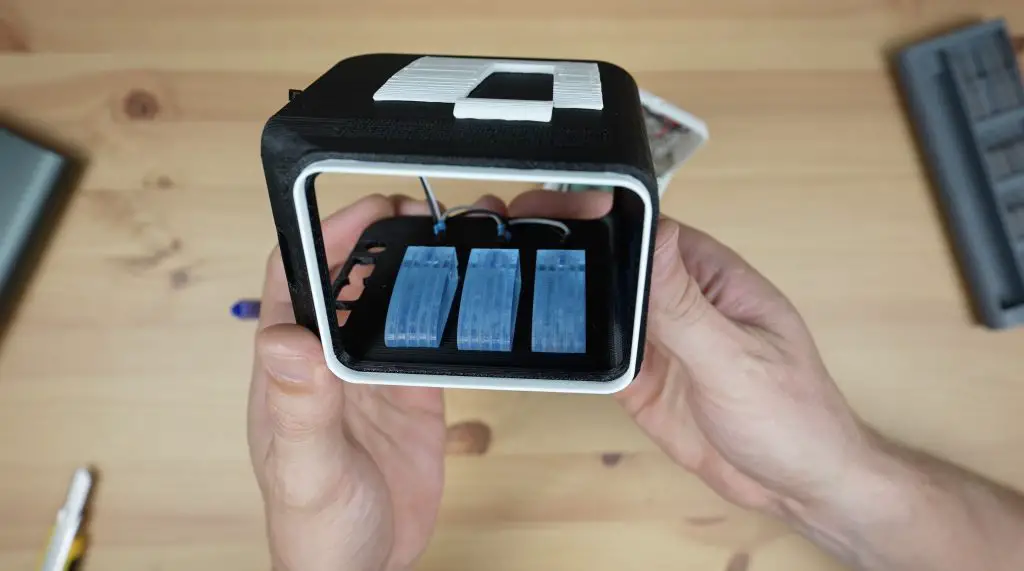
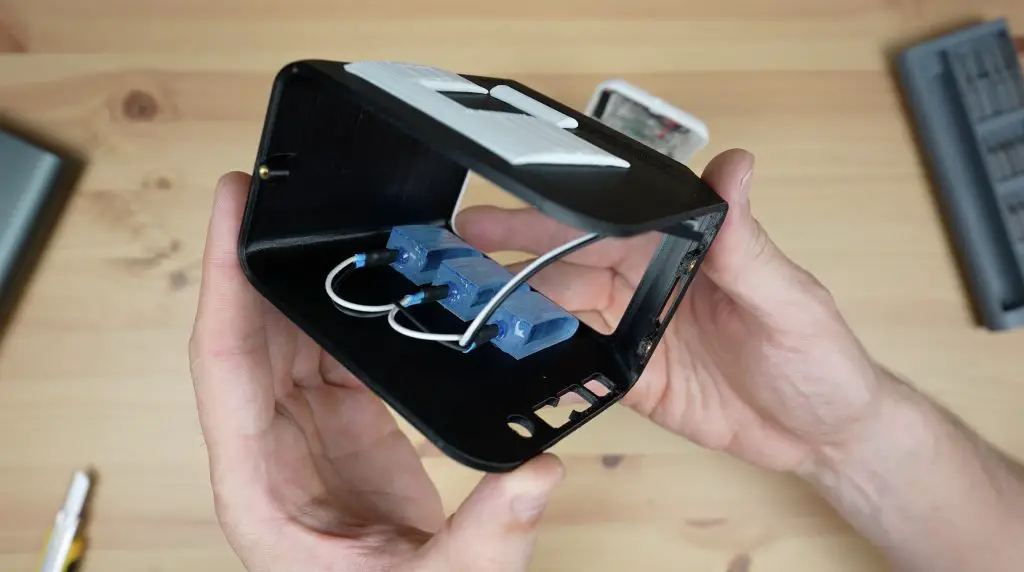
I’m not sure what the blue things inside the case are intended to be, but I’m going to cut those from some blue acrylic and stick them inside the case along with some small LEDs to light them up.

I’ve split the design up into a few different parts so that I can print them in black and white separately as I don’t have a dual extruder printer.

Making Up The AI Case Components

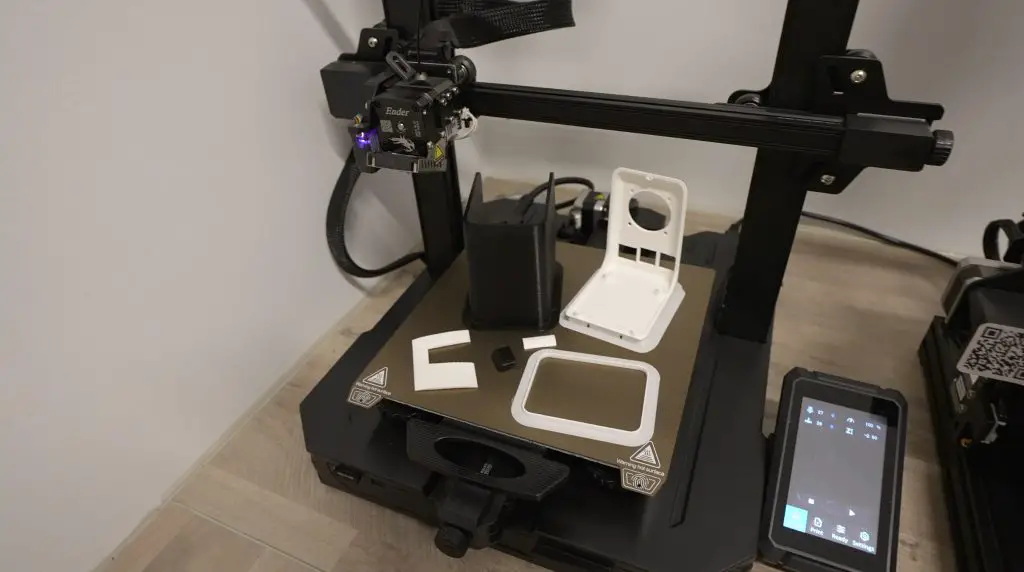
I printed the case components out individually in either black or white PLA. The bottom half of the case was a bit of a challenge to print with the small legs at the back. I tried a couple of orientations but eventually printed it upright with printed supports along the whole base.

3D Printed Raspberry Pi Case Components

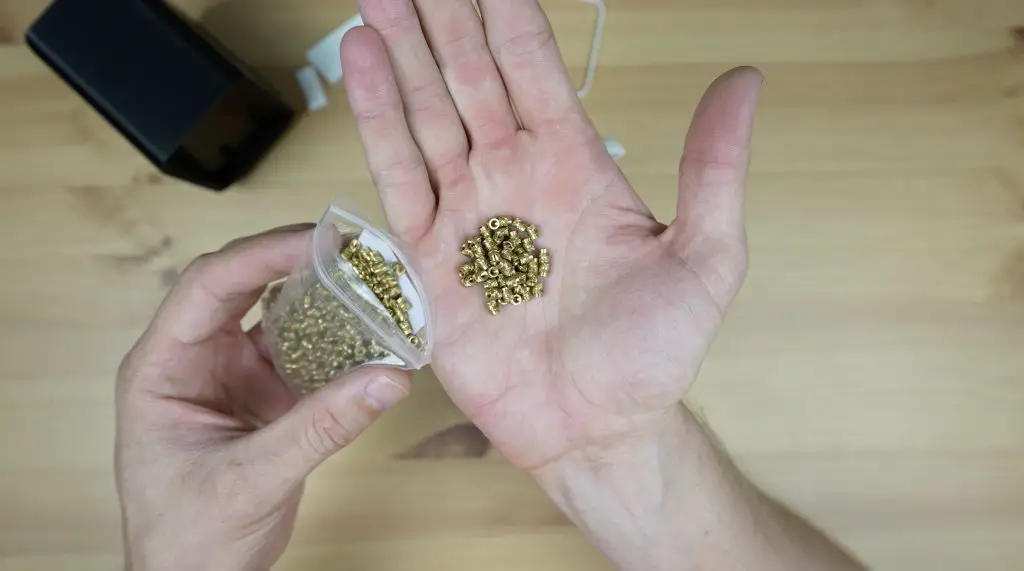
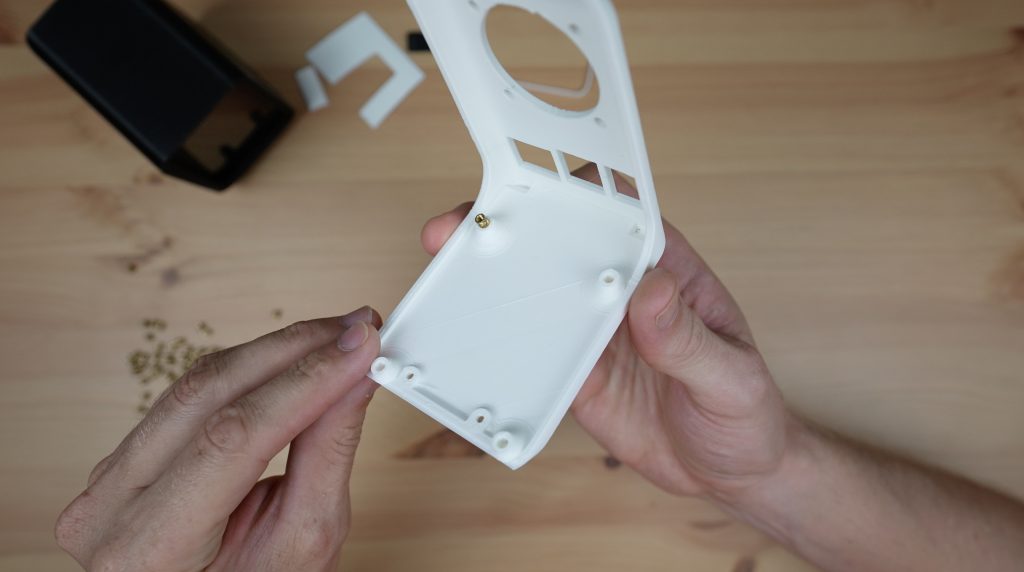
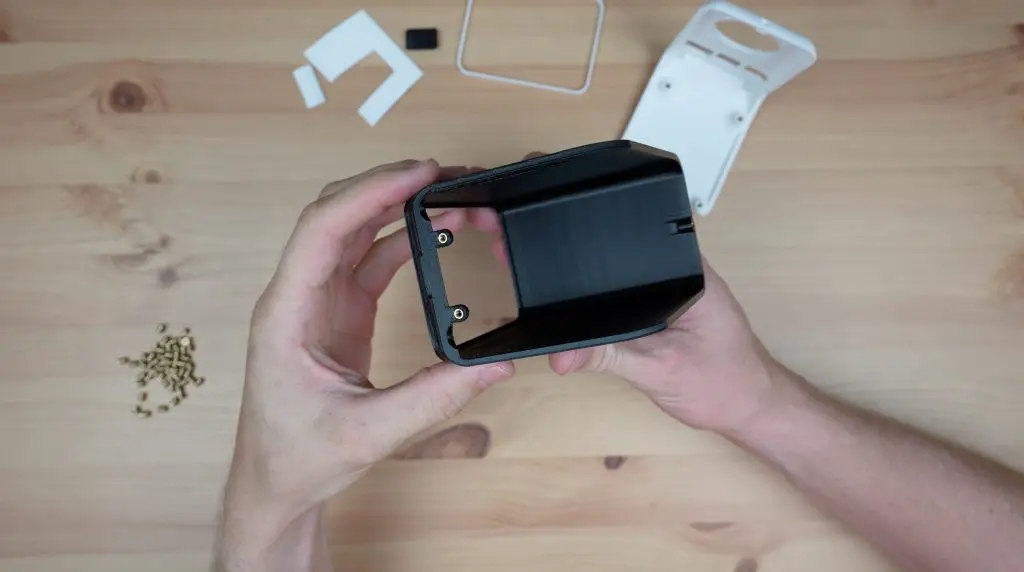
The 3D printed parts need a few M2.5 threaded brass inserts to hold the Pi in place and to hold the two main case components together. We’ll just melt these into place in the prepared holes using a soldering iron.

I’ve ground two of the inserts down a bit for the lower profile arms on the front of the AI case that need to slot in underneath the Pi.

Ground Down Brass Inserts For Front Legs

With the brass inserts all in place, the case components are complete and we can start installing the Pi and fan components.

Installing The Raspberry Pi and Fan

For cooling, I’ve got a 40mm RGB fan which I’ve salvaged from my stash of fans on my only fans Pi case.

40mm RGB Pi Fan

I’m going to install a mesh cover over it as I think this will fit in well with the look of the vented side panel on the AI case.

Mesh Cover Over 40mm Fan

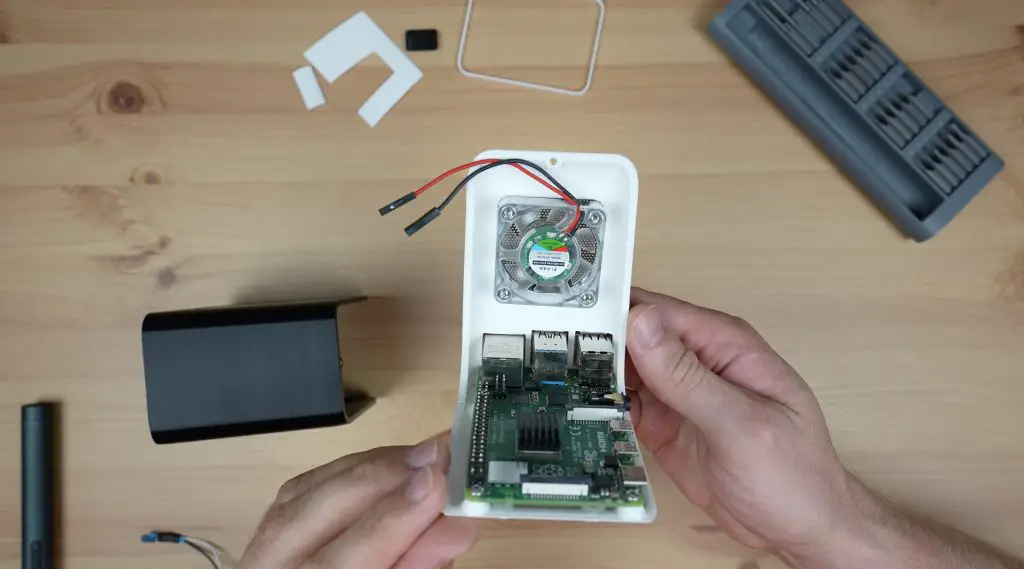
The fan is held in place with the M3 screws and nuts that came with it. I’ve installed the fan with the hub facing outwards so that it pulls air into the case.

Fan Secured With M3 Screws

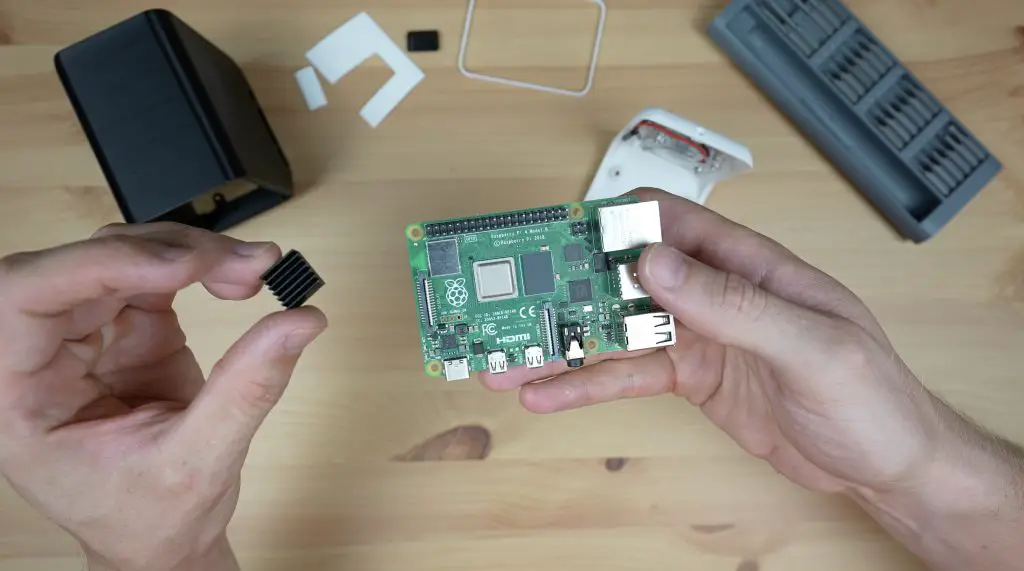
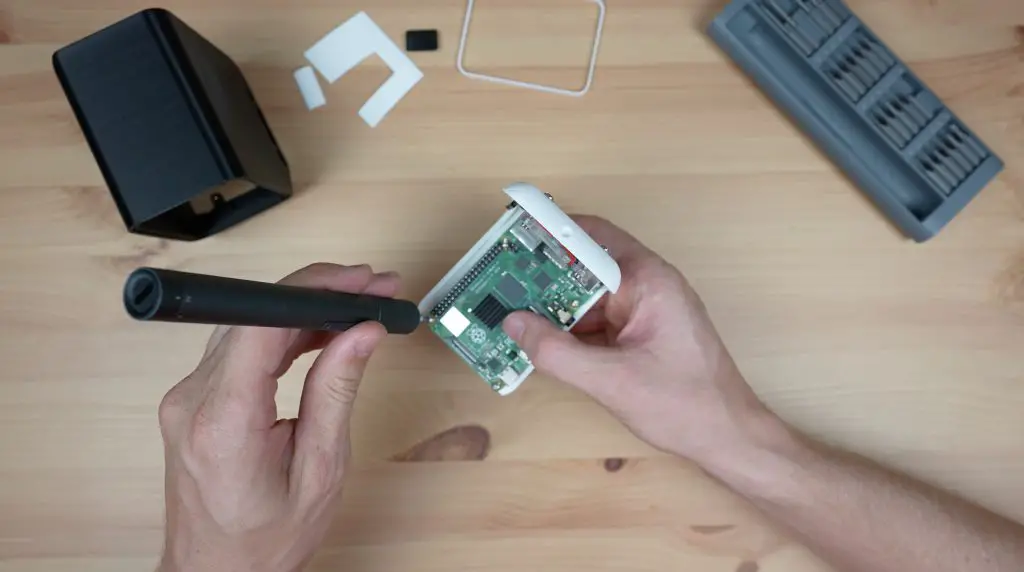
Next let’s mount the Raspberry Pi. I’m using a 2GB Raspberry Pi 4 and I’m going to add a small heatsink onto the CPU to help with cooling. There is probably enough space within the case to fit in an Ice Tower cooler but I’d like to keep it as open as possible so that the blue acrylic pieces and fan are visible.

To hold the Pi in place, I’m using four M2.5 x 6mm button head screws which screw into the brass inserts that we’ve melted into the base.

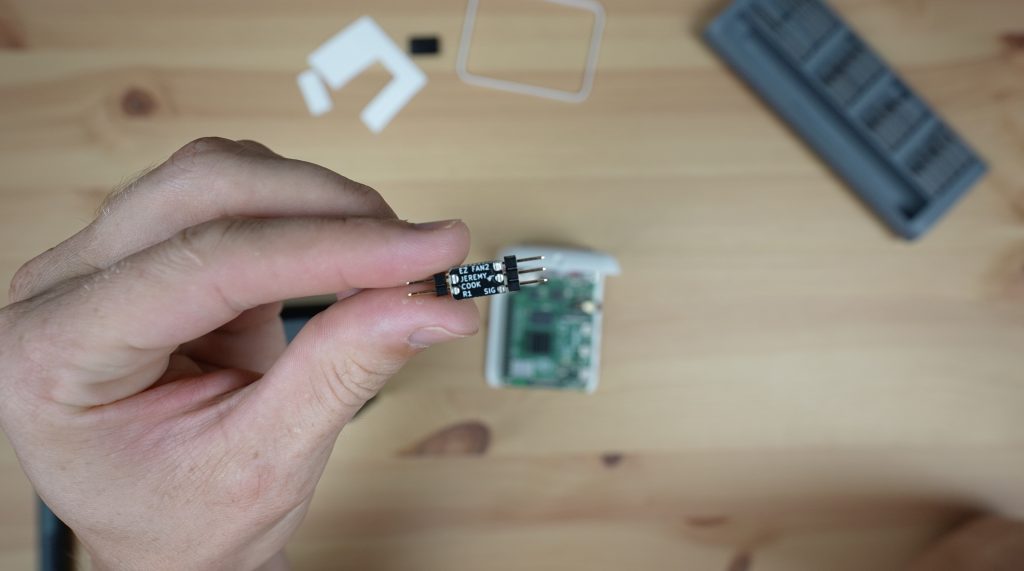
This fan isn’t a PWM fan and I’d like to be able to turn it on or off depending on the CPU temperature, so I’m going to use one of these EZ Fan 2 modules designed by Jeremy Cook. This tiny module allows you to use a 2-wire fan like a 3-wire fan so that you can turn the fan on or off using one of the Pi’s GPIO pins. These are also great if you’ve got an older 5V Noctua fan that doesn’t have PWM control.

EZ Fan 2 Module

I’m plugging the fan into 5V, GND and GPIO14 with a short set of jumpers that I made up.

EZ Fan 2 Module Installed With 40mm Fan

Lastly, we need to glue the small front leg onto the underside of this case section. I’m just going to use some super glue to hold it in place.

3D Printed Front Leg Glued Into Place

That’s the bottom half of the case down, now let’s finish off the top half.

Completing The Top AI Case Half

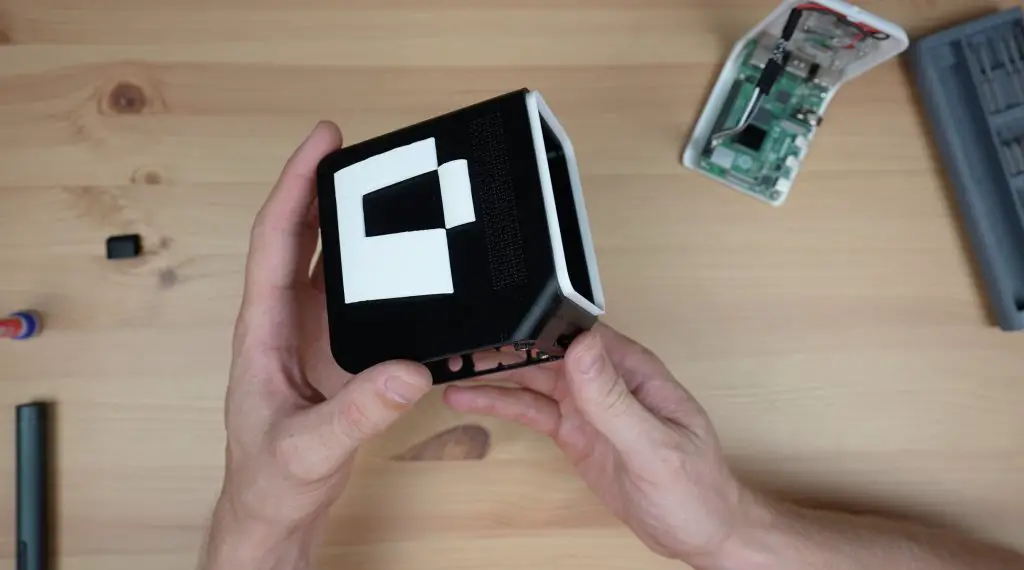
To finish off the top half, we first need to stick these white accent pieces onto the side of the case. I’m going to use some superglue on these as well.

3D Printed Accents Glued Into Place With Superglue

We can also stick the front bezel onto the AI case while we’ve got the super glue out.

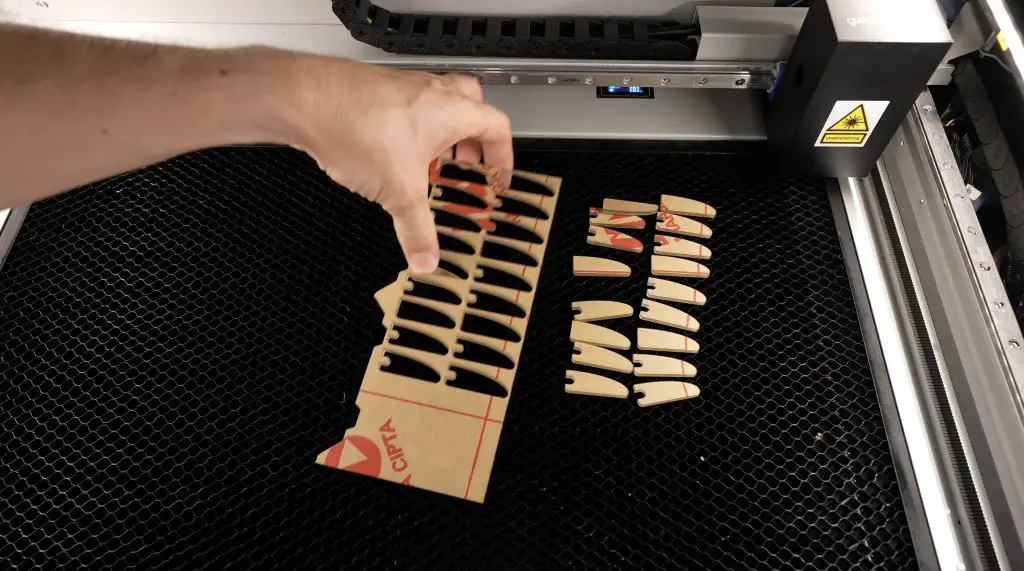
Now let’s make up the blue acrylic pieces. I laser cut these from 3mm fluorescent blue acrylic which I’ll stack together to form each of the three main pieces.

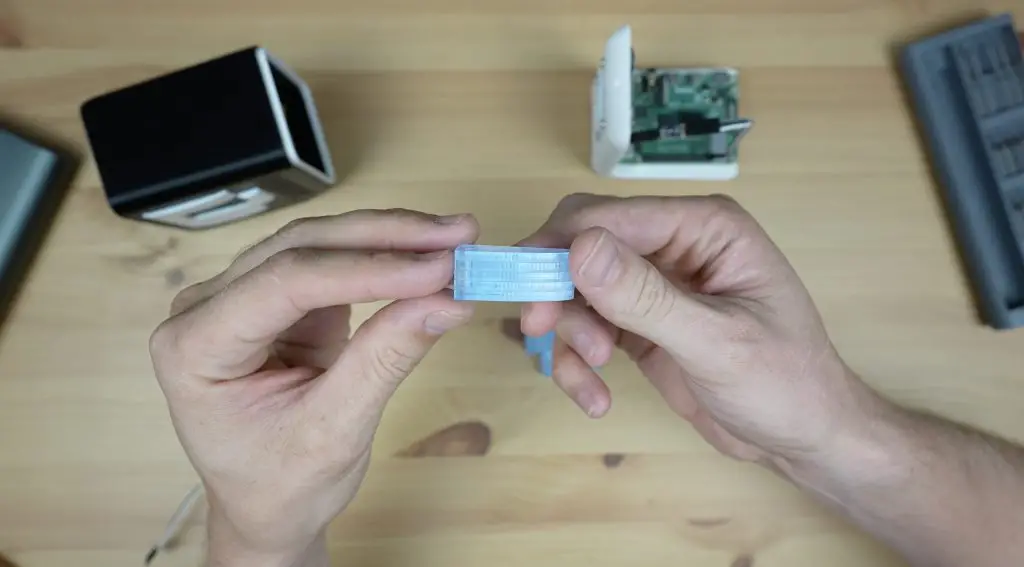
Laser Cut Blue Accent Pieces

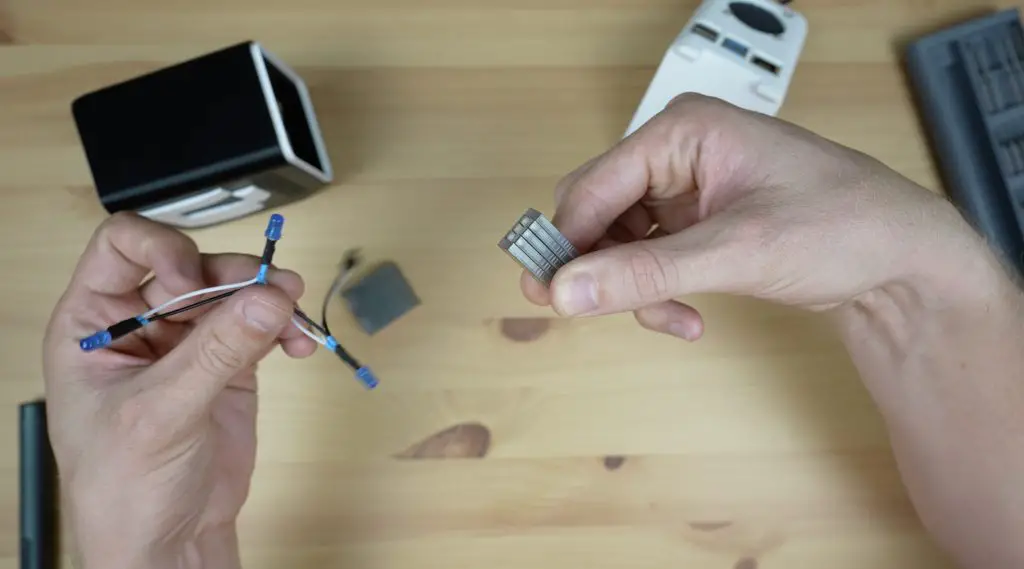
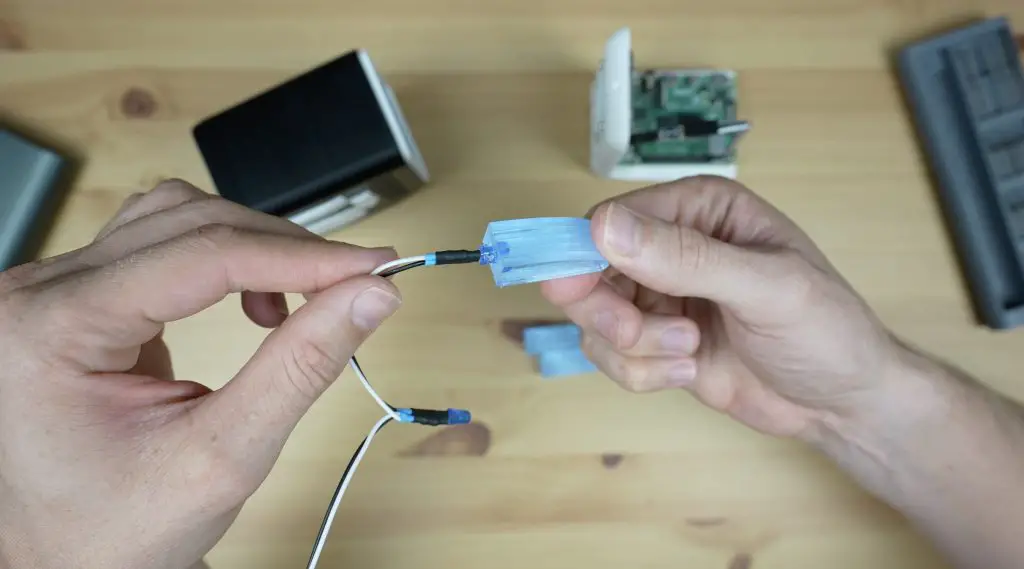
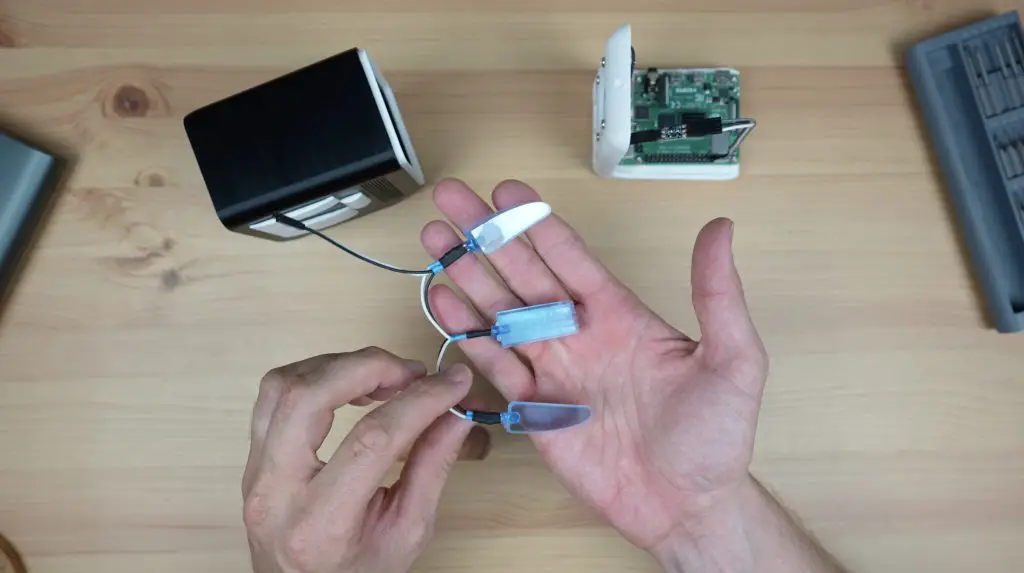
I’ve made up a string of three 5mm blue LEDs and the three middle pieces have an extra cutout at the back for the LED to light them up.

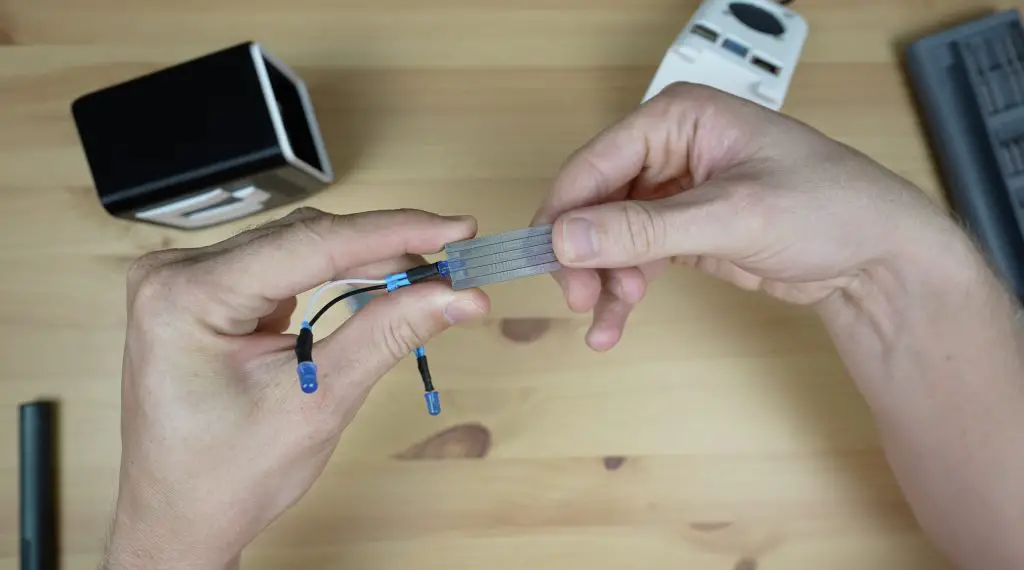
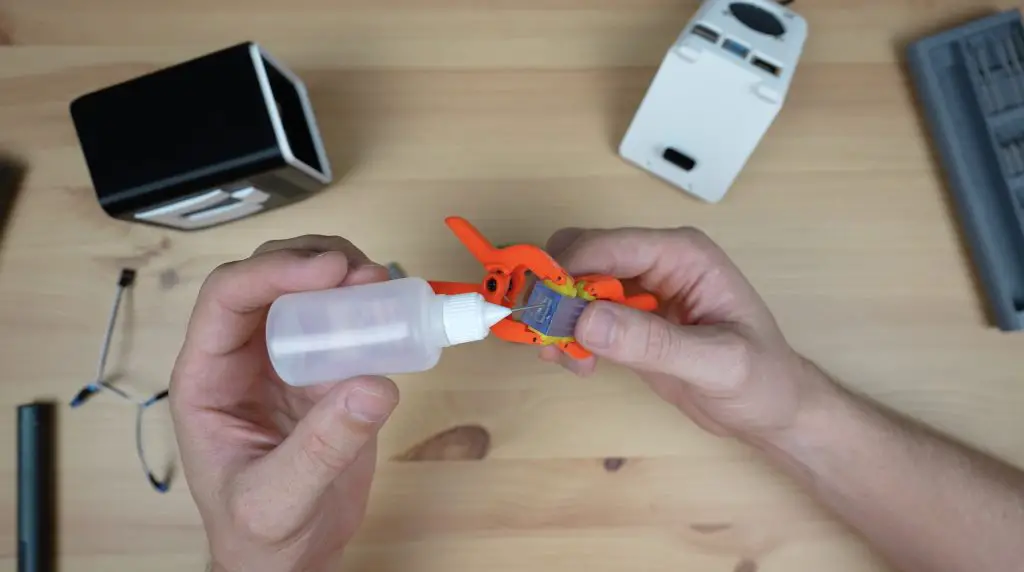
To make each one up, we need to peel off the protective film, then clamp the stack of five pieces together, and finally add a few drops of acrylic adhesive to the cutout to seep in between the layers to glue them together.

Acrylic Layers Being Glued Together

Then we just need to do that two more times to make up three in total. I’ve also glued a white strip onto the base of each one to lighten them up a bit more when they’re stuck onto the black case surface.

Completed Blue Accent Pieces, White Strip Underneath

We can then glue the LEDs into place in each acrylic piece using some hot glue.

And then glue the pieces into place on the inside of the case.

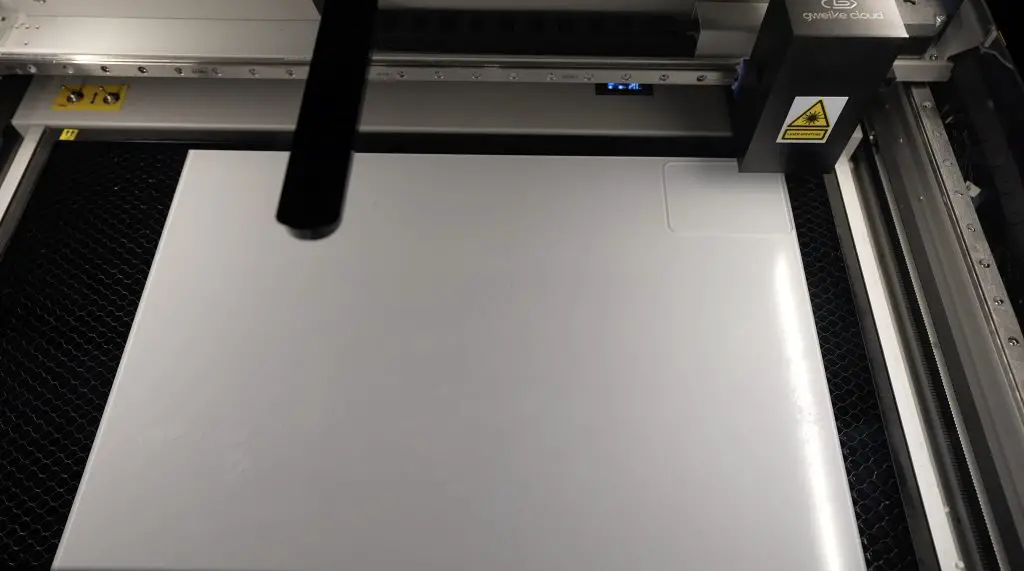
To finish off the top of the AI case, we just need to add an acrylic panel to the front. I laser cut the front panel from a sheet of 2mm clear acrylic.

Laser Cutting Front Panel

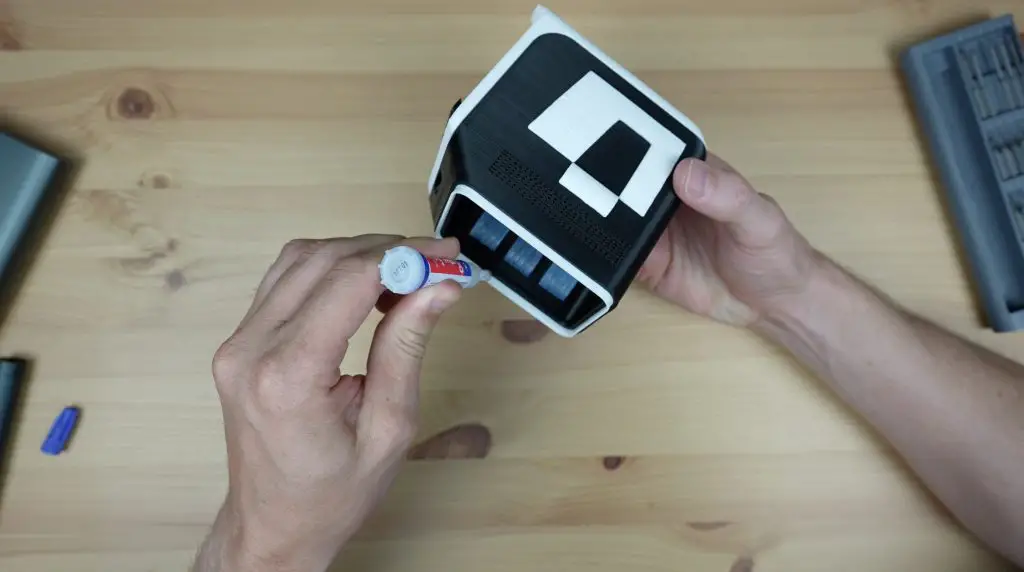
I’m also going to stick this into place within the bezel using some super glue as we shouldn’t need to remove it.

Super Glue Front Panel Into Place

Now we just need to plug the blue LEDs into the Raspberry Pi – I’m connecting them to 5V and GND.

Connections To Pi's GPIO Pins

Then we can close the case up with three M2.5 x 6mm button head screws and peel the protective film off of the front panel.

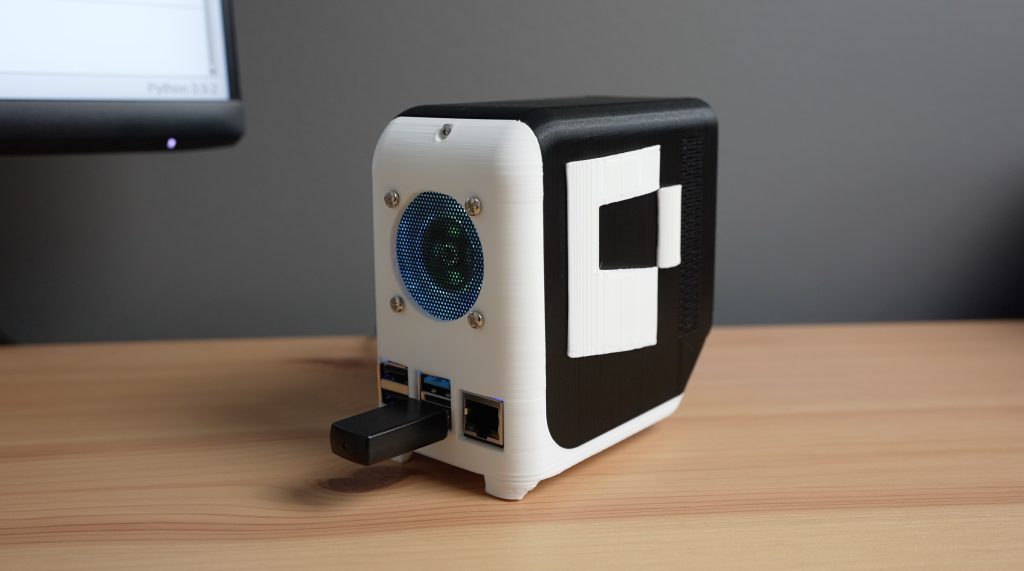
I really like how the back fan has come out with the black mesh over it.
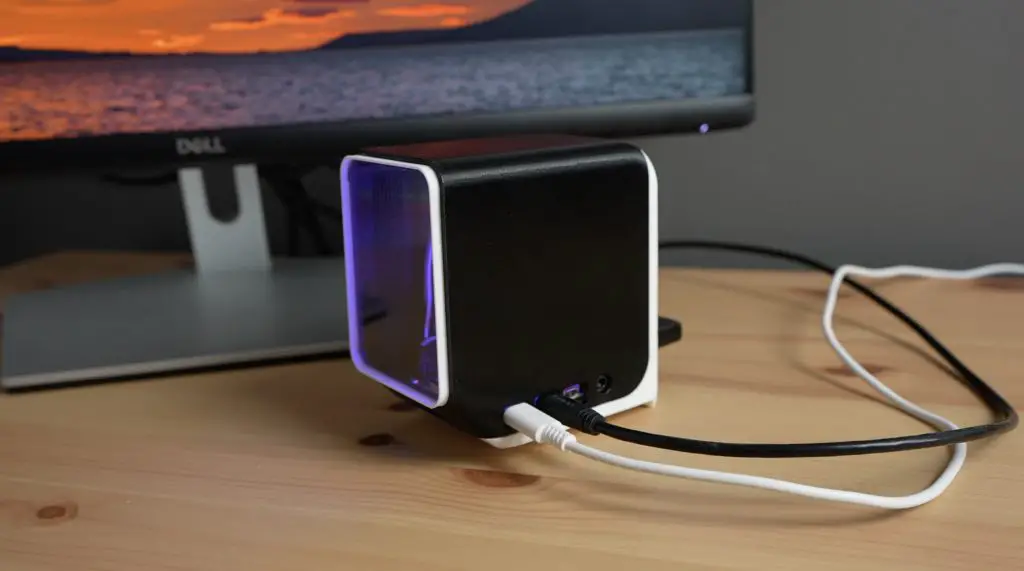
Completed AI Pi Case Back

First Boot Of The AI Case & Powering The LEDs

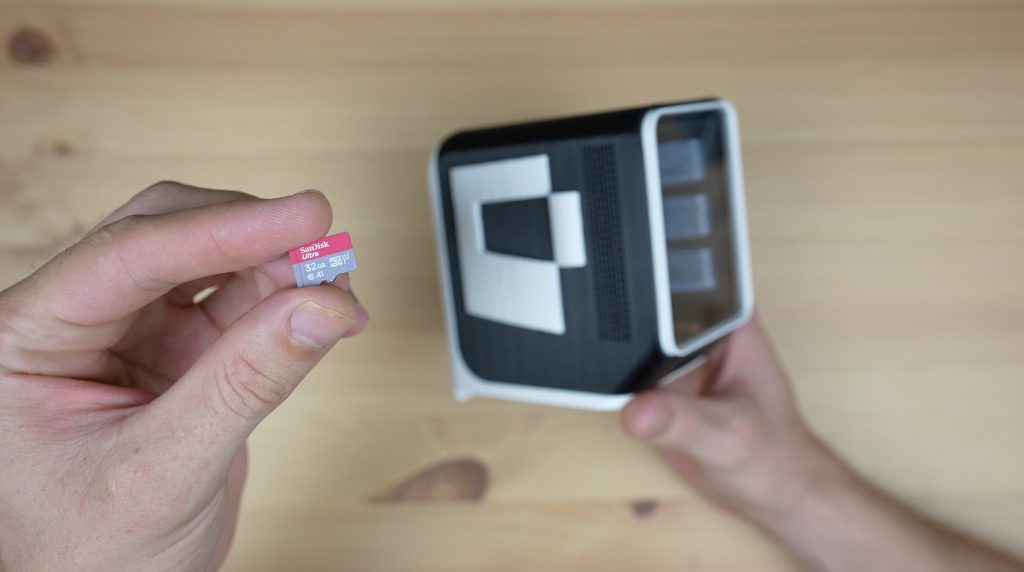
Now that the case is complete, we just need to add a microSD card through the slot in the front and we can then try boot it up and see what it looks like.

MicroSD Card With Raspberry Pi OS

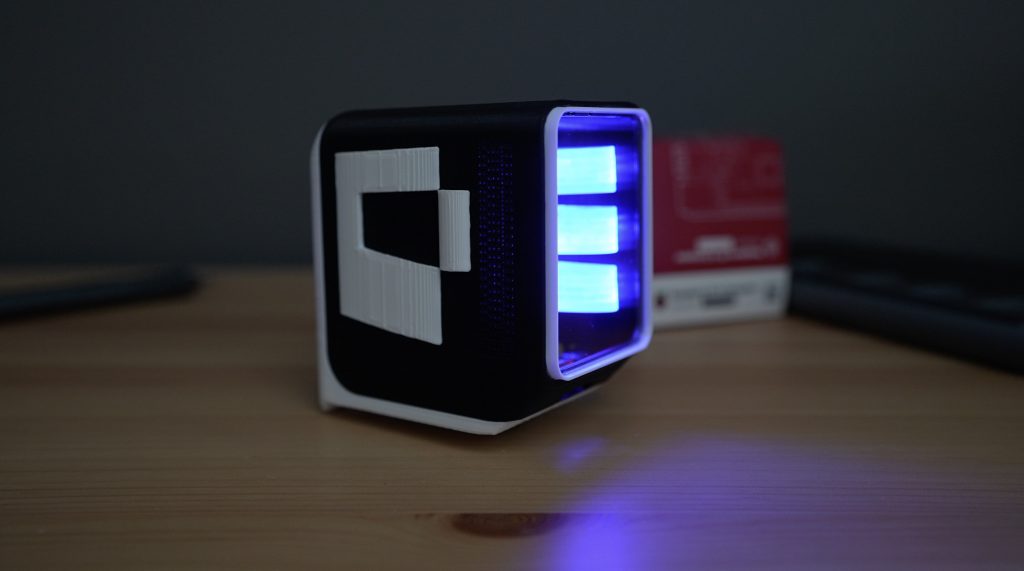
The light-up blue inserts have come out really well and give the AI case a really unique look. The design is probably not all that practical but it definitely looks cool.

Booting AI Pi Case For The First Time

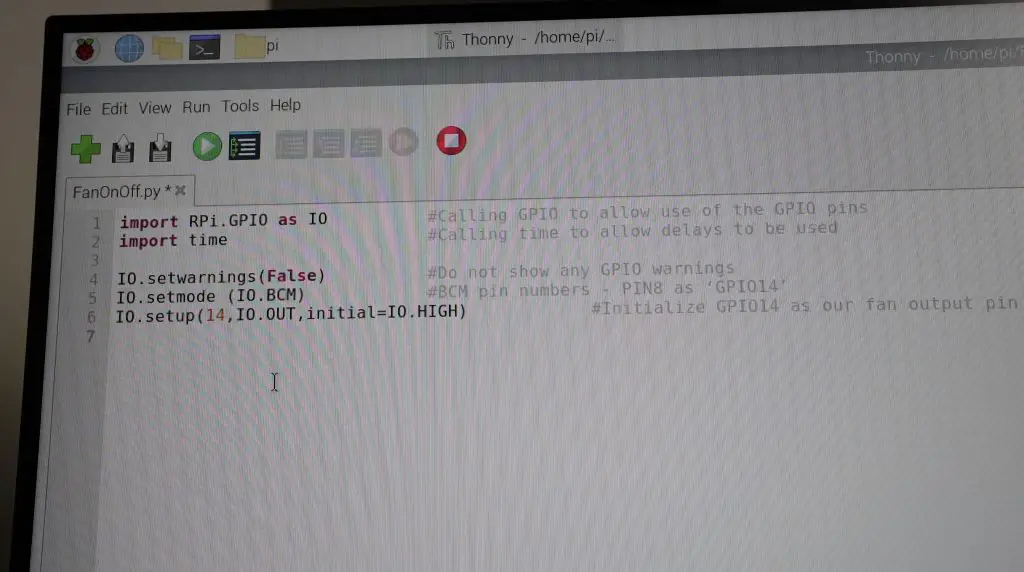
Using a simple script to set GPIO pin 14 high or low, we can also turn the fan on or off. I’ll probably adapt my PWM fan script that I use on my SSD case to simple on/off control for this, but at least the functionality is here and the Ez Fan 2 module is working correctly.

Overall I’m really happy with how this design turned out and I think I managed to get it looking closer to the AI image than I was expecting to be able to.

Let me know what you think of it in the comments section below, and also let me know if you think I should try making up one of the steampunk case designs that the AI generator came up with.

Rock 5 Model B, A Powerful New SBC From Radxa

Today we’re going to be taking a look at the Rock 5 Model B, a new SBC or single-board computer from Radxa which is based on the powerful Rockchip RK3588 SOC.

The Rock 5B is available in three RAM configurations, 4GB, 8GB and 16GB. I’ve ordered the 8GB to try out and I’ve also got their passive heat sink to cool it with.

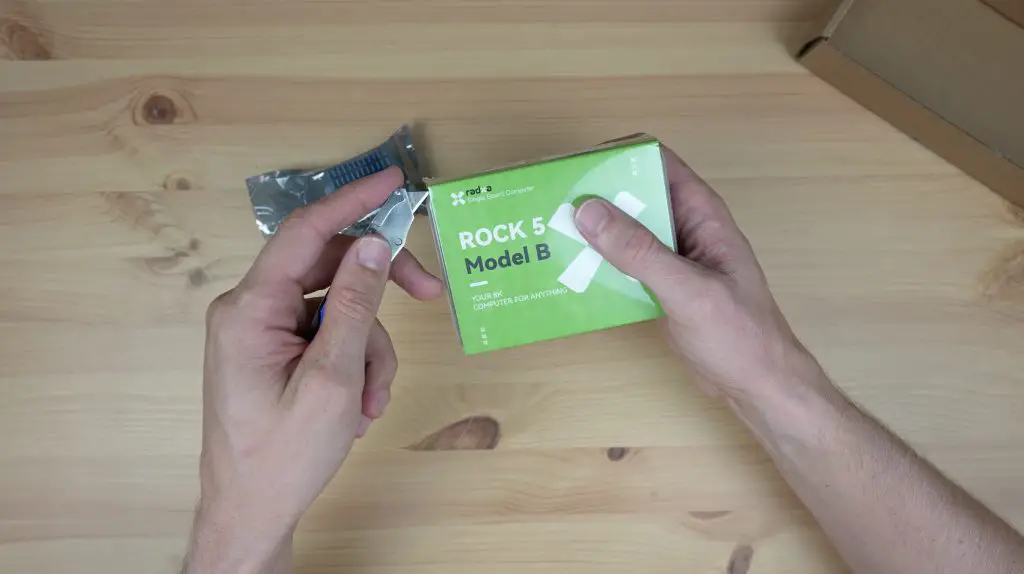
Radxa Rock 5 Model B In Box

Here’s my video review of the board which shows some of the video playback capabilities, read on for the written review:

Where To Buy The Radxa Rock 5 Model B

The board is available through a number of online retailers, I got this one from ALLNET the 4GB board is $129, the 8GB $149 and the 16GB board is $189.

Unboxing & First Look At The Rock 5 Model B

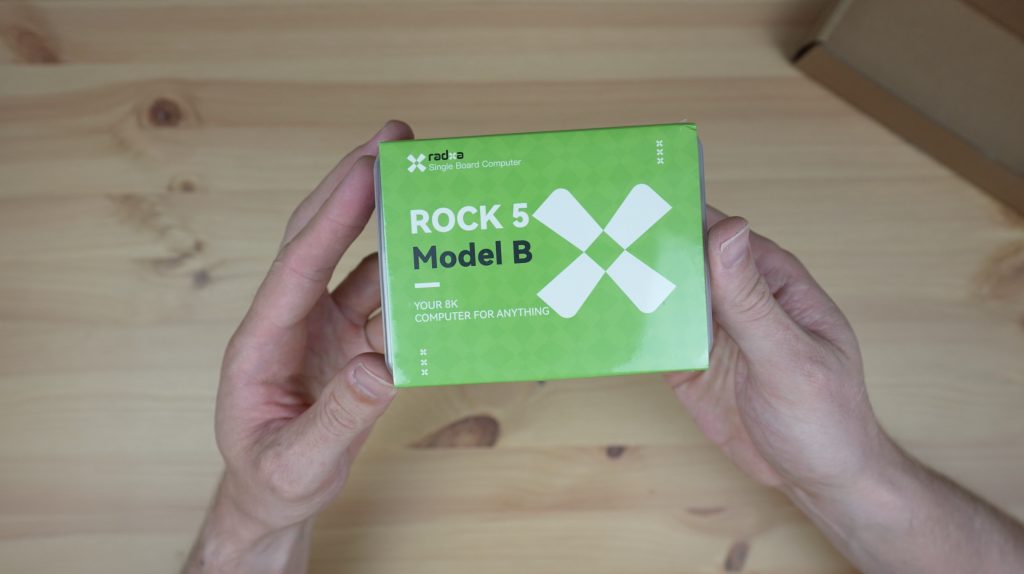
The Rock 5 Model B comes in a shrink-wrapped plastic case with a branded sleeve.

Radxa Rock 5 Model B Unboxing

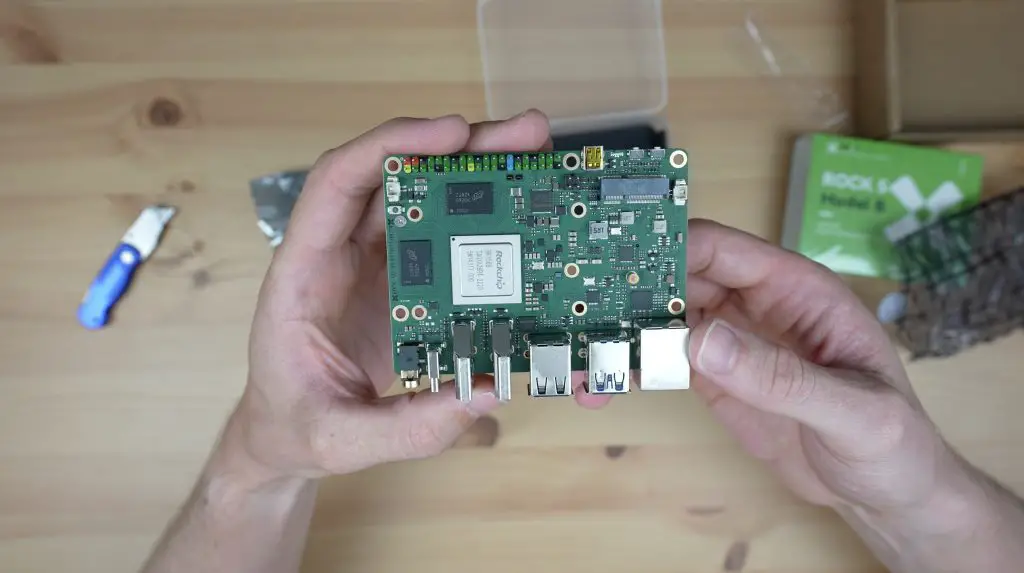
Inside the case is the Rock 5 Model B in an antistatic bag which is placed on a card spacer to hold it in place and protect the pins and ports on the bottom. There are no cables, adaptors or accessories included with the board.

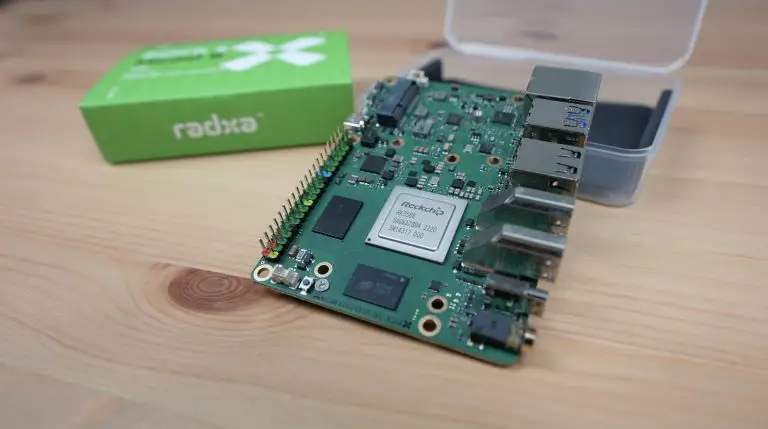
Radxa Rock 5 Model B First Look

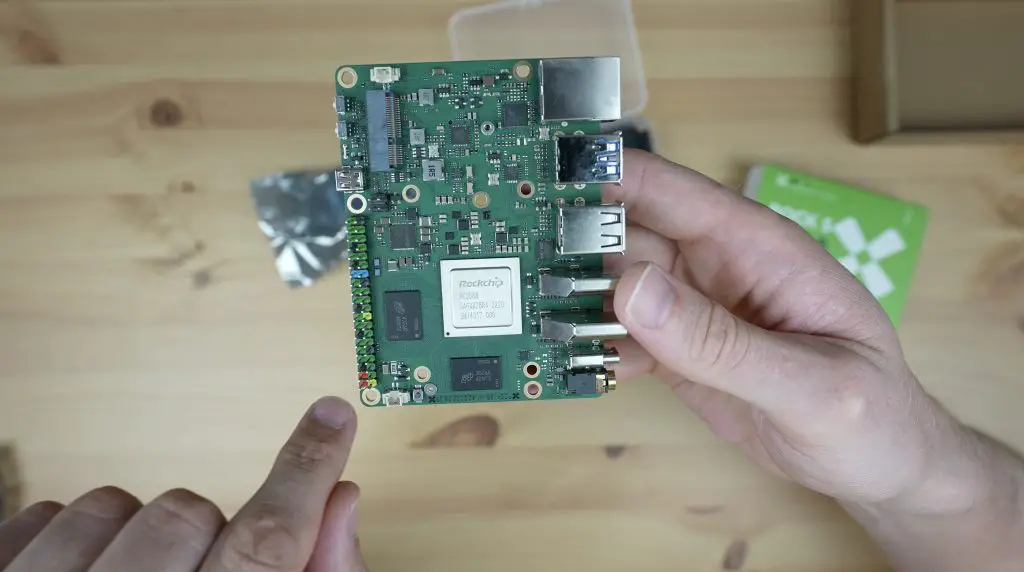
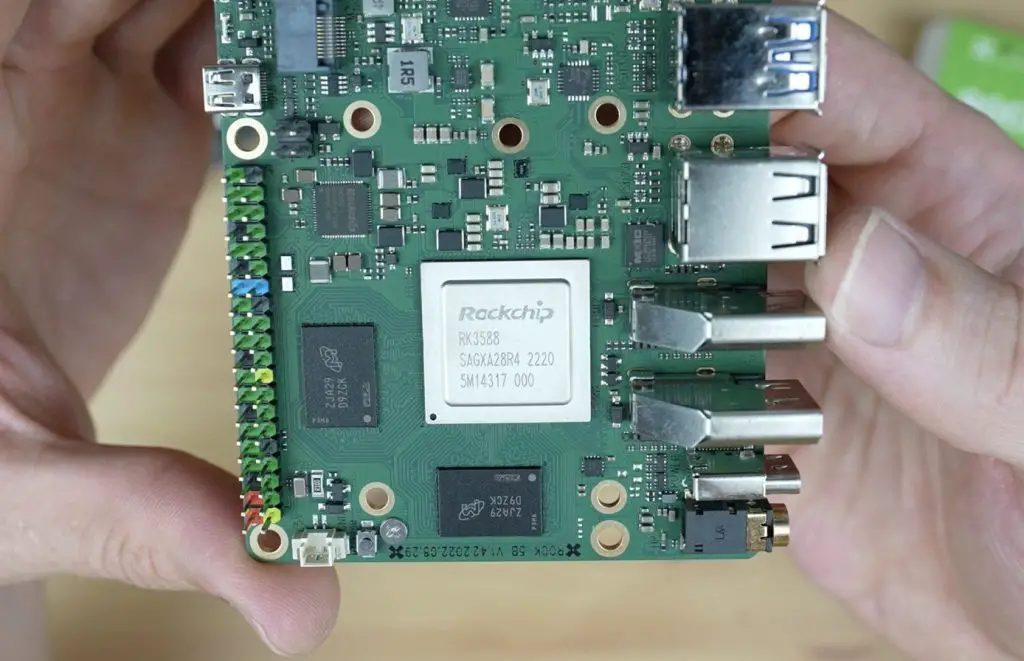
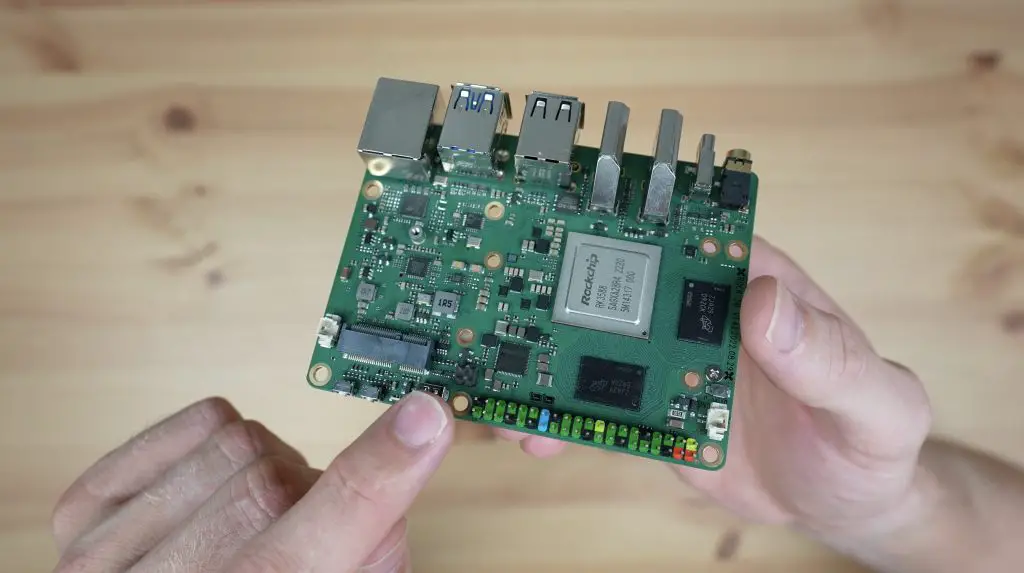
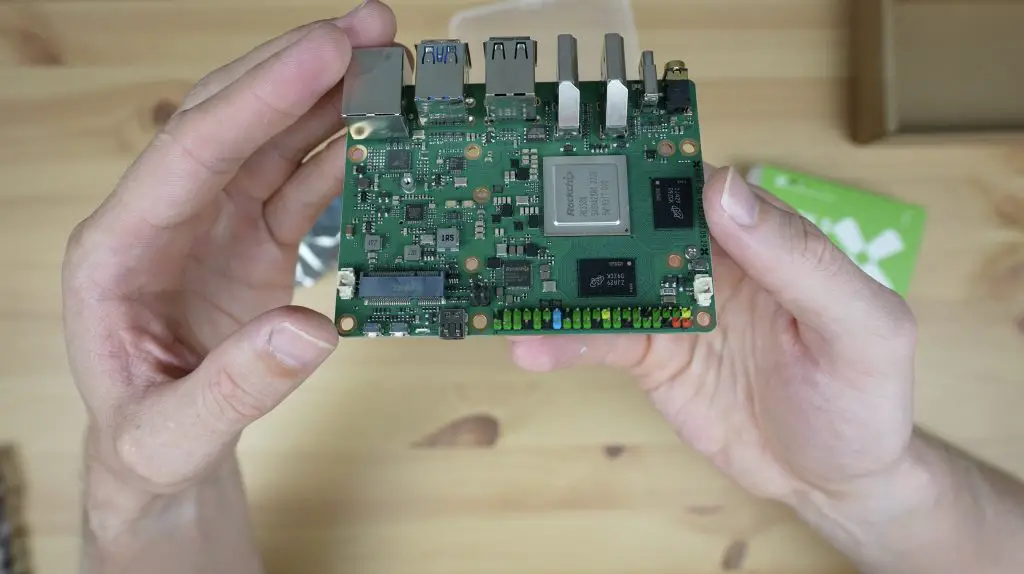
The RK3588 SOC has a 64-bit, 8-core processor which is made up of a quad-core A76 processor running at 2.4Ghz and a quad-core A55 processor running at a lower 1.8Ghz. The integrated Mali G610MP4 GPU can do up to 8K at 60 frames per second.

RK3588 Chip on Rock 5 Model B

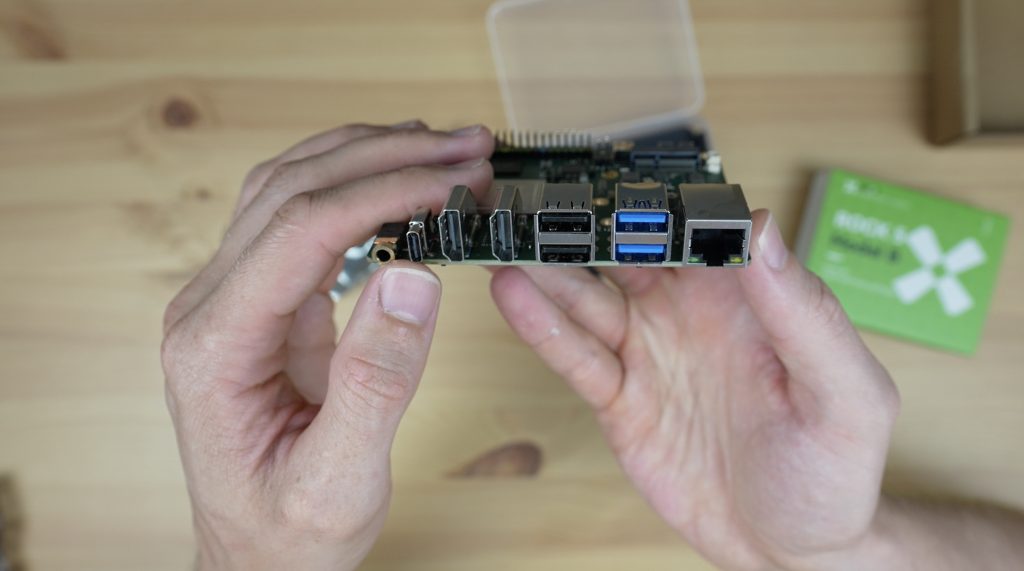
Taking a look at the primary ports along the side of the board, we’ve got a 3.5mm audio jack, a single USB C power input, that also supports power delivery. I’m not quite sure what its power delivery capabilities are as the product page had 9V and 12V listed while their wiki says 12V, 15V and 20V.

Primary Ports on Rock 5 Model B

Next to that are 2 full-size HDMI ports, 2 USB 2.0 ports, 2 USB 3.0 ports and then a 2.5G Ethernet port, which is really great to see on an SBC. They also mention that it has POE support, what I presume this means is that they’ve brought out these pins which look to be in the same position relative to the GPIO pins as on a Raspberry Pi, so you can probably use a POE hat made for a Pi to power this – but I don’t have any POE hats to try out.

POE Pins On Rock 5 Model B

We’ve then got a white fan connector at the top to power the fan that comes with the active heat sink. Next to that is a 40-Pin GPIO header which follows the same general layout as a Raspberry Pi and is coloured coded which makes it a bit easier to identify the power pins.

Then there is a micro-HDMI input, which is a unique inclusion but essentially should allow you to input an HDMI video signal up to 4K 60 frames per second to display or record.

Next to that is a status LED and two buttons, one for power and one for recovery.

Rock 5 B Coloured GPIO Pins

Alongside the power buttons, we’ve got a white RTC battery connector and an M.2 E Key slot. This can obviously be used for a couple of add-ons but the most likely is going to be a WiFi module because the Rock 5B doesn’t have any onboard WiFi. I haven’t gone with this optional add-on as I prefer to use a wired connection and the included 2.5G Ethernet port is a faster and more reliable option.

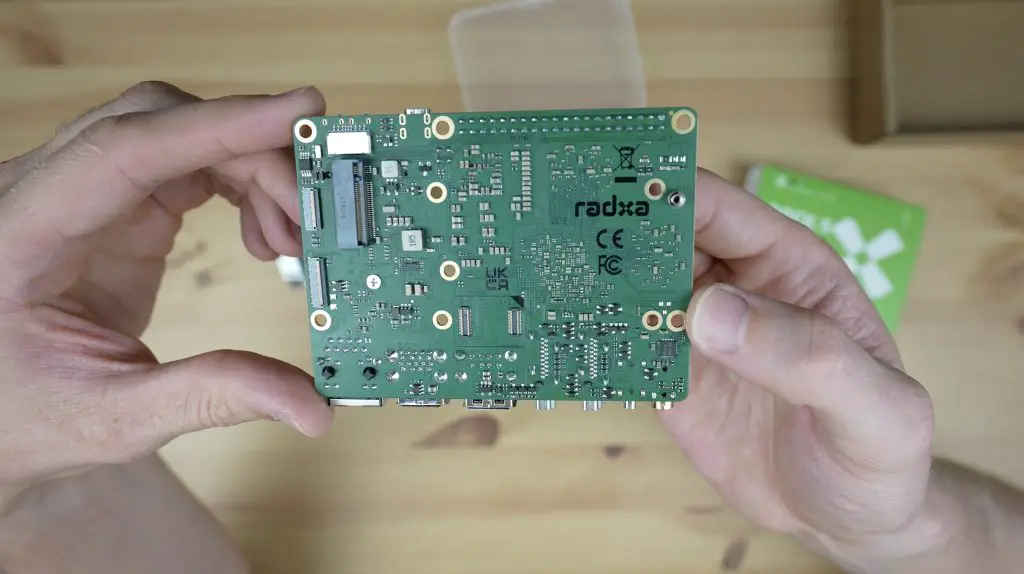
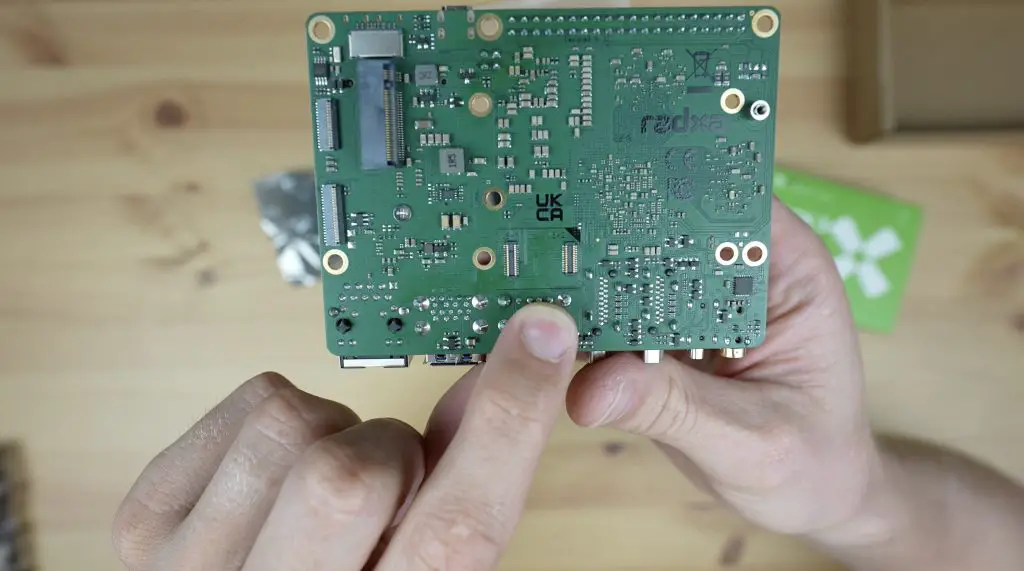
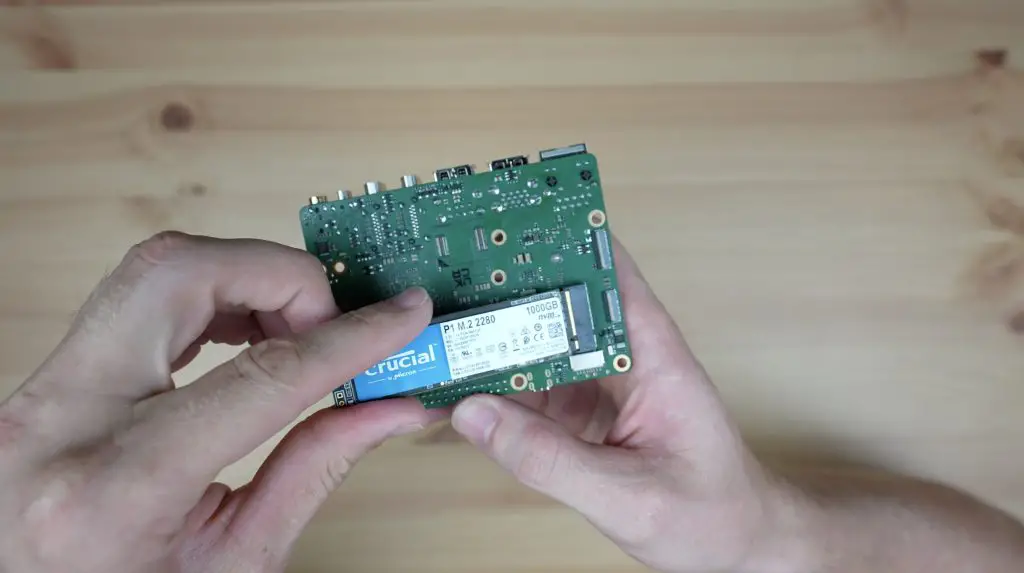
Flipping the board over, we’ve got a prominent M.2 M Key slot that supports a 2280 NVME SSD.

Rock 5 B Back of SBC

Along the shorter edge closest to the M.2 slot are a CSI and DSI port for a camera or display and alongside those and next to the M.2 slot is a microSD card slot. The microSD card slot is a sort of “half slot” that only holds the pin area of the microSD card.

There is also a socket for an optional eMMC module if you’d prefer to use that to boot off instead of an SD card or an SSD.

Rock 5 B eMMC Storage Port

The board is designed in a Pico ITX form factor and is 100mm long and 72mm wide. Although this is technically a standard form factor, you’ll still have a hard time finding an enclosure for it outside of the ones offered by the manufacturer as it’s just a very uncommon size.

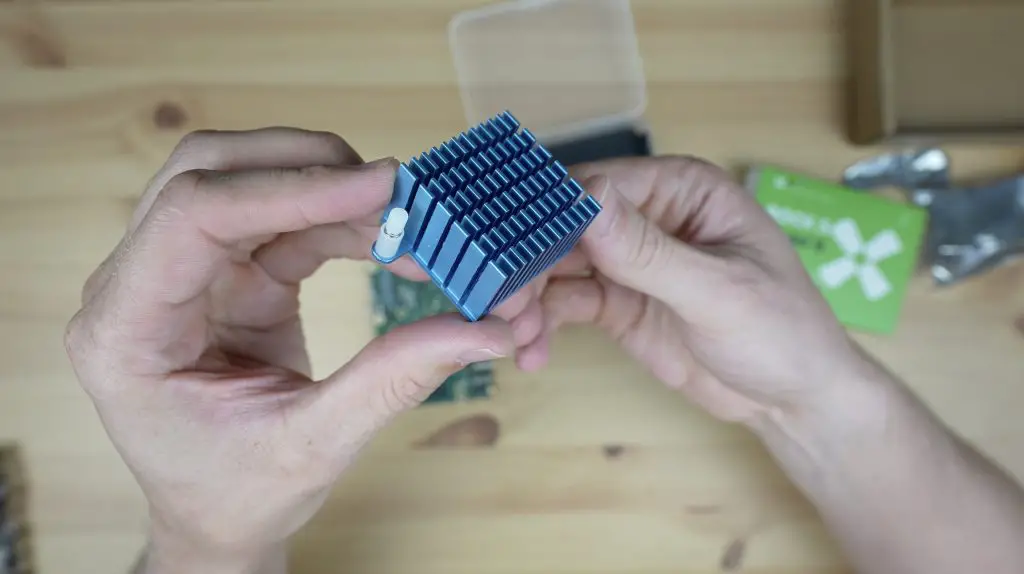
The passive heat sink is quite bulky so I don’t think we’ll have any cooling issues, even without a fan. They do have an option for a heatsink with a fan, which is a bit more compact but then you’ll obviously also have the fan noise.

Passive Heat Sink

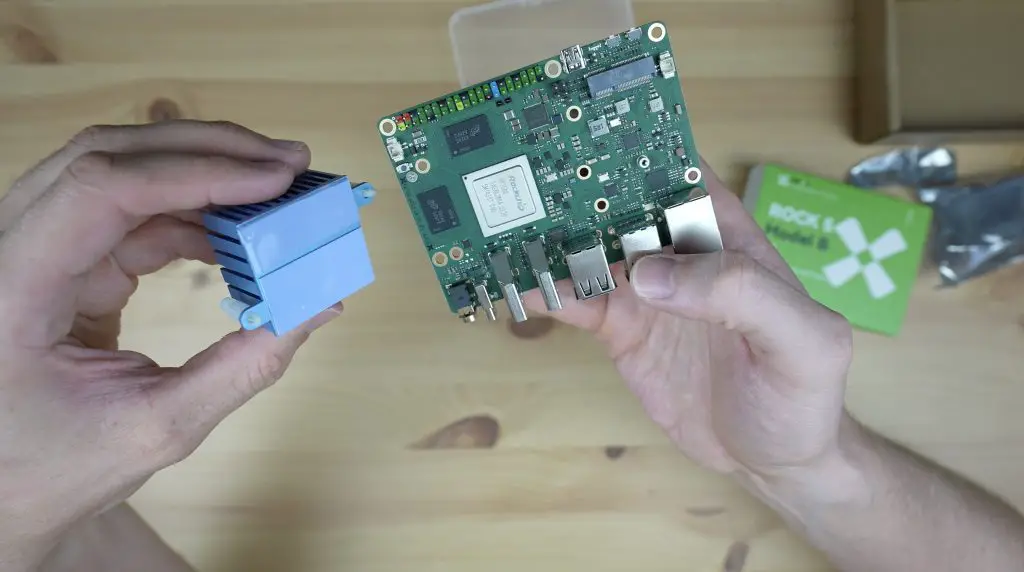
The heatsink just uses some snap-in pins to hold it in place over the CPU and has thermal pads preinstalled.

Cooling Pads on Passive Heatsink

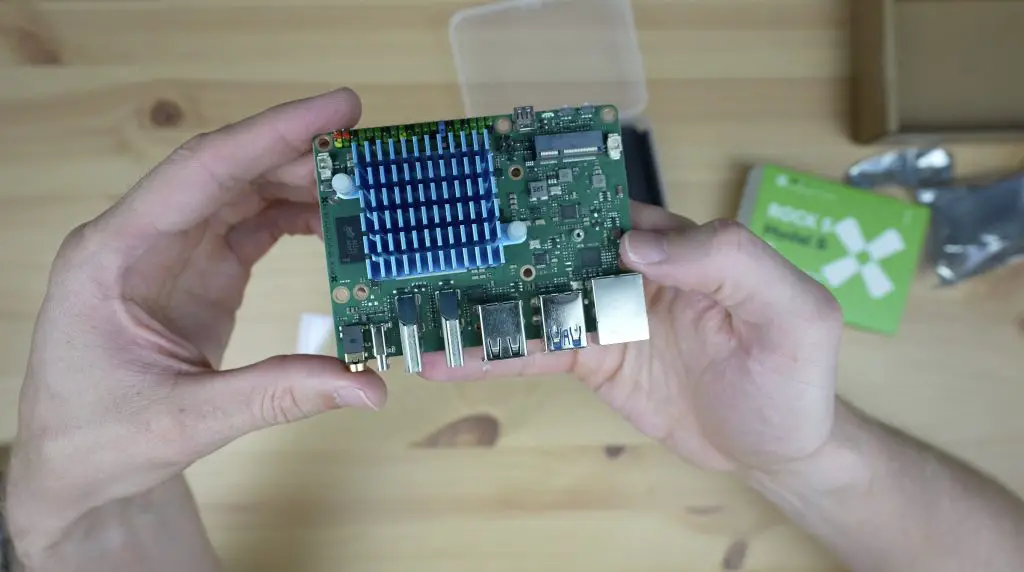
The RAM is split between the two black chips alongside the CPU and strangely the heatsink is offset from the centre of the CPU, but only covers one of them. I’m sure this won’t cause any issues it just seems a bit odd.

Passive Heatsink Installed On Rock 5 B

That’s all we need to do to prepare the board to be powered up, so we can move on to preparing the operating system on the boot drive.

Flashing The Operating System Onto A MicroSD Card

To start with, let’s get a microSD card prepared and then boot up the Rock 5 Model B.

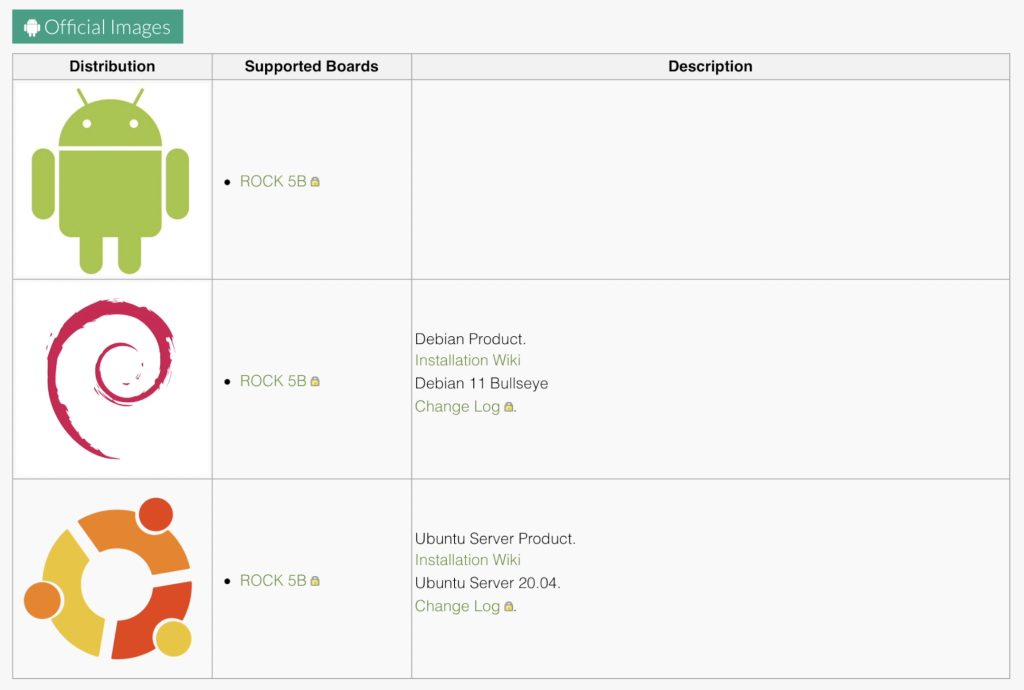
Radxa provides images for Android, Debian and Ubuntu. I’m going to go with the Debian image for now and we’ll see how that runs. The Ubuntu image is a server OS and does not have a GUI/desktop.

Operating System Images Available For Rock 5 B

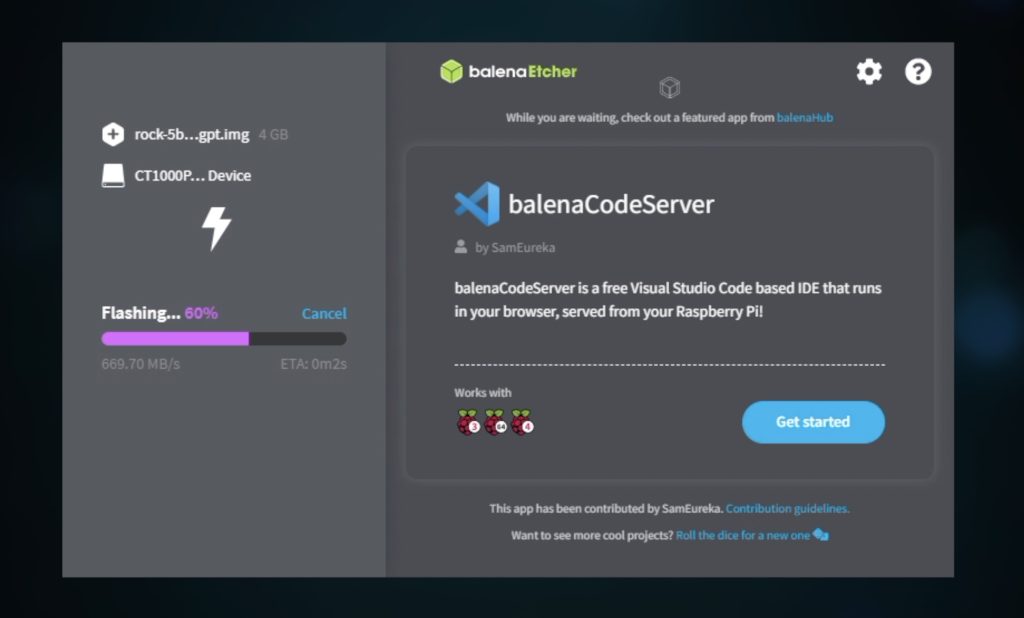
Flashing the microSD card is pretty simple, you just download the prepared operating system image, then flash the microSD card using a utility like Balena Etcher, then plug it into the board’s slot and it’s ready to go.

To power the Rock 5 B, I’m using a USB C adaptor with PD 2.0.

The first boot takes a little over 30 seconds and you’ll then be presented with a login screen. The default username and password are both Rock and you’ll then arrive at the Debian desktop.

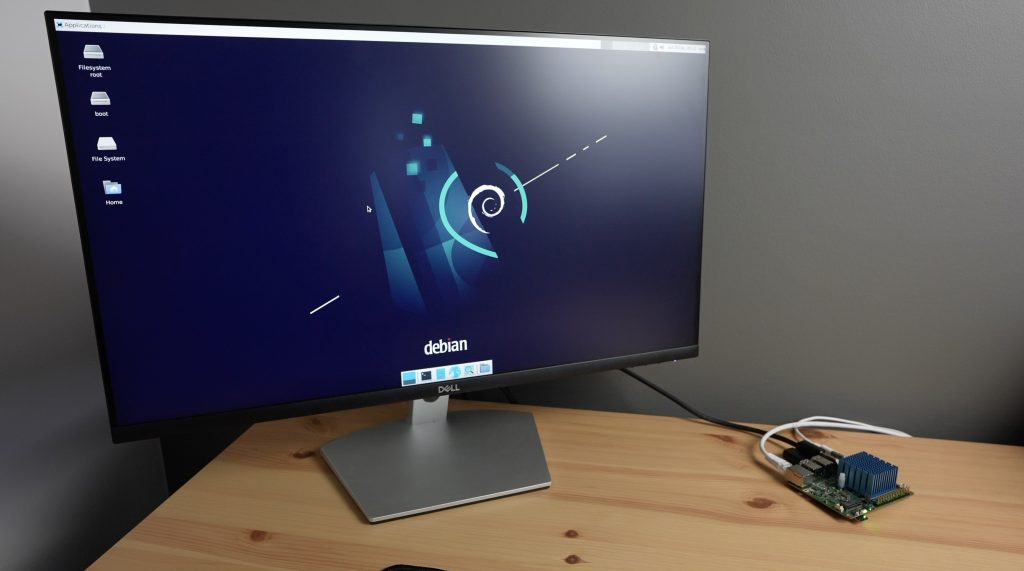
Booted To Debian Desktop

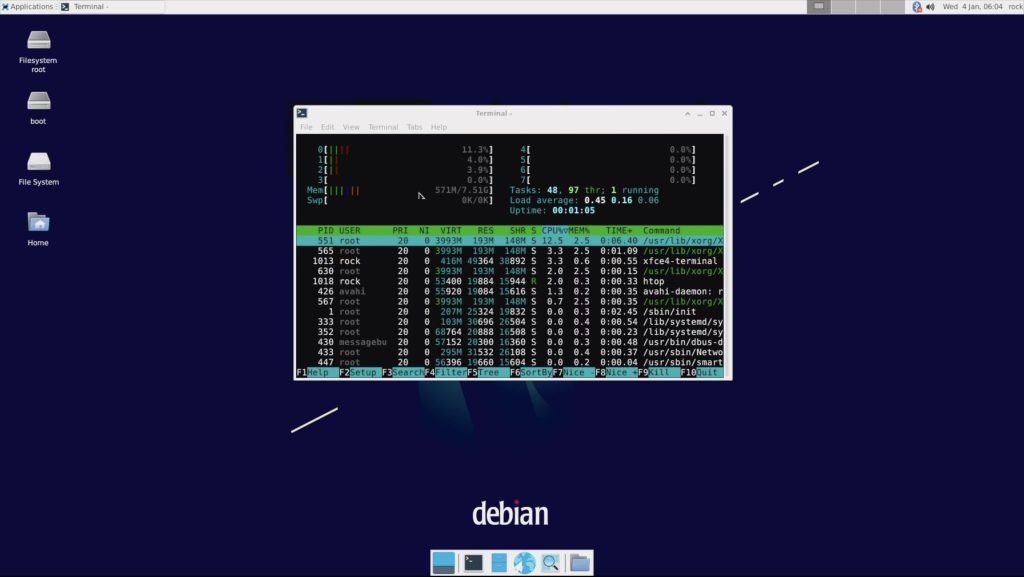
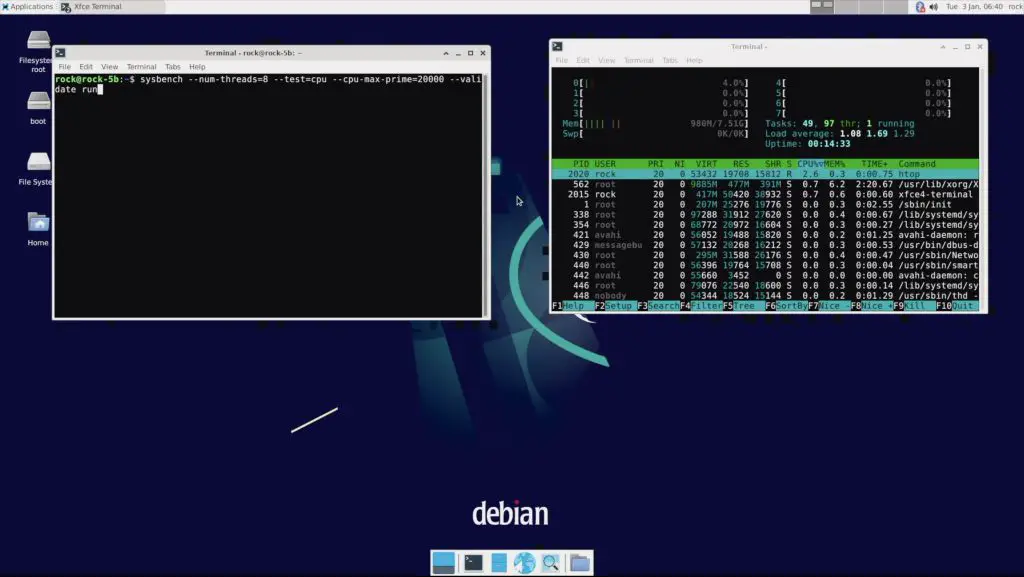
If we open up HTOP, you can see we have 8 processor cores listed, which don’t seem to be doing much at the moment and then our 8GB of RAM and we’re not using any swap.

HTOP Runnings on Debian Desktop

Youtube Video Playback On The Rock 5 Model B

Next, let’s try playing back a Youtube video in the default browser – Chromium. I’ll try this at both 1080P and 4K video resolution.

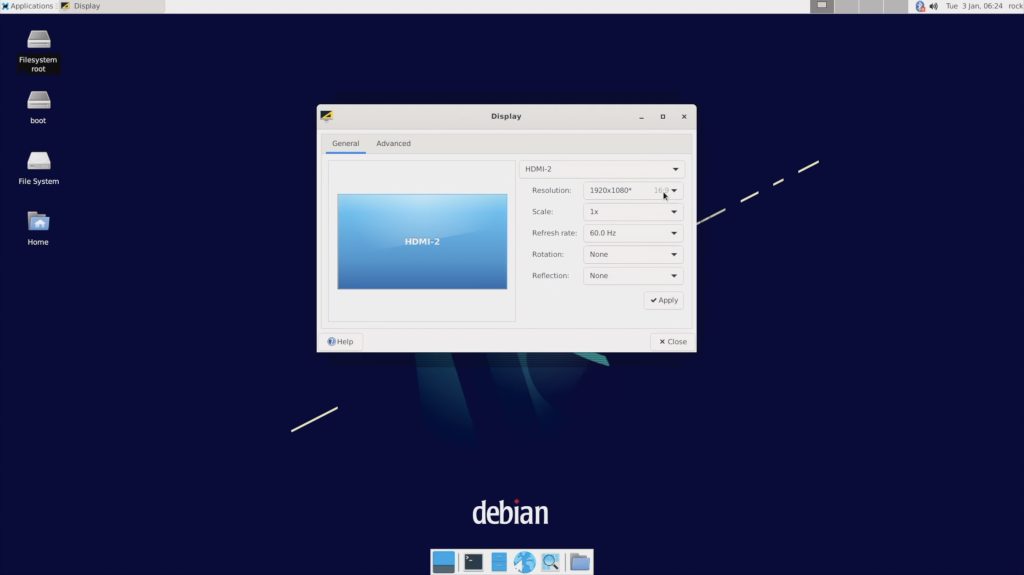
For the first test, let’s set the monitor to 1080P and then open up Youtube.

Adjusting Display Resolution to 1080P

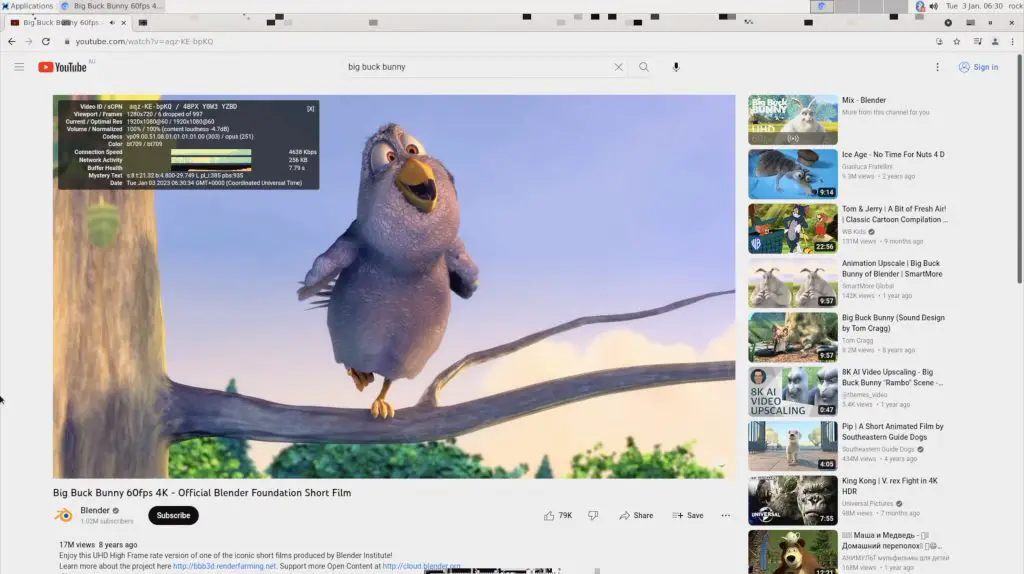
We can then set the video resolution to 1080P and open up stats for nerds.

Playing Back Big Buck Bunny In 1080P

Video playback in the window is really smooth with a few dropped frames and playback is similar when we open it up to fullscreen. You can get a better feel for the video quality by watching my Youtube video at the beginning of the post – at 1080P, you have a really good quality stream that you wouldn’t have any trouble watching.

Next, let’s try to step it up to 4K.

Opening up the same video in 4K with playback in a window, we already start dropping some frames and playback is quite obviously stuttering. Opening it up to fullscreen is even worse, dropping a significant number of frames and stuttering to the point where playback is not really usable.

Playing Back Big Buck Bunny In 4K

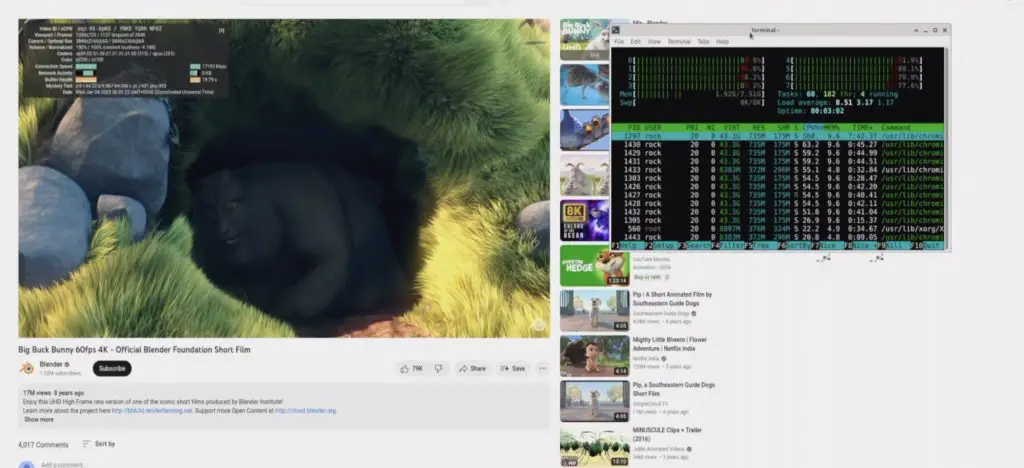
Like with the Khadas Edge 2, this is most likely because the browser is using software decoding instead of hardware decoding. This essentially means that we’re not using the GPU hardware for video playback but we’re relying on the CPU to do decoding through software, which is putting a lot of strain on it. We can see that if we open up HTOP while playing back the video, we’re basically maxing out our CPU continuously.
HTOP Indicating All Cores Maxed Out

So if you’re wanting to use the Rock 5 Model B for 4K video playback from an online source, you’ll probably want to use the Android operating system rather than Debian.

Running The Sysbench CPU Benchmark

Next I’m going to try running the Sysbench CPU benchmark on it and I’ll also do this with HTOP running alongside it so that you can see the load on each CPU core. We’ll give it 8 threads, one for each core, and set the maximum prime number limit at 20,000.

Running Sysbench Benchmark On Rock 5 B

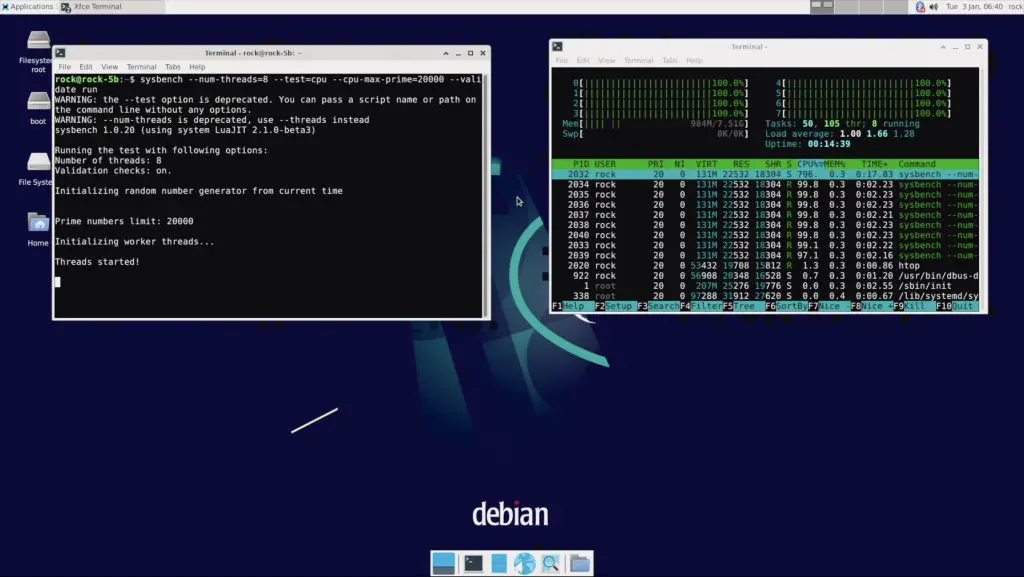
When we run the test, you’ll see all 8 cores are maxed out.

Sysbench Benchmark Running

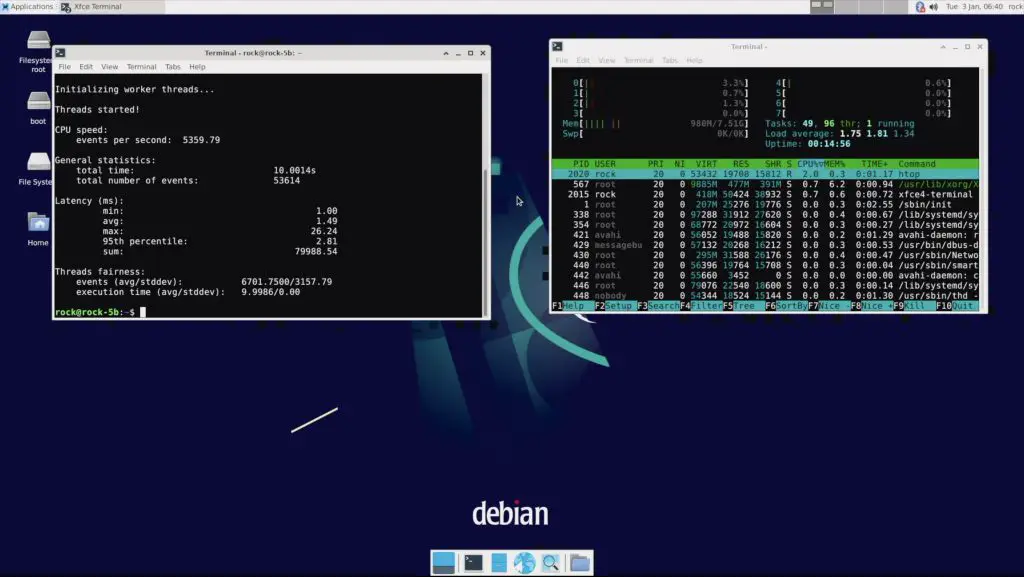
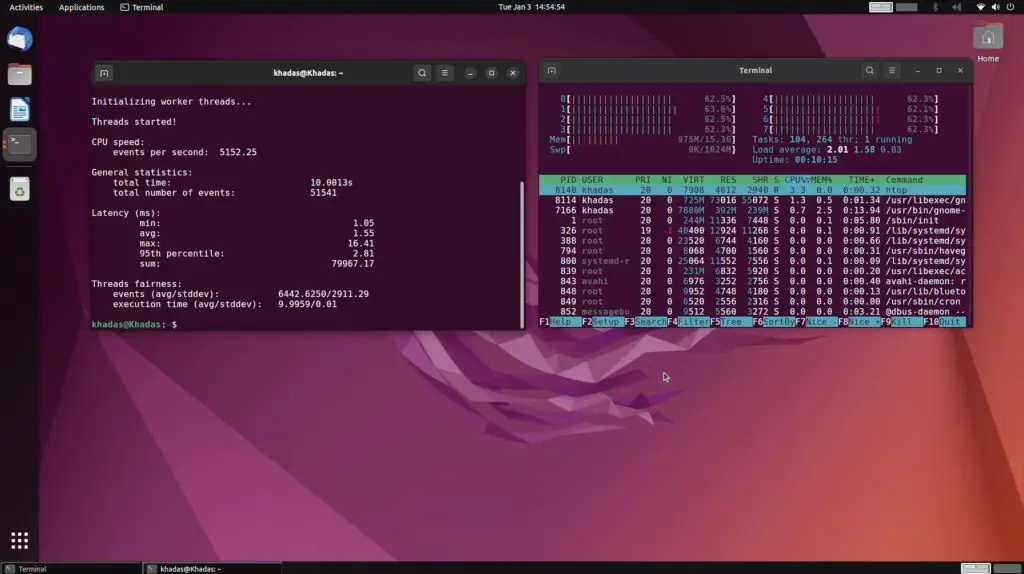
After 10 seconds, the benchmark is complete and the cores drop back down to idle. We managed to process a little over 5,300 events per second for a total of 53,600 events for the test.

Sysbench Benchmark Results On Rock 5 Model B

These numbers don’t really mean much on their own so I ran the test on the Khadas Edge 2 and a Raspberry Pi 4 for comparison.

The Edge 2 managed 5,150 events per second for a total of 51,500, which is about 4% slower than the Rock 5B in this benchmark.

Sysbench Benchmark on Khadas Edge 2

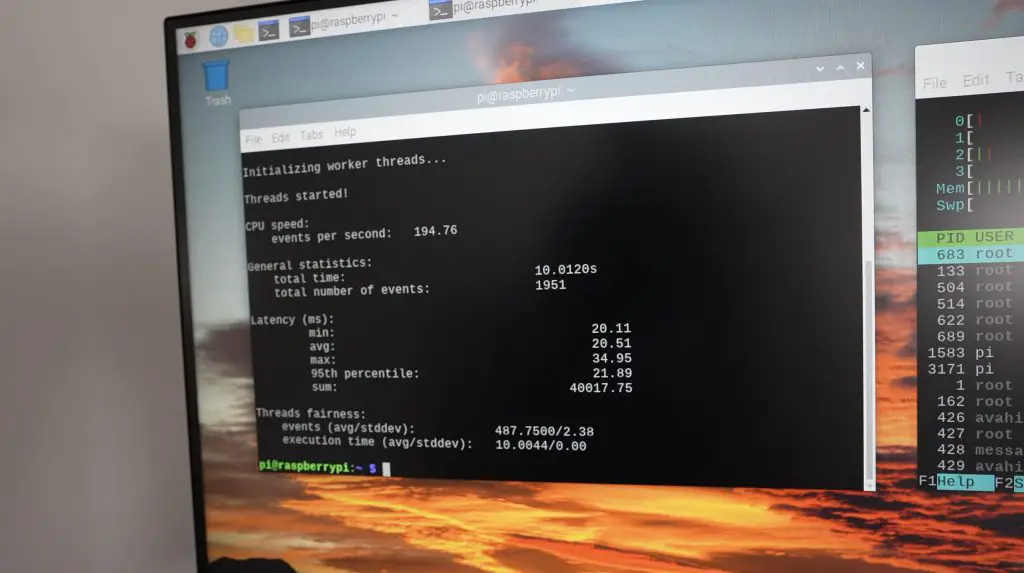
The Raspberry Pi only managed 195 events per second for a total of 1,950. This is obviously not a fair comparison as the Pi only has a 4-core CPU running at a lower frequency and is quite a bit cheaper than the Rock 5B. In any case, the Rock 5B and Khadas boards are both over 25 times faster than the Pi in this benchmark.

Sysbench Benchmark on Khadas Edge 2

How Much Power Does The Rock 5 Model B Use?

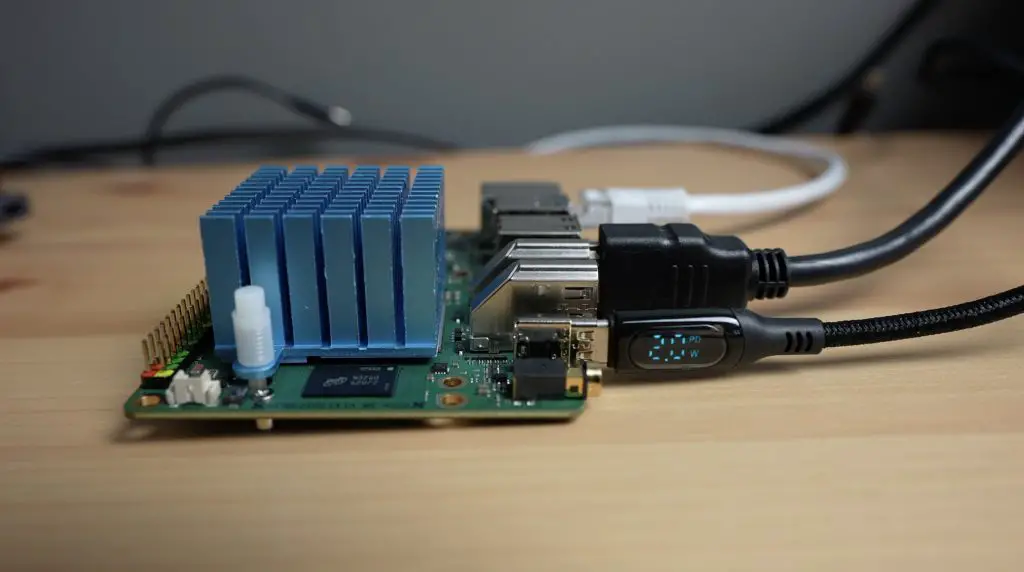
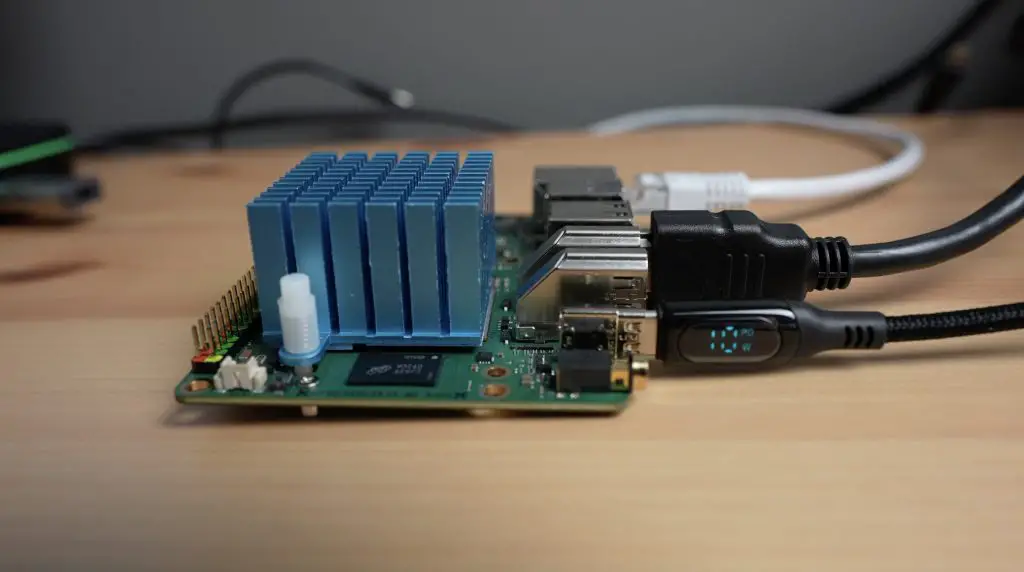
To measure the Rock 5’s power consumption, I used a USB C cable that supports power delivery. This shows that the Rock 5 Model B is indeed running on PD, indicated by the PD at the top. I found that the Rock 5B runs at 2W when idle and at 8-10W when the CPU is fully loaded.

Booting From An NVMe Drive

Lastly, I tried booting the Rock 5 Model B from an NVMe drive.

I prepared the NVMe drive in the same way that I did with the microSD card. I used the same disk image and flashed it to the drive using Etcher and an M.2 M Key to USB C adaptor.

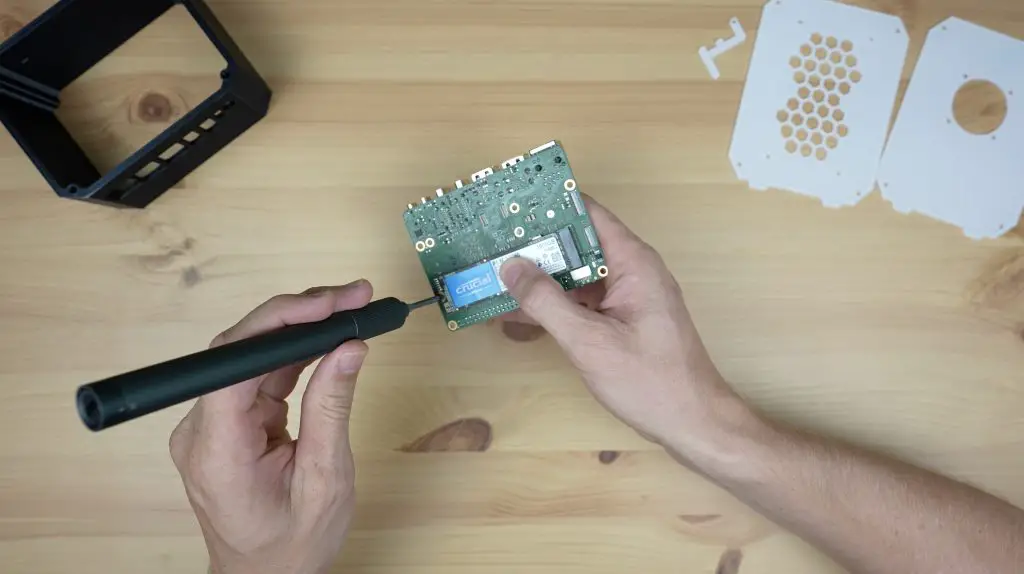
Installing an NVME Drive

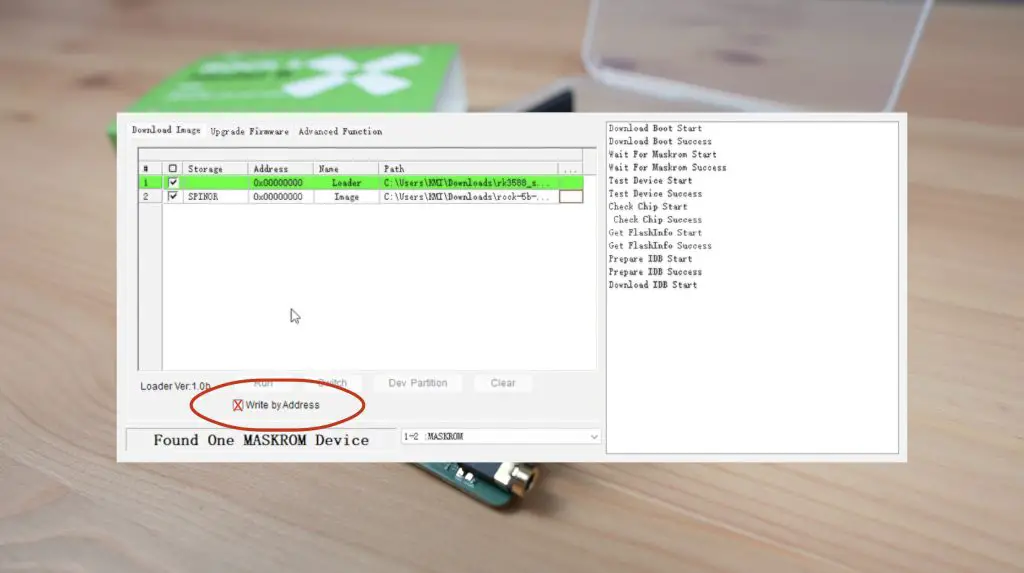
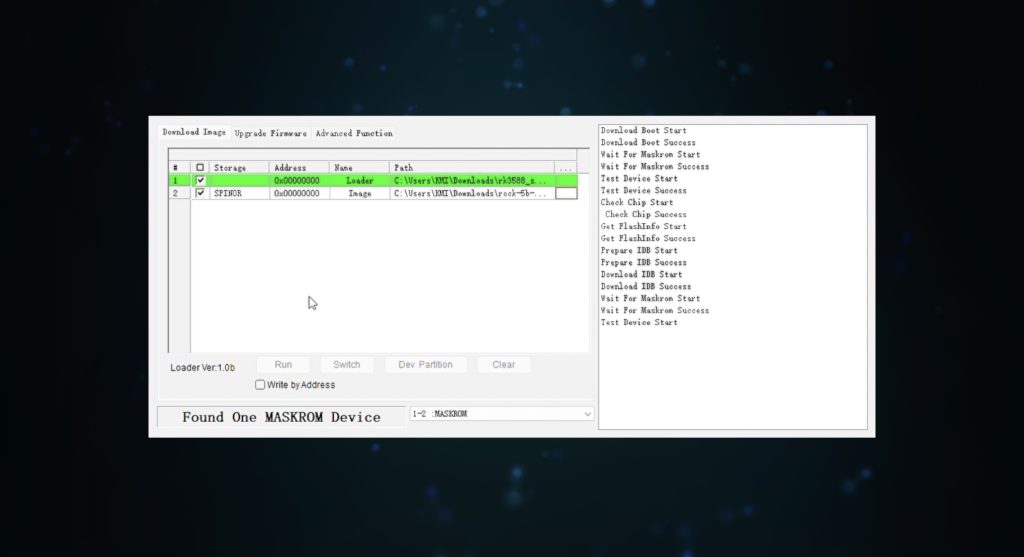
I then tried following their guide to reflash the bootloader on the Rock 5 Model B. You need to do this because the default bootloader doesn’t support booting from an NVME drive. They run you through a process using a utility called RKDevTool which you’ll need to load a configuration file, loader and SPI image into. You then need to get the Rock 5B into maskrom mode and then reflash it. I was able to do all of the initial steps and the utility could see the board, but it crashed whenever it completed the device test, which is when it then starts flashing the image.
Running RKDevTool to Reflash Boot Loader

I tried this on two different computers and with a number of different cables and had the same result, so I wasn’t able to get the board to boot from the NVME drive.

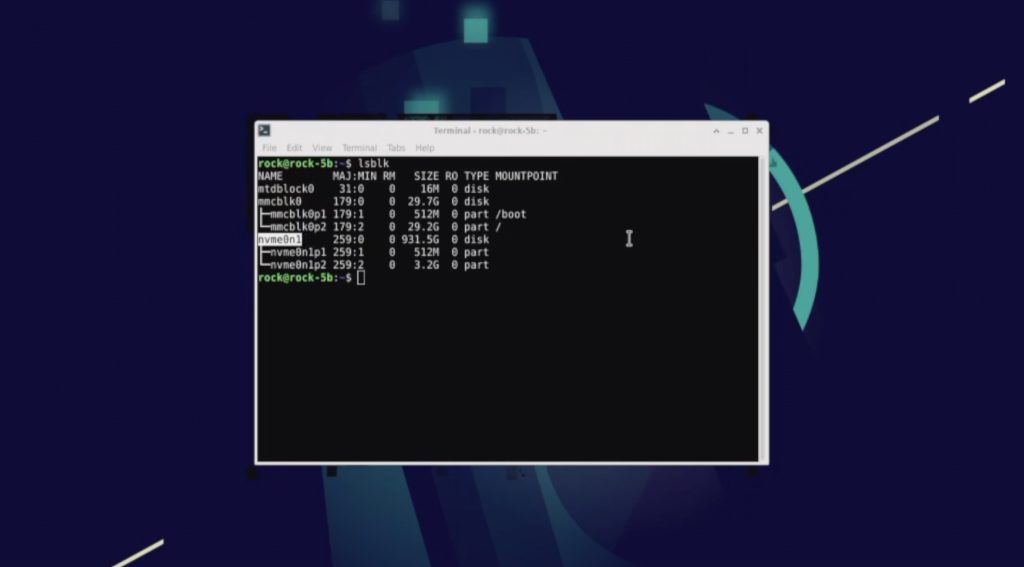
If I boot the Rock 5B form the microSD card with the NVME drive plugged in, we can see that the drive is being recognised but it obviously won’t boot from the drive without the bootloader being reflashed.

NVME Drive Being Seen By Rock 5 B

So it was a little disappointing that I wasn’t able to get this to work but hopefully there will be a fix for this issue soon.

Final Thoughts On The Rock 5 Model B

The Rock 5 Model B certainly has the potential to be a great choice for those looking for a powerful SBC with low power consumption. The RK3588 processor offers a significant performance improvement over a board like the Raspberry Pi 4, however, as with most of these alternatives, the Rock 5’s software and documentation still need a lot of work.

Most of the documentation and guides for the Rock 5 Model B are either at a very high level or are simply placeholders for development at this stage. I’d also like to see a full Ubuntu image for the Rock 5B as I personally prefer this OS over Debian.

With a starting price of just $129, this board is really good value for money given its specifications. The lack of WiFi is a bit disappointing, but I’m happy with the ability to add one through the M.2 E Key port if required and I really like that they’ve given us a 2.5G Ethernet port. I think the $20 increase to $149 is well worth it to double the RAM to 8GB. Most people won’t need 16GB of RAM, but it is nice to have this option if required.
Let me know what you think of the Rock 5B in the comments section below and let me know if there is anything you’d like to see me try to run on it.
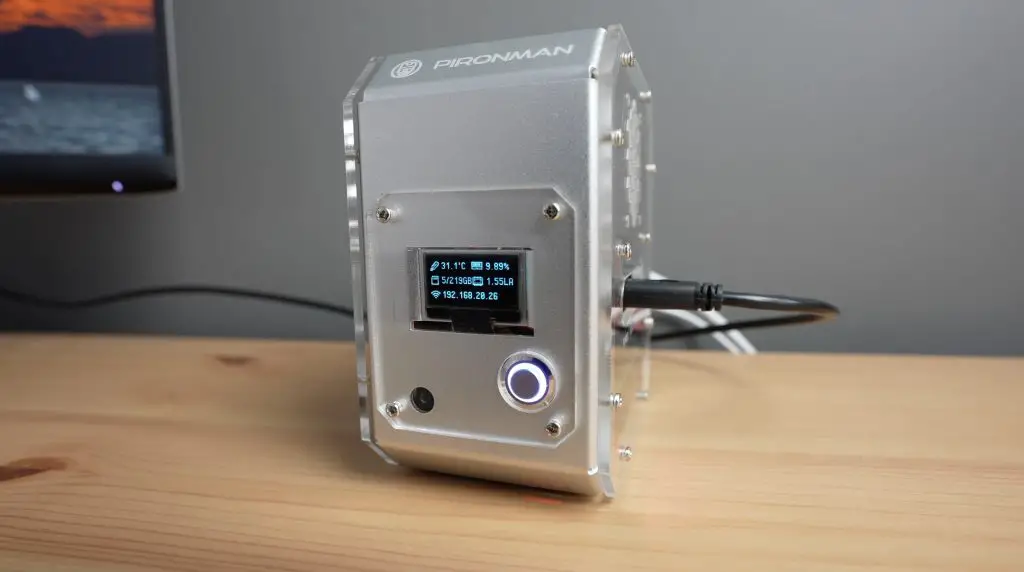
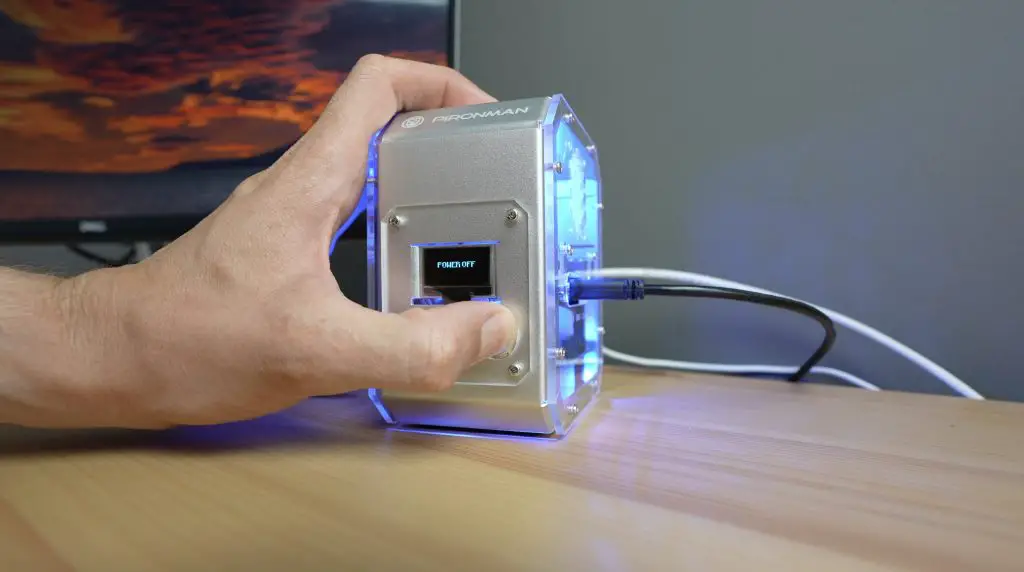
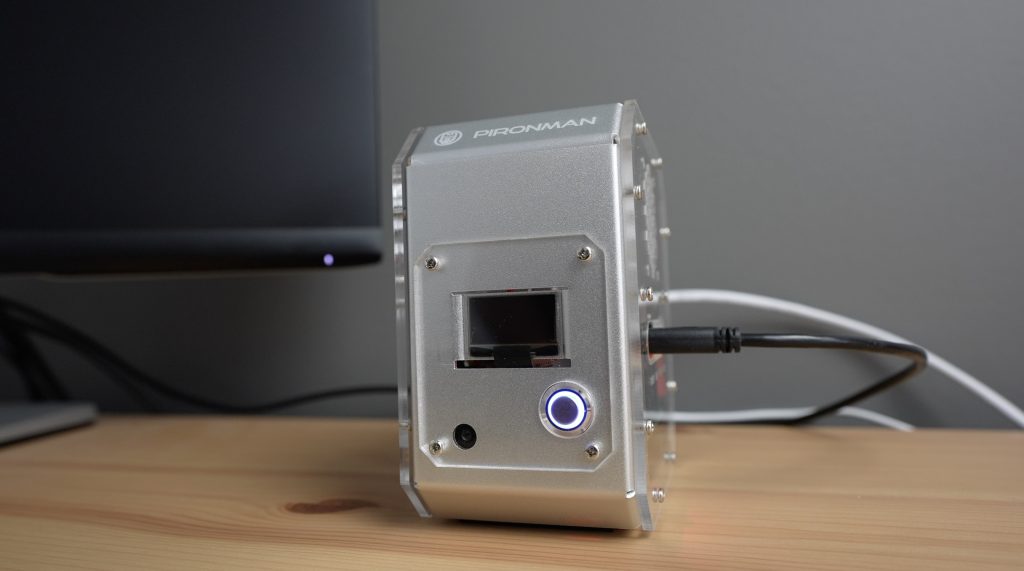
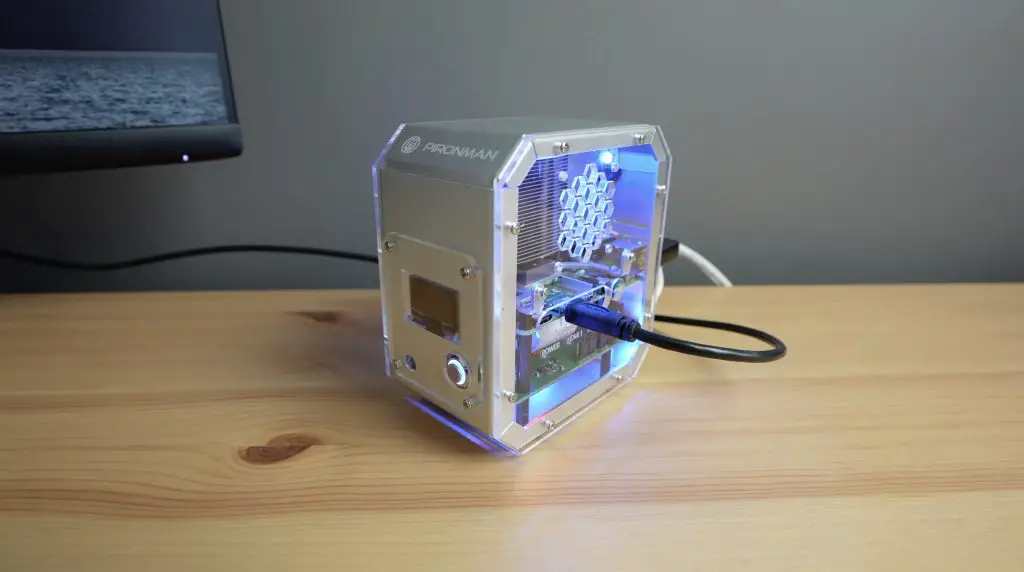
Awesome Cyberpunk Case For The Raspberry Pi 4 – Pironman by Sunfounder

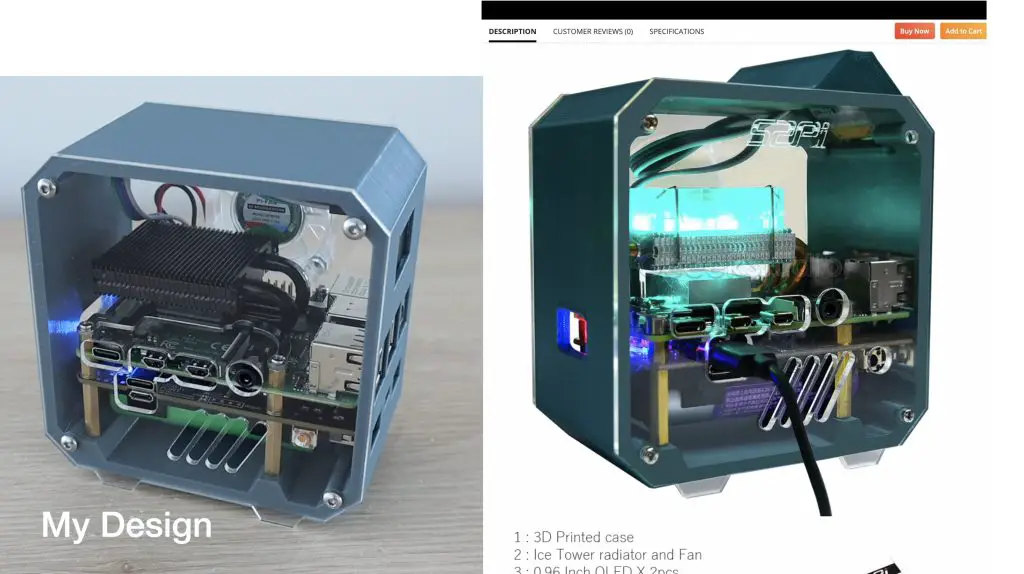
Since I created the first version of my Raspberry Pi desktop case back in 2020, a number of manufacturers have made spinoffs of the design, with some less spun off than others. Some even asked me to review the case design that they unashamedly copied.

Copy of My Raspberry Pi UPS Case

Then Sunfounder reached out a few weeks ago and asked me if I’d be interested in trying out their new Pironman case.

Unlike some of the others, this case, although bearing some resemblance, has actually been designed from scratch. They’ve also put some effort into designing a case that meets a number of the common things people look for in a Pi case.

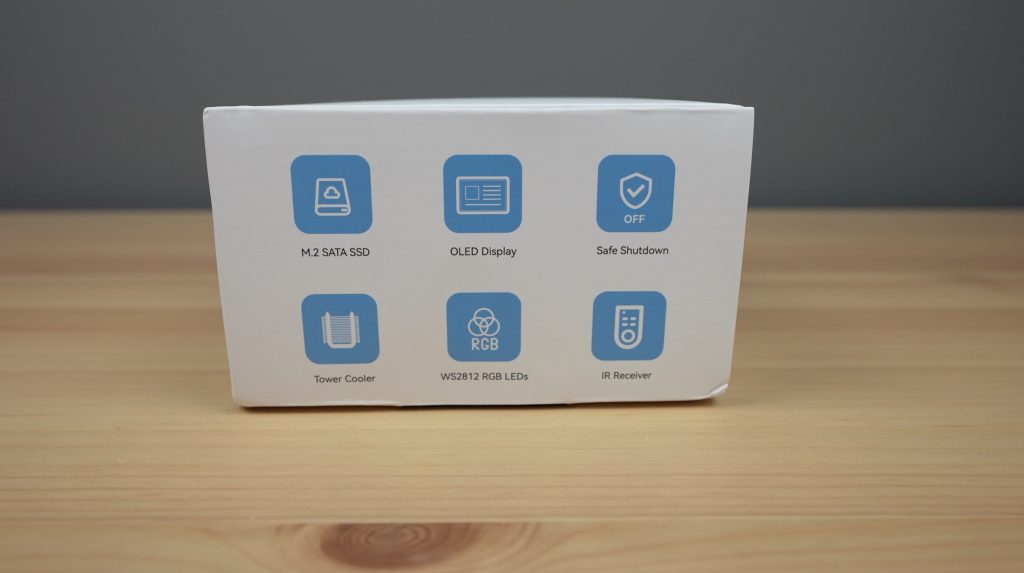
Pironman Case Features

So let’s get it unboxed, take a look at what it includes and get it set up.

Here’s my video review which also shows some of the functionality of the case at the end, read on for the written review:

Where To Get The Pironman Case

Tool & Equipment Used:

Unboxing And First Look

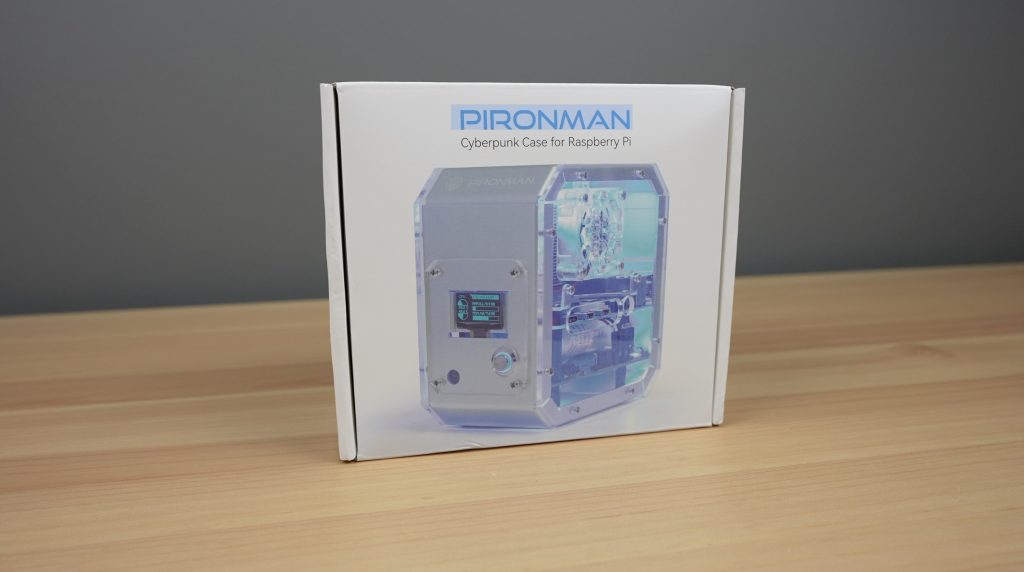
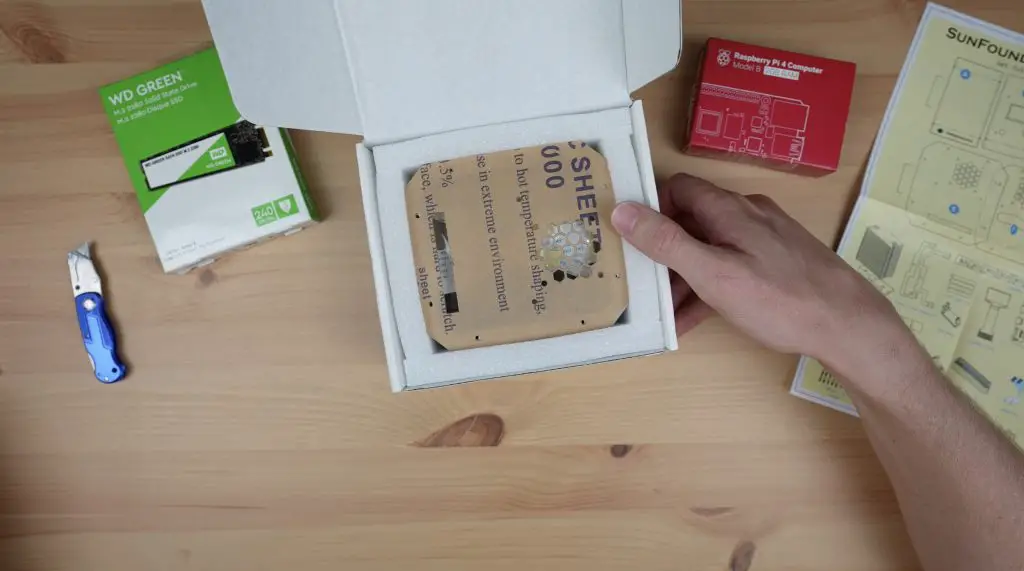
The Pironman Case comes in a branded white box with an image of the case on the front and some specifications on the back.

Pironman Cyberpunk Case by Sunfounder

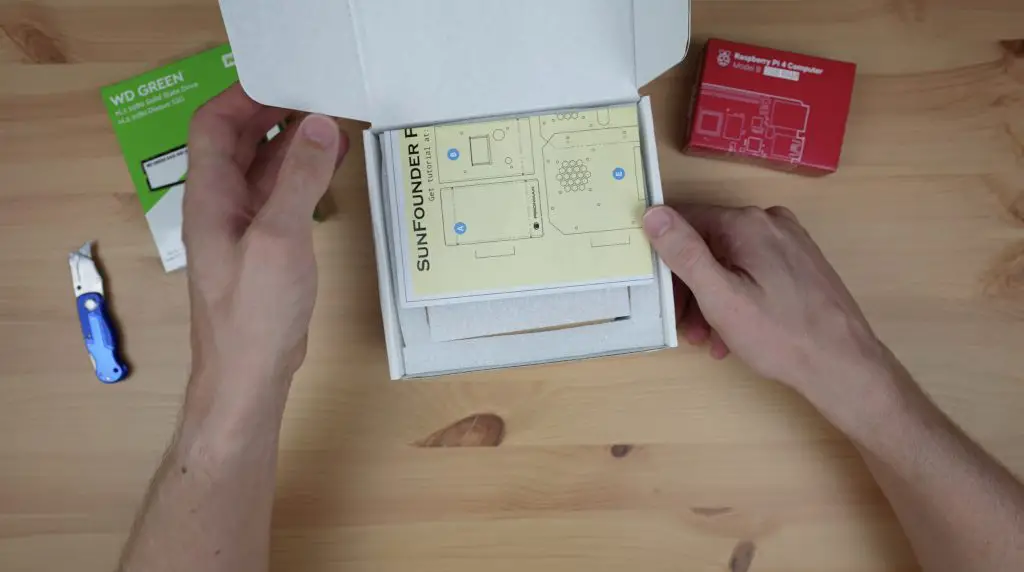
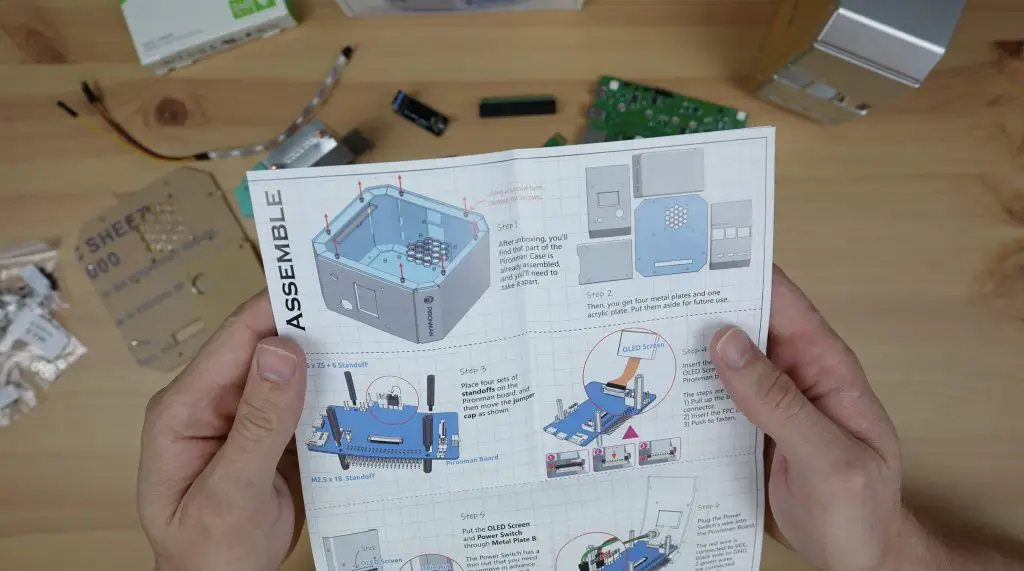
In the box, first up are the assembly instructions. I’ll go through the instructions in a bit more detail when putting the case together but at first glance, they’re quite well-written and are also illustrated to guide you through each step.

Pironman Case Unboxing

Below the foam insert is the case and components, with additional foam padding around the edges. Overall it is well packaged with very little chance of damage to the case or components.

Pironman Case Components

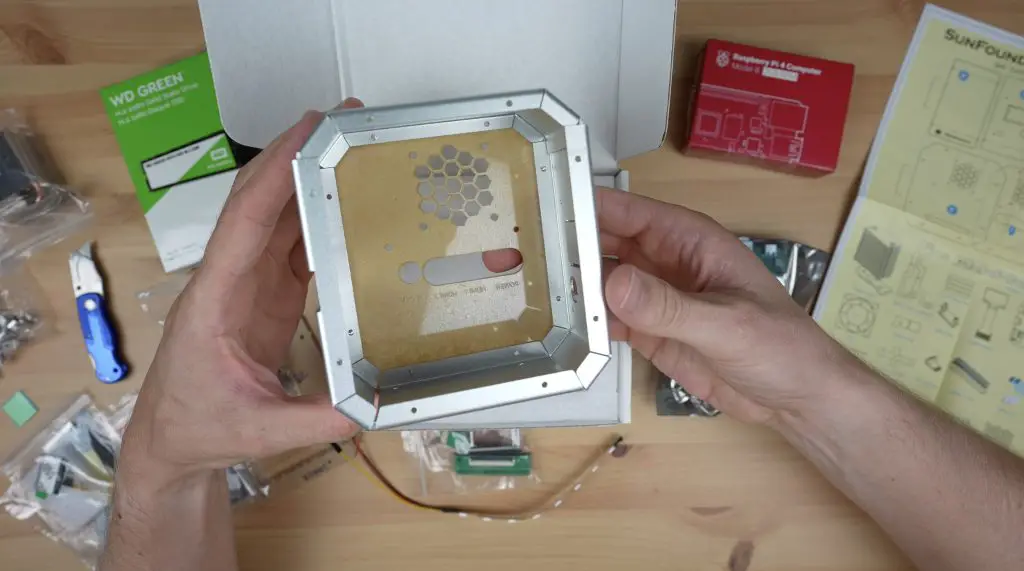
The main body of the case is a folded sheet metal design with a nice metallic silver finish and the ports or cutouts are all clearly labelled.

The side panels are 3mm clear acrylic and they’re sent with the protective film in place on one side so that they don’t get scratched.

Pironman All Metal Raspberry Pi 4 Case

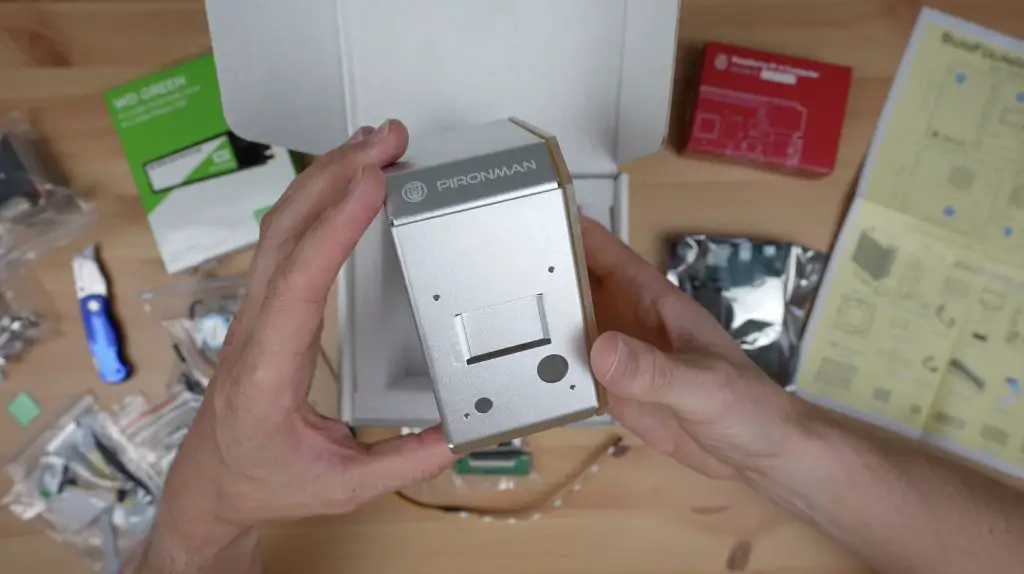
It’s also got their Pironman logo laser etched onto the top front edge.

Pironman Raspberry Pi 4 Case, Laser Etched Logo

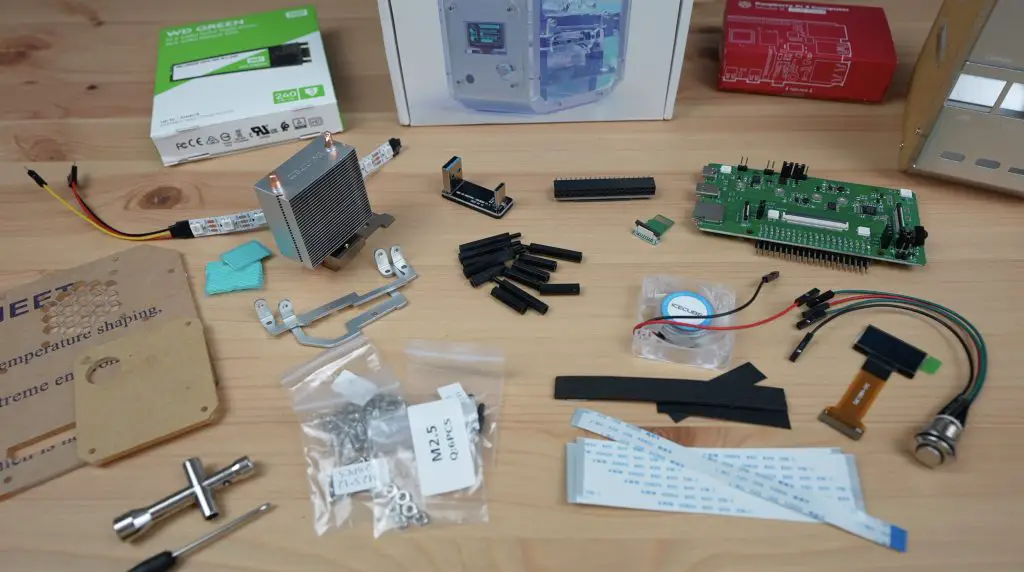
Included with the case are thermal pads for the cooler, ribbon cables for the carrier board, an I2C OLED display to show the Pi’s CPU, disk and ram usage as well as the temperature and IP address, a pack of standoffs and screws, an addressable RGB LED strip, an Ice Cube cooler which seems to be custom made for this case as it doesn’t have the screw holes to mount the fan directly onto it like their standalone cooler, some tools with the cooler brackets, a power switch, acrylic front panel cover and fan, a GPIO adaptor and USB jumper and finally, the main carrier board.

All Components Included With Pironman Raspberry Pi Case

So you can see you really get a lot with this case, but that also means that putting the case together is quite a process – mainly because there are so many parts.

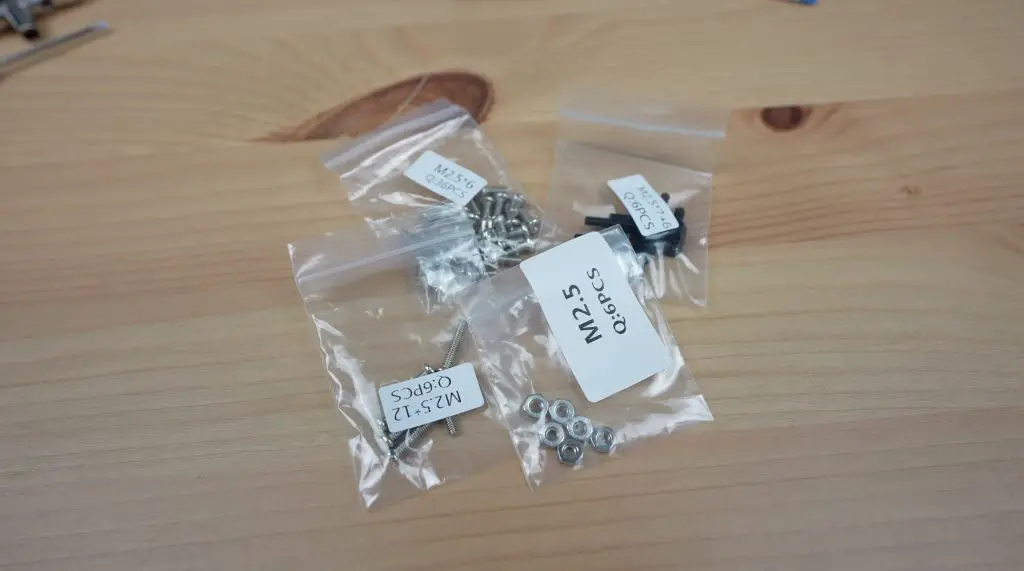
The instructions are pretty good though and the screws and adaptors are all well-identified. So let’s get it assembled.

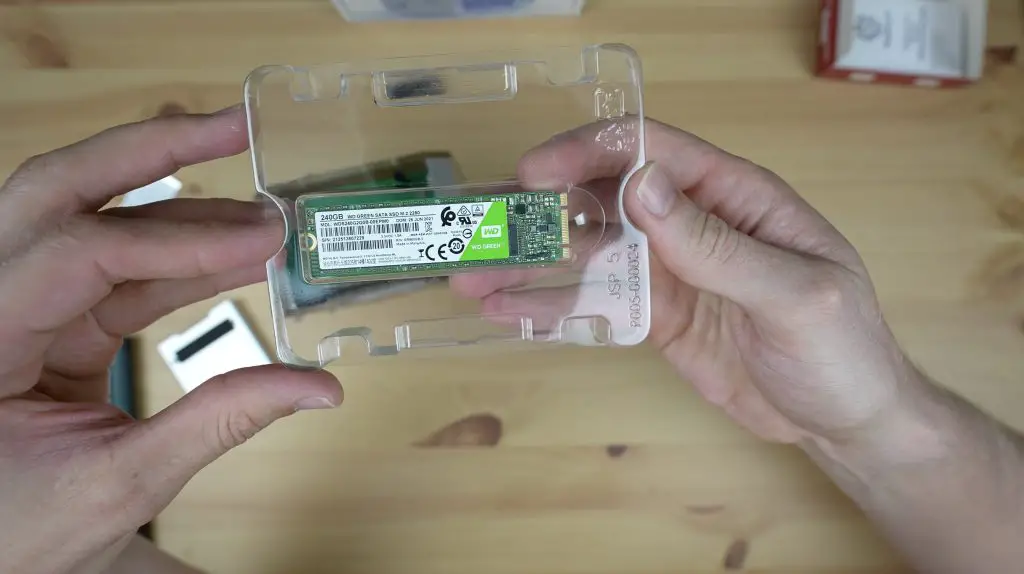
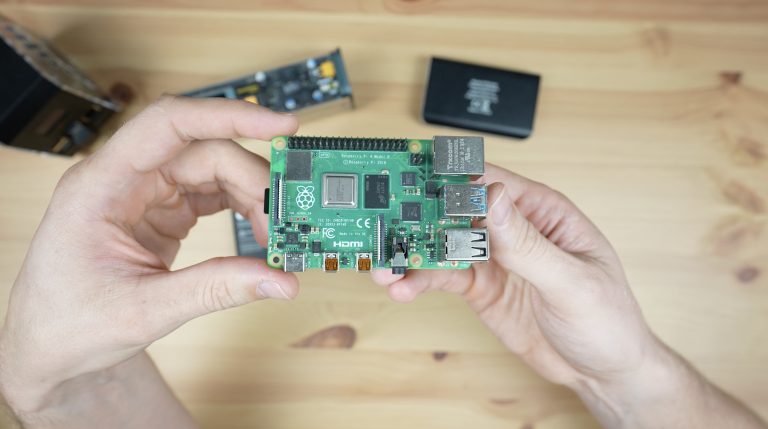
The case is designed for use with a Raspberry Pi 4 and also an optional M.2 SATA SSD. So I’m using a 2GB Pi 4 and a spare 240GB SSD which I’ve used recently on another build.

Assembling The Pironman Case

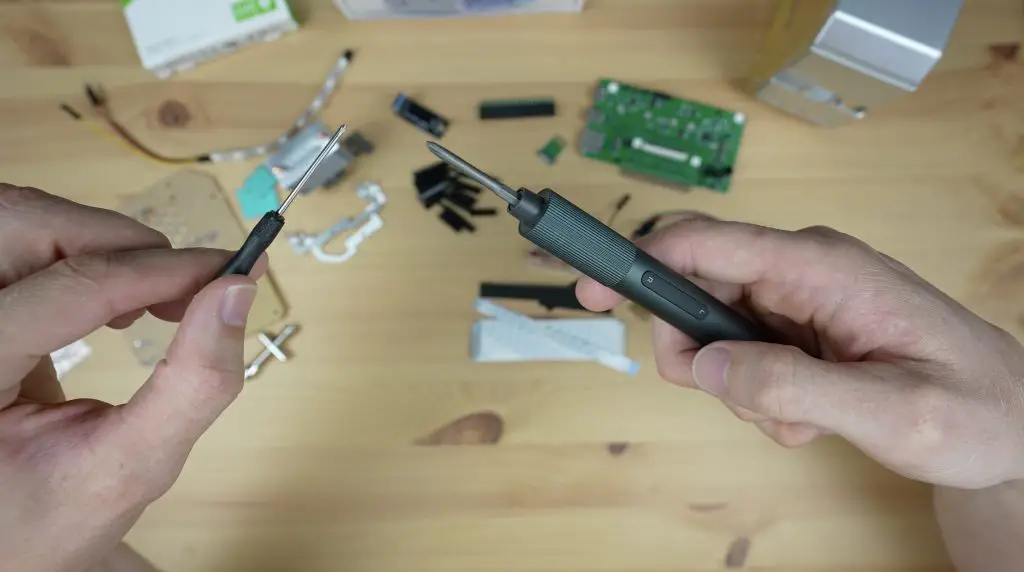
To get the case assembled, they include a small screwdriver but with the number of screws we’ve got, I’m going to rather use my electric driver.

Electric Screwdriver Instead Of Included Driver

I’m not going to go into too much detail on the assembly process here as it’s all in my video and mainly just follows the written instructions. I have however written about some of the issues I ran into and some of my thoughts on the components.

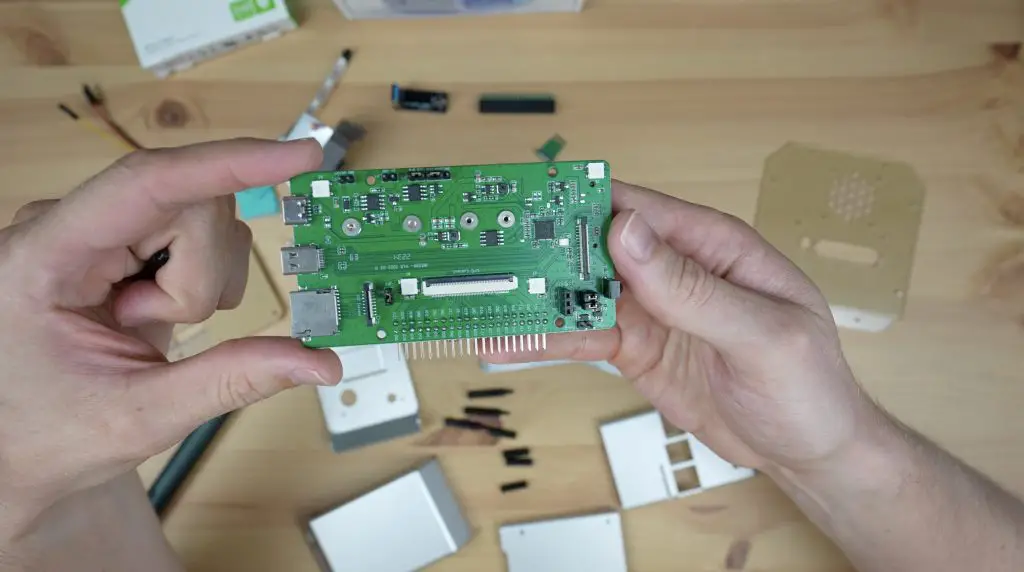
The assembly process starts with the carrier board. This is the best part of this design in my opinion. This board has an M.2 slot for a SATA SSD, pins to control the addressable RGB LED strip, an IR receiver if you’re going to use the Pi as a media player, an external GPIO header and a power button input. It’s also got an SD card slot that is brought out to the back of the case with a little adaptor so that you have the option to swap out the SD card without dismantling the case.

Pironman Case Custom Carrier Board

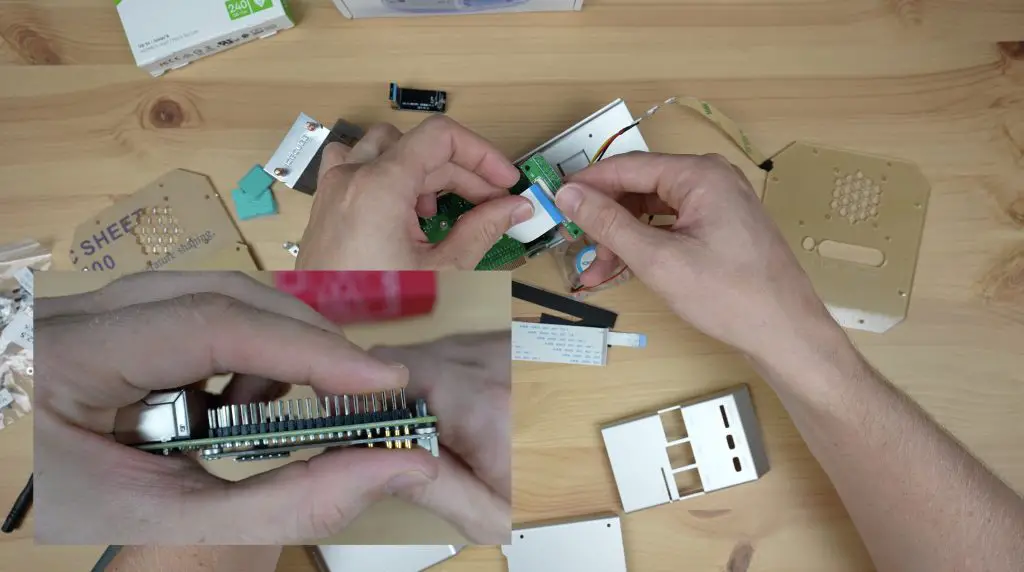
A ribbon cable connects the GPIO adaptor to the carrier board. This is to connect the Pi’s GPIO pins to the carrier board to control things like the display, LED strip, power button and fan. I don’t really like the way they’ve done this, I think it would have been easier to use an arrangement like the pogo pins used on some UPS shields.

Pogo Pins To Connect To Raspberry Pi 4

These ribbon cables are quite fragile and tear easily, although they do give you a spare, and it makes it more of a challenge to install this ribbon cable alongside the second for the SD card adaptor.

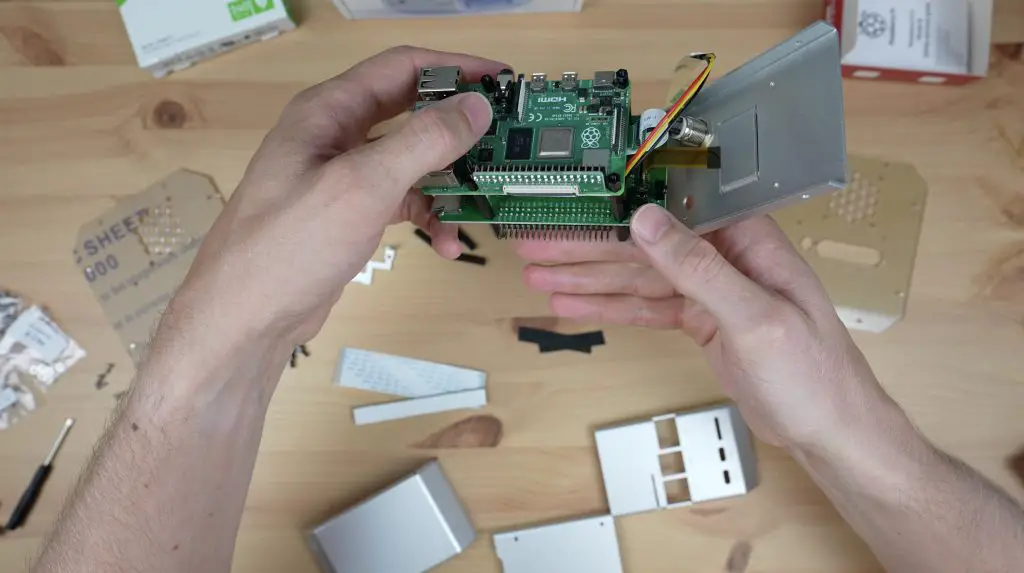
The Raspberry Pi is held in place on the carrier board using some M2.5 nylon standoffs and we can then plug all of the adaptors in.

Connections To The Raspberry Pi

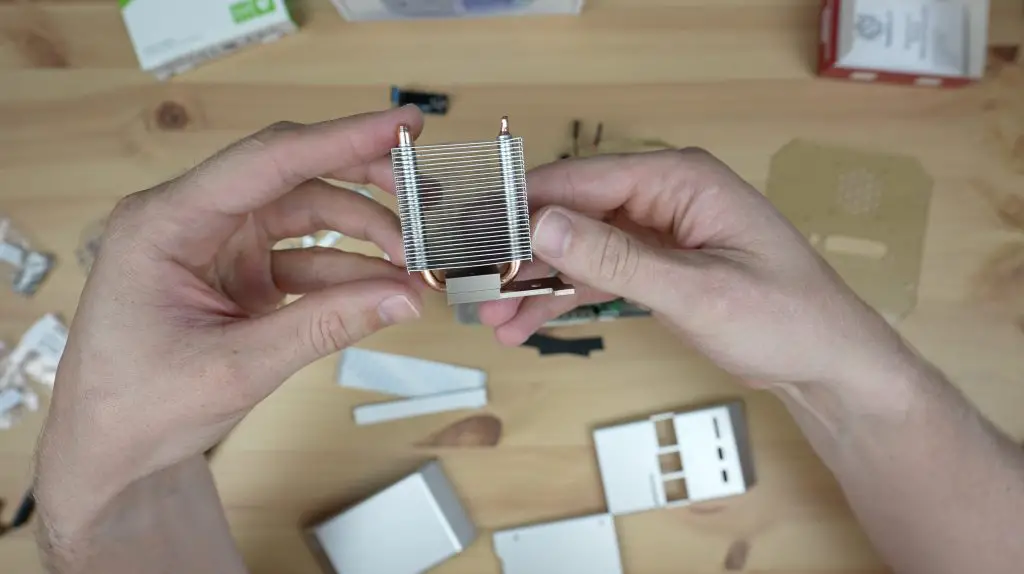
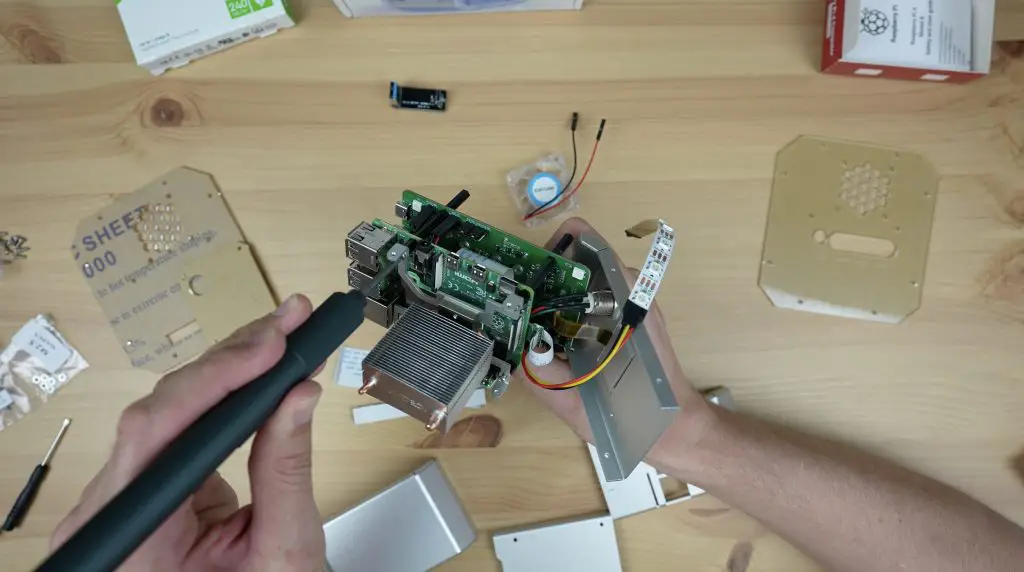
Next up is fitting the Ice Cube cooler. I’ve said in a previous project that I prefer this to the Ice Tower cooler as it covers and provides cooling to the chips surrounding the CPU as well.

The fins on the heat sink are quite fragile and were already slightly damaged when it arrived. So take care not to put too much pressure on them.

Ice Cube Cooler Fins Are Fragile

The panels all go together with M2.5 x 6mm screws, which is quite easy, but there are a lot of them. I didn’t tighten them when I first installed them just so that there was a little allowance for movement to make sure they all lined up properly first.

And before installing the second side panel, we need to mount the fan to it. They include mounting holes for the fan on either side of the case, so you can go with either option. One issue I did find with this though is that the fan hub protrudes from the housing enough that it catches on the acrylic. So you can only install the fan one way around, pushing air out of the case.
Fan Blades Catch On Acrylic Cover

This probably doesn’t make much difference to the thermals but I like having the hub side of the fan visible as the opposite side has an ugly sticker on it. I tried pressing the hub down onto the motor a bit further but that didn’t make any difference.
Fan Sticker Visible Through Acrylic Panel

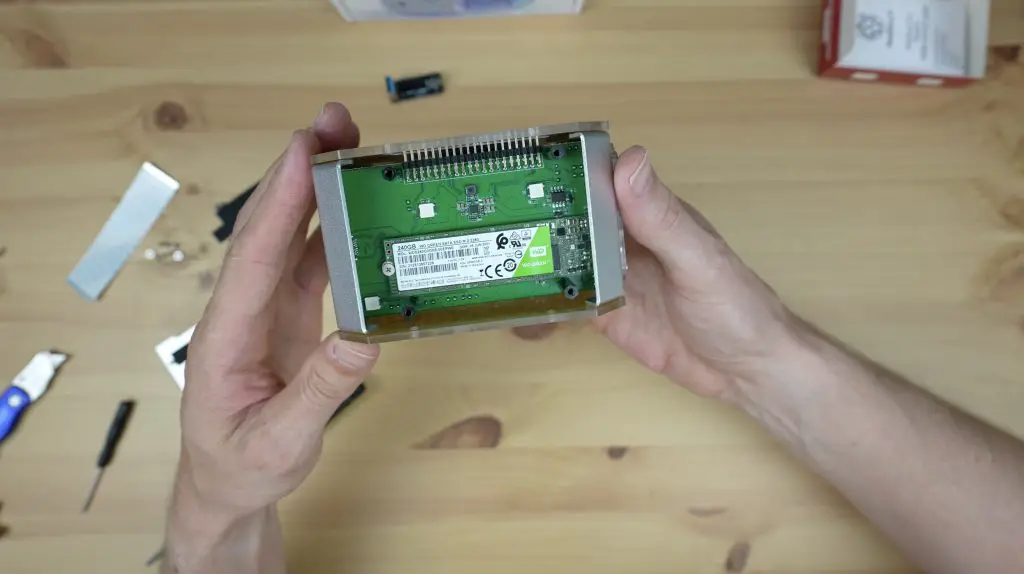
Last up is installing the optional M.2 SATA SSD on the bottom of the carrier board. This is an easy process with 8 screws on the removable bottom panel.

Installing The M.2 SATA SSD

Just to be clear, this is an M.2 SATA drive, not an NVME drive. A lot of people told me in a previous project that it was a waste to use an NVME drive that is connected through a USB 3.0 port. This drive, being an M.2 SATA drive, actually has a pretty similar speed to the USB 3.0 ports on the Pi at around 600 MBps.

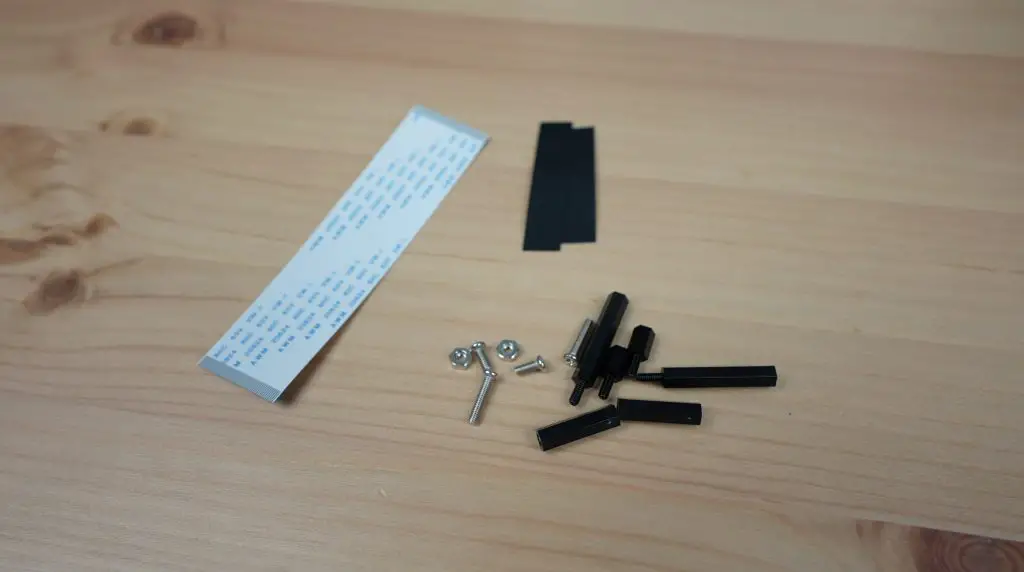
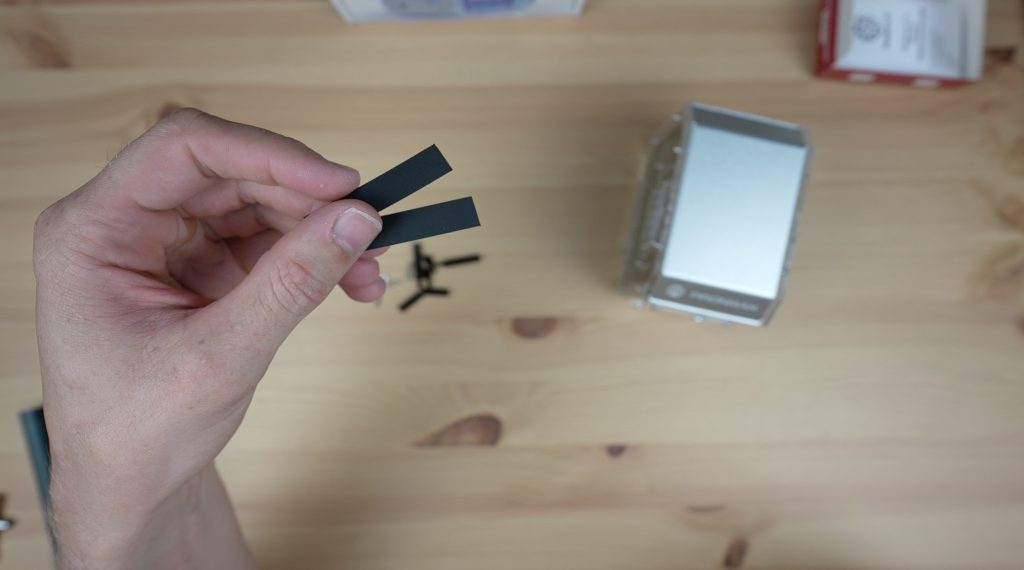
There were some parts left over after assembly, which I assume are spares. The two black strips look like ones typically used for cable management but aren’t mentioned anywhere in the instructions, so I’m not sure what the intention behind them is.

Installing Raspberry Pi OS and their Pironman Script

With the case all assembled, let’s get it booted up, load the Pironman script and see what it looks like.

I used this drive previously, so it’s already got Raspberry Pi OS loaded and it’s still got my stats script on it, which looks like it works with this display as well.

Pironman Case Original Stats Script Working

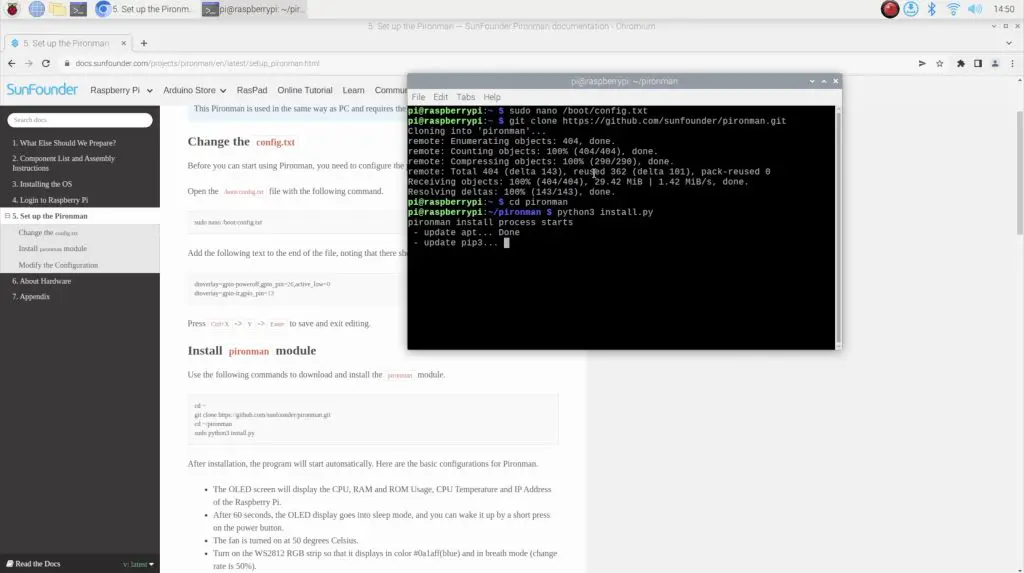
On their website, Sunfounder have got instructions on how to set up the software to control their custom components. First, you’ll need to make changes to the configuration file for the power button and IR receiver to work.

Then you’ll need to install a script from their Github repository which will control the OLED display, turn the fan on and off at a certain temperature, control the RGB LED strip and activate a safe shutdown of your Pi when you press and hold the power button.

Pironman Case Configuration

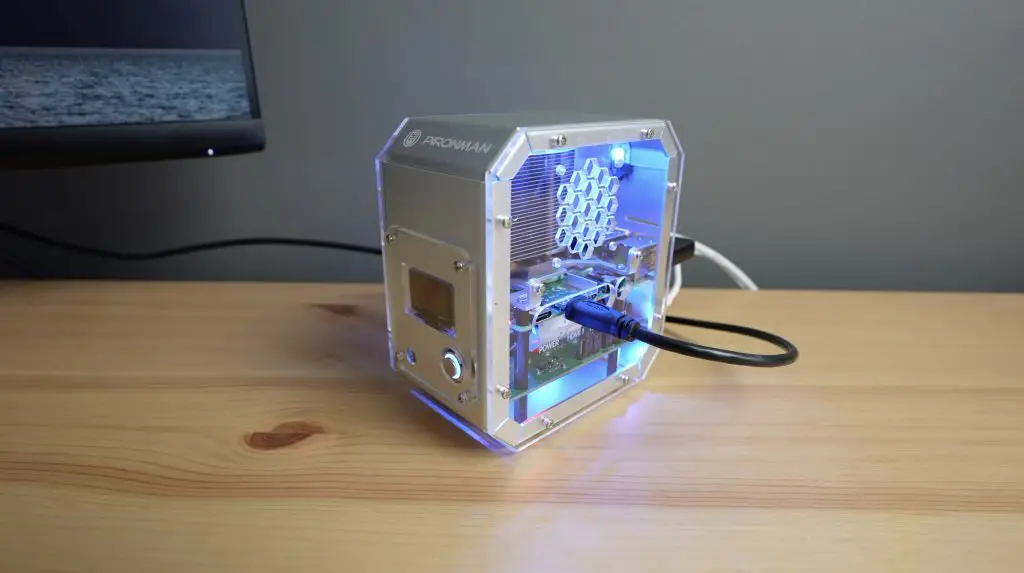
Once you’ve loaded it then the LEDs inside the case light up and this looks quite cool.

LED Lights Working After Setup

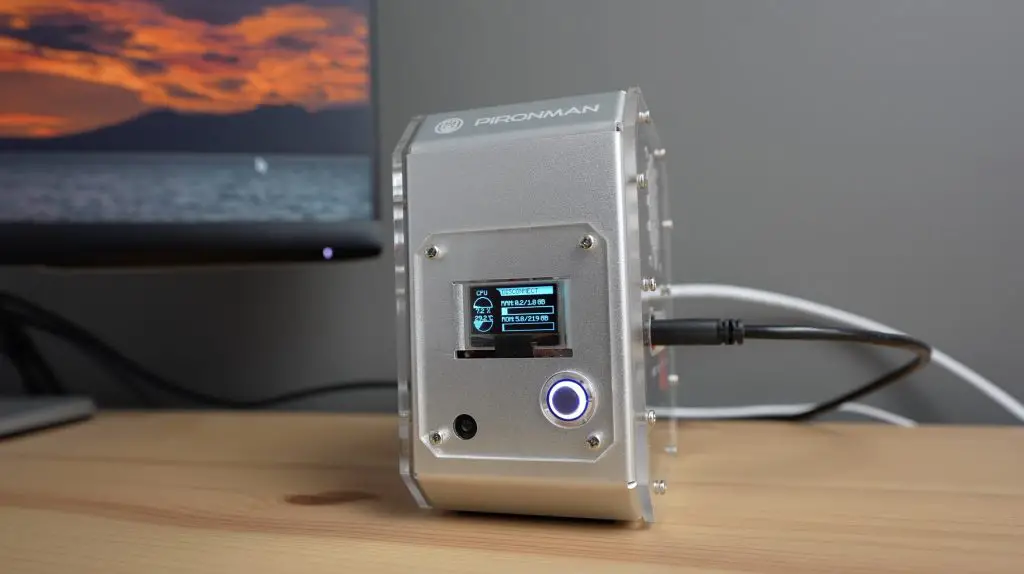
The display also shows their custom stats screen.

Pironman Case Stats Script Running

I tried a quick stress test to check if the fan would come on, which it did when the CPU went over 50C.

Fan Running When CPU Temperature Exceeds 50C

I then also tried playing around with some of the RGB light settings. You can change the light sequence and colours and also how quickly they change or pulse.

The display goes to sleep after a period of time, which you can customise, and you short press the power button to wake it up again.

Stats Script IS Displayed With Short Power Button Press

If you long press the power button, it’ll shut down your Pi. The lights and fan stay on for a while after the Pi shuts down but do eventually turn off as well.

Pi Shutdown With Long Button Press

And finally, pressing the power button wakes the Pi back up again.

Pi Shuts Down and LEDs Turn Off After A While

Final Thoughts On The Sunfounder Pironman Case

Overall, I quite like the detail that they’ve put into the case design. It’s a good quality case that will last a long time, and it’s really got all of the optional extras that you’d want if you’re going to be using your Pi as a mini-computer.

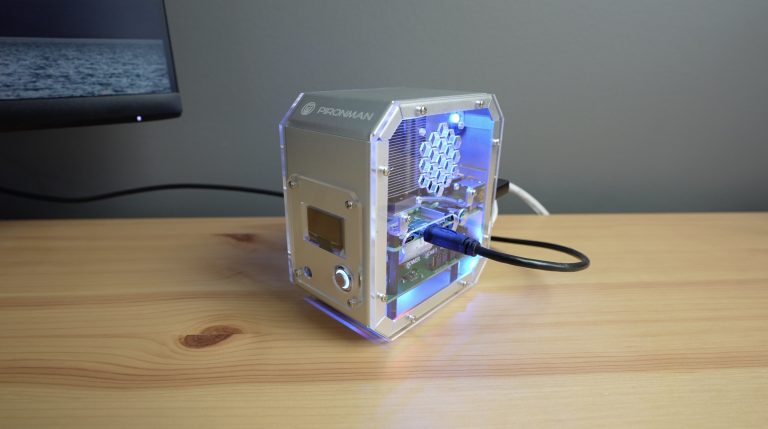
Pironman Case By Sunfounder

After putting the case together and using it for a few days, there are a couple of things I’d like to see improved.

I like that the fan is mounted onto the side panel rather than on the cooler so that it is actually drawing fresh air into the case, but I would have made the exhaust vents a little bigger than the input as you don’t want to restrict the airflow out of the case. They’ve obviously done this so that you can put the fan on either side if you’d like to.

The other more significant thing is the general assembly process. I think they’ve made the design slightly more complicated than it needs to be. The metal housing could have just been two parts instead of four. It’s great that the bottom is removable to get to the SSD but the other three sides should all be a single piece. This would make installation much easier and would reduce the number of screws required.

I’d definitely recommend having a look at the Pironman case for your Raspberry Pi, it’s one of the better ones I’ve seen and is good value with the SSD carrier board included as well. Let me know what you think of it in the comments section below.

I Made An Only Fans Case For My Raspberry Pi

Every time I’ve made a new case for my Raspberry Pi, there are always a few comments suggesting adding another fan or making improvements to the cooling, so today I’m going to put these suggestions to the test by building a case that has as many fans as possible to find out if more fans really result in lower CPU temperatures.

Raspberry Pi SSD Window Case Design

Now this wouldn’t be a test without some sort of data to compare it to, so we need a baseline to see what the CPU temperature is in my usual Pi case design.

I’m going to be comparing three configurations;

  • A baseline small heatsink placed onto a Pi in my standard desktop case design with a fan on the side panel,
  • An Ice Tower cooler on the Pi like I use in most of my designs,
  • An Ice Tower cooler in a case where every possible space is filled with a fan.

I’m going to run each test at the Pi’s base frequency of 1.5Ghz and I’ll then overclock the Pi to 2.2Ghz and see how that affects the temperatures.

Heatsink Test At 1.5Ghz

For each, I’ll be starting at room temperature, which is about 25 degrees, and I’ll run a utility called CPU burn which maxes out the Pi’s four cores and I’ll leave this running until the temperature stabilises or we start thermal throttling.

Watch my video of the build and test below or read on for the write-up;

What You Need For This Project

Equipment Used

  • Gweike Cloud Laser – Buy Here
    • Use my discount code MK200 on checkout to get $200 off
  • Electric Screwdriver – Buy Here
  • Acrylic Bender – Buy Here
  • TS100 Soldering Iron – Buy Here

Designing The Fan Case

To start off, I had to work out how many fans I’d need. Each fan is a square of 40mm and is 11mm deep, and a Raspberry Pi is 85mm long and 56mm wide.

So to cover the full length of the Pi with the SD card sticking a little out the back we’re going to need 3 fans, and to cover the width we’ll need 2 fans. We also need a bit of height to leave space for the Ice Tower on top of the Pi, so I’m going to make it two fans high. I’m not going to put any fans underneath the Pi as they’re restricted by the desk and there is nothing to cool on the bottom.

So I’ve got space for 6 fans on each side as well as 6 on the top, and space for 4 fans at the front and the back. We can’t have fans blocking the ports on the front of the Pi, so I’m going to get rid of the bottom two fans in that area and I’ll add some port cutouts into the design. So we’ll need a total of 24 fans for this design.

Fan Layout Around Raspberry Pi

A not-so-quick Aliexpress order and two weeks later these arrived.

Box Of Fans Arrived From Aliexpress

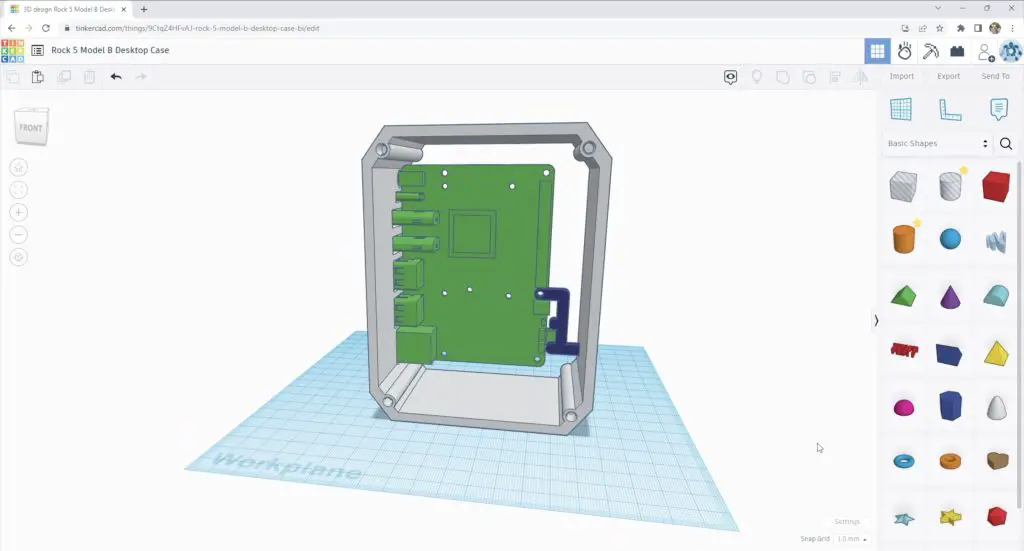
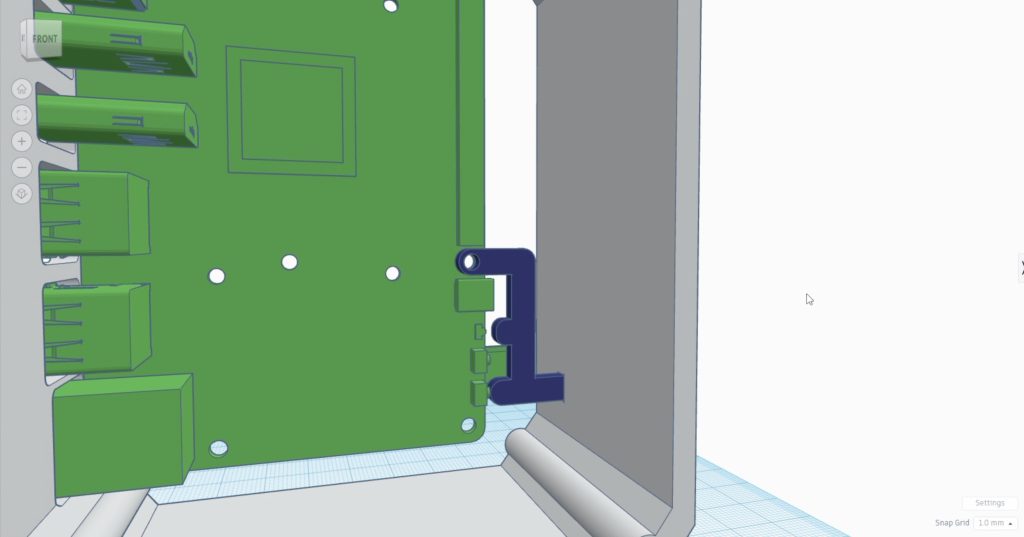
Now I could just glue them all together but that’s going to be a challenge at the corners and is going to make mounting the Pi difficult, so we need some sort of frame to hold the fans in place. The easiest way to make up this frame is going to be with some 2mm clear acrylic that I can laser cut.

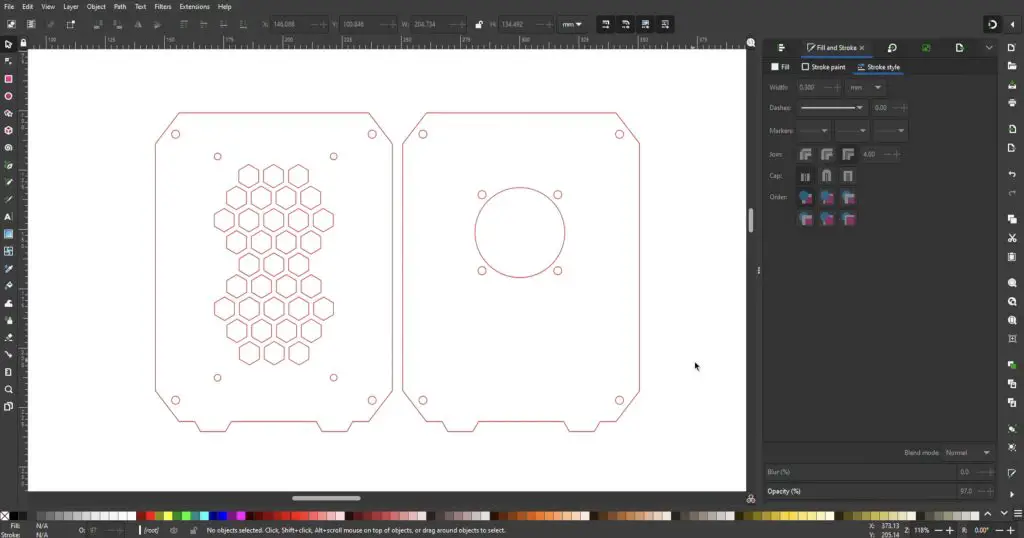
I drew up the design below in Inkscape.

Laser Cutting Design

Laser Cutting Frame Design For Fan Case

The design doesn’t add any restrictions to the fan’s airflow, it is there purely to hold the fans in place, so the hole for each fan is slightly larger than the fan diameter. It’s made up of two parts which will each be bent into a U shape to fit together and I’ll then need some 90-degree brackets in the corners to hold the two pieces together.

Making Up The Fan Case Components

I laser cut the two parts from a single sheet of 2mm clear acrylic.

Laser Cutting Fan Case Design

I then bent the parts using an acrylic bending tool to heat up a line between the notches cut into the sides and I used a wide 90-degree bracket to make sure that the bends came out square.

Acrylic Bending Tool To Bend Case

Both of these turned out to be a bit more difficult than I had hoped. I bent the sides on the first piece the wrong way around and had to go back and reheat them to bend them the other way. The second piece was longer than the element on the bending tool so I had to reheat it from both sides a couple of times before it was hot enough to actually make the bend. But I eventually got the two parts made up correctly in the end.

Now that I’ve got the parts in my hands, I actually think it’s going to be easier to hold together if I glue some brass inserts onto the base for the sides of the top section to screw into, so I’m going to glue an M3x10mm standoff into each corner which aligns with the corner fan screws.

Frame Of Case Built Up

Mounting The Fans Onto The Case Frame

Next I need to get all 24 of these fans mounted onto the case frame. To do this, I’m using the four M3 button head screws and nuts that came with each fan.

Fans Mounted With M3 Screws

I realised at this stage that I hadn’t really decided which fans would be pushing air into the case and which would be pulling air out, so I decided that it would be best to have an even split and since people often complain about air dead spots in my case design I thought it would be best to have all of the fans on one side pushing air into the case and all of the fans on the other side pulling air out of the case. This is so that there are no fans opposing or competing with each other.

Fans Pushing Or Pulling Into Case

I then mounted all 24 fans onto the two case halves, with all of the fans on the left blowing air into the case and all of the fans on the right pulling air out of the case.

With the fans all done, we can mount the Raspberry Pi and Ice Tower assembly into the case. With the bend in the acrylic, the ports are slightly too high so I’ve added a nut as a spacer onto the bottom of each stand-off so that the Pi sits a little higher.

I’m also adding a small rubber foot on each of the four corners of the base so that it doesn’t vibrate itself around my desk.

Installing Rubber Feet Onto Bottom Of Frame

I’ve got some 90-degree cables for power and HDMI so that these can run through the base.

Plugging Power and HDMI Cables Into Pi

The next challenge is how to power the fans. Each one runs on 5V and draws around 0.1A. They’ll run individually on the Raspberry Pi’s GPIO pins, but when there are 24 of them, we easily exceed the capacity of the Pi. We probably even exceed the USB C power adaptor’s capacity with the Pi running as well. So I have to rig up another power supply just to run the fans – this power supply can do 5V 2.5A which is perfect.

Power Adaptor To Power 24 Fans

Now I just need to connect each of the fans to the power supply. I’ve made up a few connectors to connect the fans up in groups in a way that doesn’t have them all running through a single set of jumper leads, which would overload the leads.

Power Cable and Jumper Lead Adaptors

I then used some zip ties to neaten up the wiring and try to keep the wiring out of the fan blades. This also turned out to be a lot more difficult than I thought. There isn’t a lot of room within the case, so every time I put the two pieces together, some of the wiring landed up in a fan. After a bit of frustration, I eventually managed to sort it out and get the fans spinning freely.

I’m not going to power it up just yet, let’s first backtrack a little and let me show you the results from my first two tests.

Testing My Original Desktop Case Design

I wanted to use the same Raspberry Pi across all tests for consistency, so the Pi that is currently in the fan case is the same one that I used earlier for these tests.

For the first test, I put a small aluminium heatsink onto the Pi and then put it into my desktop case. It’ll be cooled by a single fan on the side of the case.

I booted it up and then ran CPU burn with the CPU clock frequency at the standard 1.5Ghz. The temperature actually stayed lower than I expected and it stabilised at around 53 degrees after 3 minutes.

I then overclocked the Pi to 2.2Ghz and ran the test again. This resulted in a significantly higher running temperature but still didn’t thermal throttle and stabilised at around 75 degrees after 4 minutes.

Here are the results from the Aluminium Heatsink test:

Heatsink Test Results

For the second test, I put the Ice Tower onto the Pi as I usually do with my case designs. This also has a single fan which is mounted directly onto the side panel of the case, pushing air into the case and onto the Ice Tower cooler, and vents out on the opposite side.

Raspberry Pi Running With Ice Tower Cooler

The 1.5Ghz test stabilised at about 39 degrees after 2 minutes.

The 2.2Ghz test stabilised about 10 degrees higher at 49 degrees but took about 4 minutes to get there.

So these are the results from the first two tests, which we’ll be looking to beat with more fans:

Ice Tower Cooler Results

Testing The Fan Case

Let’s start out by getting the fans powered up.

Powering Fan Case

I wasn’t sure what to expect, but to me, it was somewhat underwhelming. You’ll need to watch my video linked at the beginning of the post, but I expected a bit more noise and to feel a lot more airflow around the case. It still looks pretty cool though.

It was also quite nice to see the fans all start off the same colour and run the same RGB loop for a few seconds before slowly drifting off into a mix of colours.

Next, let’s boot up the Pi and see how it handles the test.

Fan Case Booted Up

First, let’s run the test at 1.5Ghz. The fans were making a difference at the start, our starting temperature was a little over 3 degrees lower than with the Ice Tower. The temperature jumped up to 34 degrees quite quickly but stabilised quickly as well.

Next let’s reboot it at 2.2Ghz and try again.

Our starting temperature is about 7 degrees warmer than at 1.5Ghz, so let’s see what it stabilises at.

With the tests done, the results are in. The fan case stabilised at 35 degrees at 1.5Ghz and 44 degrees at 2.2Ghz, both after around 3 minutes.

Fan Case Test Results

Comparing The Results From All 6 Tests

Here are the results from all 6 tests:

Combined Test Results

So the fan case did have an improvement over the standard case, but not in a way that I’d consider a dramatic improvement. The temperature decreased by an average of 4 degrees when running the 24 fans in place of the single fan.

Only 4 Degree Drop In Temperature Between Ice Tower and Fans Case

Given that we’re now using over 2000% more power just to run the fans and that most Raspberry Pi’s are not running flat out continuously, I’d say a single fan on a decent size heatsink like the Ice Tower or Ice Cube cooler is more than enough – even for overclocking.

And If you’re really keen on keeping the temperature of your Raspberry Pi as low as possible, you’ll have more fun water-cooling your Pi. It’s also quieter, more power efficient and cheaper than buying 24 fans.

Water Cooling On Raspberry Pi 4

Let me know what you think of my fan case and let me know if there is anything else you’d like to see me try to cool my Pi with in the comments section below.

I Made The World’s Smallest Server Rack – With UPS and SSD Storage

Having your own home server rack or homelab is really useful, but you have to have a relatively large space to set it up, it generates a lot of heat and can be pretty noisy. So that’s why I built this, the world’s smallest server rack that fits right in on my desk alongside a drink or cup of coffee.

Worlds Smallest Server Rack Running On UPS

It runs Docker, so it can handle a number of containerised network applications, it’s also got a built-in UPS to carry it through a power outage for an hour or so and it’s got an SSD which is used for file and media storage.

So in this guide, I’ll show you how I made it.

Here’s my video of the build, read on for the written guide:

What You Need To Make Your Own Mini Server Rack

Tool & Equipment Used:

  • Creality Ender-3 S1 Pro – Buy Here
  • Gweike Cloud Laser – Buy Here
    • Use my discount code MK200 on checkout to get $200 off
  • Electric Screwdriver – Buy Here
  • Acrylic Bender – Buy Here

Designing The Mini Server Rack

This project came about because when I made up a case for my Raspberry Pi to house a UPS then people asked me to add an SSD and when I made one up for an SSD, then people asked me to add a UPS.

The problem is that both of these boards are designed to sit directly underneath the Raspberry Pi, the UPS because it uses these pogo pins to connect to the Pi’s GPIO pins;

UPS Pogo Pins To Connect To Pi

And the SSD shield because of the jumper to hook it up to the Pi’s USB ports;

SSD Shields USB Jumper

So this got me thinking of a way to mount all three on top of each other, and the solution that came to mind is some sort of rack mount enclosure. These don’t exist in sizes suitable for a Raspberry Pi, so I decided to design my own.

I designed the rack in Fusion360 to look somewhat like a server rack that would be used for a typical home lab. It’s got a tinted acrylic swing door on the front and tinted acrylic side panels. The top, bottom and back are all solid panels, with the back having a cable entry point and the top having a 40mm fan for cooling.

Designing The Rack Mount Server Case

Download the CAD files to make your own Mini Server Rack

Inside, we’ve got space for three racks, one for the Pi, one for the UPS and one for the SSD. I’m also going to mount an OLED display alongside the Pi to provide some stats on resource usage on the server.

Making Up The Server Rack Components

With the design done, I 3D printed the parts in black PLA.

3D Printing The Components

While they were printing, I also laser cut the door and two side panels from 3mm grey tinted acrylic.

Laser Cutting The Acrylic Sheets

So those are the main components for the housing made up, now we just need to add the racks to it to hold the electronics.

Electronic Components To Install In Server

The SSD will be on its own rack at the bottom as this can be plugged in or removed using a USB cable or jumper.

I’m using an M.2 NGFF shield with a 256GB Western Digital SSD.

250GB SATA SSD Plugging Into Shield

The UPS is a bit more complicated because of the pogo pins, so you can’t just slide it in underneath the Pi, it has to be physically screwed onto the bottom of the Pi. So, I’m going to have to combine these two racks into a single double-height rack.

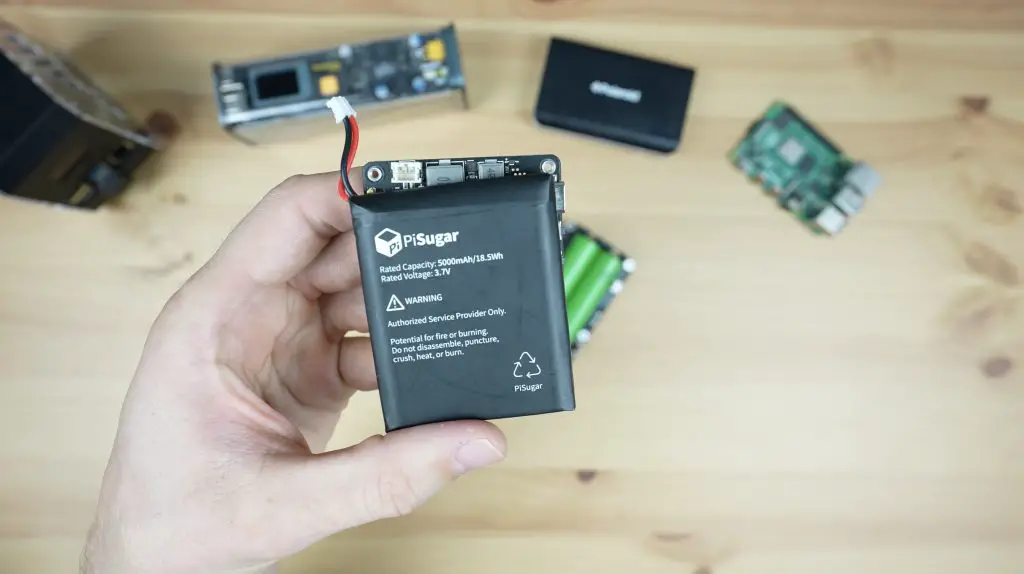
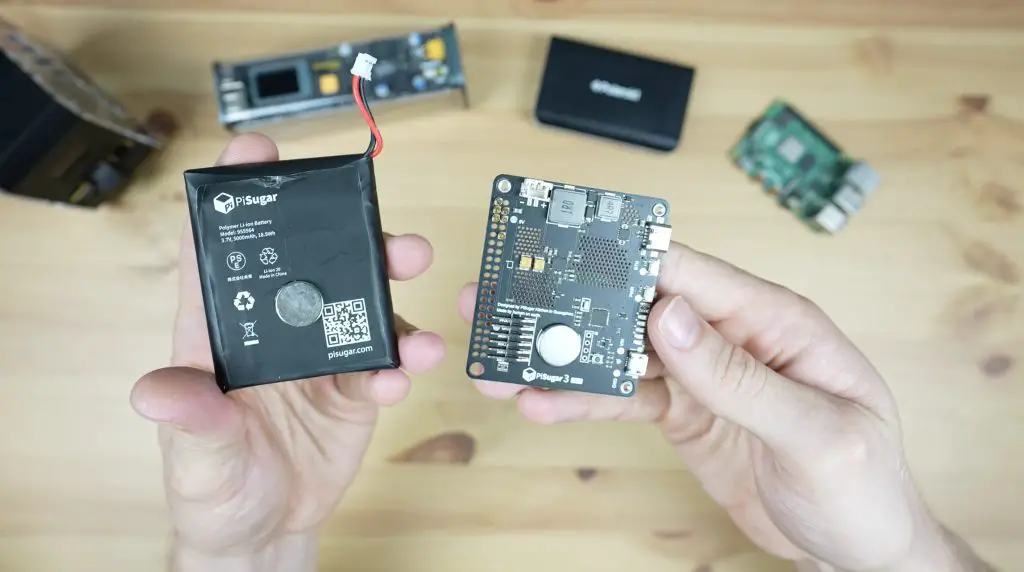
The UPS I’m using is a Pisugar 3 Plus. This has a 5000mAh battery which can run a Pi alone for around 5 hours, but with the SSD connected as well as the fan and display running, I expect this to go down to about an hour or two. It can handle a continuous output of up to 3A, so it’ll have no trouble supplying power to the additional equipment and the SSD as well.

The racks are going to be made from 2mm black acrylic which I’m going to bend at the front. So I drew up these flat patterns in Inkscape to laser cut.

Inkscape Laser Cutting Rack Designs

You could also 3D print these trays but it takes a minute to cut both of them from acrylic rather than a few hours to 3D print them, so it’s easier to make changes or adjustments if I need to.

Laser Cutting The Acrylic Racks

To bend the acrylic, I’m using an acrylic bending tool to heat up a line along the bottom.

Heating The Racks With Acrylic Bending Tool

Once the acrylic is soft, we can bend the front up and use a 90-degree bracket to make sure that the bend comes out square.

We can do the same for the second rack.

Assembling The Mini Server Rack

Now we’ve got all of the parts made up and we can move on to assembling our mini server rack.

First, we need to melt some threaded brass inserts into the 3D-printed base and hinge for our assembly screws. To do this, we’ll use a soldering iron set higher than the melting point of our filament.

Melting Brass Inserts Into Place

We’ve got four M2.5x6mm inserts for the top cover screws, six more for the racks, two for the cable cover at the back, and finally two M2x4mm brass inserts on the hinge for the hinge pins.

Now let’s install our components onto the racks.

We’ll start by mounting the SSD shield onto the bottom rack.

SSD Shield Ready To Install On Rack

The SSD shield is held in place using the M2.5x6mm brass standoffs that came with it and an M2.5 nut on the bottom. I’m still going to use the USB jumper that came with it, but I’ll use this on the Pi and then use a short USB jumper with a 90-degree cable to connect to the SSD.

We can then slide the SSD rack into place at the bottom and secure it with two M2.5x6mm screws.

Installing SSD Rack Into Enclosure

Now let’s move on to the UPS and Pi rack. I was initially going to use the included nylon screws and some 6mm standoffs to mount the Pi on the rack but, to fit the OLED display in next to it, I needed the Pi to be at the top. So I’m going to replace the nylon screws with M2.5x6mm stainless steel screws for additional strength and I’m going to use two M2.5x12mm brass standoffs for each leg to the rack.

Adding Brass Standoffs Onto Pi & UPS

The battery also doesn’t fit in between the legs, so I’m going to leave off one of the front legs so that there is some room for it to fit in under the Pi.

UPS Battery Installed Beneath Pi

The OLED display is held in place using two M2x16mm screws at the top with a nut on the back of each and is held in place along the bottom by the cutout through the bottom of the rack.

M2 Screws To Mount OLED Display Onto Rack

The SSD’s USB jumper plugs into the front of the Pi and I’m using a short USB extension cable with a 90-degree connector on one end to connect to the SSD.

We can then hold the Pi assembly in place on the rack with some M2.5 nuts.

I’m going to use a short female-to-female ribbon cable to plug the display into the Pi’s GND, 3.3V and I2C pins. If you need some help with this step, you can follow my guide on connecting an OLED stats display to a Raspberry Pi.

I’m also going to add a heatsink to the Pi to assist with cooling.

Aluminium Heatsink Connected To Pi

Before we slide the Pi rack into place, let’s add the battery and plug it into the UPS.

The Pi rack is then also held in place with some M2.5x6mm screws, 2 per rack unit.

Mounting Top UPS Rack

Next, we can mount the fan onto the top cover. I’m using a 5V Noctua fan for this to keep it nice and quiet. I’m going to mount it on the underside of the cover with some M3x16mm screws so that it is pulling the warm air out of the case.

I’ve added a short pair of breadboard jumpers to adapt the connector on the fan to fit the Pi’s GPIO pins, I’m using 5V and GND. You can also use 3.3V if you’d like the fan to run a little quieter although it then moves less air so the Pi will run hotter.

To make up the door, we need to glue the acrylic sheet into the recess along the hinge, which we can do with some super glue.

Super Glue Hinge Onto Front Door Panel

Then I made up some adjustable hinge pins by cutting the heads off of some M2x10mm screws. We can then screw these into the brass inserts and screw them in or out to position the door correctly within the frame.

The USB C power cable runs through the cable entry hole at the back and then up to the Pi.

Plugging Power Cable Into Raspberry Pi

We can then close up the cable entry cover. I made this hole much bigger than what is required for the USB C cable so that I can add an HDMI cable or Ethernet cable in future if I’d like to use those ports on the Pi.

The side panels are just held in place using the guides that are 3D printed into the main body of the rack, so they’re easily removable if you need to get to the ports on the side of the Pi or the GPIO pins.

Adding Acrylic Side Panels To Server Rack

The door pivots on the hinges that sit within the 3D-printed holes in the base and top cover.

Adding Front Door To Server Rack

Then we can then close up the top cover with four more M2.5x6mm screws.

Installing Top Cover On Server Rack

I also 3D printed a cover for the USB jumper.

3D Printed USB Jumper Cover

That’s it complete, so now I can get the software loaded and boot it up.

Booting The Mini Server Rack Up

As I said at the beginning of the video, I’m running Docker on this Pi so I’ve got all of my applications running in containers. This makes it really easy to experiment with applications and services. I’ve even got my stats display running in a container, which I’ve also made available on Github. Here’s a great guide on installing Docker on your Raspberry Pi if you’d like to set yours up in the same way.

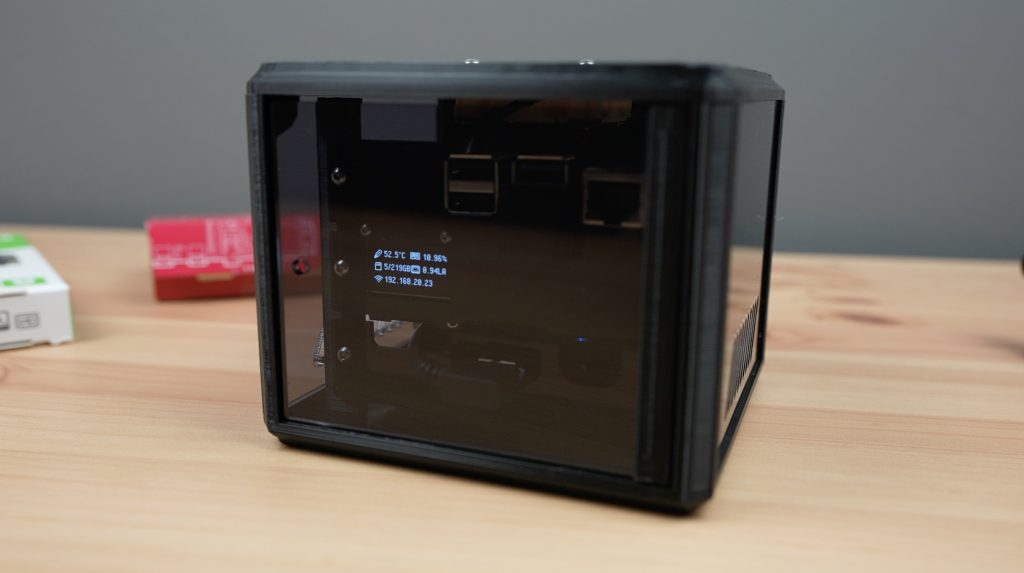
OLED Stats Display Running With IP Address Shown

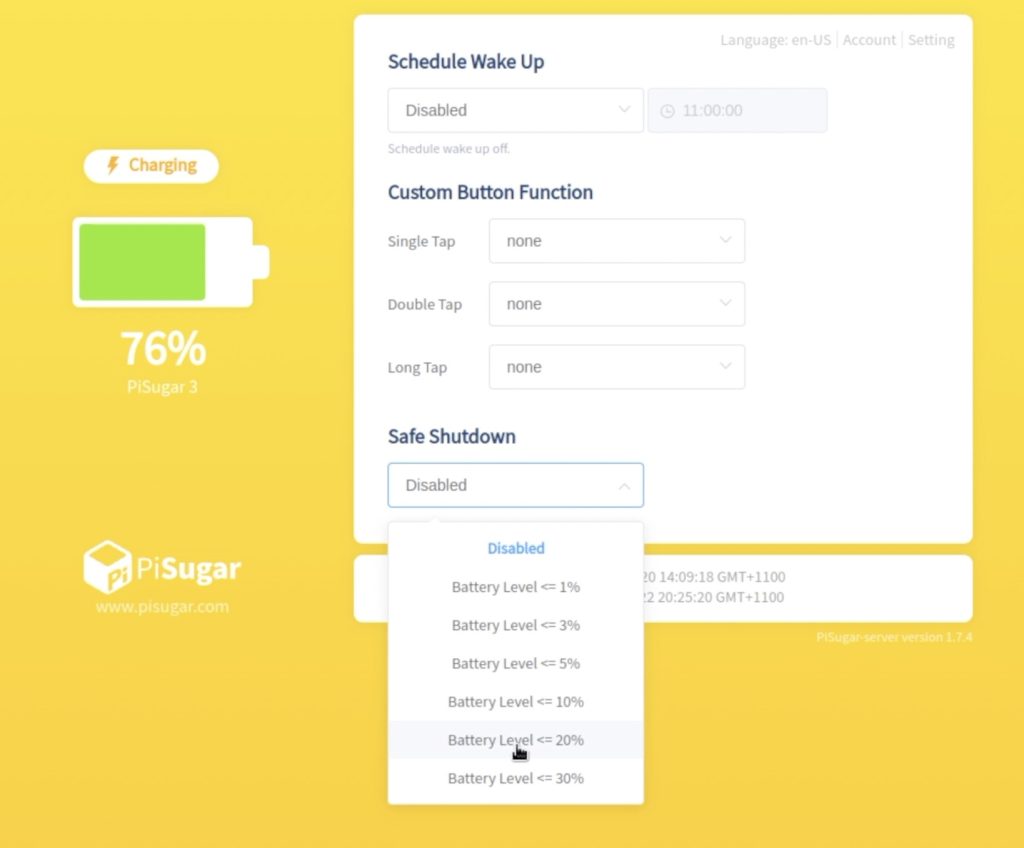
The Pi Sugar UPS also has a dashboard that is available through a web page on the network. I really like that you can access a range of settings and controls remotely.

PiSugar Web Dashboard

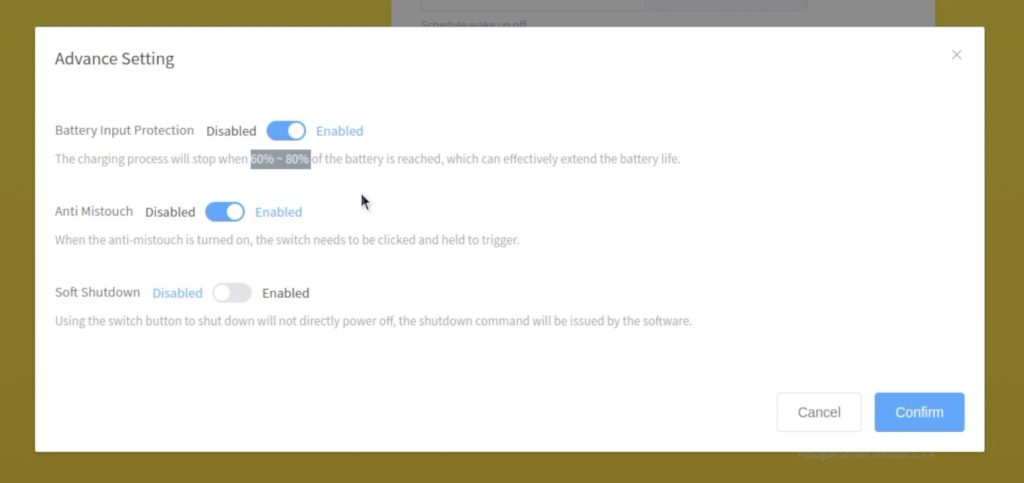
You can use the PiSugar’s built-in real-time clock to schedule a wake time, you can also add custom button functions, set the battery level that will trigger a safe shutdown and even extend the PiSugar’s battery life by not charging to its full capacity.

PiSugar Web Dashboard Settings

There are a bunch of commands that you can use in scripts on the Pi to get information from or modify settings on the UPS. These are useful if you’d like to adapt the OLED display to display stats specific to the UPS as well.

Additional Script Commands For PiSugar UPS

The only thing that I think is missing from the dashboard is a reboot or shutdown button to allow you to remotely reboot or shutdown the Pi.

Other than that the server seems happy to run entirely on battery power from the UPS, even with the fan and SSD running.

Final Thoughts On The Build

I’m really happy with how this project has come out. There are however a couple of things I still want to try.

I’d like to add a low-profile 90-degree ethernet cable to the Pi to rather use a hardwired network connection. A hardwired connection is a lot more reliable and stable, especially for a server-related project like this.

The Pi seems to run quite hot, even though it is near the fan, so I want to swap out the heatsink for a slightly larger one – perhaps use a low-profile Ice Tower.

The stats script also seems to lock up after a while, I assume because it is conflicting with the I2C interface on the UPS, so I need to look into a fix for this.

Let me know what you think of it in the comments section below and also let me know what other things you’d like to see me include in the rack design for a future build.

Bluetti AC200MAX Portable Power Station – Unboxing & Review

Have you ever needed power when camping? Or perhaps you’re somewhat addicted to your hobbies and can’t bring yourself to leave them at home when you head out.

We live in a world where almost everything requires electricity, even our watches can’t go more than a couple of days without a trip to the charger, so having a convenient power source is really handy, and that’s where the Bluetti AC200Max comes in.

Bluetti AC200Max

The AC200Max is an expandable portable power station designed to keep you powered when you’re away from home, or even powered in your home in the event of a power outage.

Here’s my unboxing and review video, read on for my written review:

Where To Buy The Bluetti AC200MAX?

The Bluetti AC200MAX is primarily available from Bluetti’s web store or from Amazon, but they are also stocked in a range of local camping, 4×4 and outdoors retailers.

  • Bluetti’s Web Store (USA) – Buy Here
  • Bluetti’s Web Store (Australia) – Buy Here
  • Bluetti’s Amazon Store (USA) – Buy Here
  • Bluettis Amazon Store (Australia) – Buy Here

Unboxing & First Look

The Bluetti AC200Max arrives in a large brown unbranded box and within that is the second branded box that you see below, so it’s well protected during delivery.

Bluetti AC200MAX In Box

In the rather sizeable internal box, you get an AC adaptor, a neat drawstring bag with some additional charging cables, and the usual manual, QC documents and a warranty card at the top.

Unboxing The AC200MAX - Charger & Accessories

Then the AC200MAX in some foam inserts below it.

Bluetti AC200MAX In Shipping Box

It’s a fairly compact all-in-one unit that combines a 2048Wh battery pack with a smart 2,200W pure sine wave inverter.

In the drawstring bag is a bundle of cables. You’ve got three charging cables – a PV cable that has standard MC4 solar connectors on it, a car charging cable that’ll plug into a cigarette lighter, and an XT90 to aviation-style plug that connects these cables or others to the AC200Max. Bundled with them is the power cable for the AC adaptor.

Bundle Of Included Cables

You also get a sleeve with a warranty card and a basic user manual that walks you through how to use the power station and what settings are available.

Bluetti AC200MAX User Manual

The internal battery is made up of Lithium Iron Phosphate cells, which are rated for 3,500 cycles when charging to 80% of the original capacity. Given that this is intended to be a portable power unit that you take along with you when you need it, you’re probably unlikely to be using close to 80% of a cycle every day, but even if you did, you’d still expect to get almost 10 years of life out of the battery.

Bluetti AC200MAX Unboxed

The battery capacity can also be expanded up to 8192Wh by adding their B300 or B230 expansion batteries, which plug into the expansion ports on the side.

Charging Ports On The Side

Thanks to the high-capacity battery, the AC200MAX isn’t exactly light. At 28kg, it’s not something you quickly throw into the back of your car, it’s a two-handed job at the very least. It is reasonably compact though, being 420mm wide, just under 400mm high and 280mm deep.

On the front panel, we’ve got the power button and a 4-inch touchscreen used to display the battery’s charge capacity, and energy being drawn, control the inputs and outputs and adjust settings.

Resistive Touch Display

The touchscreen is resistive rather than capacitive, which does require a firmer touch. However, it is still quite sensitive and is probably a more reliable option considering it might be used in situations where you’d have gloves on or have water on your hands.

Charging Options On The AC200MAX

To keep your battery topped up, the AC200MAX gives you a number of ways to recharge it.

You can plug it into a standard wall outlet, hook up a solar panel, charge it from your car, plug it into a generator, charge it from another battery source like a 12V battery bank, or use a combination of inputs together.

Included Accessories and Charging Adaptor

The beefy AC adaptor charges the battery at 400W and also has an internal fan for cooling, so it’s not going to be silent. Using this adaptor, you should be able to charge it up from empty to full in 5 to 6 hours.

There seem to be a few slight differences between the models available in different countries, it looks like the American version can charge at 500W. You can also add a second AC adaptor if you’d like to improve the AC charging time, you’ll obviously need to buy the second adaptor separately though. It looks like the separate adaptor is supplied with a barrel jack to XT90 connector, so you’ll plug it into the aviation port alongside the other charger.

AC Adaptor Charging At 450W

The solar input supports a maximum of 900W with an MPPT charge controller, which reduces the full charge time to about 3 to 3.5 hours. You also don’t have to use their own branded solar panels, the solar input is a standard MC4 connector, so you can use it with 3rd party panels that have an open circuit voltage of 10-145V.

MC4 Connectors On Solar Charge Cable

Combining both the AC and solar inputs, you can do up to 1300W using dual charging on AC and solar, so you could fully charge your battery in under 2 hours although I’m not sure how practical it is to use both inputs simultaneously. I’d imagine that you’d be using solar when you don’t have an AC outlet available and you’d be using the AC input to charge your battery when you get back home again, in which case you probably wouldn’t be setting up solar panels in your yard. But it’s nice to have the option to be able to combine them if you find the need.

Charging Inputs On The AC200MAX

The car charger is also an option, although it is the slowest charger at only 100W at 12V or 200W at 24V (although mine only managed 90W) so you’d need around 10 to 20 hours to charge up your battery. This is probably best suited for long road trips where you’re using the power in the evenings and charging the battery while driving during the day.

DC Power Options On The AC200MAX

To use the stored power, the AC200Max has 15 different outlets with a range of options to cover pretty much any power source you would have at home, and probably even a few extra.

From left to right on the front panel, you’ve got a 12V 10A DC cigarette lighter socket at the top, below that is a 12V 30A DC RV socket. Next to that are 2 12V 10A 5.5mm DC outputs. We’ve then got 6 USB ports, the two on the left are USB C ports supporting power delivery 3.0 up to 100W, alongside those are two 18W USB A ports and then two 5V 3A USB A ports.

Ports and Power Outlets On The Front

I really like the inclusion of power delivery on the USB C ports, this means you can leave your bulky laptop charger at home and just plug directly into the AC200MAX and still get similar charging performance.

Charging A Laptop With USB C Power Delivery

Four Outlets To Provide 2200W Of AC Power

On the right side of the front panel are four AC outlets which each support up to 10A. The AC200MAX has a pure sine wave inverter that can provide 2200W of power continuously and can handle a surge of up to 4800W.

To give you an idea of what you can run on it, you could run your Nespresso machine like this for about 150 cups of coffee, or 100 cups of steamed milk and coffee.

You can run a standard refrigerator for around 10-20 hours, so you’ll be all set for a power outage at home. Mine uses around 120W with the compressor running, but it only runs for a few minutes every half hour or so, so I actually found I used about 30 to 40Wh per hour, so I’d get close to 50 hours of run time. This obviously depends on the size of your refrigerator and the technology used, smaller ones designed particularly for camping can run for around 6-10 days on a single charge of the AC200MAX.

Next, let’s try run something closer to the load limit, I’m going to power my Weber Pulse 2000 with it. This is rated for 2200W, so should be right on the limit of the AC200MAX’s continuous rating.

Weber Pulse 2000 Running On Bluetti Portable Power Station

I’ll start with one side, which should be 1100W.

One Side Of The Pulse 2000 Running

That seems to be ok, so let’s add the second side.

We’re drawing a little over 2150W with both sides on their highest setting and the AC200MAX handles the power draw without any issues. In my video, you’ll hear that the fan on the side has come on as well.

Bluetti Mobile Phone App

Another awesome feature of the AC200MAX is smart control and monitoring through their Bluetti App. This allows your mobile phone to monitor and control your nearby Bluetti devices using Bluetooth.

You can create an account if you want to, but they also give you the option to just use the App without logging in. We can then select our device, which pops up in a list of nearby devices and can then monitor and control the AC200Max.

So we’ve got the AC output showing up as being on and we’re drawing almost 2170W.

Using The Bluetti App To Control The AC200MAX

We can control the outputs from the app. So if we turn off the AC output, the BBQ then turns off.

AC Output Turned Off

When we turn it back on again, the bbq comes back on again as well.

We can also turn the DC output on or off through the app, but there isn’t currently anything connected to it.

We can charge the Bluetti AC200MAX while it is being used, so let’s plug the AC adaptor in. Obviously, if the charging power input is lower than the power being drawn then the battery state of charge will still be reducing, just at a lower rate.

You’ll see the app is now showing that it is charging at a little under 450W.

Charging While Using The Output

I noticed the ring under the AC200MAX went orange when the state of charge dropped below 80%, so I presume this acts as a sort of battery level indicator.

Both AC and DC Outputs On

Under the settings menu, you can change the display’s auto-sleep time.

The app is pretty good for getting an overview of what’s on and allows you to turn inputs or outputs on and off, but I think there is still a lot that can be added to it. I’d like to see some power usage trend data or even some information on an estimated run time at the current power consumption or estimated time to fully charged.

The same goes for the display on the AC200Max. It’s got all of the basics, power readings, output toggles and you’ve got a nice set of settings, alarm logs. But it would be nice to have a bit of trend data and some forecasting.

Battery SOC Display

Additional Power Options On The AC200MAX

Lastly, if you’re addicted to your hobbies and want to take them with you, you can run a 3D printer like the Creality Ender 3 V2 for about 10-20 hours as well – depending on your hotbed, nozzle and environment temperatures.

That’s not it for power outputs, up top we’ve got two unsuspecting wireless charging pads that can each supply 15W, so they’ve got your mobile phone or airpods covered as well.

Wireless Charging An iPhone On The AC200MAX

One thing to keep in mind is that the onboard management system also uses some power to run, so you need to factor that into your calculations if you’re looking to run small appliances like a camping fridge or a WiFi adaptor for extended periods of time. Also, if you’re using it to power things like lights which are only on in the evenings then you should probably have the AC output turned off when you’re not using it to conserve battery life.

Camping Tent Light

It does have an Eco mode which will shut off the AC output if it hasn’t been used for 4 hours in order to conserve battery life, but this won’t affect the DC outputs.

How Much Does It Cost?

Lastly, let’s talk about the pricing. The AC200Max is not cheap, it retails for around $2,800 Australian dollars or around $2,000 US dollars, so that’s a fairly substantial amount of money. But being an all-in-one solution, keep in mind that you’re buying a battery, charger, inverter and voltage converter all-in-one. If you had to try to build your own system with similar specs, you’d likely spend the same amount of money, if not a bit more and then you’d still need to find a place to mount them and carry them around, making the convenience of the AC200Max well worth the price.

Bluetti AC200MAX Unboxing And Review

Final Thoughts On The Bluetti AC200MAX

After using the Bluetti AC200Max for the past three weeks, I’ve had a chance to test it in a number of different scenarios and with a number of devices, and here are my thoughts.

I like the compact design, it is heavy but I’d rather have a heavy unit like this that is able to do a higher AC output and has a larger battery capacity. I think it strikes a good balance between size, weight and portability – at least for me. There are smaller and lighter options if you’re looking for something a bit more portable, but you’ll then be sacrificing battery life, so it depends on your needs.

The build quality is really good – there are a wide range of power options so you shouldn’t need to bring any other charging bricks, adaptors or converters with you and I like that all of the ports have integrated port covers.

The only thing I don’t like is that the AC adaptor is separate. I would have preferred to have some sort of standard AC input on the unit, which would just require bringing a cable along (likely one that I’m bringing already for my camera or portable fridge). Lugging another power brick around and not being able to charge it from mains if you forget the brick is a bit of an inconvenience. The AC200MAX is already pretty big, so adding another few centimetres to the top or sides to incorporate a charger probably won’t be that noticeable. I’d also like to see a faster charging option from mains power if you really need it, 5-6 hours is a long time if you’ve forgotten to charge it or need it in a hurry.

As I’ve mentioned earlier, I think there is some room to add additional functionality to the display and app as well. All of the basics are there, but if you like stats and graphs like I do, then you’ll probably also want to see some additional things like estimates on battery life remaining, or the time remaining to fully charged. It’ll also be nice to have some trend data to see how your power has been used over the past few hours or days. These are both things that can be changed with software upgrades, so hopefully they’ll get better over time.

Charging While Using The Output

So the AC200Max is going to be great for those wanting portable power to run larger appliances, or in situations where you’re going to be away from grid power for more extended periods of time. It’s also perfect if you live in an area that experiences frequent power outages.

Be sure to check out Bluetti’s website and web store to find out more about the AC200MAX or to get your own. Let me know what you think of it in the comments section below.

I hope the Raspberry Pi 5 is this good – Khadas Edge 2 Pro

Today we’re going to be taking a look at the new Khadas Edge 2. I can tell you upfront that this is one of the fastest SBCs that I’ve tried out, which is made even more impressive by its really compact design and power efficiency.

This is an Arm-based SBC (single board computer) that Khadas have recently launched and they’ve sent me their pro version to try out and share with you. They’re currently running an early bird offer until the end of October, so you can get the Edge 2 for $199.

Here’s my video unboxing and review, read on for the written review:

Where To Get The Khadas Edge 2

Equipment Used During The Review

Unboxing & First Look At The Edge 2

Like Khadas’ other SBSs, the Edge 2 comes in a branded, compact white box.

Khadas Edge 2 SBC

Within the box, you’ll find a warranty card, a basic quick-start manual and then the Edge 2 itself. It doesn’t come with a power adaptor, so you’ll need to purchase this separately.

Khadas Edge 2 Unboxing

The Edge 2 is powered by an 8-core RK3588S SOC, which has 4 A76 cores running at 2.25Ghz and 4 A55 cores running at 1.8Ghz. Graphics are handled by an integrated ARM Mali-G610 MP4 quad-core GPU running at up to 1Ghz.

Rockchip RK3588S On Edge 2

There are two versions of the board, the Basic with 8GB of LPDDR4 RAM and 32GB of eMMC storage and then a pro version, which is this one, with 16GB of LPDDR4 RAM and 64GB of eMMC storage.

Khadas Edge 2 Ports

Taking a look at the ports around the edges, we’ve got two USB type A ports, the left one being USB 2.0 and the right one being USB 3.1, we’ve also got two USB type C ports, the left one being for power only and the right one being USB 3.1 with a display port. In the centre is a single full-size HDMI 2.1 port.

Alongside each USB C port is a small RGB indicator LED, the functionality of these can be configured in the software.

RGB LED Between Ports

On the side of the board are three buttons, a power button, a function button and a reset button.

Function Buttons Along Side

We’ve got three CSI camera connectors along the back.

Camera Ports Along Bottom Edge

You may have noticed that there is no Ethernet port, which is a little disappointing although the board does have WiFi 6 and Bluetooth 5.2, or you could just add a USB dongle.

WiFi and Bluetooth Chip

Lastly, we’ve got a PWM fan header that we can plug their fan and heatsink into, we’ll take a look at that shortly.

Along the bottom are two IO ports with interfaces like I2C, SPI, UART, PWM outputs etc, basically what you would have had if the Edge 2 had a set of GPIO pins, and then two DSI display connectors.

IO Ports Along Bottom Of Khadas Edge 2

Although you’ve still technically got the IO ports, they’re far less accessible than they are on a board like the VIM series, so this board seems to be primarily designed to be something like a media player or a low-power network device like a file server or a Docker server.

There are also some other features like dual microphones and a real-time clock with battery backup.

Dual Microphones

Edge 2 Active Cooling Kit

Khadas have also sent me an active cooling kit along with the board, this is sold separately for $25. The active cooling kit is only compatible with the Edge 2 and can’t be used with other Edge or VIM series boards.

Active Cooling Fan Kit

From their website, it looks like they’re working on a version that’ll be sold in a really cool-looking case and will include the cooling kit within it, but that version is only going to start shipping in December.

Khadas Edge 2 Case

If you’re using WiFi or Bluetooth, which is quite likely without an Ethernet port, then you’ll also need to connect the included antennas, which is possible to do with the active cooling kit installed.

So that’s a summary of the hardware, let’s try powering it up and see what it can do.

Flashing The OS With OOWOW

This is probably one of my favourite features of this board, the Edge 2 has an embedded service called OOWOW. This is basically a wizard that guides you through connecting your device to the internet, then it allows you to select an OS image from a list of up-to-date images and it’ll manage downloading and installing the OS so that the board is ready to run.

Oowow Wizard To Flash OS Image

This system provides a much easier out-of-box experience, you don’t need to mess around with flashing microSD cards or onboard storage, and you don’t even need another computer. You just plug the Edge 2 in and you use the OOWOW system to download and install your operating system.

We’ll start by getting the board connected to WiFi as we don’t have an Ethernet port to plug into. Then we can select our installation image, I’m going to install the Ubuntu 22.04 image, which was last updated a few days ago.

Flashing Ubuntu 22.04 To Khadas Edge 2

Then we just let OOWOW do its thing, it’ll first download the image and then give you a prompt to install it. Once installed it’ll ask you to reboot and your Edge 2 will then boot into your operating system. You can also access OOWOW again to flash a different image using the function buttons on the side of the board.

YouTube Video Playback On The Edge 2

Now that we’re booted into the operating system, if we got to about you can see we’ve got 16GB of RAM and 64GB of eMMC storage. The processor doesn’t show up and graphics are unknown. We’re running Ubuntu 22.04, 64-bit, gnome version 42.4 and we’re running the Wayland windowing system.

Ubuntu About Page

Next, let’s take a look at opening the web browser and playing back a Youtube video. Let’s first check what resolution our display is running at. We’re going to try 1080P first and we’ll then try 4K.

Display Resolution 1080P

So the monitor is set to 1080P, now let’s open up our browser.

If you watch my video at the beginning, you’ll notice how fast this board loads up the browser and web pages.

Big Buck Bunny at 1080P

I’m opening up Big Buck Bunny and we’ll now go make sure it’s playing back at 1080P as well.

1080P Youtube Playback of Big Buck Bunny

In playing back Big Buck Bunny at 1080P, we dropped a few frames at the beginning of the video and it then continues to drop one every two to three seconds, but you really wouldn’t notice that. Playback is really smooth and there isn’t any stuttering. This is a very usable video stream at 1080P and 60 frames per second.

Next, I’m going to switch the monitor resolution to 4K and see what playback looks like at a higher resolution.

Display Resolution 4K

We’ll open up Big Buck Bunny again. Then let’s set it to now playback in 4K.

4K Youtube Playback of Big Buck Bunny

In playing back the video in 4K, we were immediately dropping more than half of the frames and there is a lot of stuttering even with a good connection speed and good buffer health. 4K playback at 60 frames per second from Youtube through a browser isn’t really usable, but like the VIM series you’d be better off using Android if you’re using the Edge 2 primarily for media playback.

Note: The browser uses software decoding. The Edge 2 supports hardware decoding on the player that comes with the OC, so it is able to play back local videos in 4K without any issues.

Linux Games

Running videos in the browser doesn’t seem to use the GPU, but playing games certainly does. I’ve installed a game called Super Tux Kart to try out.

Super Tux Kart Choose a Kart

This runs really well on the Edge 2, we consistently get a little over 100 fps and it runs smoothly with no lag or stuttering.

Super Tux Kart Playback

PS2 Emulation Using Aether SX2

I then tried a PS2 Emulator called Aether SX2, which allows you to play your old PS2 games. You’ll need to create an image of your Playstations BIOS in order for it to run, so there is a bit of setup involved.

AetherSX2 Playstation 2 Emulator

To play games properly I also hooked up an Xbox One controller to the Edge 2. The controller is just connected to the Edge 2 using a micro-USB cable and you’ll need to install a driver for the controller to be recognised.

xBox Controller Plugged Into Khadas Edge 2

First up we’ll try Need for Speed Most Wanted.

This emulation is what impressed me the most on the Edge 2, there is a lot going on here, we’ve got other cars on the road, trees in the background, textures and shadows and the Edge 2 handled the game really well. I actually landed up playing this game a little too much, bringing back some old memories.

I then also tried GTA and that also played well, even with higher speed scenes like when driving a car. I struggled a bit in the beginning with the controller being an Xbox controller on a PS2 game with PS2 button prompts, but eventually got the hang of it.

So the Edge 2 is a great choice if you’re interested in running emulation software. I’d actually like to see if I can mount the Edge 2 along with a display onto my Xbox one controller as a sort of portable gaming platform, or maybe I should rather try to get an old PS2 controller working for that.

Khadas Edge 2 Power Consumption

As far as power consumption goes, the Edge 2 uses about 2.5W when Idle on the desktop, which is next to nothing for an SBC.

Khadas Edge 2 Idle

This goes up to about 6W when streaming 1080P video as we did earlier.

Khadas Edge 2 Video Playback

When playing games and we’re using the GPU as well, power consumption goes up to around 10W.

Khadas Edge 2 Gaming

Active Cooling Kit & Fan Speed

The fan has PWM speed control that is managed through an app, so you can set it to automatically adjust its speed based on temperature or run at a fixed speed.

Khadas Edge 2 Fan Noise

It is quite noisy, so I found running in auto was best as it then only came on intermittently. In automatic, I don’t think I ever heard it running faster than the low-speed setting, probably thanks to the large heatsink and not being in an enclosure.

The higher speeds can be really loud, as with most radial fan designs.

Some Things I Don’t Like On The Edge 2

Like with the VIM2 that I recently tried out in my Pi alternatives post, there are a couple of things that I don’t really like about the design.

I like that they have included the power, reset and function buttons, but I’d prefer these to be facing upwards or for them to be recessed slightly. When plugging in or removing devices or cables, I usually hold the board around the edges and the position of the buttons means I often accidentally press the power or reset button and kill the board while I’m using it.  Maybe this is just a habit I’ve formed, but I tend to avoid gripping the PCB or touching the components on the board, so for me, this is the most comfortable way to hold the board.

Pressing Buttons While Plugging In And Removing Devices & Cables

I’m also surprised that they didn’t include an M.2 port on the bottom like they’ve done with the VIM4.  This seems like a really capable daily driver, so the facility for some additional onboard storage would have been a nice feature.

Khadas Edge 2 No M.2 Port

Khadas are working on an Edge 2 I/O board which will add TF expansion and some other IO features. This will be similar to the Edge I/O board, but for the Edge 2.

My only other criticism is that the ports are a little too close together. I get that they’ve done this to keep the overall size down and to keep the ports all on a single side, but you need to use cables with slim connectors or you’re just not able to fit them in. And you can forget about using things like USB flash drives or card readers that don’t have cables as there just isn’t space for them.

Khadas Edge 2 Ports Too Close Together

Final Thoughts On The Khadas Edge 2

This board is really starting to blur the lines between a low-power single-board computer and a full-size PC. If you used this board for a couple of hours doing general day-to-day tasks, you’d probably be surprised to find out that you were working on an SBC, it’s really fast and responsive.

Khadas Edge 2 As A Daily Driver

The Edge 2 also makes a great little gaming device, perfect for playing retro console games or even lightweight Linux games.

Due to its low power consumption, it’s also an ideal home server where you don’t want to see a large spike in your electrical bill just to have access to your files and media.

Let me know what you think of the Edge 2 in the comments section below or let me know if you’ve got any questions about it.

I Made A Keyboard For My Pi Using The xTool M1

The M1 is a new new product by xTool, a company that is already well-known in the CNC diode laser space. This laser is quite different to their others though because it is fully enclosed, so it is much safer to use than open gantry style lasers, it properly manages smoke and fume extraction, and it’s got a trick up its sleeve for hobbyists.

Not only does it have a 10W diode laser module for cutting and engraving, but alongside it is a blade cutting tool, allowing you to accurately cut vinyl, paper, leather, fabrics and felt, all without leaving burn marks around the edges.

Here’s my video review and build, read on for the write-up:

What You Need To Make Your Own Keyboard

If you don’t get the deluxe bundle, you’ll also need two A4 size sheets of 3mm plywood to make up the keycaps.

Equipment Used

Some of the above parts are affiliate links. By purchasing products through the above links, you’ll be supporting my projects, at no additional cost to you.

Unboxing The xTool M1

The M1 is available in with a 5W laser and a 10W laser, with a $100 price difference between the two. I personally think that the additional capabilities of the 10W diode make it well worth the increase in cost.

xTool M1 In Box

The 10W version is available in a bundle with a rotary tool and materials pack and then a deluxe bundle which also includes an air purifier. This is the bundle that xTool have sent me to try out, so that’s what we’re going to be using in this project.

xTool M1 Laser Cutter, Engraver & Blade Cutter

This bundle includes everything you’re going to need to get started using both the laser and blade cutting modes on the M1 and will allow you to use the machine indoors without having to vent the machine out of a window or door.

xTool M1 Unboxed

The materials pack includes coasters, dog tags, a mobile phone stand and wooden tags to engrave on, and then a range of sheets of wood, pvc, vinyl, card to try out.

Materials Supplied In Materials Pack

They also include four cutting mats which you’ll use in the bed of the machine to grip your sheets when using the blade cutting tool. There are two of each type included, one light grip mat for PVC and vinyl and one strong grip mat for fabrics.

Included Cutting Mats

The rotary tool is really cool, the main system is a standard two-roller design with adjustable distances between the rollers. They also include a stand to help level odd-shaped cylindrical objects like wine glasses or tapered mugs and then they also have a chuck attachment which can be used to grip objects like pencils, round handles or dowels and even balls.

Unlike most other CNC diode lasers, and largely owing to the housing that fully encloses the laser, the M1 comes pre-assembled, so you only really need to remove the packaging, connect your ventilation system if you’re using one and then download their software package on your computer.

Bed Area Of xTool M1

Although the enclosed design makes the M1 quite a lot larger to ship and results in a smaller working area than most of their other machines, it’s definitely a safer and more user-friendly long-term solution. The amount of smoke that comes off the open gantry style CNC machines that I’ve used makes them impractical to use in a space that isn’t very well ventilated. I usually land up running mine on a table outside, which is unpleasant in the extremes of summer or winter and impossible when it’s raining. The second, and probably more important benefit to this design is safety. The laser is fully enclosed in a Class I FDA-certified housing and the transparent cover filters blue light to protect your eyes.

xTool’s Air Purifier

The air purifier included with the deluxe bundle allows you to use the machine in an enclosed area by filtering the exhaust fumes and then recirculating the air. It’s also compatible with xTool’s D1, D1 Pro, Laserbox Rotary and Laserbox Pro models.

It consists of an all-metal housing with a fan speed adjustment knob on the front, the power input and switch on the side and the input at the top.

xTool Air Purifier

Inside the housing is a stack of filtration media. There’s a pre-filter to capture the larger visible particles, a middle filter that removes particles down to 0.3um and then the main filter which absorbs harmful gases and odours.

xTool Air Purifier Filtration Media

They supply a spare pre-filter with the purifier and you can get a replacement filter kit from their web store. They don’t really provide any information on how long the filters should last or how often to replace them, although this obviously largely depends on what materials you’re usually cutting or engraving.

If you don’t go with the air purifier, the included ventilation fan and exhaust pipe will still allow you to duct the smoke produced by your machine out of a window or door.

Designing The Mechanical Keyboard For My Pi

Now that we’ve got the xTool M1 set up, let’s use it to make something. I’ve been wanting to make my own custom keycap set for a while and to be honest this project took a lot more time than I had initially anticipated.

To start with, I bought a DIY GK61 mechanical keyboard base. This is essentially a keyboard PCB with a base. You can then add your own key switches depending on the feel you’d like to go for and then add keycaps to the top of the switches to complete it.

DIY Mechanical Keyboard

The switches I went with are Gateron G-Pro series red switches. I chose these switches because they looked like a good mid-range starting point, not being too sensitive, not making much noise and most importantly not being overly expensive.

Gateron Key Switches

I quickly discovered that you can spend upwards of $1,000 making your own keyboard, which seems crazy when over 40,000 people are perfectly happy with a $35 one from Amazon that comes with a mouse as well.

Keyboard and Key Switches

With my base and switches unboxed, I then got to designing my keycaps, which took a few iterations to get right. I tried a range of options including square and round keys, different sizes, and different fonts. I also redesigned the part that attaches the keycap to the switch about 10 times before it felt like it fitted both the switch and the laser-cut cap correctly.

I finally settled on this design, the keycap is made up of two round wooden parts, both laser cut from 3mm plywood and then glued together. The keyboard letter is then engraved onto the top of the key and a 3D-printed holder is glued to the bottom to attach to the key switch.

Assembling Keycaps

This is obviously only one key, and I need 60 more of them, so let’s get them designed.

I drew up the keys in Inkscape, then gave them each a letter, symbol or name and then played around with some colour options.

Keyboard Layout Design In Inkscape

I quite like this piece of grey walnut-looking plywood that was included in the material pack that came with the M1, so I’m going to use this as is for the larger keys and I’m going to spray a piece of plywood from the material pack white for the smaller keys.

I’m not going to do too many coats of white so that we still get a slight wooden texture on the white keys as well.

Spray Painting The Plain Sheet White

So the finished keyboard should look something like this.

Keyboard Design In Colours

Cutting The Keycaps On The xTool M1

To get nice clean engraving without smoke marks surrounding the letters, I’m going to cover the wood sheets in masking tape before cutting the pieces out. I’ve used this technique quite often in the past when engraving on light sheets like these. The smoke from the laser then just marks the masking tape and we can peel it off afterwards.

Masking Tape Over Plywood For Engraving

To use the M1, you need to download and install their xTool Creative Space Software. Unfortunately, the M1 is not currently supported by Lightburn. Creative Space is an offline software package that doesn’t require registration or a connection to the internet to run, which I like.

It works quite well and allows you to create basic designs or import designs made in other packages, like Inkscape or Lightburn. You can then use or adapt these designs to laser cut, engrave, or cut out using the blade tool.

xTool Creative Space Software

Creative Space includes a wide range of free-to-use design elements and shapes, including prepared connectors for making up 3D models. It’s also got a selection of ready-to-use project files if you’re not quite ready to start making up your own designs. So it’s quite a capable package to do some design work in.

xTool Creative Space Included Designs

I’m going to load the grey sheet into the bed of the M1, propping it up on the supplied triangular prisms to allow airflow underneath the plywood.

When I close the lid it automatically takes a photo of the bed using an internal 16MP camera which then shows up in the software to help out with positioning the design without having to do any guesswork.

Plywood Sheet Placed In xTool M1 Bed

We can then import the keyboard design that I made in Inkscape to cut out, I’ve split the keys up into the white keys and the grey keys, and I’ll cut the bottom halves of the keys separately.

Placing Design In xTool Creative Space

The 10W laser is made up of two 5W lasers that are combined into a single spot, allowing it to cut up to 3mm acrylic and 10mm wood sheets in a single pass. The plywood supplied in the materials pack is only 3mm, so it should easily cut through it.

I’ve done a few tests already and found that the recommended settings for cutting worked perfectly, the engraving was a bit lighter than what I wanted for the keyboard so I’ve increased the laser power and reduced the speed a bit. We can then send the design to the M1 and press the button on the front to start.

Pressing Button To Start Engraving

While operating, Creative Space gives you an estimate on how long it’s going to take to complete the engraving and cutting – although this seems to be roughly accurate for engraving but can be quite far off for cutting, especially if you’ve got detailed design work.

While the xTool M1 is finishing off the keycap rings, let’s get the 3D-printed parts made up as well. These are just small inserts that go on the underside of each key to properly attach them to the key switches. I printed these out 17 at a time from black PLA filament using a 0.4mm nozzle and 0.15mm layer height.

3d Printed Keycap Holders

The keys came out quite well. There is a bit of smoke and charring on the surface as expected, but that’s why we added the masking tape so that should peel off when we’re done assembling them.

Laser Engraved Keys

Assembling The Mechanical Keyboard

To make up each key, we need to glue the ring onto the underside of each letter and then add a 3D-printed holder.

Now I just need to glue the other 60 keys together and get them installed on the keyboard.

First Completed Keycap

With the keys all in place, I thought it might look better to add some colour to the keyboard, so I’ve cut out two more keys and cut my logo and a raspberry outline from some red stick-on PVC sheets that I used the blade-cutting tool to cut out.

All Laser Cut Keycaps Installed

I really didn’t expect much from them because they’re so small, but the xTool M1’s blade cutting tool actually managed to cut them out reasonably well.

The Finished Keyboard

Now that the keyboard is finished, let’s peel off the masking tape and see how it looks.

I forgot to mention that it’s also got RGB lighting behind the keys, so that’s one of the reasons why I went with the round keys instead of the square keys.

I also tried cutting out some additional designs for my home server rack using the blade cutting tool. I also cut these from the PVC sheets included in the materials pack.

Stickers Cut Using xTool M1 Blade Cutting Tool

Engraving Other Objects On The xTool M1

Out of interest, I played around with some of the other included objects in the materials pack. I first tried engraving my logo onto one of the included slate coasters.

Coaster Engraving In Creative Space

I used their suggested settings and these came out amazingly well. I haven’t engraved onto slate before, but the result was much better than I had anticipated.

Coaster Engraved Using xTool M1

I then used the rotary tool to engrave onto a mug. I used the roller tool along with the height-adjustable stand to support the mug. I also had to prop the laser up on the risers to allow the rotary tool to fit in beneath the laser head at the correct focus distance.

xTool M1 Riser Set For Rotary Engraving
Rotary Engraving Onto A Mug

I used Cermark on the mug to get a better finish and I was again impressed with the final results.

Rotary Engraving Onto Mug Using xTool M1

Final Thoughts On The xTool M1

Through using the machine for the past two weeks, I don’t really have too many negative things to say about it. The machine is great, it works well in both modes, it’s easy to use and I haven’t run into any problems with it.

If you’re wanting to use the machine for cutting plywood, then I’d definitely suggest getting the more powerful 10W version. I haven’t tried the xTool M1’s 5W laser, but from experience with other lasers, you’ll either need to do multiple passes or run really slowly to cut 3-5mm plywood.

xTool Blade Cutting Tool

The air purifier is quite noisy but it is also moving quite a lot of air through it. I haven’t got a calibrated air quality meter in my workshop, but it does a good enough job at filtering the air that you can’t smell any traces of wood or acrylic being cut. After cutting and engraving everything in this project, the first layer of the filter is clearly showing signs of being used, but it’s still got a lot left in it before it’ll need to be replaced.

The materials pack that was included is really useful if you’re a crafter, although I think it is a little bit too heavily weighted towards the blade cutting tool. There is a lot of included vinyl, leather, pvc, cardstock and sticker sheets, but only one piece of walnut plywood and one sheet of regular plywood. There are also a lot of objects to engrave, but I personally would have liked to have a bit more plywood and possibly a sheet of acrylic as well. They do however have a wide range of materials packs available from their web store and these are tailored to particular applications.

The rotary attachment was easy to hook up and use and I like the included height adjustable stand so you don’t have to try and balance the rollers or the object you’re engraving at weird angles.

The blade cutting tool works better than I expected on a dual-purpose machine, it’s able to cut very fine details without any issues and it’s great that they include a few spare blades as well. I’d also like to see xTool develop some additional attachments for the tool holder, like tools for embossing, scoring or even drawing.

Docker Sticker Made On xTool M1

The xTool M1 is clearly aimed at crafters for home or small business use, it’s going to be perfect for creating home decor items, small home or business signs, customising clothing or other textiles and making or customizing jewellery.

It’s much easier to set up and use than traditional CNC diode laser machines due to its fully enclosed, pre-assembled design. So it’s perfect for people who have never used a CNC machine before. The included camera really helps out with positioning your designs on your materials, making sure you don’t waste them.

As for limitations or downsides to this machine – due to the enclosure design, the bed area of 385 x 300mm is quite a bit smaller than the 430 x 400mm you’d get on an open gantry style laser like their D1. The maximum laser power also caps out at 10W, so if you’re wanting to cut thick materials then you’ll probably want to go with a 20W laser on an open gantry machine.

Bed Area Of xTool M1

xTool also make a number of add-ons and accessories for the M1, like a complete air assist system and a riser base with a honeycomb bed and acrylic sides, so check out their web store to see what is available.

Let me know what you think of the xTool M1 and the keyboard I’ve made in the comments section below.